

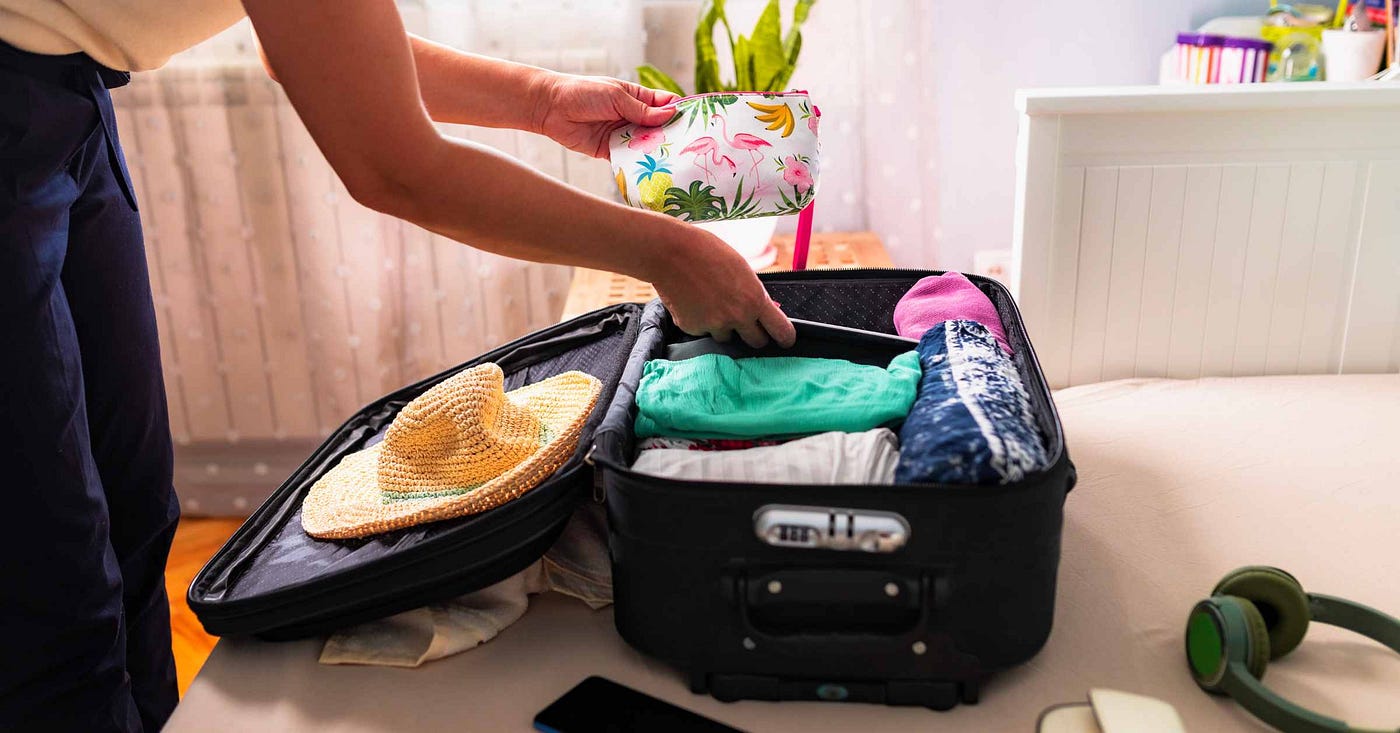
When you're packing for your next trip, you might be wondering about what can and cannot go into your checked luggage. One common item that often raises questions is the humble aerosol can.
Can it really be packed in your checked luggage, or should it stay at home? If you’ve ever found yourself puzzled over this, you’re not alone. Understanding the rules can save you from last-minute airport stress and ensure a smooth travel experience.
By learning the ins and outs of packing aerosol cans, you can travel with peace of mind, knowing you're fully prepared. Dive into this article to get the clarity you need and make your packing process a breeze.
Aerosol Cans And Airline Rules
Aerosol cans often raise questions when packing for a flight. Their pressurized nature means airlines have specific rules to keep passengers safe. Understanding these rules helps you avoid delays or having your items confiscated at the airport.
Regulations By Major Airlines
Most major airlines allow aerosol cans in checked luggage but with strict limits on size and quantity. For example, airlines like Delta and American Airlines often restrict aerosols to containers no larger than 16 ounces (about 454 grams) per item.
Some airlines also require that the cans have protective caps to prevent accidental release. It’s smart to check the specific airline’s website before packing since rules can vary and change unexpectedly.
International Travel Restrictions
If you’re flying internationally, be extra cautious. Different countries have stricter rules on aerosols due to varying safety standards and customs regulations.
For instance, the European Union enforces tight restrictions on aerosols in both checked and carry-on luggage. You might find that what’s allowed on a domestic flight isn’t permitted abroad, leading to surprises at security checkpoints.
Differences Between Checked And Carry-on Luggage
Aerosol cans are generally more restricted in carry-on bags than in checked luggage. This is because of the risk of pressure changes causing leaks or explosions in the cabin.
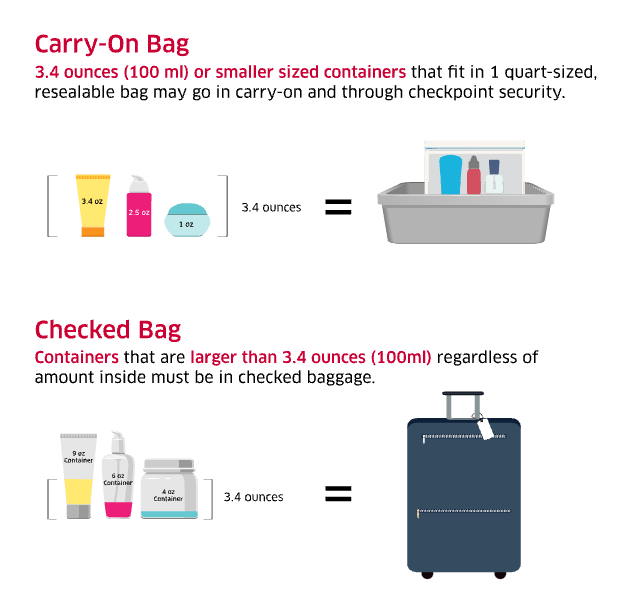
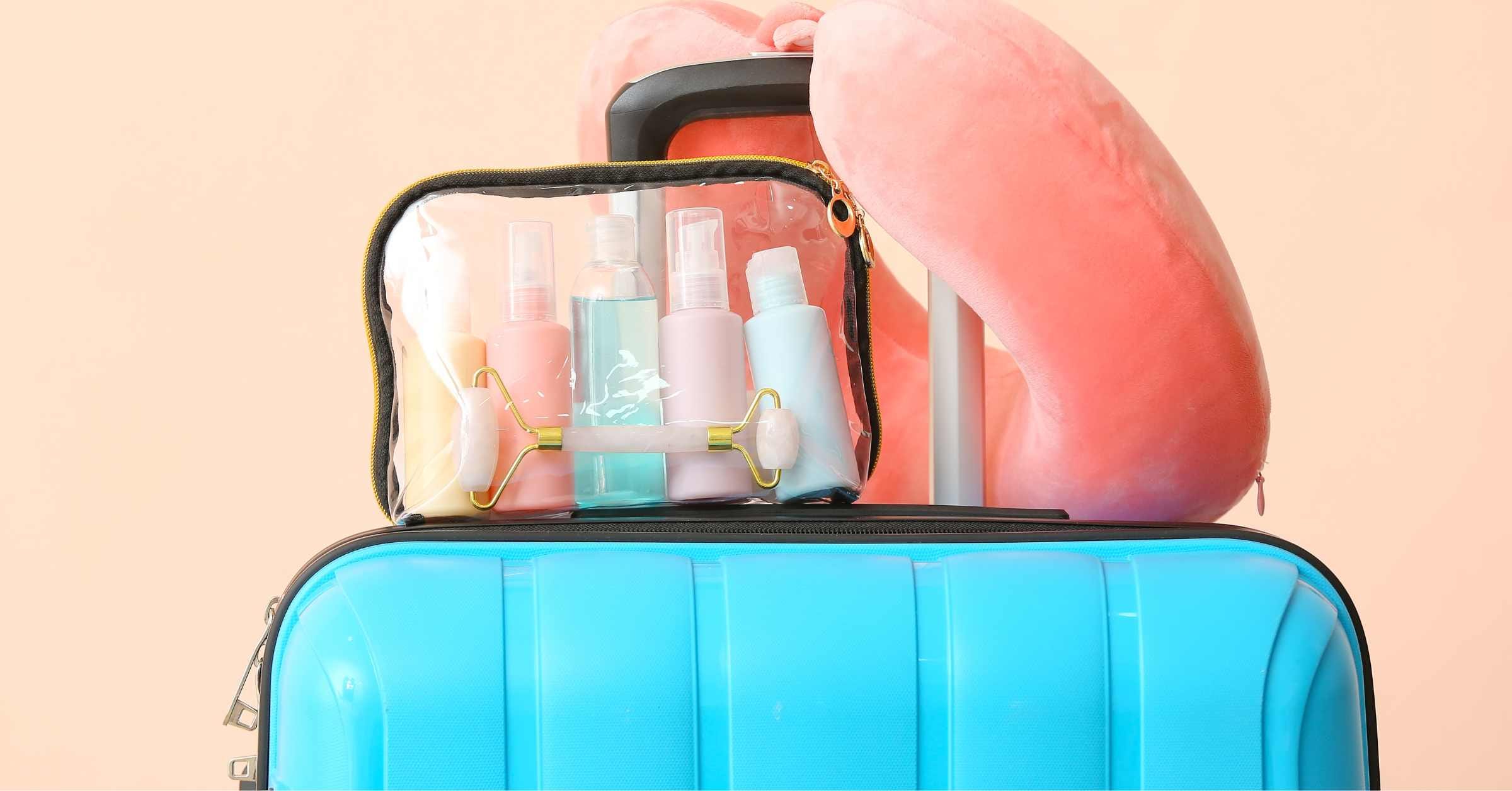
Usually, carry-on aerosols must be under 100 milliliters (3.4 ounces) and fit into your liquid allowance bag. In contrast, checked luggage often allows larger containers but still limits the total quantity you can bring.
Types Of Aerosol Cans Allowed
Aerosol cans come in many types and uses. Knowing which ones can go in checked luggage helps avoid problems at the airport. Some aerosol cans are safe to pack, while others pose risks. Airlines and security have rules for aerosols in luggage to keep flights safe.
Understanding the types of aerosol cans allowed in checked baggage can save time and hassle. Below are common categories of aerosols and their rules for packing.
Personal Care Products
Many personal care aerosols are allowed in checked luggage. These include items like deodorant, hairspray, and shaving cream. They are usually small and meet safety limits for pressure and volume. Packing these items is fine as long as they follow airline size restrictions.
Always keep personal care sprays in original containers. Avoid damaged or leaking cans to prevent spills and hazards.
Household Items
Some household aerosol products can be packed in checked bags. Examples are air fresheners, cooking spray, and insect repellents. These cans must be under a certain size, usually 16 ounces or less. Check airline rules before packing to be sure.
These items should be sealed tightly. Do not pack sprays that are flammable or labeled as hazardous.
Hazardous Materials To Avoid
Certain aerosol cans are not allowed in checked luggage. Flammable aerosols like spray paint, lighter fluid, and fuel sprays are banned. Also avoid pressurized cans containing bleach or other toxic chemicals.
These hazardous aerosols can cause fires or leaks on the plane. Always read labels and airline guidelines. When in doubt, leave these items out of your checked bags.
Packing Aerosol Cans Safely
Packing aerosol cans safely helps prevent leaks and accidents during travel. Proper care protects your belongings and keeps you safe. Follow simple steps to pack these cans with confidence.
Proper Sealing Techniques
Check the nozzle for any blockages or damage before packing. Press the spray cap firmly to ensure it is fully closed. Use plastic wrap or tape around the nozzle to add extra sealing. Avoid shaking the can before packing to reduce pressure inside.
Using Protective Containers
Place aerosol cans in sturdy, sealable plastic bags to catch leaks. Use padded containers or boxes to prevent dents or punctures. Keep cans upright to avoid accidental spraying. Do not pack aerosol cans with sharp objects that can damage them.
Labeling And Documentation
Label the container with clear information about its contents. Include warnings like "Aerosol Can – Flammable" to alert handlers. Keep receipts or product information in your carry-on for easy reference. Follow airline and TSA guidelines to ensure compliance.
Risks Of Carrying Aerosols In Checked Bags
Carrying aerosol cans in your checked luggage can be risky. These cans contain pressurized substances that react unpredictably to changes in air pressure and temperature during flights. Understanding these risks helps you decide whether to pack aerosols in your checked bags or find safer alternatives.
Pressure And Temperature Changes
Aerosol cans are pressurized containers designed to release contents under controlled conditions. In the cargo hold, air pressure drops significantly as the plane ascends. This drop can cause the cans to expand and sometimes rupture.
Temperature fluctuations add another layer of risk. Extreme cold at high altitudes can affect the can's material, making it brittle and prone to leaks. Have you ever noticed how a soda can bulges after a long car ride up a mountain? Aerosol cans behave similarly, but with potentially dangerous results.
Potential For Leaks And Explosions
Leaks from aerosol cans can release flammable or hazardous substances inside your luggage. This is not just a mess; it’s a serious safety concern. The slightest puncture or over-pressurization can trigger an explosion, endangering your belongings and the aircraft.
Remember the story of a traveler whose aerosol sunscreen exploded mid-flight? The entire luggage compartment had to be inspected, causing delays and stress. Such incidents highlight why airlines often restrict aerosols in checked baggage.
Impact On Security Screening
Aerosol cans can complicate the security screening process. Their shape and contents sometimes raise red flags during X-ray scans, leading to additional checks. This can delay your journey and cause inconvenience at the airport.
Security personnel may also confiscate aerosols if they suspect the contents pose a risk. Knowing this, wouldn’t you prefer packing these items in your carry-on within allowed limits or choosing solid alternatives? It’s a simple way to avoid unnecessary hassle.
Tips For Traveling With Aerosols
Traveling with aerosol cans can be tricky, but with the right approach, you can avoid delays and hassle at the airport. Knowing how to handle aerosols safely and legally ensures your trip starts smoothly. Here are some practical tips to help you manage aerosols during your journey.
Checking Airline Policies Before Travel
Before packing your bags, check your airline’s specific rules about aerosols. Policies vary widely, and some airlines may completely ban certain aerosol products in checked or carry-on luggage.
Visit the airline’s official website or contact customer service to get clear guidelines. This step can save you from last-minute surprises at the airport.
Declaring Aerosols At Security
Always declare aerosols when passing through security checkpoints. Transparency helps security staff assess your items correctly and speeds up the screening process.
If you’re unsure whether your aerosol qualifies as hazardous, ask the security officers directly. They can provide immediate advice and avoid confiscation or delays.
Alternatives To Aerosol Products
Consider switching to non-aerosol alternatives to avoid restrictions altogether. Solid, gel, or pump products often work just as well and are usually allowed in both checked and carry-on luggage.
For example, instead of aerosol deodorant, try a stick or roll-on version. Such swaps can make your travel packing simpler and less stressful.

Frequently Asked Questions
Can I Pack Aerosol Cans In Checked Luggage?
Aerosol cans are generally allowed in checked luggage if they meet airline and TSA regulations. They must be non-flammable and within size limits. Always check specific airline rules before packing to avoid confiscation or safety risks.
Are There Restrictions On Aerosol Cans In Checked Bags?
Yes, airlines and TSA restrict aerosols to small quantities and non-flammable types. Flammable aerosols like spray paint are usually prohibited. Check airline policies and TSA guidelines to ensure compliance and safe travel.
Why Are Aerosol Cans Regulated In Checked Luggage?
Aerosol cans contain pressurized gases that can explode under pressure or heat. This poses a fire and safety risk on planes. Regulations limit their quantity and type to protect passengers and crew during flights.
Can I Carry Deodorant Aerosols In Checked Baggage?
Yes, deodorant aerosols are allowed in checked baggage if they comply with size and content restrictions. Ensure the cans are properly sealed and not damaged. Always verify airline-specific rules before traveling.
Conclusion
Aerosol cans often cause confusion when packing for flights. Most airlines restrict aerosols in checked bags due to safety risks. Carrying them in carry-on luggage may still have limits. Always check airline rules before your trip. Proper packing keeps you and others safe during travel.
Remember, knowing the rules helps avoid delays and fines. Stay informed and pack smart to enjoy stress-free travel.