

Ever stood at the airport, suitcase in hand, wondering what you can and can't stash in your checked luggage? You're not alone.
One common question many travelers have is: Can cables go in checked luggage? Whether it's for charging your devices or connecting your tech on the go, cables are essential. But with airport security rules often feeling like a maze, it's easy to feel unsure.
We’ll dive deep into the dos and don’ts of packing cables, ensuring you breeze through check-in without a hitch. Stick around to discover the best practices for packing your cables and why it could save you from potential travel headaches. Your next trip could be smoother than ever!
Checked Luggage Rules
Checked luggage rules guide what items travelers can pack in their bags. These rules help keep flights safe and smooth. Understanding these rules makes travel less stressful. It ensures that no items get delayed or confiscated at the airport.
Airline Policies On Electronics
Airlines have clear policies about electronics in checked bags. Some airlines allow cables and chargers in checked luggage. Others recommend keeping electronics in carry-on bags to avoid damage or loss.
Always check the airline’s website before packing. Rules may vary by airline and flight destination. Batteries, especially lithium-ion ones, often have strict limits. Cables themselves are usually allowed but can be subject to inspection.
Security Regulations For Cables
Airport security screens checked luggage for safety risks. Cables are generally safe and allowed. Security officers may open bags to inspect unusual items. Loose cables or large bundles may attract extra attention.
Keep cables organized and easy to find. Use cable ties or cases to prevent tangling. This helps speed up the screening process and reduces damage risk. Avoid packing damaged or frayed cables, as they may be questioned.
Types Of Cables Allowed
Not all cables face restrictions in checked luggage. Many types are safe to pack without worry. Knowing which cables are allowed helps avoid airport hassles. Understanding common cable types can make travel easier.
Charging Cables
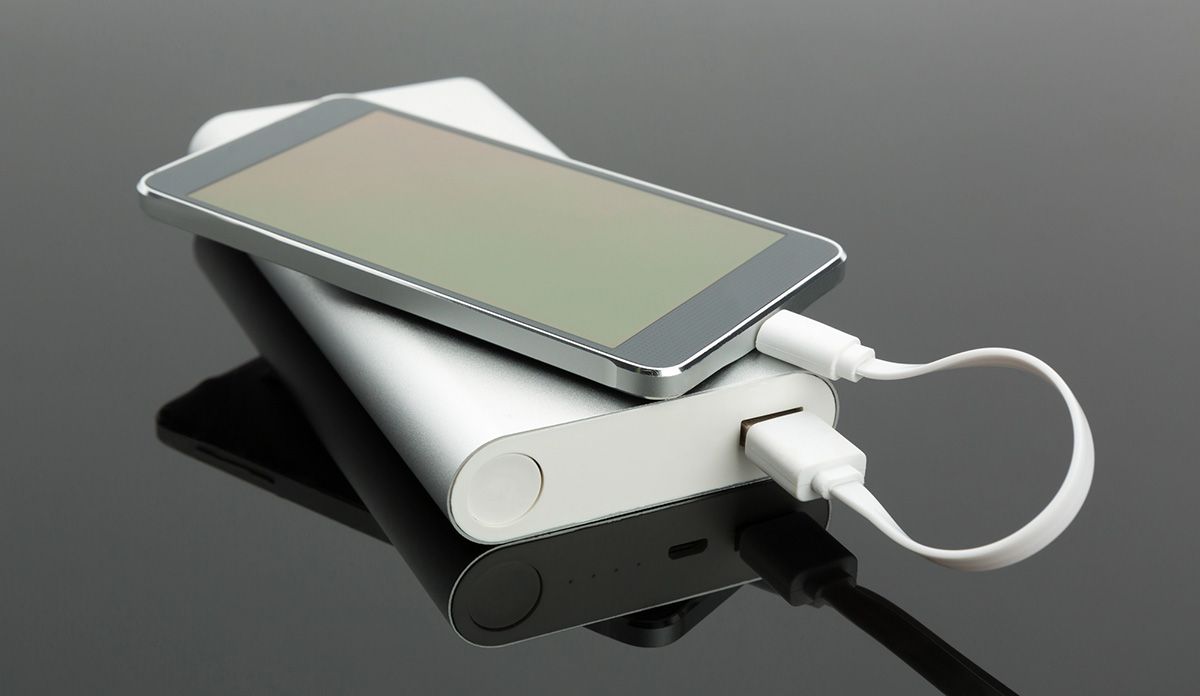
Charging cables for phones, tablets, and laptops are allowed in checked bags. USB cables, Lightning cables, and USB-C cables fall under this category. They do not contain batteries or dangerous materials. Pack them neatly to prevent damage during transit.
Audio And Video Cables
Audio and video cables like HDMI, AUX, and RCA cables can be included. These cables carry sound and image signals only. They have no electronic components that could cause issues. Keep them organized to avoid tangling and damage.
Specialty And Proprietary Cables
Some devices require unique cables, such as camera or gaming console connectors. These specialty cables are also allowed in checked luggage. Ensure they are clean and free of any prohibited items. Labeling them helps identify their purpose quickly.
Packing Tips For Cables
Packing cables in your checked luggage might seem straightforward, but without the right approach, you risk damage or frustration at your destination. Smart packing protects your cables and saves you time untangling them later. Let’s dive into some practical tips that make your travel experience smoother and your gear safer.
Organizing And Protecting Cables
Start by grouping your cables by type or purpose. Keeping charging cables, audio cables, and adapters separate helps you find what you need quickly.
Use small pouches or zip-lock bags to store each group. This simple step prevents cables from mixing and protects them from dirt and moisture.
If you have delicate or expensive cables, consider wrapping them with soft cloth or using cable organizers with padding. This extra layer can prevent scratches and bending.
Avoiding Damage And Tangling
Have you ever pulled out your luggage only to find a knotted mess of cables? It’s frustrating and can damage the wires inside.
Wrap each cable loosely in a figure-eight pattern instead of a tight coil. This reduces stress on the wires and keeps them from kinking.
Elastic bands or reusable cable ties work well to secure the cables without squeezing them too tightly. Avoid tape or anything sticky that can leave residue.
Place your wrapped cables in a hard-sided case or a dedicated compartment in your luggage. This shields them from heavy items and prevents crushing.

Risks Of Packing Cables In Checked Bags
Packing cables in your checked luggage might seem convenient, but it comes with its share of risks. These risks can lead to loss or damage, leaving you without essential gadgets at your destination. Understanding these dangers helps you make smarter packing choices.
Potential For Theft
Cables are small, valuable items that can easily attract unwanted attention. Checked bags pass through many hands, increasing the chance of theft. You might not notice missing cables until you reach your hotel or office, causing frustration and inconvenience.
Think about this: if you have expensive charging cables or adapters, losing them could mean extra costs or delays. Would you want to scramble to find replacements in an unfamiliar place? Sometimes, keeping cables in your carry-on reduces this risk significantly.
Damage From Handling
Checked bags often face rough treatment during loading and unloading. Cables packed loosely can get tangled, bent, or crushed under heavier items. This can cause internal wire damage, leading to malfunction or complete failure.
Imagine arriving and discovering your charging cable no longer works because it was bent in transit. Protecting cables with sturdy cases or wrapping them carefully can help, but even then, the risk remains. Wouldn't you prefer to keep your cables safe in your carry-on, where you control their handling?
Alternatives To Checked Luggage
Traveling with cables requires careful packing to avoid damage and loss. Alternatives to checked luggage offer safer ways to carry your essential cables. These options keep your electronics ready to use and protected throughout the trip.
Keeping Cables In Carry-on Bags
Carry-on bags provide easy access and better security for cables. You reduce the risk of cables getting lost or broken in checked bags. Keeping cables close lets you manage tangled wires quickly. It also helps if you need them during the flight or layovers.
Use small pouches or zippered compartments inside your carry-on to separate cables. Label each pouch for faster identification at security checks. This method keeps cables organized and prevents them from mixing with other items.
Using Travel Organizers
Travel organizers are perfect for storing multiple cables neatly. They often have elastic loops and pockets for different cable sizes. These organizers protect cables from bending or crushing during travel.
Choose a compact organizer with durable materials for long trips. Some organizers have clear panels to see contents without opening. This saves time and keeps cables tidy. Organizers also make packing and unpacking faster and stress-free.
Customs And International Travel
Traveling internationally requires careful attention to customs rules. This especially applies to electronic items like cables. Customs officers want to ensure no restricted goods cross borders. Following regulations helps avoid delays and fines. Knowing the rules about cables in checked luggage can save trouble at customs checkpoints.
Declaring Electronic Accessories
Some countries ask travelers to declare electronic items. This includes cables, chargers, and adapters. Declaring these items shows transparency and helps customs officers check them quickly. Not declaring may cause questions or inspections. Always check the customs form for sections about electronics. Keep receipts or proof of purchase handy. This proves the items are for personal use, not resale.
Country-specific Restrictions
Each country has its own rules about electronic accessories. Some may ban certain types of cables or chargers. Others limit the quantity a traveler can bring. Batteries inside cables might also have restrictions. Carrying many cables could look suspicious to officers. Research the destination country’s customs website before travel. This step avoids surprises and ensures smooth customs clearance.

Frequently Asked Questions
Can I Pack Electronic Cables In Checked Luggage?
Yes, you can pack electronic cables in checked luggage. Ensure they are neatly coiled to avoid damage. Avoid placing them near heavy or sharp objects to prevent wear or breakage during transit.
Are There Airline Restrictions On Cables In Checked Bags?
Most airlines allow cables in checked bags without restrictions. However, avoid carrying cables with lithium batteries or sensitive devices. Check with your airline for specific rules to ensure compliance and avoid delays.
Should I Carry Cables In Carry-on Or Checked Luggage?
It's safer to carry essential cables in your carry-on bag. This reduces the risk of loss or damage. For spare or less important cables, checked luggage is acceptable if properly packed.
Can Damaged Cables Cause Security Issues In Checked Luggage?
Damaged cables typically don’t cause security issues. However, loose wires might raise concerns during screening. Pack cables securely to avoid suspicion and ensure a smooth security check.
Conclusion
Cables can go in checked luggage, but pack them carefully. Avoid tangles by using cable ties or small pouches. Keep important or expensive cables in carry-on bags for safety. Check airline rules to avoid surprises at the airport. Proper packing helps protect your cables during travel.
This simple step saves time and stress. Now you know how to travel smart with your cables.