

Flying can be stressful, especially when you're trying to pack your carry-on. One question that might pop into your mind is, "Can I bring an aerosol can in my carry-on?"
You don't want to make a mistake that could hold up your travel plans. Understanding the rules about aerosols can save you time and frustration at the airport. Imagine cruising through security without a hitch, confidently knowing what's allowed in your bag.
By the end of this article, you'll have all the information you need to ensure your journey starts smoothly. Dive in to discover the dos and don’ts of packing aerosols for your next flight!
Carry-on Aerosol Rules
Carrying aerosol cans in your carry-on bag requires knowing the rules. Aerosols can be hazardous if not packed correctly. Airlines and security agencies set limits to keep everyone safe. Understanding these rules helps avoid delays and confiscations at security checkpoints.
Tsa Regulations
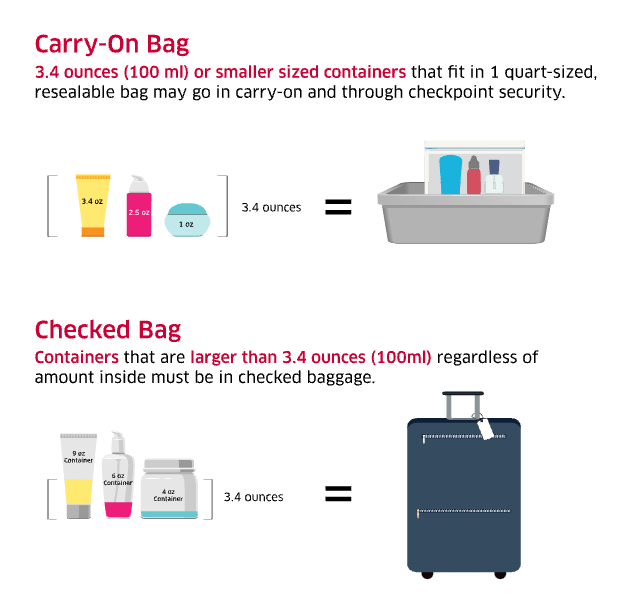
The TSA allows aerosols in carry-on bags but with strict limits. Each aerosol container must not exceed 3.4 ounces (100 milliliters). All containers must fit inside one clear, quart-sized bag. This bag must be separate from other belongings during screening. Aerosols that contain hazardous materials like spray paint or flammable gases are not allowed.
Check the label for ingredients and size before packing. Always follow TSA guidelines to ensure smooth security checks.
Allowed Vs Prohibited Aerosols
Not all aerosols can go in carry-on luggage. Allowed aerosols include:
- Deodorants
- Hair sprays
- Shaving creams
- Insect repellents
- Perfumes (small bottles)
Prohibited aerosols include:
- Spray paint
- Flammable sprays
- Gas cartridges
- Any aerosol with toxic or corrosive chemicals
Remember, aerosols must be for personal use only and fit size limits. Carrying prohibited aerosols can lead to confiscation or fines.
Size Limits For Aerosol Cans
Knowing the size limits for aerosol cans in your carry-on is essential to avoid last-minute hassles at the airport security checkpoint. Airlines and security agencies set strict rules to ensure safety while allowing you to bring necessary items. Understanding these limits helps you pack smartly and breeze through security without leaving your essentials behind.
Maximum Container Volume
Aerosol cans must typically not exceed 3.4 ounces (100 milliliters)when carried in your hand luggage. This size limit matches the general rule for liquids and gels in carry-ons. Even if your aerosol product is less than 3.4 ounces, it must fit comfortably in a clear, quart-sized bag along with your other liquids.
Have you ever tried to bring a larger spray deodorant or sunscreen, only to be told to toss it? That’s because larger aerosol containers are not allowed in carry-ons, regardless of how light they feel. Always check the volume marked on the can before packing.
Exceptions To Size Rules
Certain aerosols, like prescription inhalers or medically necessary sprays, are exempt from the 3.4-ounce limit. However, you’ll need to declare these items at security and provide supporting documentation if asked.
Similarly, some airlines allow limited quantities of duty-free aerosols purchased after security checkpoints. These must remain sealed in the tamper-evident bag provided at the time of purchase. Have you ever wondered why your duty-free perfume sprays are treated differently? It’s all about ensuring the security of the item post-screening.
Remember, aerosols containing flammable substances are generally prohibited in carry-ons regardless of size. If you’re unsure whether your aerosol product is allowed, check the airline’s official guidelines or contact security ahead of time to avoid surprises.
Types Of Aerosols Allowed
Not all aerosols are treated the same when you pack your carry-on. Knowing which types of aerosols are allowed can save you from last-minute hassles at airport security. Different categories have specific rules based on safety and usage, so it’s important to identify what you’re carrying.
Personal Care Products
Personal care aerosols like deodorants, hairsprays, and shaving creams are generally allowed in your carry-on bag. However, they must comply with the liquid volume limits—usually containers of 3.4 ounces (100 milliliters) or less.
Think about your morning routine—can you travel without your favorite deodorant? Many travelers manage to pack these essentials by choosing travel-sized versions. This keeps you fresh without risking security issues.
Medicinal Aerosols
Medicinal aerosols such as asthma inhalers and prescription sprays are usually permitted. Airlines and security agencies recognize their necessity, but it’s a good idea to carry a doctor’s note or prescription as proof.
Have you ever had to explain a medical aerosol at security? Being prepared with documentation can make the process smoother. Also, pack these items where they are easily accessible for security checks.
Household Aerosols
Household aerosols like air fresheners, cleaning sprays, or insect repellents often face stricter regulations. Many of these are either limited in quantity or banned due to flammability concerns.
Before packing, check if your aerosol spray is labeled as flammable or hazardous. If it is, consider alternatives like wipes or gels for your trip. This helps avoid surprises and keeps your travel stress-free.

Packing Aerosol Cans Safely
Packing aerosol cans safely requires careful attention to avoid leaks, damage, or security issues during your flight. These cans are pressurized, making them vulnerable to changes in air pressure and rough handling. Taking the right steps can keep your belongings intact and your travel stress-free.
Preventing Leaks And Damage
Leaks from aerosol cans can ruin your clothes and electronics. To prevent this, always check the can's valve for damage before packing. If the valve looks bent or loose, it's better to leave that can behind.
Place aerosol cans upright in your carry-on to reduce pressure on the valve. Wrapping them in soft clothing can add extra cushioning. Have you ever experienced a messy spill that could have been avoided with better packing?
Using Clear Plastic Bags
Security rules often require aerosols to be in clear, resealable plastic bags. This helps TSA officers easily inspect your items without delays. Use a bag that fits all your aerosols without squeezing them too tightly.
Clear bags also protect your clothes from potential leaks and keep your aerosols organized. Consider labeling the bag if you carry multiple cans to quickly identify what's inside. Wouldn't it be easier to access your items if they were neatly packed and visible?
International Flight Considerations
Traveling internationally with aerosol cans requires careful attention to rules. Different countries have unique laws about what you can carry in your hand luggage. These rules can affect your packing choices and what you can bring on board.
Knowing these international flight considerations helps avoid delays and confiscations. Always check the regulations of all countries involved in your trip. This includes the country you depart from, the country you enter, and any places where you have a layover.
Differences In Country Regulations
Each country has its own rules about aerosols on planes. Some allow small aerosol cans in carry-ons. Others ban aerosols completely or allow only specific types.
Rules can differ by the type of aerosol. For example:
- Personal care items like deodorant may be allowed.
- Spray paints or insecticides are often banned.
Check the airline and airport websites for the latest guidelines. Regulations can change without notice.
Connecting Flights And Transfers
Connecting flights add complexity to aerosol rules. Your bag is checked multiple times. Different airports may enforce different rules.
For example, an aerosol allowed in one country may be banned in the next. This can cause problems during security checks at transfer points.
To avoid issues:
- Confirm aerosol rules for all countries in your travel route.
- Pack aerosols only if allowed everywhere on your trip.
- Consider shipping prohibited items separately if needed.

Alternatives To Aerosol Cans
Aerosol cans often face restrictions in carry-on luggage due to safety rules. Finding alternatives helps travelers avoid hassles at airport security. Many products now come in forms that are easier to carry and allowed on planes. These options work well and keep your routine simple.
Solid And Cream Products
Solid and cream products are easy to pack and use. They do not contain pressurized gas, so they are usually allowed in carry-on bags. Examples include:
- Solid deodorants
- Bar shampoos
- Cream moisturizers
- Stick sunscreens
These options last long and avoid leaks or spills. They also save space and weight in your luggage.
Non-aerosol Sprays
Non-aerosol sprays use pump mechanisms instead of gas to release the product. These sprays are safer for air travel and allowed in most carry-ons. Common types include:
- Pump hair sprays
- Spray sunscreens
- Facial mists
- Room sprays
They provide a fine mist without the risks of an aerosol can. These sprays give good control and are easy to use on the go.
Tips For Smooth Security Checks
Passing through airport security can feel stressful, especially with aerosol cans in your carry on. Simple actions can make the process faster and smoother. Being prepared helps avoid delays and confusion. Below are practical tips to follow before and during security screening.
Declaring Aerosols
Always tell security officers about aerosols in your bag. Clear communication avoids misunderstandings. Place aerosols in a separate bin for easy inspection. Check airline rules about allowed aerosol types and sizes. Follow airport regulations strictly to prevent confiscation.
Handling Security Questions
Answer questions calmly and clearly. Keep explanations brief but honest. Show the can if asked. Be ready to explain the purpose of the aerosol. Cooperate fully to speed up the check. Avoid arguments or sudden movements to stay calm.

Frequently Asked Questions
Can I Carry Aerosol Cans On A Plane?
You can bring aerosol cans in your carry-on only if they meet TSA size and content rules. Small personal care aerosols under 3. 4 ounces are allowed. Large or flammable aerosols are prohibited for safety reasons.
Are There Restrictions On Aerosol Can Liquids?
Yes, aerosols must comply with the TSA liquid rule of 3. 4 ounces or less. They must fit in a single quart-sized bag with other liquids. This ensures safety and prevents spills during security screening.
What Types Of Aerosol Cans Are Banned On Planes?
Flammable aerosols like spray paint, insecticides, and certain deodorants are banned. Non-flammable personal care aerosols like hairspray or shaving cream under 3. 4 ounces are allowed. Check TSA guidelines for specific prohibited items.
How Should I Pack Aerosol Cans In Carry-on Luggage?
Place aerosols upright in a clear quart-sized bag with other liquids. Ensure the container is sealed and not damaged. Packing this way speeds up security checks and complies with TSA rules.
Conclusion
Carrying aerosol cans on a plane requires careful attention. Airlines and security have strict rules to keep everyone safe. Small cans for personal use are often allowed but must meet size limits. Large or flammable cans usually are not permitted in carry-ons.
Always check airline and TSA guidelines before packing. Packing smart helps avoid delays or lost items at security. Knowing the rules makes travel easier and stress-free. Stay safe and travel smart with the right information.