

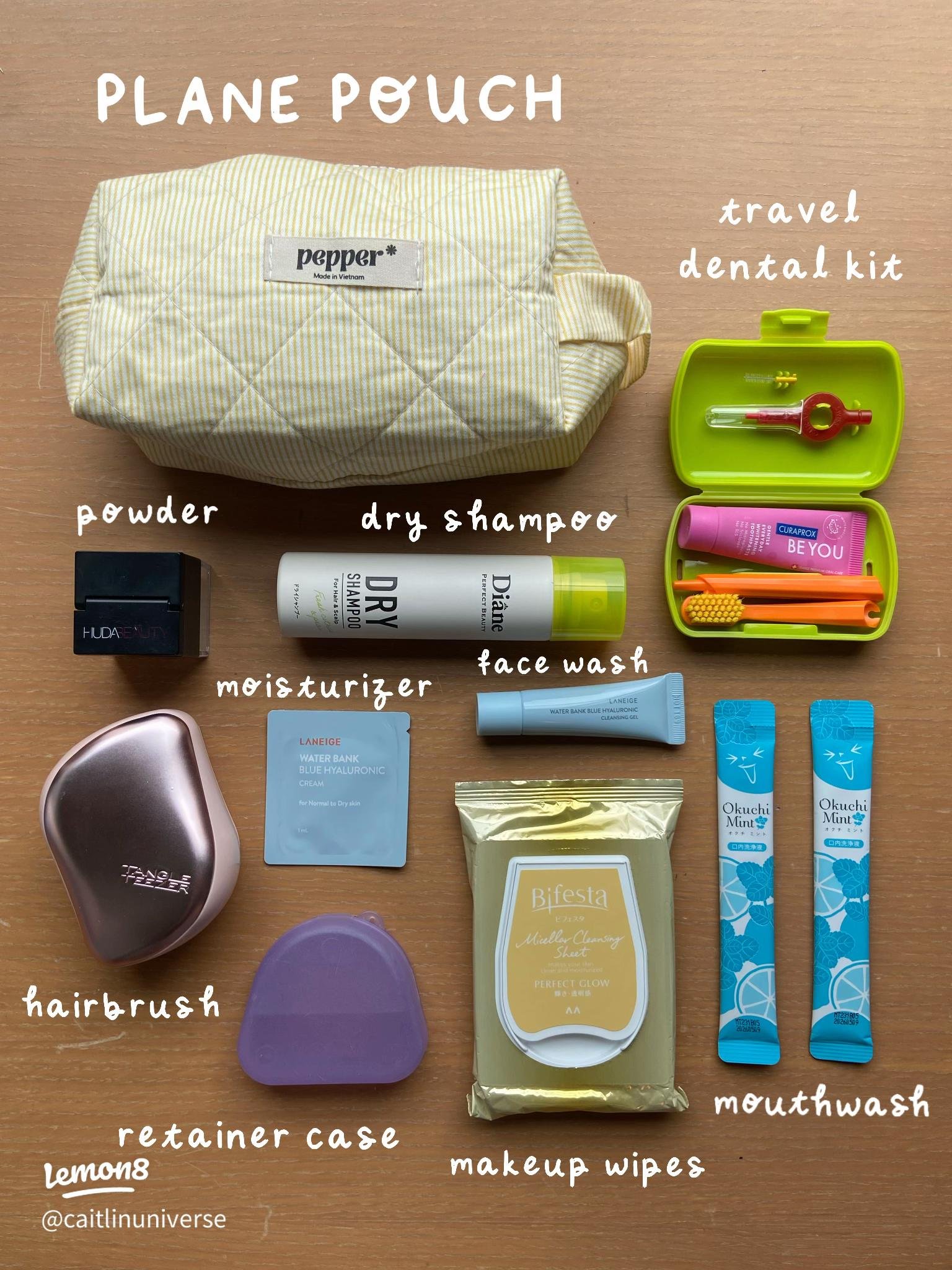
Traveling can be stressful, especially when it comes to packing your bags with all the essentials. But what happens when you want to bring your favorite dry shampoo in your carry-on?
You’re not alone in wondering about the rules. Many travelers have faced the same dilemma, trying to balance convenience with compliance to TSA regulations. Imagine being on a long flight and landing with your hair looking fresh and voluminous, without the hassle of washing.
Sounds appealing, right? We’ll explore whether dry shampoo can be your travel companion in the skies, providing clarity and peace of mind for your next trip. Don't miss out on these essential tips that could make your journey smoother and your packing easier.
Dry Shampoo And Carry-on Rules
Traveling with dry shampoo in your carry-on can be tricky if you don’t know the rules. Many travelers assume it’s just like any other toiletry, but dry shampoo often comes in aerosol cans or sprays, which are subject to specific regulations. Understanding these rules helps you avoid surprises at airport security and keeps your travel smooth.
Tsa Guidelines For Liquids And Sprays
The TSA treats dry shampoo as a liquid or spray product. This means it falls under the 3-1-1 rule for carry-on items. You can only bring containers that are 3.4 ounces (100 milliliters) or less, packed in a single, clear, quart-sized bag.
Remember, if your dry shampoo exceeds this size, it must go in checked luggage. Have you ever been stopped at security because your favorite travel product was too large? Knowing these limits beforehand saves time and stress.
Size Limits For Aerosols
Aerosol cans have even stricter limits due to safety concerns. The TSA allows aerosols in carry-on bags only if they are under 100 milliliters and labeled as non-flammable. Larger cans or flammable products are not allowed in the cabin.
When packing, check the label carefully. Some dry shampoos advertise as “travel size” but still exceed the limit. Carrying a smaller can or switching to a powder formula can be a practical workaround.
Allowed And Restricted Ingredients
Not all dry shampoos are created equal when it comes to ingredients. Some contain flammable substances or other chemicals that TSA may restrict. For example, aerosol sprays with high alcohol content or certain propellants might be prohibited.
Look for dry shampoos with safer, TSA-friendly ingredients if you want to bring them on board. Have you ever checked the ingredient list before packing? It can be the difference between smooth security screening and having to toss your product.
Packing Dry Shampoo Safely
Packing dry shampoo for your carry-on can be tricky, especially with airline rules and the risk of spills. Knowing how to pack it safely helps you avoid hassles at security checkpoints and keeps your bag clean. Let’s break down practical ways to bring your dry shampoo without worry.
Choosing The Right Container
Start by selecting a container that meets airline rules. Most airlines allow aerosol cans under 100 ml in carry-ons, but some restrict aerosols altogether. A small, travel-sized spray bottle or a solid powder form can be a great alternative.
Look for containers with a secure lid that won’t pop open during your trip. Clear containers also make security checks smoother and quicker. Have you ever had a can burst in your bag? Choosing the right container can save you from that mess.
Tips For Preventing Leaks
Even the best container can leak if not packed properly. Use a plastic zip-lock bag to hold your dry shampoo, creating an extra layer of protection. This way, even if the container leaks, your clothes and electronics stay safe.
Make sure to tightly close the cap and test it before packing. Wrapping the nozzle with tape adds another seal to prevent accidental sprays. Have you tried these simple steps before flying? They’re surprisingly effective at avoiding leaks.
Using Travel-friendly Alternatives
If aerosols make you nervous, consider travel-friendly alternatives like dry shampoo powders or wipes. These are usually allowed in carry-ons without restrictions and don’t risk leaking or spraying.
Solid dry shampoo bars are compact and mess-free, perfect for short trips. They also eliminate concerns about liquid limits and security rules. What’s your go-to travel hack for hair care products?
Alternatives To Dry Shampoo
Dry shampoo is a travel favorite, but sometimes it’s not allowed in your carry-on due to liquid restrictions. Luckily, there are effective alternatives that can keep your hair fresh without the hassle of sprays. These options offer great results and can be more convenient when flying.
Powdered Options
Powdered dry shampoos are a great carry-on friendly choice. They usually come in small containers or sachets, making them easy to pack and TSA compliant. These powders absorb oil and add volume just like spray dry shampoos.
You can find powders made from ingredients like rice starch, arrowroot, or cornstarch. They work well on most hair types and don’t leave a white residue if applied carefully. Have you tried sprinkling a little powder on your roots and massaging it in? It instantly refreshes your hair without the spray mess.
Diy Dry Shampoo Recipes
Making your own dry shampoo can be surprisingly simple and cost-effective. Mixing basic kitchen staples like cornstarch, cocoa powder (for darker hair), and a few drops of essential oils creates a personalized powder. This lets you control ingredients and avoid chemicals.
Just mix the powders in a small container and apply with a makeup brush or your fingers. This method is perfect if you want a quick fix and don’t want to carry commercial products. Why not experiment with different ratios to find what suits your hair best?
Other Hair Refreshing Methods
If powders aren’t your thing, there are other ways to freshen your hair on the go. Using a clean toothbrush or small brush to remove dirt and redistribute oils can improve appearance quickly. Adding a few spritzes of water and a light hair mist or leave-in conditioner can also revive limp hair.
Another idea is to use headbands or scarves to disguise oily roots while adding style. Sometimes, a simple change in hairstyle makes a bigger difference than any product. What’s your go-to trick when dry shampoo isn’t an option?

Handling Dry Shampoo During Security Checks
Handling dry shampoo during airport security checks can feel tricky. Airports have strict rules about liquids and aerosols in carry-on bags. Dry shampoo often comes in aerosol cans. These cans must follow the liquid rules to avoid delays or confiscation.
Knowing what to do before and during security checks helps smooth your travel experience. Preparing your carry-on bag properly and understanding what to expect at the security line reduces stress. You can also learn how to handle situations if your dry shampoo gets confiscated.
Preparing Your Carry-on Bag
Pack dry shampoo in a clear, resealable plastic bag. This bag should hold all liquids, gels, and aerosols. The total volume of these items must not exceed 100 ml (3.4 oz) per container. Make sure the dry shampoo can fits within this limit.
Place the plastic bag on top of your carry-on contents. This placement makes it easy to remove for inspection. Keep your carry-on organized to speed up the security process.
What To Expect At The Security Line
Security officers will ask you to remove the plastic bag from your carry-on. They scan it separately through the X-ray machine. Officers check the size and type of each container closely. They watch for aerosols exceeding the allowed limit.
Be ready to answer questions about your dry shampoo if asked. Stay calm and polite during the inspection. This attitude helps speed up the process.
Dealing With Confiscations
Confiscation can happen if your dry shampoo exceeds size limits or is not allowed. Officers will explain the reason for removal. You can ask about reclaiming it after your trip, but often it is not possible.
To avoid losing your product, buy travel-sized dry shampoo bottles. Alternatively, pack a non-aerosol powder or spray version. These options usually pass security checks more easily.
Travel Tips For Hair Care
Traveling can put a strain on your hair, especially when you’re constantly changing environments and routines. Keeping your hair healthy on the go isn’t just about packing the right products; it’s about understanding how to care for your hair in different situations. Let’s look at some practical tips that help you maintain your hair’s health, choose the best items to pack, and handle different climates effectively.
Maintaining Hair Health On The Go
Your hair needs care even when you’re away from home. Avoid washing your hair every day to prevent stripping natural oils, especially when water quality changes during travel.
Try using dry shampoo in your carry-on to refresh your hair without water. It’s lightweight and handy for busy days or long flights.
Don’t forget to hydrate your hair with leave-in conditioners or hair oils. These products protect your strands from dryness caused by airplane cabins or sun exposure.
Essential Hair Care Items To Pack
- Dry shampoo:Keeps your hair fresh without needing water.
- Travel-sized conditioner:Prevents dryness and tangles.
- Wide-tooth comb:Minimizes breakage when detangling.
- Hair ties and clips:Help manage hair quickly in any situation.
- Heat protectant spray:Essential if you plan to use styling tools.
Choosing travel-friendly sizes ensures you stay within airline regulations and keeps your bag light.
Managing Hair In Different Climates
Different climates can dramatically affect your hair’s texture and health. In humid areas, hair might frizz and lose shape, so using anti-frizz products can help you stay polished.
Dry climates can make your hair brittle. Regular moisturizing treatments or oils can restore softness and shine.
Cold weather often leads to static and scalp dryness. Wearing hats and using hydrating scalp sprays can protect your hair and skin.
Have you noticed how your hair reacts differently when you travel? Adjusting your care routine based on climate can make a significant difference.

Frequently Asked Questions
Can I Carry Dry Shampoo In My Carry-on Bag?
Yes, you can bring dry shampoo in your carry-on if it meets TSA rules. Aerosol dry shampoos must be 3. 4 ounces (100 ml) or less and fit in a quart-sized bag. Non-aerosol powders usually have no size limit but check airline policies.
Are Aerosol Dry Shampoos Allowed On Planes?
Aerosol dry shampoos are allowed if under 3. 4 ounces (100 ml). They must be in your quart-sized liquid bag and comply with TSA liquid rules. Larger aerosol cans are not permitted in carry-on luggage but may be packed in checked bags.
How Do I Pack Dry Shampoo For Air Travel?
Place dry shampoo in your quart-sized clear bag if it's aerosol and under 3. 4 ounces. For powder forms, pack securely to avoid spills. Always check airline and TSA guidelines before packing. Label the product clearly for easy security inspection.
What Happens If Dry Shampoo Exceeds Tsa Size Limits?
If dry shampoo is larger than 3. 4 ounces, TSA will not allow it in carry-on bags. You must either pack it in checked luggage or buy travel-sized versions. Non-compliance can lead to confiscation at security checkpoints.
Conclusion
Dry shampoo can be carried in your carry-on bag with some rules. Aerosol cans must be small and follow liquid limits. Always check airline and airport rules before packing. Pack it in a clear, resealable bag for easy screening. This helps avoid delays at security checkpoints.
Carrying dry shampoo keeps your hair fresh during travel. Stay safe and travel smart by following these tips. Your trip will be easier with the right packing choices.