

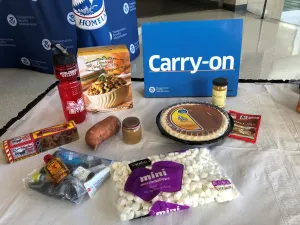
Are you planning a trip and wondering whether you can pack your favorite snacks or homemade treats in your checked luggage? This question might seem trivial, but it’s crucial to your travel experience.
Imagine arriving at your destination only to find your comfort foods missing or worse, confiscated. You deserve to travel with peace of mind, knowing what is allowed and what isn't. This article will guide you through the do's and don’ts of packing food in checked luggage, ensuring you can indulge in your favorite bites wherever you go.
Stay with us to discover how to make your journey smoother and your suitcase tastier.

Food Items Allowed In Checked Luggage
Wondering what food you can pack in your checked luggage? Knowing which items are allowed saves you from surprises at the airport. Airlines and customs have specific rules to ensure safety and prevent contamination, but many foods travel well in checked bags.
Dry And Packaged Foods
Dry foods like nuts, dried fruits, and cereals are perfect for checked luggage. They don’t spoil easily and are usually allowed without issues. Pack them in airtight containers or sealed bags to keep freshness and avoid spills.
Pre-packaged snacks such as granola bars, crackers, and chips also travel well. These items are convenient and meet airline guidelines since they’re non-perishable. Have you ever brought along your favorite trail mix to avoid overpriced airport snacks? It’s a smart move!
Fresh Fruits And Vegetables
Fresh fruits and vegetables can be tricky. Many countries restrict them to prevent pests and diseases from spreading. If you’re traveling domestically, packing fruits like apples or carrots is generally fine.
However, international travel often bans fresh produce. Check your destination’s rules before packing. Consider freezing or drying fruits beforehand to keep them safe and allowed in checked luggage.
Baked Goods And Snacks
Baked goods like bread, cookies, and muffins are great choices for your checked bag. They are sturdy and unlikely to get damaged during transit. Wrapping them tightly helps maintain freshness and prevents crumbs from making a mess.
Snacks such as popcorn or pretzels also make excellent travel companions. They are lightweight and don’t require refrigeration. Do you have a favorite homemade snack that’s perfect for long trips? Packing it in your checked luggage might just keep you energized and happy.
Restricted And Prohibited Foods
Airlines and customs have strict rules about food in checked luggage. Certain foods can spoil, leak, or cause health risks. These rules protect passengers and prevent contamination. Knowing which foods are restricted or banned helps avoid problems at the airport.
Perishable Items
Perishable foods spoil quickly without refrigeration. Fresh fruits, vegetables, and cooked meals fall into this group. Airlines usually forbid these items in checked bags. Spoiled food can create bad smells and attract pests. Always check airline policies before packing perishable items.
Liquids And Gels
Liquids and gels include sauces, soups, and drinks. These can leak or spill inside luggage. Most airlines limit the amount of liquids in carry-on bags but have fewer rules for checked bags. Still, large containers might raise security concerns. Pack liquids carefully to avoid damage.
Meats And Dairy Products
Meat and dairy often need refrigeration to stay safe. Many countries ban bringing these items across borders. They can carry diseases or pests harmful to local agriculture. Check the destination's rules before packing meats or dairy. Sealed, processed products may have fewer restrictions.
Packing Tips For Food In Checked Bags
Packing food in your checked luggage can be tricky, but with the right approach, you can keep your snacks fresh and mess-free throughout your trip. Knowing how to properly pack food ensures it arrives safely and without causing any inconvenience. Here are some practical tips to help you pack food in checked bags like a pro.
Proper Sealing And Wrapping
Sealing your food tightly is essential to prevent air and moisture from spoiling it. Use airtight containers or resealable plastic bags to keep your items fresh. Wrapping food in plastic wrap or aluminum foil adds an extra layer of protection against leaks and contamination.
Think about a time you packed homemade cookies but found crumbs everywhere when you opened your bag. Proper sealing could have saved you from that mess. Always double-check seals before packing and consider using vacuum-sealed bags for delicate or perishable foods.
Using Insulated Containers
If you’re carrying perishable items, insulated containers help maintain the temperature during transit. These containers are great for cheese, meats, or chocolate that can melt or spoil easily. Pair them with ice packs, but remember to check airline rules about cooling agents.
On one trip, I packed cheese in a simple plastic container without insulation, and it arrived ruined. After switching to an insulated bag with ice packs, the cheese stayed fresh and tasty. Investing in quality insulated containers can make a big difference in your food’s condition upon arrival.
Preventing Spills And Odors
Preventing spills starts with choosing leak-proof containers with secure lids. Place containers in a sealed plastic bag to catch any unexpected leaks. This also helps contain odors that might otherwise spread through your luggage.
Have you ever pulled out your suitcase to find a strange smell? Strong-smelling foods like garlic or cooked fish need extra care. Wrapping them tightly and using odor-proof bags can protect your clothes and belongings from unwanted scents.

Customs Regulations And Declarations
Traveling with food in checked luggage requires understanding customs rules. Each country has rules about what food you can bring. These rules protect local plants, animals, and people from diseases and pests.
Properly declaring food items at customs helps avoid delays and fines. Knowing the penalties for breaking these rules is important for a smooth trip.
Country-specific Rules
Every country has its own food import laws. Some allow packaged snacks but ban fresh fruits, vegetables, or meats. Others may permit certain dairy products but restrict others. Always check the destination country’s official customs website before packing food.
Declaring Food Items At Customs
Declare all food items honestly when you arrive. Use the customs declaration form or tell the officer in person. Failure to declare food can cause inspections, delays, or confiscation. Transparent declarations speed up your passage and prevent problems.
Penalties For Non-compliance
Ignoring customs rules can lead to serious consequences. Penalties include fines, confiscation of food, or even legal action. Some countries impose heavy fines for undeclared or prohibited items. Respecting these laws protects you and the environment.
Airline Policies On Food In Checked Luggage
Airline policies on food in checked luggage vary widely. Knowing these rules helps avoid surprises at the airport. Some foods are allowed, others are restricted or banned. Rules depend on the airline, destination, and type of food.
Checking With Your Airline
Always check your airline’s website before packing food. Policies differ by airline and country. Some airlines list allowed and prohibited food items clearly. Contact customer service for specific questions. Confirm rules about fresh fruits, meats, and liquids.
Weight And Size Considerations
Food adds weight to your luggage. Airlines charge fees for overweight bags. Pack food wisely to avoid extra costs. Use lightweight containers and avoid bulky packaging. Remember, liquids and gels may have separate rules.
Special Handling Requests
Certain foods may need special handling. Inform the airline if you carry fragile or perishable items. Some airlines offer refrigeration or extra protection options. Declare food items at check-in to prevent issues. Proper labeling helps smooth the process.
Alternatives To Carrying Food In Checked Bags
If you’re wondering about carrying food in checked luggage, you might want to explore some easier and safer alternatives. Checked bags often face rough handling and varying temperature conditions, which can spoil your food or cause leakage. Luckily, there are practical options that let you enjoy your meals without risking damage or travel delays.
Bringing Food In Carry-on Luggage
Carrying food in your carry-on gives you control over how your items are treated. You can pack snacks like nuts, granola bars, or sandwiches that don’t require refrigeration. Just remember to check airline restrictions on liquids and gels if you want to bring sauces or dips.
Have you ever reached your destination only to find your favorite treats ruined by baggage handlers? Keeping food in your carry-on prevents that hassle and ensures freshness when you arrive.
Purchasing Food At Your Destination
Buying food once you land can save you a lot of trouble. Local grocery stores and markets offer fresh options and regional specialties you might not find at home. This also frees up space in your luggage and reduces the risk of customs issues with prohibited items.
Think about it: instead of lugging around heavy packed meals, you get to enjoy something new and fresh. Plus, it’s a great way to immerse yourself in local culture through cuisine.
Using Shipping Services
If you must bring specialty food items, consider shipping them ahead to your destination. Reliable courier services can handle delicate packages with care and speed. This method avoids airline baggage restrictions and gives you peace of mind that your food arrives intact.
Have you tried sending gifts or packages when traveling? Shipping food can be just as convenient and might even save you money compared to airline fees or last-minute store purchases.

Frequently Asked Questions
Can I Pack Homemade Food In Checked Luggage?
Yes, you can pack homemade food in checked luggage. Ensure it is well-sealed and stored in airtight containers. Avoid liquids exceeding airline limits. Check destination regulations for any restrictions on specific food items before traveling.
Are There Restrictions On Bringing Fresh Fruits In Checked Bags?
Many countries restrict fresh fruits in checked luggage to prevent pests. Always check your destination’s agricultural rules. Pack only allowed fruits or consider dried or packaged alternatives. Declare any food items during customs inspection to avoid fines or confiscation.
Is It Safe To Transport Meat Products In Checked Luggage?
Transporting meat in checked luggage is allowed but risky. Use vacuum-sealed packaging and keep it frozen if possible. Some countries ban meat imports, so verify regulations beforehand. Always declare meat products at customs to prevent legal issues.
Can I Bring Snacks With Liquids In Checked Baggage?
Snacks with liquids, like sauces or dips, are allowed in checked baggage. Ensure containers are sealed and under airline liquid limits. Pack them securely to avoid spills. For carry-on, liquids must be under 100ml and follow TSA rules.
Conclusion
Bringing food in checked luggage is possible but needs care. Always check airline and country rules before packing. Some foods may be banned or cause issues. Pack items well to avoid spills or damage. Choose non-perishable foods for safer travel.
Knowing the rules saves time and stress at the airport. Think about freshness and strong smells too. Careful planning helps enjoy your trip and food. Safe travels with your favorite snacks!