

Traveling can be a whirlwind of excitement and stress, especially when it comes to packing. If you're someone who likes to bring a taste of home on your adventures, you might be wondering, "Can I bring frozen food in my carry on?"
You're not alone. Many travelers face this dilemma, wanting to savor their favorite meals or ensure dietary needs are met while on the go. Understanding what you can and cannot bring through airport security is crucial for a smooth journey.
This guide will unravel the mystery and help you navigate the rules, so you can travel with peace of mind and a well-stocked bag. Curious to know if your frozen favorites can make the flight with you? Keep reading to find out!
Carry-on Food Rules
Knowing the rules for carrying food onboard helps avoid delays and confiscations. Each airline and security agency sets rules to keep flights safe and smooth. Frozen food often raises questions because of liquids and temperature controls. Understanding the basics of carry-on food rules makes packing easier and stress-free.
Tsa Regulations
The Transportation Security Administration (TSA) controls carry-on food rules in the United States. Frozen food is allowed but must follow strict guidelines. The food should be completely frozen when going through security. Partially melted or liquid items must meet the 3-1-1 liquids rule.
- Frozen meals and ice packs are allowed if solid.
- Ice or gel packs must be frozen solid at screening.
- Liquids like soups or sauces need to be in containers of 3.4 ounces or less.
- Declare any food items that may need extra inspection.
Pack frozen food in sealed containers or freezer bags to prevent leaks. TSA officers may open bags to check the contents. Always check the latest TSA guidelines before travel.
International Airline Policies
International airlines have different rules for carrying frozen food. Many countries limit bringing food across borders due to customs and health laws. Frozen food may be allowed, but restrictions depend on the destination country.
- Check airline policies before packing frozen food.
- Some airlines require food to be declared on arrival forms.
- Food items of animal origin may be banned or need special permits.
- Customs officers may inspect or confiscate food at arrival.
Always research both airline and destination country rules. Carry documentation if needed for special food items. Pack food to avoid spills and keep it frozen as long as possible.
Frozen Food Types Allowed
Carrying frozen food in your carry-on bag is possible under certain conditions. Understanding which types of frozen food are allowed helps avoid delays at airport security. The rules vary depending on the state of the frozen item.
Solid Frozen Items
Solid frozen foods are easier to carry in a carry-on. These include:
- Ice cream bars
- Frozen fruits and vegetables
- Pre-packed frozen meals
- Frozen meat or fish that remains completely solid
These items usually pass security checks without problems. The key is that they must stay fully frozen and solid. Any melting may cause them to be treated as liquids.
Partially Thawed Foods
Partially thawed frozen foods may face restrictions. If the item shows liquid or slushy parts, it might be considered a liquid.
- Partially melted ice cream
- Thawed frozen meat or seafood
- Soft or mushy frozen fruits
These could be subject to the 3-1-1 liquid rule. Containers must be 3.4 ounces (100 milliliters) or less and fit in one quart-sized bag. Carrying large quantities of thawed food could lead to confiscation.
Packaging Tips For Frozen Food
Keeping your frozen food cold and intact during travel can be tricky. Proper packaging is key to ensure your food stays frozen and fresh until you reach your destination. The right materials and techniques can make a big difference in how well your frozen items hold up in your carry-on.
Insulated Containers
Insulated containers are designed to keep cold temperatures inside for longer periods. Using a good-quality insulated bag or cooler can protect your frozen food from outside heat. Look for containers with thick walls and secure closures to prevent warm air from sneaking in.
One time, I packed frozen berries in a soft insulated cooler for a short flight. They arrived still mostly frozen, which was a relief. This shows how even simple insulated bags can work well if packed correctly.
Ice Packs And Gel Packs
Ice packs and gel packs are essential for maintaining cold temperatures. Unlike regular ice, these packs don’t melt into liquid, reducing the risk of leaks in your carry-on. Choose packs that are fully frozen before packing to maximize their cooling power.
Think about layering your frozen food around the ice packs so the cold stays evenly distributed. Do you have extra space? Add an extra pack to extend the cold time. Remember, TSA allows frozen gel packs as long as they are fully frozen at the time of screening.

Security Screening Process
Carrying frozen food through airport security requires understanding the screening process. Security officers inspect items closely to ensure safety. Knowing what happens at the checkpoint helps reduce stress. It also speeds up the process for everyone.
What To Expect At Checkpoint
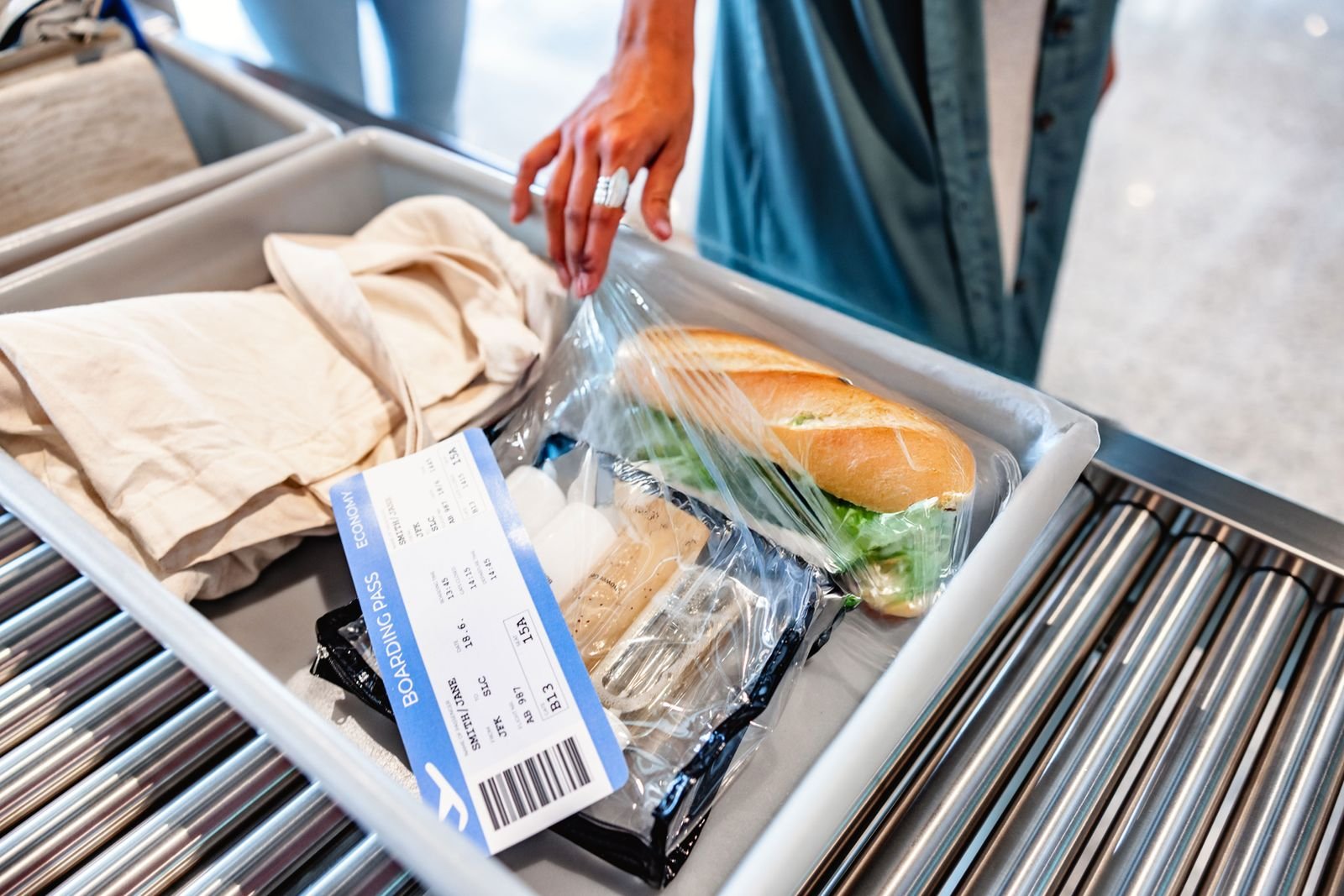
Frozen food must go through the X-ray machine. Officers check for liquids and gels inside the food. Sometimes, they may ask to open the package. This helps them inspect the contents clearly. If the frozen food is large, it might need extra screening.
Security may ask questions about the food. They want to make sure it is safe to bring on board. Keep your frozen food easily accessible in your bag. This makes the inspection quicker and smoother.
Tips To Speed Up Screening
- Place frozen food in a clear, separate bag.
- Keep the food close to the top of your carry-on.
- Be ready to remove the food for inspection.
- Inform the officer about the frozen food before scanning.
- Avoid packing large amounts of liquids with the frozen food.
- Use containers that show the contents clearly.
Following these tips helps you pass through security faster. It also prevents delays for other travelers. Preparing your frozen food properly makes the journey easier.
Customs And Import Restrictions
Customs and import restrictions play a major role in what you can carry onboard. These rules ensure safety, protect local agriculture, and control diseases. Frozen food often falls under strict regulations. Understanding these helps avoid fines or confiscation at the airport.
Each country has its own laws about bringing food items. Some allow certain frozen foods, while others ban them completely. Always check the specific rules of your destination before packing frozen goods.
Country-specific Rules
Every country sets unique rules for frozen food import. Some countries require declarations for all food items. Others might need permits or special packaging. Certain frozen products like meats, seafood, or dairy can be restricted or banned.
For example:
- Australia and New Zealand have very strict controls on animal products.
- European Union countries may require health certificates for frozen meat.
- The United States allows some frozen foods but bans others to prevent pests.
Checking the official customs website of your destination provides the latest updates. Failure to comply can lead to your frozen food being confiscated or penalties imposed.
Prohibited Items List
Each country keeps a list of prohibited food items. Frozen foods often appear on these lists due to health risks. Common prohibited items include:
- Uncooked meats and poultry
- Fresh or frozen fruits and vegetables
- Dairy products from unknown sources
- Seafood without proper certification
- Homemade or unprocessed frozen meals
Bringing any of these can cause delays and legal issues. Always review the prohibited items before traveling. This helps ensure your frozen food arrives safely and legally.
Alternatives To Carrying Frozen Food
Carrying frozen food in your carry-on can be tricky due to airline and security restrictions. But what if you still want to enjoy your favorite frozen treats or ingredients without the hassle? There are practical alternatives that can save you time and keep your food fresh without risking confiscation at the airport.
Buying Food At Destination
Instead of bringing frozen items with you, consider buying fresh or frozen food after you arrive. Many destinations have local markets, supermarkets, or specialty stores where you can find what you need. This approach not only guarantees freshness but also gives you a chance to explore local flavors.
Have you thought about how easy it is to pick up frozen goods at your hotel or nearby grocery store? You can even ask the hotel staff for recommendations on where to shop for specific items. This method saves you from carrying bulky coolers or worrying about ice packs melting during your flight.
Shipping Frozen Goods
If you have a special frozen item that you can’t live without, shipping it might be a better choice. Many companies specialize in shipping perishable items with dry ice or gel packs to keep the products frozen during transit.
Have you checked if your destination allows shipments of frozen food? Research the regulations and choose a reliable shipping service that offers tracking and temperature control. This way, your frozen goods arrive safely and you avoid airport security headaches.
Common Travel Scenarios
Traveling with frozen food can be tricky. Rules differ based on travel type and destination. Knowing what to expect helps avoid delays or problems at security. Below are common travel scenarios that explain what happens with frozen food on flights.
Domestic Flights
Most domestic flights allow frozen food in carry-on bags. The food must be solidly frozen when screened. Partially melted or slushy items may not be accepted. Frozen food should be packed to prevent leaks. Airlines often require frozen items to fit size and weight limits.
- Frozen fruits and vegetables usually pass security without issues.
- Ice cream and frozen desserts must be fully frozen.
- Frozen meat or fish should be sealed to avoid odors and spills.
Check with the airline for any specific rules. Security officers have the final say. Packing frozen food in insulated bags with ice packs helps keep it solid. Avoid bringing liquid items over 3.4 ounces, as they can be restricted.
International Flights
International flights have stricter rules for frozen food. Customs regulations vary by country. Some countries prohibit certain food items to prevent pests or diseases. Declare all frozen food at customs to avoid fines or confiscation.
- Many countries restrict meat, dairy, and fresh produce imports.
- Frozen food must be clearly labeled and packed safely.
- Check the destination country’s rules before traveling.
Security may inspect frozen food more closely on international flights. Ice packs or gel packs must follow liquid rules. Pack frozen food in a way that shows it is solid. Always carry documentation if the food is for special dietary needs or medical reasons.
Health And Safety Tips
Bringing frozen food in your carry-on requires care to keep it safe and fresh. Following health and safety tips helps prevent illness and keeps food tasty. Pay attention to how you pack and store frozen items during travel. Proper handling ensures your food stays safe to eat.
Preventing Foodborne Illness
Keep frozen food sealed and clean to avoid contamination. Use airtight containers or freezer bags to protect food from germs. Wash your hands before packing and after handling food. Avoid thawing frozen items too early to reduce bacteria growth. Always check food for any signs of spoilage before eating.
Maintaining Food Temperature
Keep frozen food cold with ice packs or insulated bags. Use coolers or thermal bags to keep the right temperature during travel. Avoid opening the bag often to maintain cold conditions. Pack frozen items last to reduce thawing time. Consume frozen food soon after arrival for best safety and taste.

Frequently Asked Questions
Can I Carry Frozen Food On A Plane?
Yes, you can bring frozen food in your carry-on. Make sure it is frozen solid when passing through security to avoid issues.
Are Frozen Foods Allowed Through Airport Security?
Frozen foods are allowed if they remain frozen at security screening. If partially melted, they may be subject to additional checks or confiscation.
How To Pack Frozen Food For Carry-on Luggage?
Pack frozen food in insulated containers or coolers with ice packs. This helps keep the food frozen and compliant with TSA rules.
Can I Bring Frozen Meat In My Carry-on?
You can carry frozen meat if it is completely frozen. Check airline and destination regulations to avoid restrictions or quarantine.
Conclusion
Bringing frozen food in your carry-on can be simple. Follow airline rules carefully to avoid problems. Keep frozen items well packed and secure. Remember, liquids and gels have limits. Declare your food at security if needed. Plan ahead to save time at the airport.
Enjoy your trip without food worries. Safe travels and happy eating!