

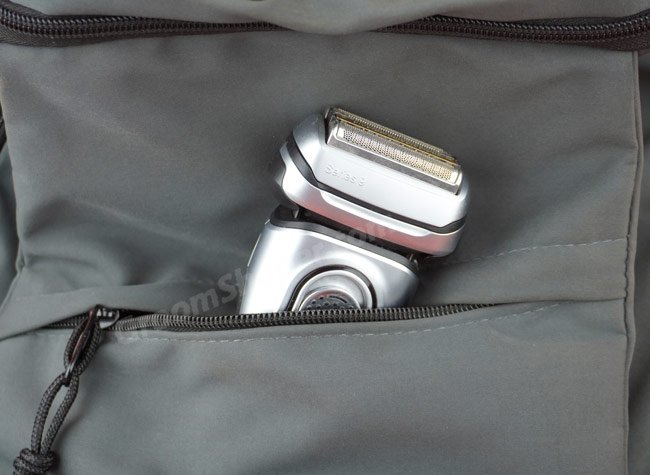
Are you planning your next trip and wondering if you can carry your electric razor in your hand luggage? You're not alone.
Many travelers find themselves puzzled by airline regulations, especially when it comes to packing personal items. The last thing you want is to be stopped at security, holding up the line, and possibly having to part with your beloved grooming tool.
This guide is here to put your mind at ease. By the time you're done reading, you'll be equipped with all the information you need to breeze through airport security with your electric razor safely tucked in your carry-on. Curious to learn more and avoid any travel hiccups? Keep reading to discover everything you need to know.

Carry-on Rules For Electric Razors
Carrying an electric razor in your hand luggage is usually allowed, but there are specific rules you need to follow. Understanding these rules can save you time and avoid hassle during airport security checks. Let’s look at what you should know about carrying your electric razor safely and legally.
Airline Regulations
Most airlines permit electric razors in carry-on bags without any issues. However, some low-cost or international carriers might have stricter rules. It’s a good idea to check your airline’s website before packing to avoid surprises at the gate.
Remember, electric razors powered by lithium batteries often fall under special guidelines. Airlines may require these batteries to be carried in your hand luggage rather than checked baggage for safety reasons. Have you checked your razor’s battery type recently?
Security Checkpoints
At security checkpoints, electric razors generally do not need to be removed from your bag. Still, be prepared to take it out if asked by security officers. This helps speed up the scanning process and avoids unnecessary delays.
Security agents mainly focus on sharp objects or items that could be used as weapons. Since electric razors are designed for grooming, they are almost always allowed, but a clear understanding of your razor’s design helps. Have you ever been stopped for an electric razor before?
International Variations
Rules for electric razors can differ depending on the country you’re flying from or to. Some countries have stricter security measures, especially for electronic devices and batteries. It’s wise to research the regulations of your destination and any connecting airports.
For example, flying from the US to Europe might have different carry-on policies compared to flying within Asia. This variation means you should never assume one country’s rules apply universally. How do you usually prepare for these international differences when traveling?

Types Of Electric Razors Allowed
Knowing the types of electric razors allowed in hand luggage helps avoid surprises at airport security. Different models have different rules based on power sources and design. Understanding these types ensures smooth travel with your grooming essentials.
Cordless Razors
Cordless electric razors are popular for travel. They operate without a power cord during use. These razors usually have a built-in battery. Most airlines allow cordless razors in hand luggage. They pose no risk since they don't have loose wires or blades exposed.
Rechargeable Models
Rechargeable electric razors store power in internal batteries. These batteries can be lithium-ion or nickel-metal hydride. Such razors are safe in hand luggage if fully charged and switched off. Carrying the charger separately in your bag is recommended. This keeps everything organized and ready for use after landing.
Battery Restrictions
Battery type and size affect whether an electric razor is allowed. Airlines restrict lithium batteries above a certain watt-hour (Wh) rating. Most small rechargeable razors fall below this limit. Spare batteries must be carried in carry-on luggage only. Check airline rules for battery quantity and packaging guidelines.
Packing Tips For Electric Razors
Carrying an electric razor in your hand luggage can be simple if you pack it right. Proper packing not only protects your razor but also keeps it safe from damage during travel. Let's dive into practical tips to ensure your razor arrives in perfect shape and ready to use.
Safe Storage
Keep your electric razor in a hard case or a dedicated pouch. This prevents it from moving around and getting scratched by other items. If your razor came with a protective cover, always use it to shield the blades and internal parts.
Consider packing your razor separately from liquids and chargers. This avoids accidental spills and makes security checks smoother. Have you ever had your razor tangled with cords in your bag? A small pouch can solve that problem easily.
Protecting Blades
Blades are the most delicate part of your razor. Cover them with the original guard or a blade protector to avoid nicks and dulling. If you don’t have one, wrap the blade area with a soft cloth or a piece of bubble wrap.
Cleaning your razor before packing helps reduce the risk of rust or residue buildup. A clean blade performs better and lasts longer, so don’t skip this simple step. How often do you clean your razor before trips?
Avoiding Damage
Place your razor in the middle of your luggage, surrounded by soft items like clothes. This creates a buffer against shocks or drops. Avoid stuffing it into tight corners where pressure can bend or break parts.
Keep the razor turned off and unplugged to prevent accidental activation. Double-check that any detachable parts are secured or packed separately. Have you ever opened your bag to find your razor broken? Careful packing can help you avoid that frustrating moment.

Alternatives When Electric Razors Are Restricted
Electric razors may sometimes face restrictions in hand luggage due to battery rules. Travelers need simple alternatives for grooming during flights or airport checks. These options provide convenience, safety, and compliance with airline policies.
Disposable Razors
Disposable razors are a great choice for travel. They are lightweight and easy to pack. Since they are single-use, there is no need to worry about batteries or sharp blades in carry-on bags. Many airports allow disposable razors in hand luggage without issues. They offer a quick and practical way to stay groomed while on the go.
Manual Razors
Manual razors use replaceable blades and do not need power. Most airlines allow manual razors if the blade is removed or safely covered. They provide a close shave and can be reused multiple times. Carrying a manual razor in hand luggage requires a blade guard or storing blades separately. This option suits travelers who prefer a traditional shaving method.
Travel-sized Grooming Kits
Travel-sized grooming kits often include compact razors and other tools. These kits are designed to meet airline regulations and fit easily in hand luggage. They usually contain smaller blades or safe alternatives to electric razors. Many kits combine razors, scissors, and combs for complete grooming. They offer a neat, all-in-one solution for travelers.
Common Mistakes To Avoid
Carrying an electric razor in your hand luggage might seem straightforward, but small mistakes can cause big headaches at airport security. Avoiding these common errors can save you time, stress, and even having your razor confiscated. Let’s look at what you should watch out for to keep your grooming gear safe and sound during your flight.
Leaving Batteries Installed
Many travelers leave their electric razor batteries installed, assuming it’s harmless. However, some airlines and security rules prefer batteries to be removed to prevent accidental activation. It’s a simple step that can avoid delays or questions at the checkpoint.
If your razor uses removable batteries, take them out and pack them separately. This also reduces the risk of short circuits or damage. Have you ever been stopped for a device that was accidentally powered on? Removing batteries is an easy fix to prevent that scenario.
Ignoring Airline Policies
Not all airlines treat electric razors the same way. Some have strict rules on battery types or device power limits in hand luggage. Checking your airline’s specific policies before packing can help you avoid surprises at the gate.
For instance, lithium-ion batteries often face tighter restrictions. If you skip this step, you might find your razor delayed or even banned from the flight. When was the last time you checked the airline's website for baggage rules? Doing it now can save you from last-minute stress.
Poor Packaging
Throwing your razor loosely into your bag might seem convenient, but it can cause damage or trigger security alarms. Proper packaging protects your razor and makes the security process smoother.
Use a hard case or wrap your razor in a padded pouch. This prevents accidental switching on and keeps blades safe from bending. Have you noticed how a little care in packing can make your travel experience much smoother?
Faqs About Electric Razors In Hand Luggage
Electric razors are popular travel companions for many. Carrying them in hand luggage raises common questions. This section answers frequent queries about electric razors in carry-on bags. Understanding these rules helps avoid airport hassles and keeps your grooming routine smooth.
Can I Carry Spare Batteries?
Spare batteries usually can be carried in hand luggage. Airlines and security often allow them but with limits. Common rules include:
- Batteries must be for personal use only.
- Each battery should be individually protected to prevent short circuits.
- There is often a limit on the number and type of batteries allowed.
Check airline policies for specific battery types and quantities allowed.
What If My Razor Is Plugged In?
Electric razors plugged into the charger can be carried in hand luggage. Ensure the charger meets airline safety standards. The razor must be turned off and disconnected from power before security checks. Carry cables neatly to avoid damage or entanglement.
Are Wet/dry Razors Treated Differently?
Airlines and security usually do not treat wet and dry razors differently. Both types are allowed in hand luggage. Wet razors must comply with liquid restrictions if carrying gels or creams. Dry razors are simpler as they do not require liquids or gels.
Frequently Asked Questions
Can I Take An Electric Razor In My Carry-on Bag?
Yes, you can carry an electric razor in your hand luggage. Most airlines and security agencies allow electric razors in carry-on bags without restrictions. Ensure the razor is clean and switched off during security checks.
Are There Restrictions On Electric Razors In Hand Luggage?
Generally, electric razors are allowed in hand luggage with no major restrictions. However, airlines may have specific rules, so check their policies before flying. Avoid carrying razors with exposed blades or sharp attachments.
Do I Need To Remove Batteries From My Electric Razor?
It is recommended to keep batteries installed in the electric razor. Most airlines permit battery-powered devices in carry-on bags. Remove batteries only if the airline or security personnel request it during screening.
Can I Carry An Electric Razor With A Charging Cable Onboard?
Yes, carrying an electric razor along with its charging cable in hand luggage is allowed. Keep all electronic accessories organized for a smooth security process. Ensure the charger complies with airline regulations.
Conclusion
Carrying an electric razor in hand luggage is usually allowed. Make sure the razor is clean and the battery is safe. Check your airline’s rules before packing. Keep the razor in a clear bag for security checks. This helps avoid delays at the airport.
Always follow the latest guidelines to stay safe. Travel smart and enjoy your trip without worries.