

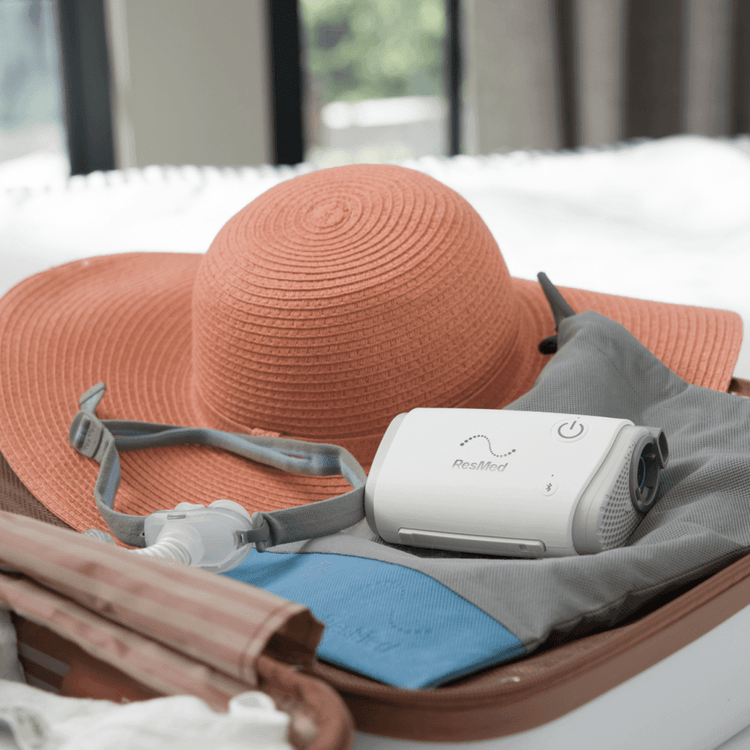
Traveling with a CPAP machine might seem daunting at first, especially when you're unsure about the rules for carrying it on a plane. You want to ensure that your journey is smooth and stress-free, without the hassle of unexpected airport surprises.
Imagine the relief of gliding through security with ease, knowing your CPAP machine is safely by your side. You'll uncover essential tips and insights that will empower you to travel confidently with your CPAP machine. By the end, you'll not only be informed but ready to take on your next adventure with peace of mind.
Let's dive into how you can make this happen!
Cpap Machines And Air Travel
Traveling with a CPAP machine can feel daunting, but it doesn’t have to be. Understanding how CPAP machines fit into air travel rules helps you stay prepared and confident. Let’s look at what you need to know about carrying your CPAP device on flights.
Why Carry A Cpap Machine?
Your CPAP machine is essential for managing sleep apnea and ensuring restful sleep. Skipping your therapy even for a night can lead to poor sleep quality and health risks.
Bringing your CPAP on the plane lets you maintain your treatment routine. It can make long flights more comfortable, helping you arrive at your destination well-rested and alert.
Airline Policies On Medical Devices
Most airlines allow CPAP machines as carry-on items, but rules vary. Some require you to notify them before your flight or provide a doctor’s note.
Check with your airline about battery use and device size limits. Knowing these details prevents surprises at the airport security checkpoint.
- Carry documentation explaining your CPAP is a medical device.
- Confirm if the airline offers power outlets on the plane.
- Understand the TSA screening process for CPAP machines.
Pre-flight Preparations
Preparing your CPAP machine before travel reduces stress. Clean the device and pack all necessary parts in a dedicated, easy-to-access bag.
Test your CPAP’s battery life if you plan to use it without power during the flight. Some travelers invest in a backup battery for peace of mind.
Ask yourself: Have you checked the airline’s rules and packed your machine in carry-on luggage? These steps make your journey smoother and safer.

Packing Your Cpap Machine
Packing your CPAP machine for travel requires more than just tossing it into your bag. It demands careful thought about protection, convenience, and ensuring you have everything needed for a smooth experience. How you pack can make the difference between a stressful trip and a restful one.
Choosing The Right Carry Case
Pick a carry case designed specifically for CPAP machines. These cases offer compartments that keep your device, mask, and accessories organized. A well-fitted case prevents your equipment from shifting and getting damaged.
Look for features like padded walls, water resistance, and sturdy zippers. Some cases even have extra pockets for accessories, which helps keep everything in one place. Think about the size too—will it fit in your carry-on or backpack without hassle?
Protecting Your Equipment
Your CPAP machine is delicate, so protection is a priority. Use foam inserts or padded sleeves inside the carry case to cushion against bumps. Avoid placing heavy items on top of your CPAP bag during transit.
Consider wrapping the power cord separately to prevent tangling or damage. Also, keep the mask and tubing in separate compartments to avoid crushing or bending. These small steps can save you from costly repairs or replacements.
Essential Accessories To Include
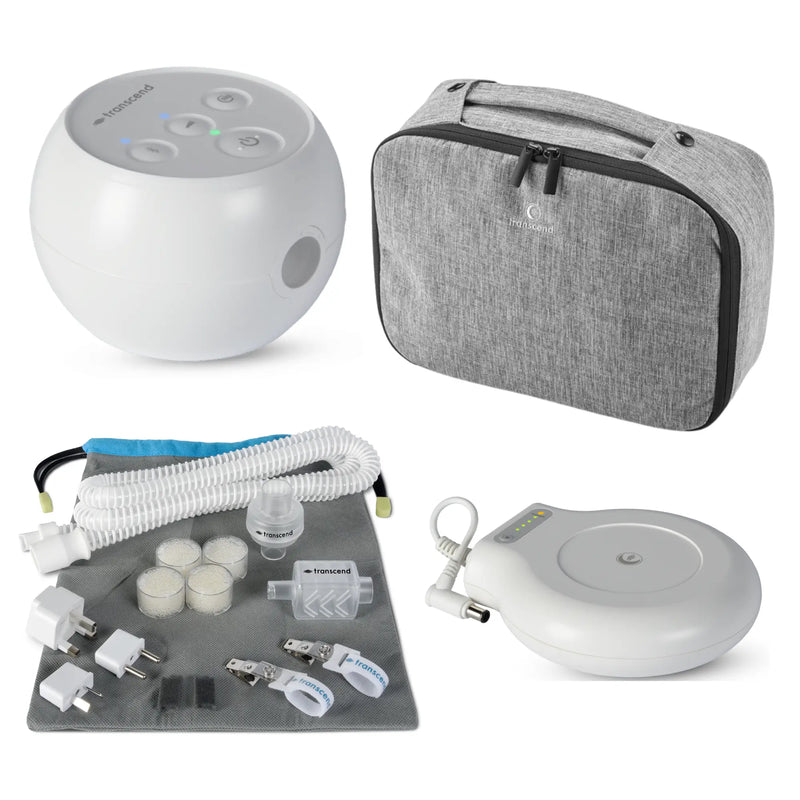
Don’t forget to pack items that ensure your CPAP therapy continues uninterrupted. Include your power adapter, extra filters, a water chamber if your machine uses humidification, and a travel-sized mask cleaner.
Bringing a backup battery or portable power source can be a lifesaver, especially if you’re flying or camping. Have you ever found yourself stuck without power for your CPAP? Preparing these accessories ahead of time can prevent that scenario.
Security Checkpoint Tips
Traveling with your CPAP machine can feel stressful, especially when facing airport security. Knowing how to navigate the checkpoint smoothly helps you avoid delays and keeps your device safe. Let’s dive into some practical tips that make this part of your journey easier and less worrisome.
Tsa Guidelines For Cpap Machines
The TSA allows CPAP machines in both carry-on and checked luggage, but carrying it on is highly recommended. This keeps your device close and reduces the risk of damage or loss. You should inform the TSA officer about your CPAP before screening begins; this helps them handle the device properly.
CPAP machines are usually screened separately from your other belongings. You can request a manual inspection if you prefer to avoid the X-ray scanner. Remember, the TSA website offers the latest updates, so check there before you fly.
How To Handle Security Screening
At the checkpoint, take your CPAP out of its case and place it in a separate bin for inspection. This makes the process faster and prevents the machine from getting tangled with other items. If you have a clear, labeled medical device bag, use it to keep everything organized.
Be ready to answer simple questions about your device. TSA officers are trained to assist passengers with medical devices, so don’t hesitate to ask for help if needed. Staying calm and cooperative speeds things up and reduces stress.
Keeping Your Device Safe During Inspection
Use a sturdy, padded carrying case to protect your CPAP from bumps and drops during security checks. Make sure the case is easy to open and close quickly. Some travelers add a small lock or security tag for extra peace of mind.
After inspection, carefully repack your CPAP and accessories to avoid damage. Double-check that all parts are secure and nothing is missing before moving on. Have you ever had a security check that felt complicated? Preparing your device and knowing what to expect can change that experience entirely.
Using Cpap On The Plane
Using a CPAP machine on a plane is possible and often necessary for many travelers. Airlines understand the importance of this medical device. Planning ahead helps ensure a smooth experience during your flight.
Requesting Power Access
Some planes offer power outlets for passengers. Ask the airline before your flight about availability. Not all seats have power, so check early. Bring the correct adapter for the airplane’s power source. Confirm if your CPAP machine can plug directly into the outlet.
Battery Options For In-flight Use
CPAP machines can run on battery packs. A portable battery offers freedom without relying on plane power. Ensure the battery is fully charged before boarding. Check airline rules about battery size and type. Use batteries approved by your CPAP manufacturer for safety and compatibility.
Ensuring Comfort While Using Cpap
Choose a lightweight and quiet CPAP machine for travel. Bring your own mask and tubing to avoid discomfort. Use a travel-friendly humidifier or skip it during the flight. Wear comfortable clothing and adjust your seat for better rest. Inform the flight crew about your CPAP use for assistance.
Traveling Internationally With Cpap
Traveling internationally with your CPAP machine requires careful preparation to ensure your therapy continues smoothly. Different countries have varying electrical standards, customs rules, and language challenges that can impact your experience. Understanding these factors helps you avoid surprises and keeps your sleep apnea management on track, no matter where you go.
Voltage And Plug Compatibility
Your CPAP machine may not work properly if it isn’t compatible with the voltage and plug type in your destination country. Most modern CPAP devices support dual voltage (110-240V), but it’s essential to check the label or user manual before you pack.
Bring a reliable international plug adapter that fits the outlets of your destination. Also, consider a voltage converter if your device isn’t dual voltage to prevent damage. Imagine arriving at your hotel only to find your CPAP won’t power on—simple preparation can save you this hassle.
Customs Regulations And Documentation
CPAP machines are generally allowed in carry-on luggage, but customs rules can vary widely. Carry a doctor’s note or prescription stating your need for the device to avoid confusion or delays at security checkpoints.
It’s helpful to have the CPAP machine’s serial number and original packaging handy. Some countries require medical devices to be declared on arrival, so check the specific regulations of your destination before you travel. Have you ever faced extra screening for medical equipment at the airport? Proper documentation often makes that process smoother.
Language Barriers And Communication Tips
Communicating your needs related to your CPAP machine can be tricky if you don’t speak the local language. Prepare a simple phrase or note explaining your device and its medical necessity in the local language.
Use translation apps on your phone for quick assistance during check-in or customs. If you’re staying at a hotel, call ahead and confirm they understand your requirement for electricity access and quiet room placement. This preparation can prevent unnecessary stress and ensure your therapy continues uninterrupted.
Additional Travel Tips
Traveling with a CPAP machine requires careful planning beyond just packing the device. Paying attention to hygiene, handling unexpected delays, and having backup plans ensures smooth travel. These tips help keep your sleep therapy uninterrupted and your journey comfortable.
Maintaining Hygiene On The Road
Keep your CPAP machine clean to avoid infections. Use CPAP wipes or gentle soap and water to clean the mask and tubing daily. Carry a small microfiber cloth to wipe surfaces. Replace filters regularly, especially after dusty or humid trips. Store parts in a clean, dry bag when not in use.
Dealing With Delays And Lost Luggage
Delays and lost luggage can disrupt your CPAP routine. Always pack your machine and essential accessories in your carry-on bag. This ensures you have your device even if checked luggage is delayed. Keep a printed copy of your CPAP prescription to show airport security. Inform the airline about your medical device before flying.
Backup Plans And Emergency Contacts
Prepare for unexpected problems by having backup options. Carry extra batteries or a portable power bank if your trip includes camping or power outages. Know the contact information of your CPAP supplier and your doctor. Research local medical centers at your destination in case you need urgent help. A backup mask or tubing can save your therapy if parts break.

Frequently Asked Questions
Can I Bring A Cpap Machine On A Plane?
Yes, you can bring a CPAP machine on a plane. It is considered a medical device and allowed in carry-on luggage. Inform security about it during screening to avoid delays.
Do I Need A Doctor's Note For Cpap On Flights?
A doctor's note is not always required but recommended. It helps explain the medical necessity during airport security checks, ensuring smoother travel.
How To Carry Cpap Machine Through Airport Security?
Carry the CPAP machine in a clear bag and remove it from your carry-on for separate screening. Inform TSA officers about the device before inspection.
Can I Use A Cpap Machine During A Flight?
Most airlines allow CPAP machine use onboard if they have battery power. Check with your airline for specific policies and power supply compatibility.
Conclusion
Carrying a CPAP machine on a flight is usually allowed. Airlines ask that you notify them before traveling. Keep your machine in a clear bag for security checks. Use a battery pack or power adapter if needed. Always carry your doctor’s prescription for smooth boarding.
Traveling with your CPAP helps maintain your sleep routine. Plan ahead to avoid any travel stress. Your health matters, even when you fly. Safe travels and restful nights await.