

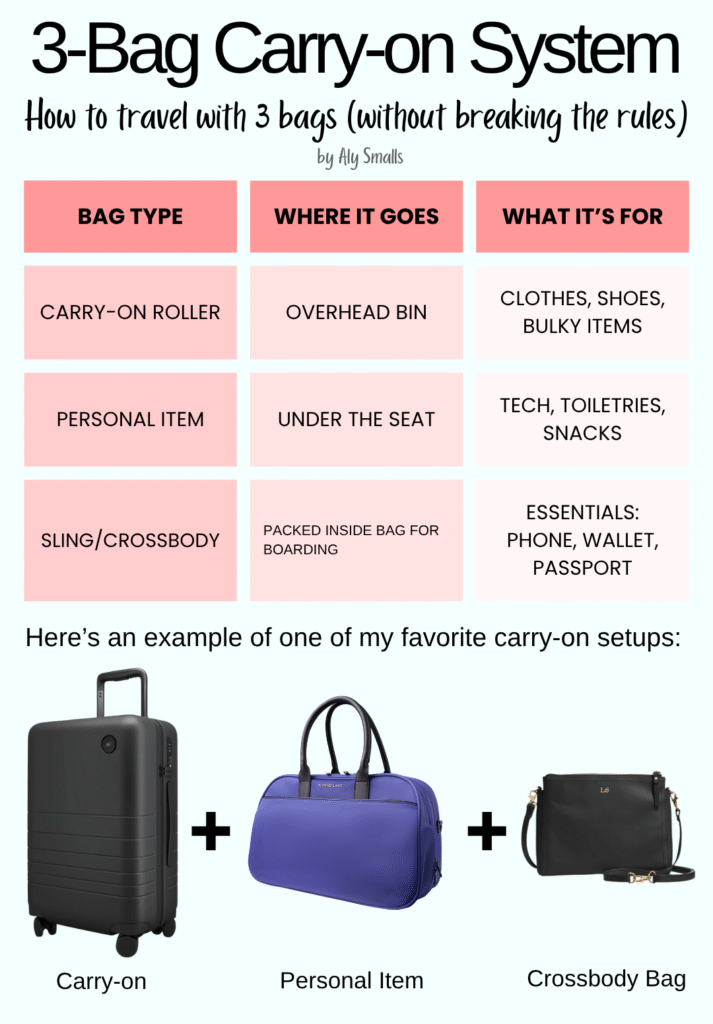
Are you planning your next getaway and wondering about your carry-on luggage? The question of whether you can bring two carry-on bags on a flight is more common than you might think.
Airlines have different rules, and it can be confusing to know what's allowed. But don't worry; we’re here to help you navigate the ins and outs of carry-on restrictions. Imagine the ease of breezing through the airport with everything you need conveniently at your side.
Understanding these rules can make your travel experience smoother and stress-free. Keep reading to discover how you can optimize your packing and avoid unexpected hassles at the airport.
Carry-on Bag Basics
Understanding carry-on bag basics helps avoid hassles at the airport. Airlines set rules to keep flights safe and organized. Knowing these rules saves time and stress while traveling.
Standard Size Limits
Most airlines allow carry-on bags up to 22 x 14 x 9 inches. This size fits in overhead bins easily. Some airlines may have slightly different size limits. A smaller bag might be required for regional flights.
Weight Restrictions
Weight limits vary by airline and ticket class. Many airlines set carry-on weight between 15 to 22 pounds. Exceeding weight limits can cause extra fees or require checking the bag. Always check your airline's specific rules before packing.
Common Airline Policies
- Most airlines allow one carry-on bag plus one personal item.
- Personal items include purses, laptop bags, or small backpacks.
- Some low-cost airlines charge for carry-on bags or limit them.
- Always confirm policies on the airline's official website.
.jpg)
Rules For Two Carry-ons
Understanding the rules for carrying two carry-on bags can save time and avoid hassles at the airport. Airlines have specific guidelines about how many bags you can bring onboard. Knowing these rules helps travelers pack smartly and travel smoothly.
When Two Bags Are Allowed
Many airlines allow one personal item plus one carry-on bag. The personal item might be a backpack, purse, or laptop bag. The carry-on bag is usually a small suitcase or larger backpack. Both items must fit size limits set by the airline. This means you can bring two bags, but one must be smaller and fit under the seat.
Typical Restrictions
- Carry-on bags must fit in overhead bins.
- Personal items must fit under the seat in front.
- Weight limits often apply to both bags combined.
- Some low-cost airlines allow only one free carry-on bag.
- Oversized or extra bags usually require a fee.
These rules vary, so checking your airline’s policy before packing is important.
Exceptions By Airline
Budget airlines often have stricter rules. They may allow only one small bag free. A second carry-on may cost extra. Some international airlines are more generous with carry-on limits. Business and first-class tickets sometimes include more carry-ons. Always check your airline’s website for exact details.
Personal Item Vs Carry-on
Understanding the difference between a personal item and a carry-on bag can save you from last-minute gate hassles. Airlines often allow both, but mixing them up might lead to extra fees or having to check your bag unexpectedly. Knowing exactly what counts as each will help you pack smarter and travel lighter.
Definition Of Personal Item
A personal item is a smaller bag you’re allowed to bring in addition to your carry-on. It usually fits under the seat in front of you. This item is meant to hold essentials you want close, like your wallet, phone, or a book.
Think of it as your “go-to” bag during the flight, not the main suitcase you store overhead. If your bag doesn’t fit under the seat, it might not be accepted as a personal item.
Size And Weight Differences
Personal items are smaller and lighter compared to carry-on bags. Airlines typically set specific size limits for each. For example, a personal item might be limited to about 18 x 14 x 8 inches, while a carry-on can be as large as 22 x 14 x 9 inches.
Weight limits vary, but personal items usually have less strict weight restrictions since they’re smaller. However, some airlines do enforce weight limits on both, so always check before you pack. Have you ever been surprised by a weigh-in at the gate?
Examples Of Personal Items
- Backpacks (small to medium size)
- Laptop bags
- Purses or handbags
- Briefcases
- Small duffel bags
- Camera bags
Choosing the right personal item can be a game-changer. For instance, carrying a backpack with multiple compartments can keep your gadgets and documents organized and accessible. What personal item do you rely on most during your trips?
Tips To Manage Carry-ons
Managing carry-on bags can make your travel smoother and less stressful. Smart packing, choosing the right bags, and avoiding extra fees help you stay within airline rules. These tips make your airport experience easier and faster.
Packing Efficiently
Pack light to save space and weight. Use packing cubes to organize clothes and items neatly. Roll clothes instead of folding to fit more in your bag. Keep essentials like documents and electronics in an easy-to-reach spot. Avoid carrying items you don’t really need.
Choosing The Right Bags
Select bags that meet airline size limits. A soft-sided bag can fit better in overhead bins. Choose lightweight bags to avoid extra weight charges. Look for bags with multiple compartments for better organization. Make sure your bags have sturdy handles and smooth wheels.
Avoiding Extra Fees
Check your airline’s carry-on rules before packing. Many airlines allow one carry-on and one personal item for free. Avoid packing items that require special fees, like liquids over the limit. Use a luggage scale to keep your bag under weight limits. Pay attention to size and weight to prevent surprise fees.
Airline-specific Policies
Airline-specific policies play a crucial role in deciding whether you can carry two carry-on bags. Each airline has its own rules, which can vary widely depending on the type of carrier and your destination. Understanding these differences helps you avoid surprises at the gate and makes packing smarter.
Major U.s. Airlines
Major U.S. airlines like American, Delta, and United typically allow one carry-on bag plus one personal item. Your personal item could be a backpack, purse, or laptop bag. However, the size limits and weight restrictions for these items can differ, so double-check before you fly.
For instance, American Airlines lets you bring a standard carry-on plus a personal item free of charge. But if your second bag is larger than the personal item size, you might face extra fees. Have you ever been surprised by a sudden baggage fee at the airport? Knowing these rules upfront can save you money and stress.
International Airlines
International airlines often have stricter carry-on rules, especially for long-haul flights. Some airlines allow only one piece of carry-on luggage, while others permit a carry-on plus a personal item. The policies often depend on your ticket class and route.
For example, Emirates permits one carry-on plus one personal item in economy class, but business class passengers get more generous allowances. If you’re flying internationally, check the airline’s website for the exact dimensions and weight limits. Are you packing smart enough to fit everything within those limits?
Budget Carriers
Budget airlines are usually the most restrictive about carry-on baggage. Many low-cost carriers charge extra for a second carry-on or even for larger carry-on bags. They often only allow a small personal item for free, like a handbag or a small backpack.
Ryanair, for example, allows a small personal bag for free but charges for any additional carry-on. This means if you want to bring two bags on board, you may have to pay extra fees. Have you ever had to decide between paying for baggage or leaving something behind? Budget airlines force you to make tough choices about what to pack.

Impact Of Frequent Flyer Status
Your frequent flyer status can significantly influence how many carry-on bags you’re allowed on a flight. Airlines often reward loyal customers with perks that go beyond just miles and points. These perks can include extra baggage allowances and priority boarding, which directly affect your travel convenience.
Extra Allowances
Holding a frequent flyer status often means you can bring more than the standard one carry-on bag. Many airlines grant an additional personal item or even a second carry-on bag to their elite members. This benefit can save you from checked baggage fees and speed up your airport experience.
For instance, if you normally struggle fitting all your essentials in a single bag, your status might let you add a small backpack or laptop bag without hassle. Have you ever wished for just a bit more space in the overhead bin? This perk answers that need directly.
Priority Boarding Benefits
Priority boarding is another advantage linked to frequent flyer status. It allows you to board the plane earlier, securing overhead bin space for your carry-on bags. This can be a game changer if you have two carry-ons and want to avoid gate-checking one of them.
Imagine rushing to the gate with two bags and then worrying about whether there will be room on the plane. Priority boarding removes that stress by giving you first access to storage space. Have you noticed how much smoother boarding feels when you don’t have to fight for overhead space?
What Happens At The Gate
The gate area is where your carry-on bags face the final check. Airline staff verify your bags before boarding. They ensure you follow the airline’s rules about the number and size of bags. This step prevents problems on the plane and keeps the boarding process smooth.
Gate Checks
Gate checks happen when a flight is full or carry-on space is limited. Staff ask passengers to check some carry-on bags at the gate. These bags go in the cargo hold but do not cost extra. You get your bag back at the plane’s arrival gate.
Gate checks help fit all passengers’ luggage on the plane. If you have two carry-on bags, one might need a gate check. Staff decide this based on space and priority rules.
Enforcement Of Rules
Airlines enforce carry-on rules strictly at the gate. Agents measure bag size and weigh them if needed. They check if you exceed the allowed number of carry-on items. Staff may ask you to put a second bag under the seat or check it.
Following these rules avoids delays and extra fees. Being polite and prepared makes the process easier. Knowing the rules helps you plan better and pack smart.
Recent Changes And Trends
Recent changes and trends have reshaped airline carry-on baggage rules. Travelers often ask if they can bring two carry-on bags on a flight. Policies vary widely by airline, route, and ticket class. Understanding recent shifts helps prepare for smoother airport experiences.
Covid-19 Effects
COVID-19 brought new health and safety rules to airports. Many airlines adjusted baggage policies to reduce contact. Some limited carry-on items to speed up boarding. Others allowed extra carry-ons for personal hygiene items. Rules changed quickly as the pandemic evolved. Travelers had to check airline websites often for updates.
Evolving Airline Policies
Airlines now compete by changing baggage allowances. Some charge fees for the second carry-on bag. Others include two carry-ons in the ticket price. Policies depend on flight distance and aircraft size. Loyalty programs also affect baggage rules. Airlines focus on balancing customer needs and revenue. This trend means checking specific airline rules before packing is crucial.

Frequently Asked Questions
Can I Bring Two Carry-on Bags On A Flight?
Most airlines allow one carry-on bag and one personal item like a purse or laptop bag. Check your airline’s specific rules before packing.
What Counts As A Personal Item On Flights?
Personal items include small bags, backpacks, purses, or laptop cases that fit under the seat in front of you. They are separate from your carry-on suitcase.
Are There Size Limits For Two Carry-on Bags?
Yes, airlines set size limits for carry-ons and personal items. Always measure your bags to avoid extra fees or gate check.
Do Low-cost Airlines Allow Two Carry-on Bags?
Low-cost airlines often have stricter rules and may charge for a second carry-on. Review their baggage policies carefully before booking.
Conclusion
Airlines usually allow one carry-on bag and one personal item. Size and weight limits vary by airline. Check your airline’s rules before packing. Carrying two bags may cause extra fees. Pack smart to avoid surprises at the gate. Travel light to move easily through airports.
Knowing the rules helps you stay stress-free. Plan ahead and enjoy your trip with peace of mind.