

Traveling can be a whirlwind of excitement and planning, but packing can often feel like a puzzle. As you prepare for your next adventure, you might find yourself wondering, "Can I have aerosols in my checked bag?"
This question is more common than you might think, and the answer can be crucial for a smooth travel experience. You certainly don’t want to unpack your suitcase at the airport, right? Understanding what can and can't be included in your checked luggage can save you time, hassle, and the frustration of dealing with last-minute surprises.
Let's dive into this topic and ensure you’re ready to pack with peace of mind.
Aerosol Rules For Checked Bags
Aerosols can be tricky when packing for a flight. You might wonder if your favorite deodorant or hairspray is safe to throw in your checked bag. Understanding the specific rules about aerosols in checked luggage helps you avoid surprises and keeps your belongings safe.
Aerosol Size And Quantity Limits
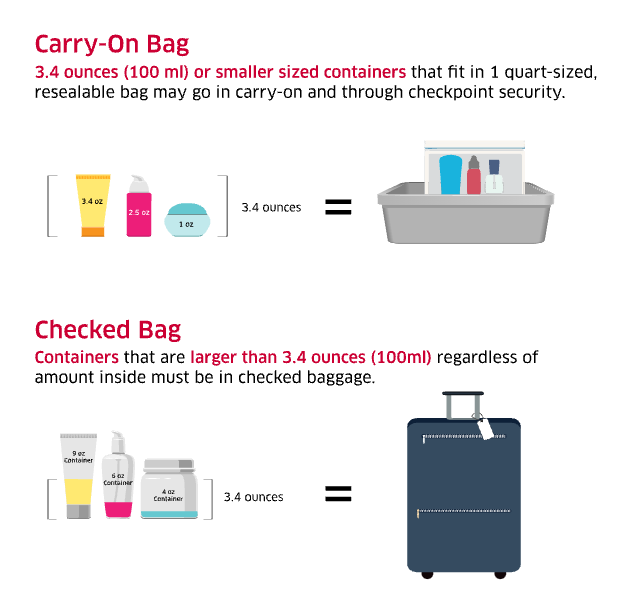
The size of your aerosol container matters a lot. Airlines usually allow aerosols up to 18 ounces (about 532 ml) per container in checked bags. However, the total quantity you can carry is limited, often to 70 ounces (roughly 2 kilograms) per passenger.
Think about that can of spray paint you want to bring. Even if it’s under 18 ounces, check the total weight of all aerosols combined. This rule helps prevent any risk of pressure buildup or leaks during the flight.
Not all aerosols are treated equally by airlines. Personal care products like deodorants, hairsprays, and shaving foams are generally accepted. But aerosols classified as hazardous, such as spray paints, insecticides, or fuel sprays, are usually banned.
Ask yourself: Is your aerosol flammable or contains harmful chemicals? If yes, it probably can’t go in your checked bag. Checking the label for hazard warnings saves time and hassle at the airport.
Packaging And Safety Precautions
Proper packaging can prevent messy leaks. Always ensure the aerosol caps are secure. Placing aerosols inside sealed plastic bags offers extra protection against spills.
Here’s a tip from experience: Wrap aerosol cans in clothes or bubble wrap for cushioning. This simple step reduces the chance of cans being punctured or damaged during handling.
Airline And Tsa Regulations
Each airline and airport security might have slightly different rules. The TSA website is a reliable source for up-to-date aerosol policies. Checking your airline’s guidelines before packing saves you from last-minute removals or fines.
Have you ever had an item confiscated unexpectedly? It’s often because of overlooked regulations. Staying informed helps you travel stress-free and keeps your aerosols where they belong—safely in your checked baggage.

Types Of Aerosols Allowed
Aerosols are common items travelers pack. Knowing which aerosols you can pack in checked bags is important. Different types have different rules. This section explains the types of aerosols allowed in checked luggage.
Personal Care Aerosols
Personal care aerosols include deodorants, hairsprays, and shaving creams. Most airlines allow these in checked bags if they follow size limits. Usually, containers must be under 18 ounces (510 grams). Carrying too many or large containers may cause problems.
Household Aerosols
Household aerosols include air fresheners, cleaning sprays, and insect repellents. These often contain flammable ingredients. Airlines may restrict these or limit the quantity. Packing small amounts for personal use is generally allowed. Check container labels for flammability warnings before packing.
Medical Aerosols
Medical aerosols include inhalers and nebulizer medications. These are usually allowed in checked bags with proof of prescription. Keep them in original packaging to avoid issues. Inform airline staff if you carry essential medical aerosols. It helps ensure smooth security checks.
Size And Quantity Limits
Aerosols are common travel items, but airlines limit their size and quantity. These rules keep everyone safe during flights. Knowing these limits helps avoid problems at the airport. This section explains the allowed sizes and total amounts for aerosols in checked bags.
Maximum Volume Per Container
Each aerosol container must not exceed 18 ounces (about 500 milliliters). Containers larger than this are usually not allowed in checked baggage. This limit applies to all types of aerosols, including deodorants, hairsprays, and insect repellents. Small containers reduce the risk of leaks or explosions during flight.
Total Allowed Quantity
The total amount of aerosols in one checked bag must not exceed 70 ounces (2 kilograms). This means you can pack several small cans, but the combined weight should stay under this limit. Airlines often check this to ensure passenger safety. Exceeding the total quantity may result in items being removed or fines.
Safety And Packaging Requirements
Knowing the safety and packaging requirements for aerosols in your checked bag is crucial for a smooth travel experience. Airlines and security agencies enforce strict rules to avoid accidents caused by leaking or exploding containers. Understanding these guidelines helps you pack confidently and prevents your belongings from being confiscated or damaged.
Leak Prevention
To prevent leaks, make sure your aerosol cans are tightly sealed. Use plastic wrap or place cans inside a sealed plastic bag to catch any potential spills. This small step can save your clothes and electronics from damage and keeps the luggage compartment safe for everyone.
Pressure Restrictions
Aerosols are pressurized containers, so airlines limit how much pressure they can hold. Most airlines allow aerosols with a maximum net weight of 500 ml or 17 ounces. Carrying larger cans might lead to delays or your items being removed, so always check the weight and size before packing.
Labeling Guidelines
Labels on aerosol cans must be clear and readable. They should indicate the product contents and any safety warnings. Without proper labeling, security officers may not allow the item on board, so double-check that your cans have intact labels before packing.
Airline And Tsa Variations
Understanding the variations between airline and TSA rules about aerosols in checked bags can save you from unexpected hassles at the airport. These rules are not always the same everywhere, and knowing the differences helps you pack smarter. Have you ever found yourself repacking at the airport because of unclear aerosol regulations? Let’s clear that up.
Different Airline Policies
Each airline has its own specific rules about aerosols in checked luggage. Some airlines allow aerosols but limit the size or quantity, while others may ban certain types altogether. It’s a good idea to check your airline’s website before you pack to avoid surprises.
For example, a budget airline might restrict aerosols more strictly to reduce risks, whereas a larger carrier might follow TSA guidelines closely but allow more flexibility. If you’re carrying specialty items like spray paint or insect repellents, double-check because some airlines may not allow them at all.
Tsa Regulations
The TSA has clear rules about aerosols in checked bags to keep flights safe. Generally, aerosols are allowed if they are for personal care or toiletries, but they must not exceed 18 ounces (532 ml) per container. The total aggregate amount of all aerosols in your checked bag can’t be more than 70 ounces (2 kg or 2 L).
Flammable aerosols, like spray paints or certain solvents, are strictly prohibited. If you’re unsure whether your aerosol product is flammable, check the label or TSA’s official list. Have you ever packed something only to discover it’s flammable and banned? This rule helps you avoid that.
International Travel Considerations
When flying internationally, aerosol rules can become even more complex. Different countries have their own aviation security standards that might be stricter than TSA or airline policies. You could find that an aerosol allowed on your outbound flight is banned on the return or connecting flight.
For example, European countries often have tighter restrictions on aerosols, especially in checked luggage. It’s wise to research the specific regulations of all countries you’ll pass through. Have you thought about how your aerosols might be treated differently just because you’re crossing borders?
Risks Of Carrying Aerosols
Carrying aerosols in your checked bag comes with notable risks that you should not ignore. These items contain pressurized contents that can react unpredictably under certain conditions. Understanding these dangers helps you decide what to pack and how to stay safe during your travels.
Fire Hazards
Aerosols often contain flammable substances. Even a small spark in the cargo hold can ignite these vapors, causing fires that endanger the entire aircraft. You might not see the risk, but it’s very real and carefully managed by airline safety rules.
Have you ever wondered what happens if a canister leaks near electrical equipment? The chances of a fire increase dramatically. This is why many airlines restrict or ban aerosols in checked baggage.
Explosive Risks
Pressurized cans can explode if exposed to high temperatures or physical damage. The cargo hold can heat up during flights, increasing pressure inside the can. A simple drop or rough handling can trigger a dangerous explosion.
Think about how fragile these cans are when you pack them. If an aerosol bursts, it could damage your belongings and harm airport staff handling your luggage. Are you prepared to take that risk?
Handling During Transport
Luggage goes through multiple stages of handling—loading, unloading, and sorting. Each step subjects bags to bumps and pressure changes. Aerosols in your checked bag face a tough journey, making breakage more likely.
Have you ever packed something fragile only to find it shattered on arrival? Aerosols are even more vulnerable because of their pressurized nature. Properly securing or avoiding aerosols can prevent unexpected mishaps.
Tips For Packing Aerosols Safely
Packing aerosols safely in checked bags requires care and attention. Aerosols can be sensitive to pressure and temperature changes during flights. Improper packing can cause leaks or damage. Following simple tips ensures safety and prevents problems at the airport. Use these guidelines to pack aerosols securely and avoid delays.
Use Of Protective Cases
Place aerosols inside sturdy protective cases. Cases prevent accidental pressing of spray nozzles. Hard-shell containers or padded pouches work well. Wrap cans in bubble wrap for extra protection. Keep aerosols separate from sharp or heavy items. This reduces the risk of punctures and leaks.
Declaring Aerosols At Check-in
Always declare aerosols when checking in your bags. Inform airline staff about the items. Some aerosols might have restrictions or limits. Declaring helps staff handle your bag with care. It also prevents confiscation or fines at security checkpoints.
Alternatives To Aerosols
Consider using non-aerosol alternatives for travel. Solid or gel products can replace sprays. For example, solid deodorants or roll-ons instead of spray cans. These items are safer and often allowed without restrictions. They also reduce the risk of leaks or explosions in luggage.

Frequently Asked Questions
Can I Pack Aerosols In Checked Luggage?
Yes, you can pack aerosols in checked luggage. Airlines allow limited quantities of aerosols if they meet safety rules. Aerosols must be non-flammable and properly sealed. Check airline and TSA guidelines before packing to avoid issues.
Are There Restrictions On Aerosol Sizes In Checked Bags?
Most airlines limit aerosol containers to 18 ounces (532 ml) per item. Total aerosol quantity must comply with airline safety policies. Exceeding size limits may cause removal or fines. Always verify specific airline rules before travel.
Are Flammable Aerosols Allowed In Checked Baggage?
No, flammable aerosols are generally prohibited in checked bags. They pose fire and safety hazards during flights. Only non-flammable personal care aerosols like deodorants are typically allowed. Review airline and TSA restrictions to ensure compliance.
How Should I Pack Aerosols In Checked Luggage Safely?
Pack aerosols upright and secure them to prevent leaks or damage. Use plastic bags or wrap them in clothing for extra protection. Avoid overpacking to reduce pressure on containers. Follow airline packing guidelines to avoid confiscation.
Conclusion
Aerosols can be tricky to pack in checked bags. Airlines and airports have clear rules to keep everyone safe. Always check the size and type allowed before you travel. Small, sealed cans usually pass, but large or flammable ones do not.
Follow these tips to avoid delays or extra fees. Packing smart helps your trip start smoothly. Stay safe and enjoy your journey without worries.