

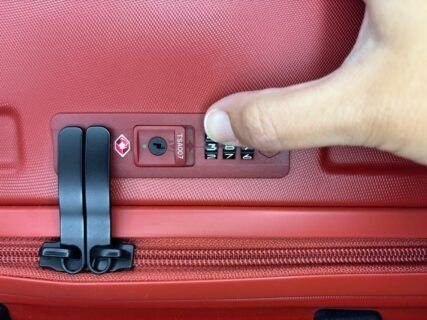
Are you gearing up for your next adventure across the globe? As you pack your bags and plan your itinerary, one question might keep popping into your mind: "Can I lock my luggage on an international flight?"
This seemingly simple question can cause a swirl of anxiety, especially when you're focused on ensuring everything goes smoothly on your trip. You want to protect your belongings, but you're not entirely sure about the rules and regulations that could affect your travel experience.
Unlocking the mystery behind this question can make a world of difference in your peace of mind. Imagine breezing through airport security, knowing your belongings are secure and compliant with international regulations. Stay with us as we delve into this topic, unravel the facts, and guide you towards making informed decisions that could save you from unnecessary stress and potential mishaps.
Luggage Security Basics
Keeping your luggage secure on an international flight is essential to protect your belongings and ensure peace of mind during travel. Understanding the basics of luggage security helps you make smart choices about how to safeguard your bags effectively. Let’s break down why locking your luggage matters and what types of locks you can consider.
Why Lock Your Luggage
Locking your luggage acts as a simple deterrent against theft and tampering. It doesn’t guarantee 100% protection, but it makes your suitcase less attractive to opportunistic thieves. Have you ever lost something important because your bag was left unlocked?
Locks also help prevent accidental openings during handling, saving you from messy spills or lost items. When you travel internationally, your luggage may be inspected by security or customs. A lock signals that you care about your belongings while still allowing authorized personnel to access your bag if needed.
Types Of Luggage Locks
You have several options when choosing a lock for your luggage, each with its own advantages. Here are the most common types:
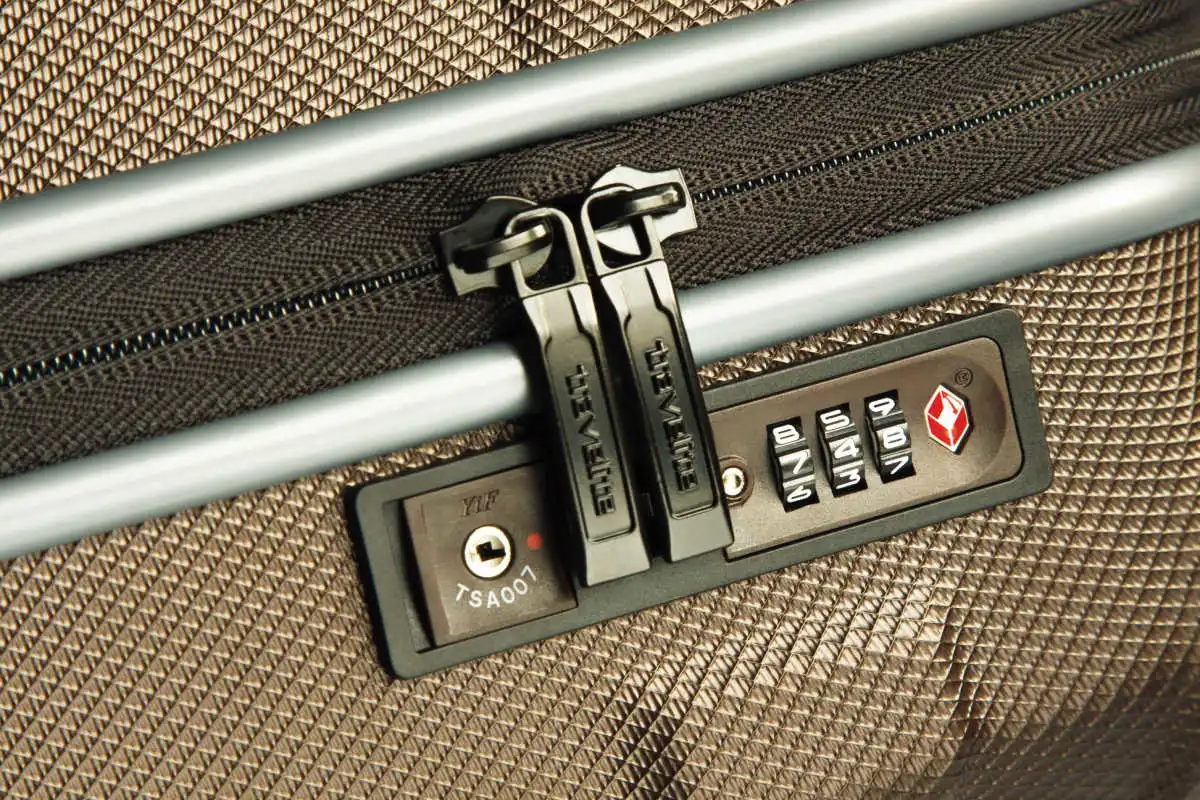
- TSA-Approved Combination Locks:These are recognized by airport security agencies. They allow TSA agents to open and re-lock your luggage without breaking the lock.
- Padlocks:Simple and affordable, padlocks come in keyed or combination styles. However, non-TSA locks might be cut off if security needs to inspect your bag.
- Cable Locks:Flexible and versatile, cable locks can secure multiple zippers or attach your bag to a fixed object, adding extra security.
Choosing the right lock depends on your travel habits and how often you fly internationally. Have you tried TSA locks before, and did they make your airport experience smoother?
Tsa-approved Locks
When traveling internationally, keeping your luggage secure is a top priority. TSA-approved locks offer a practical solution that balances security with the realities of airport inspections. These locks allow you to protect your belongings while complying with Transportation Security Administration (TSA) rules.
How Tsa Locks Work
TSA-approved locks are designed with a special feature: they can be opened by TSA agents using a master key. This means if your bag is selected for inspection, agents can unlock it without breaking your lock.
This system helps avoid damage to your luggage. Instead of cutting your lock or bag straps, TSA agents use their master key to open and relock your suitcase securely.
Benefits Of Tsa-approved Locks
- Protection:Your belongings stay safe from theft during your trip.
- Inspection-friendly:TSA agents can inspect your bag without destroying your lock.
- Peace of mind:You know your luggage can pass through security without extra hassle.
- Travel compliance:Many international airports and airlines recommend or require TSA-approved locks.
Have you ever had a lock cut off by security? TSA-approved locks prevent that frustration and potential extra expense. Choosing the right lock means you control access while respecting airport safety rules.
International Airline Rules
International airline rules about locking luggage vary widely. Airlines and countries have different policies for baggage security. Knowing these rules helps avoid problems at the airport. Some locks are accepted globally, while others may cause delays or baggage checks. Understanding airline rules saves time and keeps luggage safe.
Locking Policies By Region
Regions have distinct rules about luggage locks. In North America, TSA-approved locks are common and accepted. These locks allow security officers to open bags without damage. Europe often follows similar rules but may have stricter security checks. Asia varies greatly; some countries allow only TSA locks, others discourage locks altogether. Always check the destination and transit countries' rules before travel.
Airline-specific Regulations
Each airline sets its own baggage locking rules. Some airlines require TSA-approved locks for checked bags. Others allow any lock but warn that security may cut off non-approved locks. Low-cost airlines may have stricter policies to speed up security checks. Airlines flying to or from the U.S. usually accept TSA locks. Check the airline’s website before packing to confirm their policy.

Customs And Security Checks
Customs and security checks play a key role in international travel. These checks ensure safety and compliance with laws. Travelers often wonder about locking luggage and what happens during inspections.
Security officers and customs agents have the right to open bags. They check for prohibited items, illegal goods, or security threats. This can happen at various points during the journey.
When Luggage Might Be Inspected
- Random security screening at the airport
- Customs checks upon arrival or departure
- Suspicious or unclear contents detected by scanners
- Reports or alerts on specific passengers or flights
- Customs requests for manual bag inspection
These inspections can occur without prior notice. Luggage may be opened and examined carefully. Locked bags do not stop security from checking.
What Happens If Locks Are Cut
Security personnel may cut locks to open bags. This usually happens when agents cannot access a locked bag. They need to inspect the contents fully.
Locks approved by travel authorities, like TSA locks, allow agents to use special keys. This prevents damage to the lock. Non-approved locks risk being cut or broken.
Damaged locks or bags are typically documented. Travelers should report any damage to the airline or airport staff. Keeping a record helps with claims or complaints.
Packing Tips For International Travel
Packing for international flights needs careful planning. Your luggage must stay safe and organized through many checks. Smart packing makes travel smoother and less stressful.
Focus on keeping your important items protected. Use simple tools to identify and secure your bags. This saves time and avoids baggage mix-ups.
Securing Valuables
Always keep valuables like passports, money, and electronics in your carry-on. Avoid placing them in checked luggage. Use small lockable pouches for extra safety. Consider using RFID-blocking wallets to protect your cards. Never leave valuables unattended in public places.
Using Luggage Straps And Tags
Luggage straps add an extra layer of security. They keep your suitcase closed tightly. Choose brightly colored or patterned straps to spot your bag easily. Attach durable tags with your name and contact info. Use covered tags to protect your privacy. Replace damaged straps or tags before every trip.
Alternatives To Traditional Locks
Traditional locks may not always be the best choice for securing luggage on international flights. Some airports and countries have strict rules about certain lock types. Exploring other options can help keep your bags safe without risking damage or confiscation.
There are modern and simple alternatives that travelers trust. These options often offer better flexibility and peace of mind during your trip.
Smart Luggage Security Options
Smart locks connect to your phone through Bluetooth. You can lock or unlock your luggage remotely. Some models send alerts if someone tries to open your bag. This technology improves security without needing keys.
Many smart locks also track your luggage’s location. This feature helps find your bag if it gets lost. They work well with travel apps for easy management. Battery life varies but usually lasts through long flights.
Cable And Combination Locks
Cable locks offer flexible security with strong steel cables. They wrap around zippers or handles to keep bags closed. These locks are lightweight and easy to carry. Some come with resettable combinations instead of keys.
Combination locks don’t require keys, reducing the chance of losing them. You set a personal code that only you know. TSA-approved versions allow security officers to open bags without damage. Cable and combination locks suit most types of luggage.
Common Mistakes To Avoid
Securing your luggage before an international flight is important, but mistakes can cost you time, money, or even damage to your belongings. Knowing which errors to avoid helps ensure a smooth travel experience. Let’s look at some common pitfalls travelers face when locking their bags.
Overlocking Your Bags
It might seem like a good idea to add multiple locks for extra security, but overlocking can actually backfire. If your bag is locked with several locks or complicated mechanisms, airport security might have to cut them off to inspect your luggage. This can leave your bag unprotected and vulnerable during the rest of your journey.
Think about your last trip. Did you use more than one lock? What happened when security needed to check your bags? Simplifying your locks can save you from unnecessary hassle.
Ignoring Airline Guidelines
Each airline has specific rules about the types of locks allowed on checked luggage. Some accept only TSA-approved locks because they let security agents open your bags without damaging them. Using non-approved locks can lead to forced entry and broken zippers or handles.
Have you ever checked your airline’s luggage policy before your trip? It’s worth a quick visit to their website. This small step can protect your belongings and prevent unexpected costs.
Frequently Asked Questions
Can I Use Any Lock On My International Luggage?
You can use TSA-approved locks for international flights. They allow security to open bags without damage during inspections. Avoid non-TSA locks as they might be cut by airport security.
Are Tsa Locks Mandatory For International Flights?
TSA locks are not mandatory but highly recommended. They ensure smooth security checks and protect your luggage from forced opening during inspections.
What Happens If My Locked Luggage Is Inspected?
If security needs to inspect your locked luggage, they will use a master key for TSA locks. Non-TSA locks may be cut or damaged.
Can I Lock Carry-on Bags On International Flights?
Yes, you can lock carry-on bags. However, keep your keys or combination handy for security checks at the airport.
Conclusion
You can lock your luggage on most international flights. Use TSA-approved locks to avoid issues. Airline staff may need to open bags for security checks. Locked bags help protect your items during travel. Always check airline rules before you pack.
Keep your luggage tags clear and visible. Travel safe and enjoy your journey with peace of mind.