

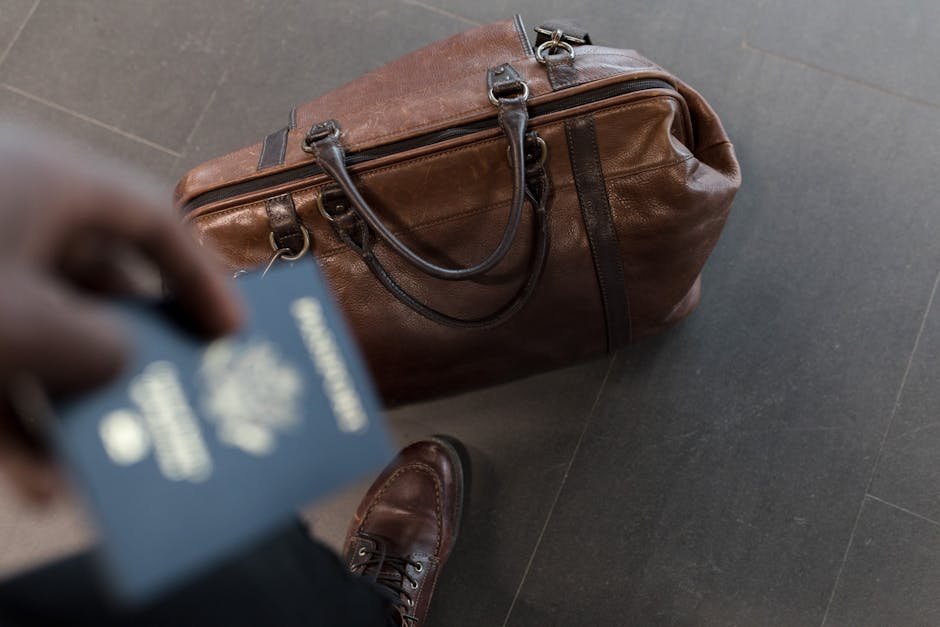
Flying can be stressful, especially when it comes to packing your bags. You might find yourself wondering, "Can knives be in checked luggage?"
This is a common concern, especially if you’re bringing kitchen utensils, camping gear, or souvenirs from a trip. The rules about what you can and cannot pack can be confusing. You don’t want to make a mistake that could delay your travel plans.
This article will guide you through the dos and don’ts, ensuring you have peace of mind as you prepare for your journey. Keep reading to discover everything you need to know to avoid any surprises at the airport!
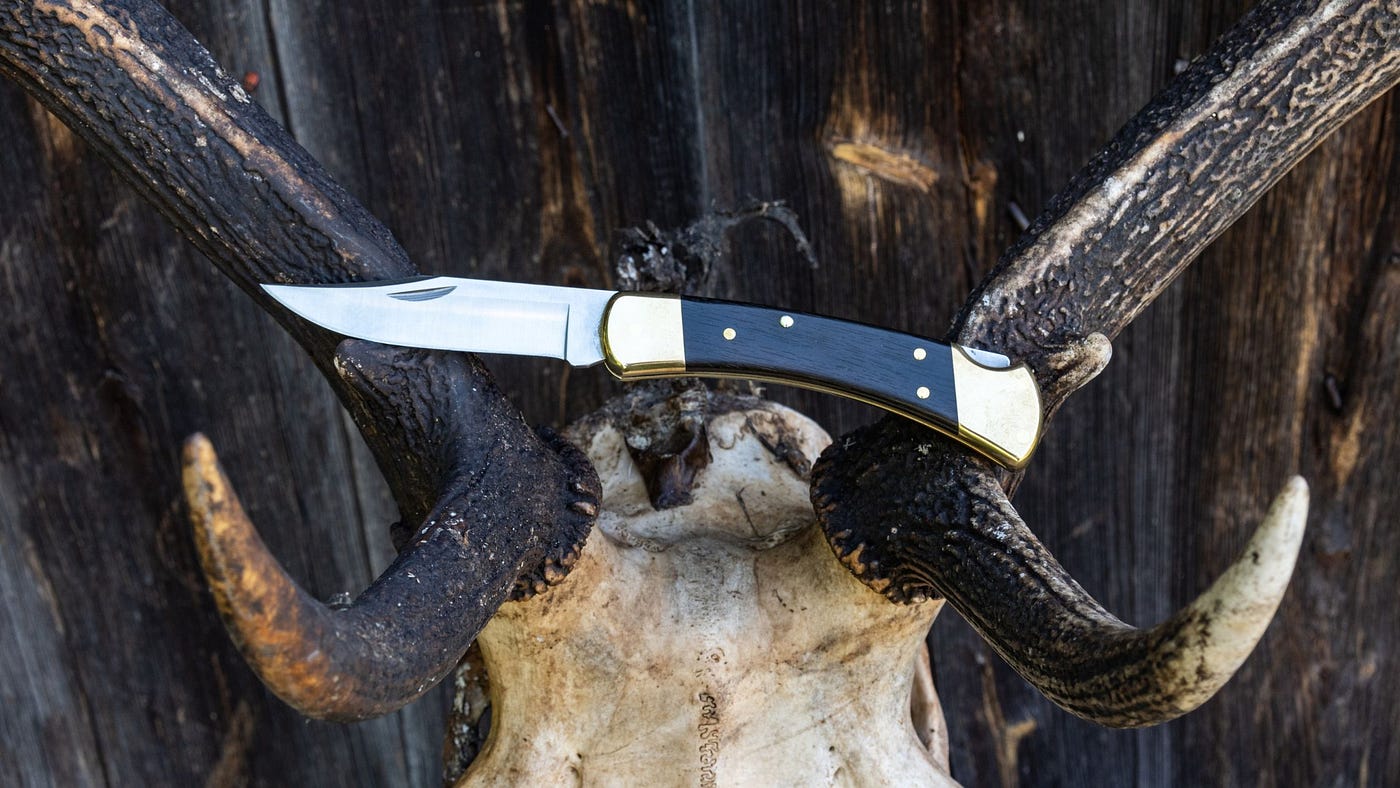
Airport Knife Policies
Airport knife policies vary widely across the globe. Knowing these rules helps travelers avoid delays or confiscation. Each country sets its own regulations about knives in checked luggage. Airlines also have specific guidelines that passengers must follow. Understanding both is key to smooth air travel with knives.
Regulations By Country
Each country has unique rules for knives in checked bags. Some allow certain knives with restrictions on blade length or type. Others ban all knives regardless of size. Security agencies often update rules to improve safety. Travelers should check official government or airport websites before flying.
- United States: Knives are allowed in checked luggage but banned in carry-ons.
- United Kingdom: Folding knives with blades under 3 inches allowed in checked bags.
- Australia: Strict bans on all knives in carry-on; checked luggage rules vary.
- Canada: Knives allowed in checked bags but prohibited in carry-ons.
Airline-specific Rules
Airlines may have stricter rules than countries require. Some forbid certain knife types in checked luggage. Others require declaring knives at check-in. Penalties can include fines or confiscation. Checking airline policies before packing knives is essential.
- Delta Air Lines: Allows knives in checked bags but requires declaration.
- Emirates: Prohibits knives with blades longer than 6 cm in checked luggage.
- British Airways: Allows folding knives in checked bags; no fixed blades.
- Lufthansa: Requires all knives to be sheathed and secured in checked luggage.

Types Of Knives Allowed
Knowing which types of knives are allowed in checked luggage can save you from unexpected hassles at the airport. Different knives come with different rules, and understanding these can help you pack smartly. Let's look at some common types of knives and what the regulations say about each.
Folding Knives
Folding knives are often the easiest to carry in checked baggage. These knives have a blade that folds into the handle, making them compact and safer to transport. Many travelers prefer folding knives because they are usually permitted, but it's important to check the size and locking mechanism rules for your airline.
If your folding knife locks securely, you should pack it in your checked bag rather than your carry-on. Think about the last time you traveled with a pocket knife—did you have to remove it at security? Packing it in checked luggage can prevent that hassle.
Fixed-blade Knives
Fixed-blade knives have a blade that does not fold or retract. These are generally allowed in checked luggage but prohibited in carry-on bags due to safety concerns. When packing fixed-blade knives, ensure they are sheathed or wrapped securely to prevent injury to baggage handlers and inspectors.
Consider the type of knife you own—is it a hunting knife or a kitchen knife? Both fall under fixed-blade categories but may be treated differently depending on size and purpose. Always double-check your airline’s specific rules for these knives.
Specialty Blades
Specialty blades include knives like switchblades, butterfly knives, and other unique designs. These often have stricter regulations and might be banned entirely from both carry-on and checked luggage on some flights. You should research your destination’s laws, as some countries have tight restrictions on these knives.
Have you ever thought about how a switchblade might be viewed differently from a standard knife by airport security? These blades can raise red flags and lead to confiscation or fines. When in doubt, it’s safer to leave specialty blades at home or ship them separately through a different method.
Packing Knives Safely
Packing knives safely in checked luggage ensures protection and prevents accidents. Sharp blades can cause injuries to baggage handlers or damage other items. Proper care also helps avoid delays or confiscation at security checkpoints.
Proper Sheathing
Always cover knife blades with a sheath or blade guard. Use durable materials like plastic or leather to prevent cuts. A well-fitted sheath keeps the blade from moving inside the luggage. Avoid wrapping knives only in cloth or paper; they can tear easily.
Secure Placement In Luggage
Place sheathed knives in the middle of your bag. Surround them with soft items like clothes or towels for extra padding. Keep knives away from fragile items to avoid damage. Position them so they won’t shift during travel. This reduces the risk of injury or blade dulling.
Security Screening Process
The security screening process at airports is designed to keep everyone safe while ensuring smooth travel. Understanding how this process works can help you pack smarter, especially when it comes to carrying knives. Knowing what happens during screening can save you from unexpected delays and confiscations.
Checked Vs. Carry-on Bags
Knives are generally allowed in checked luggage but banned in carry-on bags. Security officers use different methods to screen each type of bag. Carry-on bags go through X-ray machines and sometimes additional hand inspections. Knives in these bags trigger alarms and are typically confiscated.
Checked bags also go through X-ray screening, but knives can be packed safely inside. You should secure your knives in a sturdy sheath or case to avoid injury to baggage handlers. Keep in mind that some airlines or countries may have specific rules, so check ahead to avoid surprises.
Potential Issues At Checkpoints
Even if knives are packed in checked luggage, problems can arise. Poorly wrapped or loose knives might be flagged for extra inspection, which can delay your bag’s arrival. Sometimes, knives are confiscated if they don’t meet size or type regulations.
Have you ever faced delays because of items in your bag? A simple precaution is to declare knives at check-in if required and pack them carefully. This approach reduces the chance of your luggage being held or your trip being disrupted.
Legal Consequences
Carrying knives in checked luggage can lead to serious legal consequences. Rules vary by country and airline. Ignoring these rules can cause trouble at airports. Travelers need to understand the risks before packing knives. Knowing the consequences helps avoid fines or other penalties.
Confiscation Risks
Airport security may confiscate knives found in luggage. This happens if the knife is not allowed or improperly packed. Confiscation means losing the knife without refund. Some knives, like switchblades, are banned in many places. Security officers have the final say on what stays or goes.
Fines And Penalties
Carrying forbidden knives can result in fines. The amount depends on local laws and airport rules. In some cases, penalties include court appearances. Serious violations might lead to jail time. Airlines can also ban passengers who break knife rules. Always check regulations to avoid costly penalties.

Tips For Traveling With Knives
Traveling with knives requires careful planning to avoid hassles at airport security and during your flight. Knowing the rules and preparing accordingly can save you time and stress. Here are some practical tips to help you carry knives safely and legally when you travel.
Informing Airlines
Always check your airline’s policy on knives before you pack. Some airlines have specific rules that go beyond TSA guidelines, especially for international flights.
Contact customer service or visit the airline’s website to confirm if you need to declare your knives. Letting them know in advance can prevent surprises at check-in and reduce the chance of confiscation.
Remember, even if knives are allowed in checked luggage, improperly packed blades can cause damage or injury to baggage handlers. Use protective sheaths or wrap blades securely in thick material.
Alternative Options
If carrying your knife isn’t essential, consider alternatives to avoid complications. Shipping your knives via courier to your destination is a reliable option.
Another idea is to purchase or rent knives at your destination. This approach can save you time and avoid security risks altogether.
Think about the purpose of your knife and if there’s a safer substitute. Traveling light and smart often means less worry about what’s in your bags.
Frequently Asked Questions
Can Knives Be Packed In Checked Luggage?
Yes, knives are allowed in checked luggage but must be securely wrapped. Airlines require proper packing to avoid injury to baggage handlers and inspectors.
Are There Restrictions On Knife Types In Checked Bags?
Certain knives like switchblades or blades over a specific length may be restricted. Always check airline and TSA guidelines before packing.
Can I Carry Knives In Carry-on Luggage?
No, knives are generally prohibited in carry-on bags. They must be placed in checked luggage for security reasons.
How Should I Pack Knives In Checked Baggage?
Wrap knives in bubble wrap or sheath them. Place them in a sturdy container to prevent damage or injury.
Conclusion
Knives can go in checked luggage, but rules vary by airline and country. Always check the airline’s policy before packing. Wrap knives carefully to avoid damage or injury. Avoid placing sharp blades in carry-on bags. Following these tips helps keep your trip safe and smooth.
Remember, knowing the rules saves time and stress at the airport. Safe travels!