

Traveling can be a juggling act, especially when you want to bring along your trusty sewing machine. You might wonder, "Can you bring a sewing machine as a carry-on?"
You're not alone. Many sewing enthusiasts like you face this dilemma. The good news is, with the right know-how, you can navigate airport security with ease. Imagine the relief of having your beloved sewing machine right by your side, safe and sound.
We'll explore the ins and outs of airline policies, packing tips, and expert advice. So, are you ready to embark on a seamless journey? Let's dive into the details and make your next trip a breeze.

Carry-on Rules For Sewing Machines
Knowing the carry-on rules for sewing machines helps avoid travel issues. Airlines treat sewing machines like other electronic devices. You must follow specific guidelines to bring one on board.
Airline Policies
Each airline has its own rules about carry-on items. Some allow sewing machines as carry-on luggage. Others may require you to check them in. Always check the airline’s website before your trip.
Some airlines ask for the sewing machine to be in a protective case. Security may inspect the machine at the checkpoint. You should be ready to remove it from your bag if needed.
Size And Weight Limits
Carry-on size limits vary by airline but often include a maximum dimension. Sewing machines must fit within these size limits to be allowed as carry-on. Weight restrictions also apply. Carry-on bags usually must not exceed 15-22 pounds (7-10 kg).
Measure your sewing machine and its case to ensure it fits. Use a luggage scale to check the weight. Packing it carefully helps meet airline requirements and keeps the machine safe.

Packing Your Sewing Machine
Packing your sewing machine for travel can feel tricky, but with the right approach, it becomes manageable and stress-free. How you pack impacts not only the safety of your machine but also your convenience during the journey. Let’s dive into how to prepare your sewing machine properly before bringing it on board.
Choosing The Right Case
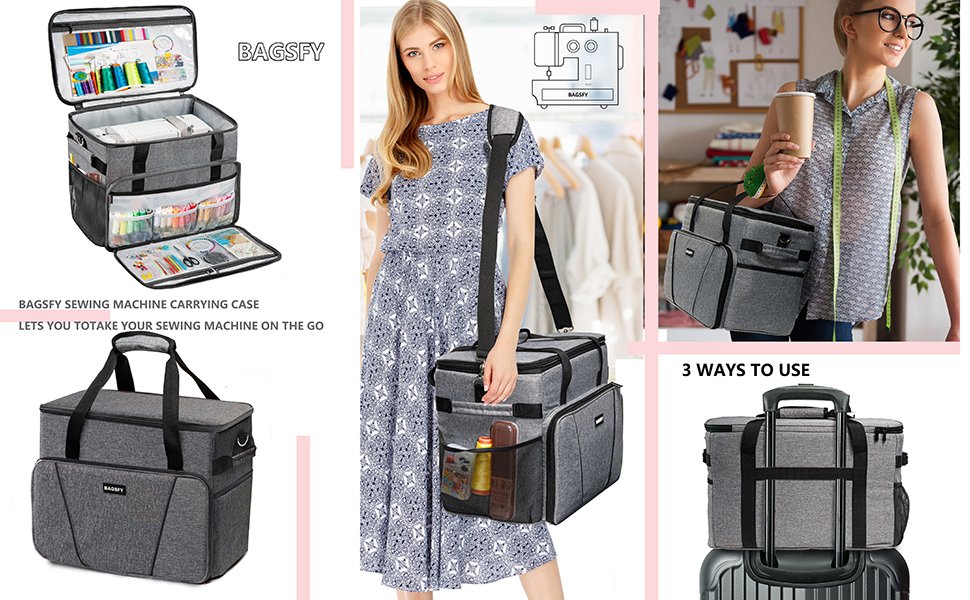
Your sewing machine deserves a case that fits perfectly and offers sturdy protection. Hard cases provide excellent defense against bumps and drops, while padded soft cases are lighter and easier to carry. Think about your travel style—do you prioritize weight or maximum protection?
I once traveled with a bulky soft case and regretted it when my machine shifted inside, causing minor scratches. A snug case with internal padding keeps the machine in place and shields it from damage.
Protective Measures
Adding extra layers of protection can save your sewing machine from unexpected mishaps. Wrap the machine in bubble wrap or thick towels before placing it in the case. Don’t forget to secure the needle and remove any loose parts to avoid damage.
Consider using plastic covers or zip-lock bags for sensitive components to prevent dust and moisture. Would you rather risk a few extra minutes packing or face repair costs later?
Organizing Accessories
Carrying your sewing accessories neatly can prevent loss and make setup quicker when you arrive. Use small pouches or organizers with compartments for needles, threads, bobbins, and scissors. Labeling these compartments helps you find what you need without digging through everything.
Some travelers use clear plastic boxes with dividers to keep accessories visible and secure. How much time could you save if everything was right at your fingertips the moment you unpack?
Security Screening Tips
Carrying a sewing machine as a carry-on can raise questions during security checks. Knowing how to prepare helps smooth the process. Clear communication and proper packing reduce delays and confusion. Follow these tips to pass TSA screening without hassle.
Preparing For Tsa Checks
Place your sewing machine in a clear, easy-to-access bag. Remove loose parts and store them separately. Keep the machine’s manual or proof of ownership handy. This shows officers the item is safe and legal. Arrive early to allow extra time for screening. Wear simple clothing to speed up the security process.
Handling Detentions Or Inspections
Stay calm if TSA holds your machine for inspection. Politely answer any questions from officers. Show any requested documents promptly. Avoid sudden movements or arguing, as this can cause delays. If your machine is inspected, ask for a receipt or report. Keep the contact info of your airline ready in case of issues.
Alternatives To Carrying On
If carrying your sewing machine onboard isn't an option, you still have practical ways to get it to your destination safely. Choosing the right alternative depends on how far you’re traveling, the value of your machine, and your comfort with handling checked luggage or shipping processes.
Checked Baggage Options
Checking your sewing machine as baggage is a common alternative. To protect it, pack the machine in a sturdy, hard case with plenty of padding around it. Adding bubble wrap or foam inserts can prevent damage from rough handling.
Label your bag clearly as fragile and consider using TSA-approved locks. Some travelers share that requesting a “fragile” tag at check-in made a difference in how their bags were treated, though it’s not guaranteed. Would you be comfortable trusting your machine to airline baggage handlers?
Shipping Your Machine
Shipping your sewing machine ahead of time is another option, especially for longer trips or if you want to avoid airline hassles. Services like FedEx, UPS, or specialized courier companies offer reliable delivery with tracking and insurance options.
When shipping, use a strong box and add several layers of padding to cushion your machine. Insuring the package for its full value can give you peace of mind in case of loss or damage. Have you checked how much shipping might cost compared to airline fees?
Traveling With Sewing Machines Internationally
Traveling internationally with a sewing machine requires more than just packing it carefully. You need to think about regulations, power sources, and how you plan to use it at your destination. Many travelers overlook these details and face unexpected challenges at the airport or when trying to operate their machine abroad.
Customs Considerations
Each country has its own rules about bringing in electronic devices like sewing machines. You might be asked to declare your sewing machine at customs, especially if it’s new or expensive. Failing to declare can lead to fines or confiscation, so always check the customs regulations of your destination before you travel.
Some countries require proof that the sewing machine is for personal use, not for resale. Carrying a receipt or a letter explaining your purpose can help. Also, be prepared for potential inspection, and pack your machine in a sturdy carry-on bag to avoid damage during screening.
Power Compatibility
Power supply differences can cause trouble if your sewing machine isn’t compatible with the voltage or plug type in the country you’re visiting. Most machines have a label indicating their voltage range. If your machine doesn’t support the local voltage, you’ll need a voltage converter or a transformer to avoid damage.
Don’t forget to bring the correct plug adapter. Even if your machine supports multiple voltages, the plug shape may differ. Imagine arriving excited to sew, only to find your machine won’t plug in—avoiding this is simple with a little preparation.

Additional Travel Tips
Bringing a sewing machine as a carry-on can be a smart choice, but there’s more to consider beyond just packing it carefully. Protecting your investment and preparing for unexpected hiccups will save you stress during your travels. Here are some additional travel tips to help you stay ready for anything.
Insurance For Your Machine
Have you thought about what would happen if your sewing machine gets damaged or lost during your trip? Getting insurance coverage for your machine can give you peace of mind. Some travel insurance plans offer protection for valuable items, but it’s important to check if sewing machines are covered.
You might want to look into specialized insurance policies for electronics or crafting equipment. Also, keep the purchase receipt and take photos of your machine before you travel—these can be crucial if you need to file a claim.
Backup Plans For Repairs
What if your sewing machine breaks down while you’re away? It helps to have backup options lined up. Research local sewing machine repair shops at your destination before you leave so you know where to go if something goes wrong.
Consider packing a small toolkit with essential items like screwdrivers and extra needles. These simple tools can help you fix minor issues on the spot and keep your project on track. Have you ever been stuck waiting days for a repair that could’ve been quicker with just a little preparation?
Frequently Asked Questions
Can I Bring A Sewing Machine As A Carry-on Item?
Yes, you can bring a sewing machine as a carry-on if it fits airline size limits. Always check specific airline policies before traveling to avoid surprises at security.
Are Sewing Machines Allowed Through Tsa Security Checkpoints?
Sewing machines are allowed through TSA checkpoints but must be screened. Remove batteries and place the machine in a clear bin for inspection.
How Should I Pack A Sewing Machine For Carry-on?
Pack your sewing machine in a sturdy, padded case. Secure loose parts and accessories separately to prevent damage during travel.
Do Airlines Charge Extra For Carrying A Sewing Machine Onboard?
Most airlines do not charge extra if the sewing machine meets carry-on size and weight limits. Confirm with your airline to avoid fees.
Conclusion
Carrying a sewing machine on a plane is possible with the right steps. Check airline rules before packing your machine. Keep it in a sturdy, protective case. Make sure it fits the size limits for carry-on bags. Remove sharp parts or needles for safety.
Tell the security staff about the machine when asked. This helps avoid delays and confusion at the airport. Planning ahead makes travel easier and less stressful. Your sewing machine can travel safely if you prepare well.