

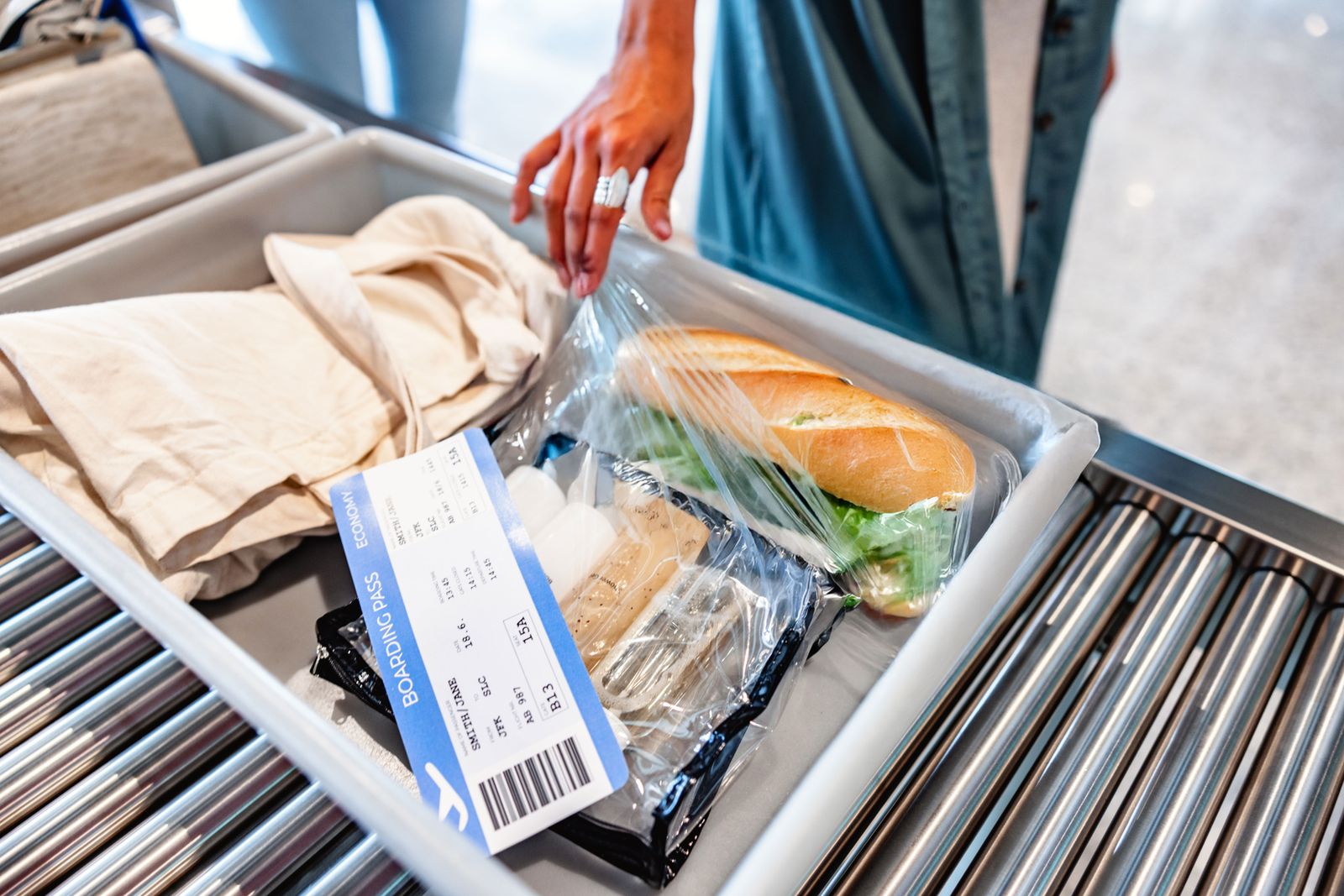
You've meticulously planned your trip and packed your bags, but there's one nagging question left: Can you bring food on your carry-on bag? Whether you're a frequent flyer or a first-time traveler, navigating the rules of what you can and cannot bring through security can be a bit overwhelming.
You might be wondering if your favorite snacks will make it past the TSA checkpoint or if you'll need to leave them behind. Fear not, because understanding these guidelines can make your travel experience smoother and more enjoyable. We'll dive into the specifics of carry-on food regulations, unravel any confusion, and ensure you're prepared with the right snacks for your journey.
Keep reading to discover how you can satisfy your cravings without any hassle.

Carry-on Food Rules
Knowing the carry-on food rules helps avoid delays at the airport. Different regulations apply depending on where you travel. Some foods are allowed, while others are banned for safety reasons. Understanding these rules saves time and keeps your snacks safe during your journey.
Tsa Guidelines
The Transportation Security Administration (TSA) allows most solid foods in carry-on bags. Items like sandwiches, fruits, and snacks are usually fine. Liquids, gels, and creams must follow the 3-1-1 rule. This means containers should be 3.4 ounces (100 ml) or less. All liquid items must fit in a single clear quart-sized bag. Be ready to remove this bag for screening.
International Regulations
Each country sets its own rules for carry-on food. Some countries restrict fresh fruits, vegetables, and meats. These items may carry pests or diseases. Always check the food import rules of your destination. Pack non-perishable, sealed foods to avoid problems. Customs officials may inspect your carry-on for restricted items.
Prohibited Items
Some foods are not allowed in carry-on bags. Liquids over 3.4 ounces are banned unless medically necessary. Sharp objects like knives or forks with sharp edges are not permitted. Large quantities of liquids, gels, or pastes are also prohibited. Avoid bringing homemade sauces or large drinks through security.
Types Of Allowed Foods
Knowing what types of food you can bring on your carry-on bag helps you avoid delays at airport security and keeps you comfortable during your flight. Different foods have different rules, especially when it comes to liquids and gels. Let’s look closely at what’s allowed so you can pack smart and enjoy your trip without surprises.
Solid Foods
Solid foods generally pass through security without issues. Items like sandwiches, fruits, vegetables, nuts, and granola bars are usually fine. You can even bring homemade meals as long as they don’t contain prohibited liquids or gels.
Think about a recent trip where you packed a simple apple and a peanut butter sandwich. It saved you from overpriced airport snacks and kept hunger away. Just remember, some countries have restrictions on fresh fruits or meats, so check local rules.
Liquid And Gel Limits
Liquids and gels in your carry-on must follow strict size limits. Typically, containers should be 3.4 ounces (100 milliliters) or less, and all must fit inside a single clear quart-sized bag. This includes items like yogurt, sauces, soups, and salad dressings.
Have you ever tried bringing your favorite homemade dip? It might get confiscated if it exceeds these limits. To avoid disappointment, transfer small portions into travel-sized containers. This way, you stay within the rules and still enjoy your favorite flavors.
Packaged Snacks
Pre-packaged snacks are traveler-friendly and usually allowed without hassle. Items like chips, crackers, cookies, and candy are perfect for carry-ons. They’re sealed, which helps security officers identify them quickly.
Next time you travel, try packing a mix of salty and sweet packaged snacks. This combo keeps your energy up and satisfies different cravings. Just check the expiration dates and avoid anything that could melt or leak during the trip.
Packing Tips For Food
Packing food in your carry-on bag can be tricky, especially when you want to keep it fresh and mess-free. The right preparation makes a huge difference in your travel experience. Let’s look at practical tips to help you pack food smartly so it arrives intact and tasty.
Sealing And Containers
Choose containers that seal tightly to prevent leaks. Airtight plastic or silicone containers work best. Avoid flimsy bags that can easily tear or spill.
Reusable containers with secure lids not only keep food fresh but also reduce waste. If you pack liquids like yogurt or sauces, double-check that the container is leakproof before you leave.
Avoiding Spills
Spills can ruin your bag and your mood. Wrap containers in a small plastic bag or place them inside a resealable bag for extra protection. This simple step saves you from unexpected messes.
Think about layering too. Put heavier items at the bottom and lighter, more fragile foods on top. This way, pressure from your bag won’t crush your snacks.
Keeping Food Fresh
Keeping your food fresh without a fridge is challenging but doable. Use insulated lunch bags or small ice packs to maintain cool temperatures. This works great for sandwiches, fruits, and cheese.
If you’re packing perishables, consider how long your trip will be. Can you eat them before they spoil? Planning your eating schedule can reduce waste and keep you healthy.

Customs And Import Restrictions
Understanding customs and import restrictions is essential when you plan to bring food in your carry-on bag. Each country has unique rules about what food you can bring across its borders. Ignoring these rules can lead to delays, fines, or even confiscation of your food items.
Country-specific Rules
Every country has its own list of prohibited and allowed food items. For example, Australia is very strict about fresh fruits, vegetables, and meat products. The United States, on the other hand, allows certain packaged snacks but restricts fresh produce and dairy products.
Before you pack, check the customs website of your destination country. Knowing these rules can save you time and stress at the airport. Have you ever had your favorite snack taken away at customs?
Declaring Food Items
You must always declare any food you carry when going through customs. This includes snacks, baby food, and even some packaged goods. Declaring honestly helps customs officers assess whether the items meet their import requirements.
If you’re unsure whether to declare something, it’s better to say yes. Hiding food can cause bigger problems than simply declaring it upfront. Have you noticed those declaration forms handed out on flights? They’re there for a reason.
Consequences Of Non-compliance
Failing to follow customs rules can lead to serious consequences. You might face fines, confiscation of your food, or even legal action in extreme cases. Some countries may also ban you from bringing food items in the future.
Imagine arriving at your destination only to have your carefully packed meals thrown away. That frustration can ruin your trip before it even starts. Are you prepared to risk losing your food and facing penalties?
Best Foods For Travel
Choosing the right foods for your carry-on can make a big difference in your travel experience. You want snacks that travel well, keep you energized, and satisfy hunger without creating mess or fuss. Let’s look at some smart options that fit these needs perfectly.
Non-perishable Choices
Non-perishable foods are ideal because they don’t spoil easily. Think about packing nuts, trail mix, or granola bars. These options stay fresh for hours and don’t require refrigeration, making them perfect for long flights or layovers.
Have you ever opened a bag of dried fruit mid-flight and found it still delicious? That’s the power of non-perishable snacks. You can also bring rice cakes or crackers, which pair well with small packets of nut butter or cheese spread.
Healthy Snacks
Eating healthy on the go is easier than you think. Fresh veggies like baby carrots or celery sticks fit easily in your bag and provide crunch without extra calories. Pair them with hummus in a small container for a satisfying bite.
Fresh fruit is another great choice, especially apples, bananas, or grapes. These fruits travel well and provide natural sweetness and hydration. Have you noticed how a simple apple can boost your mood during a long wait at the airport?
Quick Energy Boosters
Sometimes, you need a fast pick-me-up to keep going. Energy bars with a good balance of carbs, protein, and fats work well here. Dark chocolate pieces or a handful of roasted chickpeas can also provide a quick burst of energy without weighing you down.
Don’t overlook the power of a hard-boiled egg, if you can pack it properly. It’s compact, filling, and loaded with protein. What’s your go-to snack when you need a quick energy lift during travel?
Tips For Traveling With Special Diets
Traveling with special diets needs careful planning. Carrying your own food ensures safety and comfort. Knowing what to pack helps avoid stress at the airport. Prepare snacks and meals that fit your diet rules. Check airline policies about bringing food on board.
Allergies And Restrictions
People with allergies must avoid risky foods. Pack allergy-safe snacks like sealed nuts or fruits. Label your food clearly to avoid confusion. Carry a doctor’s note explaining your allergy. Inform the airline about your dietary needs before flying. Bring medication for emergencies, such as an EpiPen. Always check ingredient lists to stay safe.
Packing For Kids
Kids need familiar and healthy foods on trips. Choose easy-to-eat snacks like crackers, cheese, or fruit slices. Pack small portions to avoid waste. Include favorite treats to keep children happy. Use leak-proof containers to prevent messes. Plan for delays by carrying extra snacks. Keep food cool with small ice packs if needed.
Vegan And Vegetarian Options
Vegan and vegetarian travelers should pack protein-rich foods. Good choices include nuts, dried fruits, and granola bars. Prepare sandwiches with plant-based spreads and veggies. Carry hummus or nut butter in small containers. Avoid foods that spoil quickly without refrigeration. Look for vegan-friendly meals offered by airlines. Bringing your own food gives peace of mind.
Alternatives To Carrying Food
Carrying food in your carry-on bag is not always easy or allowed. Airports and airlines have rules that limit what you can bring. There are smart ways to enjoy meals during travel without packing your own food. These alternatives offer convenience and satisfy hunger without hassle.
Airport Food Options
Many airports have restaurants, cafes, and snack shops. These places offer a variety of meals and snacks. You can find sandwiches, salads, fruits, and hot dishes. Choosing food at the airport means no worries about security rules. Plus, you get fresh and ready-to-eat options before your flight.
Pre-ordering Meals
Several airlines allow passengers to pre-order meals before boarding. This service lets you select food that fits your taste and diet. Pre-ordered meals often arrive fresh and packed safely. It saves time and ensures you have food during the flight. Check your airline's website or app to see if this service is available.
Using Food Delivery Services
Food delivery apps can bring meals directly to the airport. You can order from nearby restaurants and have your food ready at the terminal. This option is perfect if you arrive early or have a long layover. It lets you enjoy a warm meal without leaving the airport area. Make sure to schedule your delivery time carefully.

Frequently Asked Questions
Can You Bring Homemade Food In Carry-on Bags?
Yes, homemade food is allowed in carry-on bags. Solid foods like sandwiches and snacks are accepted. Avoid liquids or gels over 3. 4 ounces due to TSA rules. Always pack food securely to prevent spills and check airline policies before flying.
Are Liquids And Gels Allowed In Carry-on Food?
Liquids and gels must be 3. 4 ounces or less in carry-on bags. This includes sauces, soups, and yogurt. Larger containers must go in checked luggage. Use clear, resealable bags for TSA screening to ensure smooth security checks.
Can I Bring Fresh Fruits In My Carry-on?
Fresh fruits are generally allowed in carry-on bags. They must be whole and unpackaged. Cut or peeled fruits might be subject to additional screening. Some countries restrict certain fruits, so check destination rules before packing.
Are Snacks Like Chips And Cookies Permitted On Planes?
Yes, snacks such as chips, cookies, and nuts are allowed in carry-on bags. These solid snacks do not face liquid restrictions. Pack them in sealed containers or bags for convenience during your flight.
Conclusion
Carrying food in your carry-on bag can make travel easier. Know the rules about liquids and fresh items. Pack snacks that are allowed and easy to eat. Avoid foods that may cause problems at security checks. Always check airline and airport guidelines before flying.
This helps prevent surprises during your trip. Enjoy your journey with tasty, hassle-free snacks on hand. Safe travels and happy eating!