

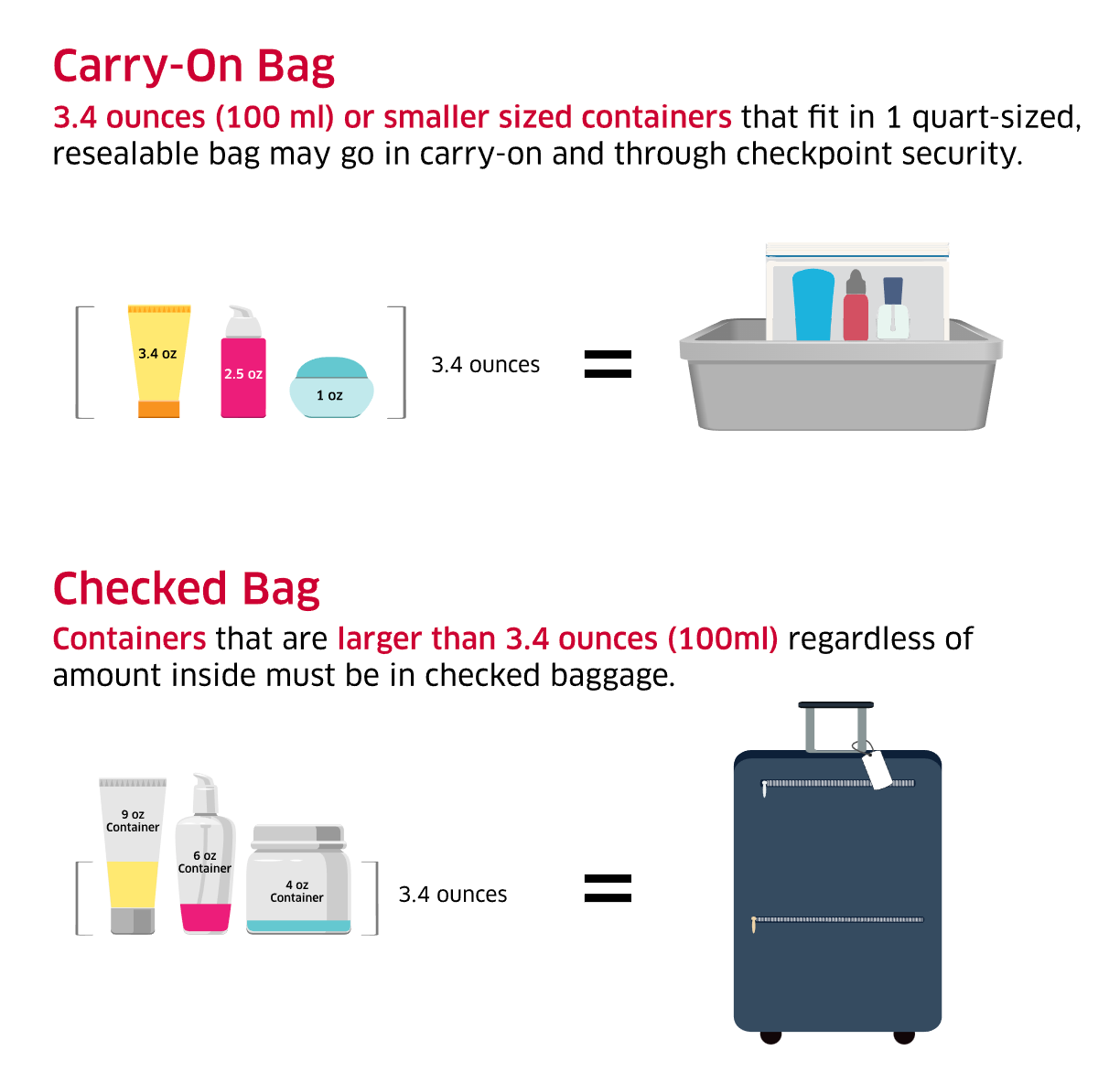
Can you bring liquids in a checked bag? This is a question many travelers find themselves pondering as they pack for their next adventure.
The rules around transporting liquids can be confusing, and no one wants to start their trip with a surprise at the airport. You're about to discover the essential information you need to ensure a smooth journey. Imagine the relief of knowing exactly what you can and cannot pack.
Picture yourself gliding through the airport with confidence, avoiding unnecessary stress and delays. By understanding these guidelines, you save time, avoid potential fines, and protect your belongings from spills and damage. Ready to make your travel preparations easier and stress-free? Let's dive into the details and unlock the secrets to traveling with liquids in your checked bag.
Liquids And Checked Bags
Understanding the rules about liquids in checked bags can save you from last-minute hassles at the airport. Unlike carry-on luggage, checked bags often have fewer restrictions on liquids, but that doesn't mean everything goes. Knowing exactly what you can and cannot pack helps ensure a smooth check-in process and protects your belongings.
Liquids Allowed In Checked Luggage
You can pack most liquids in your checked bag without worry. This includes larger bottles of shampoo, conditioner, lotions, and even beverages. Since checked bags go through different screening than carry-ons, the strict 3.4-ounce (100 ml) limit doesn’t apply here.
However, it’s smart to secure containers tightly to avoid leaks. Placing liquids in sealed plastic bags or wrapping them in clothing adds an extra layer of protection. Have you ever had your favorite lotion spill all over your clothes? Avoiding that mess is worth the extra effort.
Liquids Prohibited In Checked Bags
Not all liquids are allowed in checked luggage. Flammable liquids like lighter fluid, paint, or alcohol above a certain percentage are strictly banned. These substances pose safety risks and can lead to your bag being confiscated or delayed.
Additionally, some airlines and countries have their own specific bans on certain liquids. It’s a good idea to check your airline’s website before packing. Have you ever found yourself stuck without a critical item because it was banned? A quick check can save you that frustration.
Airline Policies On Liquids
Airline policies on carrying liquids in checked bags vary widely. Understanding these rules helps avoid surprises at the airport. Each airline sets its own limits on the type and amount of liquids allowed. These rules ensure safe and smooth travel for all passengers.
Variations Among Airlines
Different airlines have different rules for liquids in checked bags. Some allow larger quantities of liquids, including beverages and toiletries. Others restrict certain types of liquids, like alcohol or flammable items. Checking your airline’s specific policy before packing is wise. It saves time and prevents the risk of confiscation.
International Vs Domestic Rules
International flights often have stricter liquid regulations than domestic ones. Security standards vary by country and airport. Many countries follow global rules, but some add their own restrictions. Domestic flights usually allow more liquids in checked luggage. Always review the rules for both departure and arrival countries. This helps avoid trouble during security checks.
Packing Liquids Safely
Packing liquids safely in your checked bag can save you from messy spills and potential damage to your belongings. It requires a bit of thought and preparation, but it’s worth the effort to protect your items and ensure a smooth travel experience. Have you ever opened your suitcase only to find your clothes soaked because of a leaking bottle? Avoiding this common travel mishap starts with choosing the right containers and sealing them properly.
Choosing The Right Containers
Picking the right containers for your liquids is the first step to safe packing. Look for sturdy bottles or jars made from durable plastic or glass with tight-fitting lids. Avoid containers that feel flimsy or have lids that don’t close securely.
Travel-sized bottles with flip caps or screw tops are usually best because they minimize the chance of leaks. Silicone travel bottles, for instance, are flexible and less likely to break during transit.
Have you checked if your containers are BPA-free and safe for toiletries? This can make a difference for your skin and health, especially if you’re carrying lotions or creams.
Sealing And Wrapping Techniques
Even the best container can leak if not sealed properly. Wrapping each liquid container in plastic wrap before screwing on the cap adds an extra layer of protection. This simple trick can prevent leaks from escaping even if the lid loosens during travel.
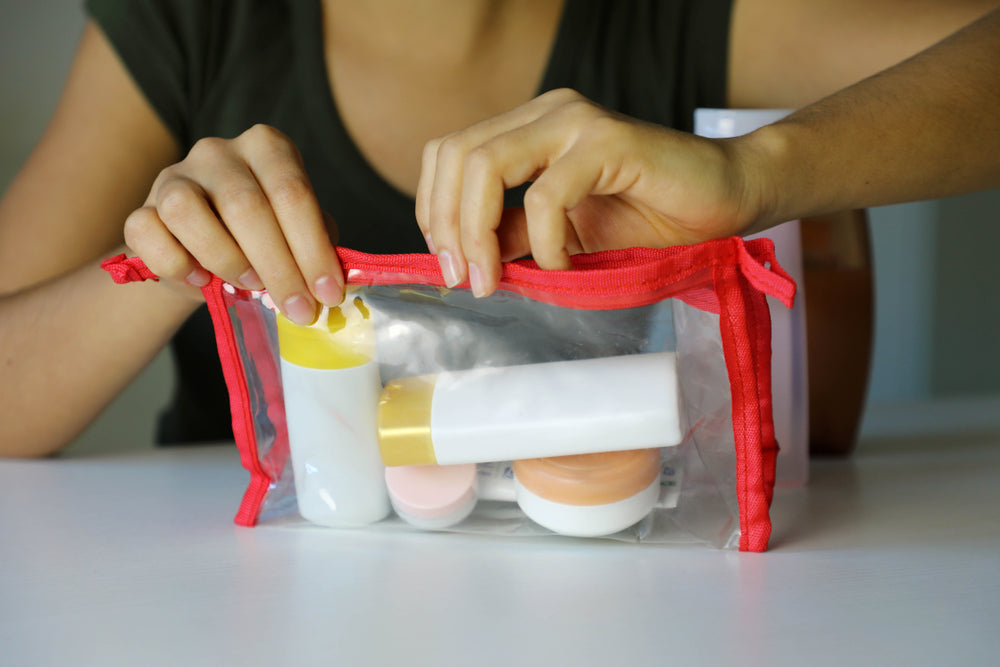
Use ziplock bags or dedicated toiletry pouches to keep all liquids together. This not only keeps your bag organized but also contains any spills within the bag, protecting your clothes and electronics.
Consider taping the lid with waterproof tape for added security, especially for bottles of shampoo or conditioner. This can give you peace of mind, especially on long flights or bumpy rides.
Security Screening And Liquids
Security screening plays a key role in air travel. It ensures safety by carefully checking all baggage. Liquids, in particular, can cause concerns during screening. Rules vary for carry-on and checked bags. Understanding how liquids are handled in checked baggage helps travelers avoid problems. This section explains the security screening process and offers tips to prevent delays.
How Checked Bags Are Inspected
Checked bags go through X-ray machines for inspection. Security staff look for prohibited items and suspicious substances. Liquids inside checked bags are not subject to the same limits as carry-ons. However, large amounts of liquid may attract extra attention. Officers may open bags to inspect liquids more closely. Containers must be sealed and properly packed to avoid spills. Any suspicious liquid can be tested or removed. The goal is to keep flights safe without damaging belongings.
Tips To Avoid Delays
- Use sturdy, leak-proof containers for liquids.
- Place liquids in sealed plastic bags to prevent spills.
- Avoid packing hazardous liquids like flammable or corrosive substances.
- Label bottles clearly with their contents.
- Do not pack large amounts of liquid in one container.
- Check airline and airport regulations before packing liquids.
- Arrive at the airport early to allow extra time for bag checks.
Exceptions And Special Cases
While the general rule limits the amount of liquids you can bring in your carry-on bag, checked baggage offers more flexibility. Still, certain exceptions and special cases apply to liquids in checked bags that you should be aware of. Knowing these can save you time and prevent surprises at the airport.
Medications And Baby Products
You can bring essential medications and baby products in your checked bag without the usual liquid restrictions. This includes items like prescription liquid medicines, baby formula, breast milk, and juice for infants. Just be sure to clearly label these items and carry documentation if possible, such as a prescription or a doctor’s note.
Remember, security officers understand that these items are necessary for health and childcare. But have you ever thought about packing a small cooler bag inside your checked luggage to keep medications at the right temperature? It’s a handy tip that many travelers overlook.
Duty-free Liquids In Checked Bags
Duty-free liquids purchased after the security checkpoint can be packed in your checked bag, but only if they are sealed in tamper-evident bags. These bags come with a receipt and a sealed package to prove you bought the items at the airport or on the plane.
However, if the seal breaks before you reach your final destination, your liquids may be subject to inspection or confiscation. Have you ever wondered how strict airports are about these seals? The best practice is to keep duty-free liquids in their original packaging until you arrive home.

Tips For Traveling With Liquids
Traveling with liquids can be tricky, especially through airport security. Knowing how to pack and handle liquids saves time and prevents issues. Follow simple tips to keep your liquids safe and compliant.
Preparing For Security Checks
Pack liquids in clear, resealable bags. This helps security officers see contents easily. Keep containers under 100ml for carry-on bags. Label bottles clearly to avoid confusion. Separate liquids from other items for faster inspection. Check airline rules on liquid limits before packing.
Handling Spills And Leaks
Use sturdy, leak-proof containers to prevent spills. Wrap bottles in plastic or place them in sealed bags. Pack liquids upright to reduce movement. Keep a small towel or tissue handy for quick cleanup. Check bags for leaks during travel breaks. Replace damaged containers before the next flight.
Recent Changes And 2026 Updates
Recent changes and updates in 2026 have brought new rules for carrying liquids in checked bags. Airports and airlines aim to improve safety while making travel smoother. Knowing these changes helps travelers pack smarter and avoid delays.
New Regulations Impacting Liquids
Starting 2026, airports enforce stricter rules on liquid quantities in checked luggage. Limits now apply to certain liquids like alcohol and chemicals. Some liquids may require special packaging or declaration at check-in.
Security checks focus more on identifying prohibited liquids early. Airlines may refuse bags that do not meet the new standards. Travelers must check their airline’s rules before packing liquids in checked bags.
Future Trends In Luggage Screening
New technology is improving luggage screening speed and accuracy. Advanced scanners detect liquids without opening bags. This reduces wait times and enhances security.
Many airports plan to use AI-based systems to identify liquid threats. These systems learn and improve with each scan. Expect smoother checks and fewer liquid restrictions in the future.

Frequently Asked Questions
Can I Carry Liquids In Checked Baggage On Flights?
Yes, you can carry liquids in checked baggage. Airlines generally allow larger liquid containers in checked bags. However, some restrictions may apply for hazardous liquids. Always check your airline’s specific policies before packing liquids in checked luggage.
Are There Liquid Quantity Limits For Checked Bags?
Most airlines do not have strict liquid quantity limits for checked bags. Unlike carry-on rules, checked bags allow larger volumes. Still, hazardous liquids may be restricted or prohibited. Always verify with the airline to avoid issues during security checks.
Are Liquid Containers Allowed In Checked Luggage?
Yes, liquid containers are allowed in checked luggage. Ensure containers are securely sealed to prevent leaks. Pack liquids in durable, leak-proof packaging. This helps avoid damage to your belongings and other passengers’ luggage during transit.
Can I Pack Alcohol In My Checked Bag?
You can pack alcohol in checked bags if it meets airline and customs rules. Alcohol volume limits often apply, usually up to 70% alcohol by volume. Check regulations for your destination country to avoid confiscation or fines.
Conclusion
You can bring liquids in a checked bag, but follow airline rules. Pack liquids tightly to avoid spills. Large containers usually go in checked luggage. Avoid carrying fragile or valuable liquids this way. Always check your airline’s specific rules before packing.
This helps you travel smoothly and avoid problems. Remember, safety and convenience come first when flying. Keep your liquids secure and enjoy your trip. Simple steps make travel easier and stress-free.