

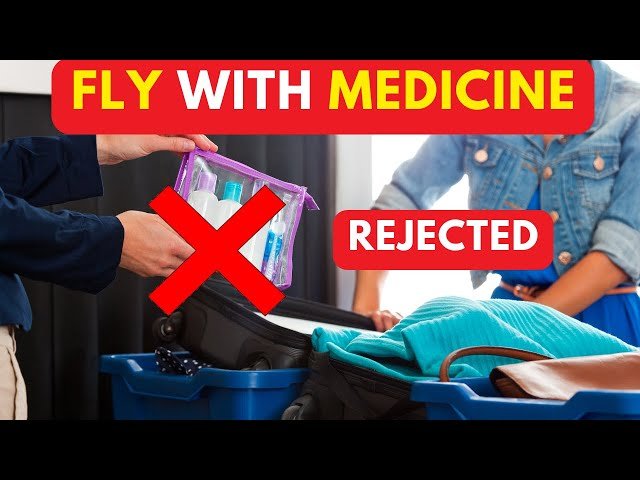
Are you planning a trip and wondering if you can bring medicine in your carry-on? You're not alone.
Navigating airport security with medication can be confusing and stressful. You might worry about what’s allowed and what could cause delays. But fear not! This guide is here to help you travel smoothly with your medications. By the end of this article, you’ll feel confident and prepared to pack your medicine without any hassle.
Let’s ensure your journey is as stress-free as possible, starting with understanding the rules and tips for carrying medicine on board. Keep reading to discover how you can breeze through security checks with peace of mind.

Carry-on Medicine Rules
Traveling with medicine in your carry-on bag requires understanding specific rules to avoid hassles at the airport. Knowing these rules helps you keep your medication safe and accessible while complying with security guidelines. Let’s look at key points about carrying medicine on board.
Airline Policies
Each airline may have its own policies about carrying medicine, so it's smart to check before you fly. Some airlines require you to declare your medication at check-in or security checkpoints.
Keep medicines in their original containers with clear labels to avoid confusion. If your medicine needs refrigeration or special handling, inform the airline ahead of time. Have a doctor’s note or prescription handy, especially for controlled substances or large quantities.
Tsa Regulations
The TSA allows you to bring prescription and over-the-counter medications in your carry-on. Unlike liquids like shampoo or drinks, medicine is exempt from the 3.4-ounce liquid limit.
However, you should separate medicines from other items during screening. TSA officers may ask to inspect your medication, so be cooperative and have everything organized.
- Declare liquid medicine over 3.4 ounces at the security checkpoint.
- Use a clear plastic bag for easier inspection, but it’s not mandatory.
- Bring a doctor’s note or prescription for any controlled medications.
Have you ever been stuck at security because your pills were loose or unlabeled? Taking a few minutes to organize your medicine can save you time and stress. Being prepared helps you focus on your trip, not airport headaches.
Types Of Allowed Medications
Traveling with medicine in your carry-on requires knowing what types of medications are allowed. Different rules apply based on the medication type and form. Understanding these rules helps avoid delays and keeps your health needs met during travel.
Prescription Drugs
Prescription drugs are allowed in carry-on bags. Carry the original prescription label to show proof. Keep medicines in their original containers to avoid confusion. Notify security officers if you have liquid medicine over the usual limit. This helps speed up the screening process.
Over-the-counter Meds
Over-the-counter medicines like pain relievers and allergy pills can be packed in carry-ons. These should be in small, reasonable amounts for personal use. Keep them in original packaging for easy identification. Avoid carrying large quantities that could raise suspicion.
Liquid And Gel Limits
Liquids and gels in carry-ons must follow size limits. Containers should not hold more than 3.4 ounces (100 milliliters). All containers must fit inside a clear, quart-sized bag. Exceptions exist for medically necessary liquids like insulin or baby formula. Declare these items at the security checkpoint for inspection.
Packing Medicine Safely
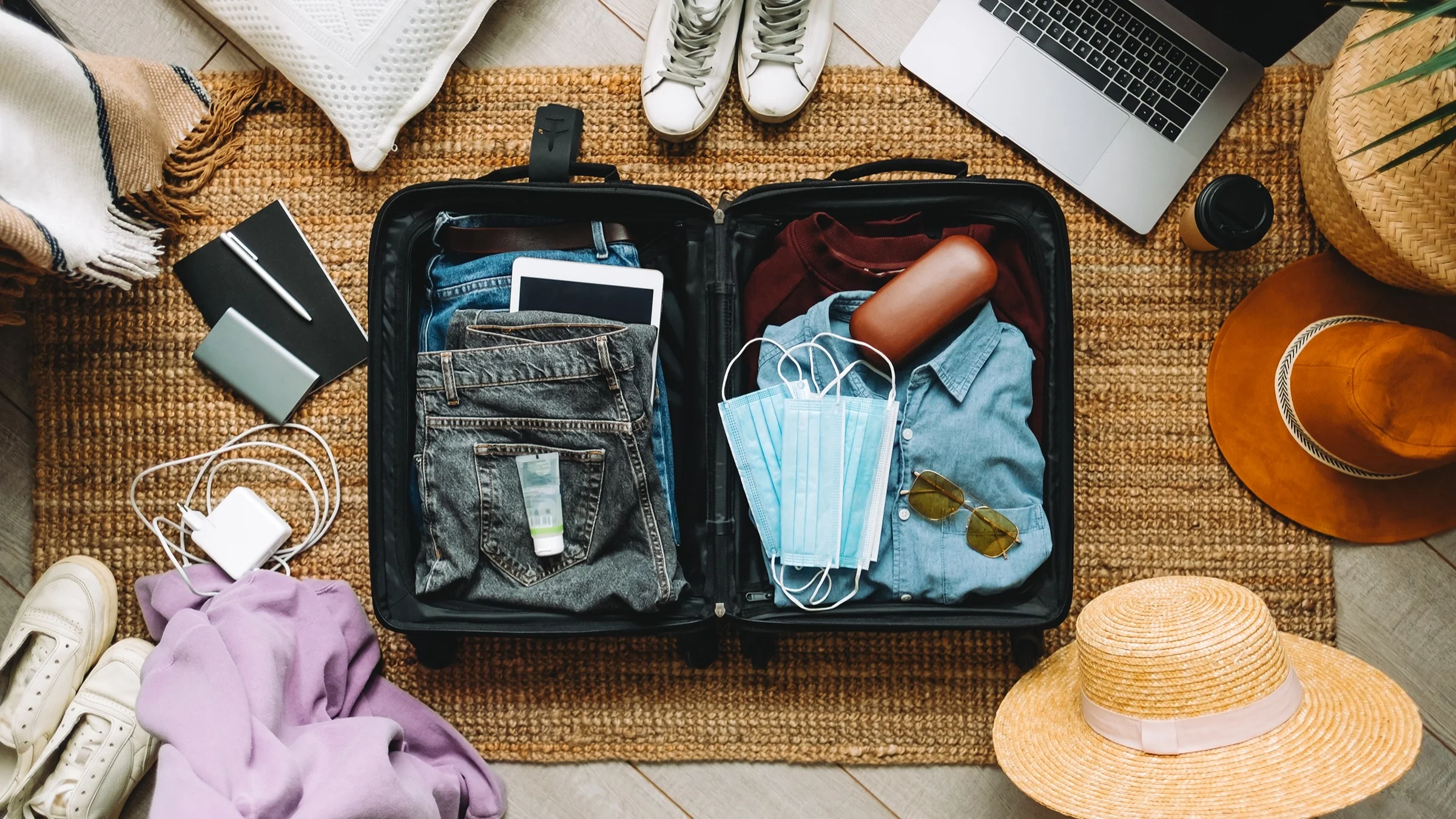
Packing medicine safely ensures smooth travel and avoids delays. Proper handling of medications keeps them effective and accessible. Organizing medicines in your carry-on helps you stay prepared during your trip.
Original Packaging
Always carry medicine in its original packaging. This shows the prescription and dosage clearly. Airport security checks become easier with original containers. Avoid transferring pills to unmarked bottles or bags. Original packaging protects medicine from damage and contamination.
Labeling Tips
Clear labeling helps identify medicines quickly. Check that labels include your name and doctor’s information. Keep labels intact and legible. Use a permanent marker for extra notes if needed. Avoid removing or covering original labels.
Organizing Pills And Liquids
Separate pills and liquids in your carry-on bag. Use small, clear plastic bags or pill organizers. Keep liquid medicine under 3.4 ounces (100 ml) in a clear bag. Place all medicines in an easy-to-reach section of your bag. This speeds up security checks and access during the flight.

Documentation To Carry
Traveling with medicine requires proper documentation. This helps avoid delays and confusion at security checks. Carrying the right papers proves the medicine is for personal use. Airlines and security officials often ask for these documents. Preparing them before your trip makes the process smoother and stress-free.
Doctor’s Notes
A doctor’s note explains why you need the medicine. It should include your name and the medicine name. The note must be recent and signed by your doctor. This paper helps security understand your health needs. Keep the note handy in your carry-on bag.
Prescriptions
Carry a copy of your prescription for each medicine. The prescription shows the medicine was legally given to you. It includes dosage and frequency details. Some medicines need original prescriptions to avoid issues. Store prescriptions in a clear folder for easy access.
Medical Devices
Medical devices need proof of necessity as well. Bring a doctor’s letter explaining the device use. Include any device manuals or instructions if possible. This helps security officers verify the device quickly. Label the device clearly with your name and details.
Dealing With Security Checks
Passing through airport security with medicine can feel confusing. Knowing how to handle security checks helps keep your trip smooth. Security officers need to ensure safety but also respect your health needs. Understanding what to expect makes the process easier and quicker.
Declaring Medications
Always declare your medications at the security checkpoint. Place them in a clear plastic bag for easy inspection. Carry original prescription labels or doctor’s notes if possible. This proves the medicine is for personal use. Declaring helps avoid delays and misunderstandings.
Handling Questions
Security officers may ask questions about your medicine. Answer calmly and clearly. Explain why you need the medication if asked. Show any supporting documents without hesitation. Being polite and cooperative speeds up the screening.
Screening Procedures
Medicines often go through X-ray machines. Liquids over the usual limit may need extra checks. Officers might test creams or gels separately. You may be asked to open medication containers. Follow instructions carefully to avoid problems. Some medicines require special handling, so check ahead.
Special Considerations
Bringing medicine in a carry-on requires special attention. Rules differ for types of medication and destinations. Travelers must prepare carefully to avoid problems at security or customs. Understanding specific needs helps keep medicine safe and accessible during the trip.
Traveling Internationally
Different countries have unique rules for carrying medicine. Some require a doctor’s note or prescription translation. Check the destination’s regulations before packing. Declare your medication at customs to avoid delays or fines. Carry medicines in original packaging with clear labels. Research if the medicine is allowed in the country to prevent confiscation.
Temperature-sensitive Meds
Some medicines need to stay cold or within a certain temperature range. Use insulated bags or cool packs approved by airlines. Never freeze medicine unless the label says it is safe. Keep temperature-sensitive meds close to you, not in checked luggage. Ask your doctor for travel tips on keeping medicines effective.
Medication Accessibility
Keep medicines easy to reach during your flight. Pack them in your carry-on, not checked bags. Bring extra doses in case of delays. Know the names and doses of your medicines in case of emergency. Inform flight attendants if you need help with medication during the trip. Always carry a list of your medicines and medical conditions.
Tips For Stress-free Medication Travel
Traveling with medication can sometimes feel overwhelming. But with a bit of smart planning, you can keep your journey smooth and stress-free. Here are practical tips to help you manage your medicine safely in your carry-on.
Advance Preparation
Start by organizing your medications well before your trip. Keep them in their original labeled containers to avoid confusion at airport security. Make a checklist of all your medicines and the doses you need to take daily.
Consider carrying a doctor’s note or prescription, especially for controlled substances or injectable medications. This can prevent delays and questions during security checks. Have you ever faced a problem because you didn’t have proof of your medicine? Preparing in advance helps you avoid that hassle.
Backup Supplies
Always pack extra medication in case your trip gets extended or your luggage is lost. Store backups in a separate part of your carry-on or in a different bag if possible. This way, losing one set won’t leave you stranded without vital medicine.
Think about what you would do if your medication got damaged or misplaced. Could you get a refill locally? Knowing your options ahead of time can save you a lot of stress. Don’t wait until you’re stuck to find out.
Emergency Contacts
Keep a list of emergency contacts related to your health, such as your doctor, pharmacy, and a family member. Save these numbers both on your phone and on a physical card in your wallet. This is crucial if you need quick help or a prescription refill away from home.
Also, note down any allergies or medical conditions on an ID bracelet or card. It can make a big difference in an emergency when you might not be able to speak for yourself. Have you updated your emergency information recently?
Frequently Asked Questions
Can I Carry Prescription Medicine In My Carry-on Bag?
Yes, you can bring prescription medicine in your carry-on. Keep medicines in original containers with labels. Declare them at security checkpoints if required.
Are There Liquid Restrictions For Medicine In Carry-ons?
Medicines in liquid form are allowed beyond the 3. 4-ounce limit. You must inform TSA officers and present them separately for inspection.
Do I Need A Doctor’s Note For Carrying Medicine?
A doctor’s note is not always required but recommended for large quantities or injectables. It helps avoid delays during security checks.
How Should I Pack Medicine In My Carry-on Bag?
Pack medicines in a clear, easily accessible bag. Keep essential medications separate for quick access during security screening.
Conclusion
Carrying medicine in a carry-on bag is usually allowed. Keep medicines in original containers for easy checks. Carry a doctor’s note for prescription drugs to avoid trouble. Liquids must follow airline rules, so pack carefully. Always check the airline’s policy before traveling.
This helps avoid delays and keeps you safe. Travel with your medicine close to you at all times. Being prepared makes your trip smoother and stress-free. Safe travels and take care of your health!