

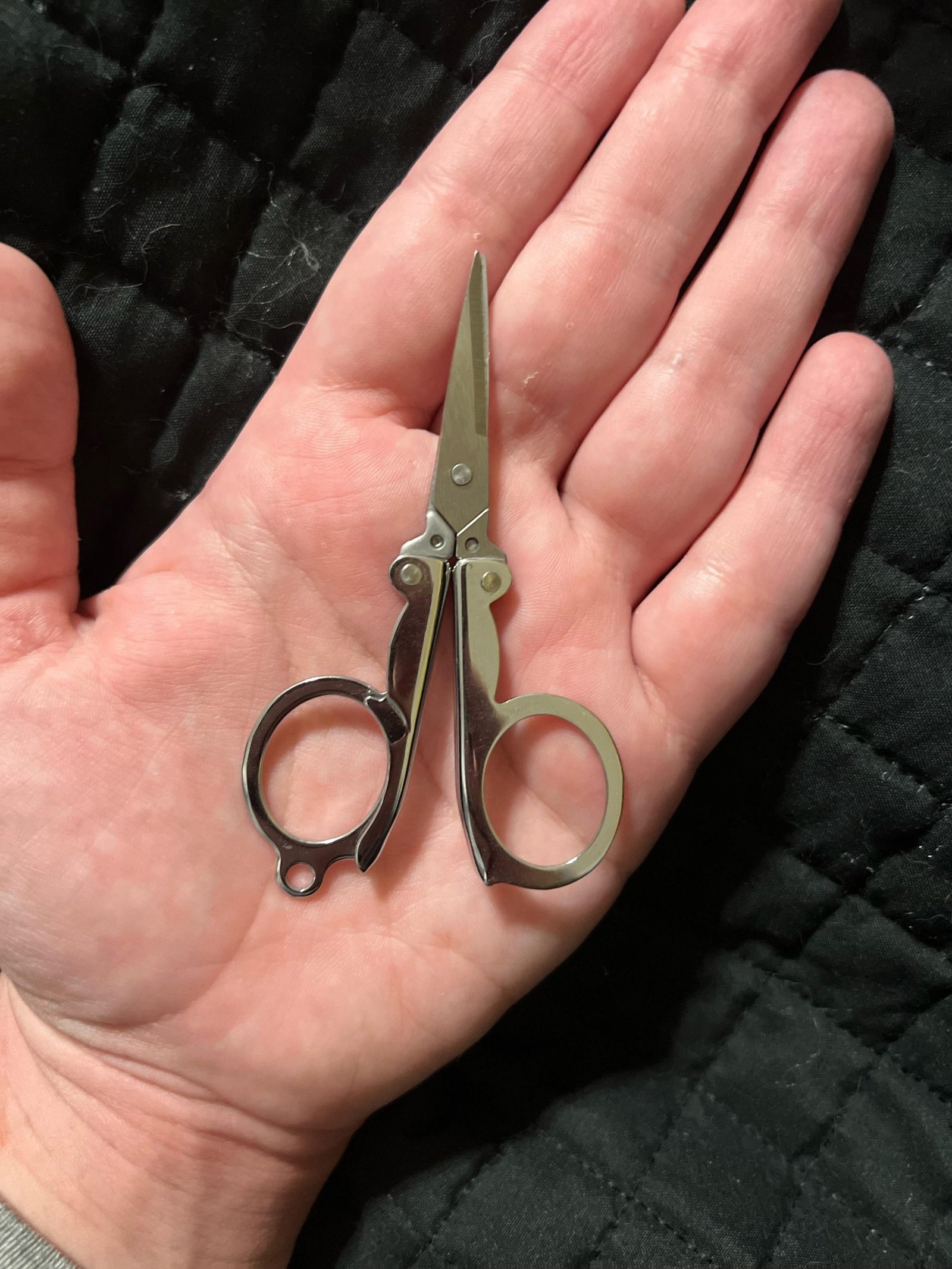
Are you planning a trip and wondering if you can pack your trusty scissors in your carry-on bag? You’re not alone.
Navigating airport security rules can feel like solving a puzzle, leaving you anxious about what will make it through the checkpoint. The last thing you want is to have your scissors confiscated, or worse, face a delay that could ruin your travel plans.
But don’t worry, we’ve got you covered. We’ll unravel the mystery of traveling with scissors, ensuring you’re fully prepared and stress-free before you head to the airport. Stick around to learn exactly what you need to know to breeze through security with your scissors in tow.

Tsa Scissors Rules
The TSA has clear rules for carrying scissors in your carry-on bags. Knowing these rules helps avoid delays at airport security. Scissors can be a useful tool, but safety is the priority. The TSA focuses on the size and type of scissors you bring. Understanding these guidelines makes packing easier and keeps your travel stress-free.
Allowed Scissors Types
- Scissors with blunt tips are usually allowed.
- Small scissors used for sewing or crafts are permitted.
- Scissors with blades shorter than the allowed length can pass security.
Prohibited Scissors
- Scissors with sharp, pointed tips are not allowed.
- Scissors designed as weapons or with long blades are banned.
- Any scissors that can cause harm or damage are prohibited.
Blade Length Restrictions
The TSA limits scissors blade length to 4 inches or less. Measurement is from the pivot point to the tip. Scissors longer than this must go in checked luggage. This rule applies to all types of scissors. Carrying scissors within this size avoids confiscation at security.
Packing Scissors Safely
Packing scissors safely in your carry-on bag is essential to avoid problems at airport security. Sharp objects can cause delays or even get confiscated. Taking simple steps protects you and others during travel. Proper packing keeps scissors secure and easy to find.
Using Protective Covers
Always use protective covers for scissor blades. Plastic or silicone covers prevent accidental cuts and damage. Many scissors come with blade guards; if yours do not, purchase a cover separately. Wrapping blades with tape can also add a layer of safety. This helps keep the blades from opening or scratching other items.
Placement Tips In Carry-on
Place scissors in a separate compartment or pouch within your carry-on. Avoid putting them loose among clothes or electronics. A hard case or small box provides extra protection. Keep scissors near the top of your bag for easy access. This helps security officers check them quickly without unpacking your entire bag.
Alternatives To Carrying Scissors
Consider alternatives to carrying scissors in your carry-on. Small nail clippers or thread cutters can work for minor tasks. Many airports have shops where you can buy scissors if needed. Shipping scissors in checked luggage is safer and often allowed. Choose tools that meet airline rules to avoid delays.
Consequences Of Violations
Carrying scissors in your carry-on bag without following rules can cause problems. Airports have strict policies to keep all passengers safe. Ignoring these rules can lead to serious consequences.
Confiscation Procedures
Security officers will take scissors from your bag if they are not allowed. These items are removed to prevent any safety risks. Once confiscated, you usually cannot get them back at the airport. This means losing your scissors and any value they hold.
Delays And Security Checks
Carrying prohibited scissors can slow down your security screening. Officers may ask extra questions or inspect your bag again. This causes longer wait times for you and others. It can also make you miss boarding times or connecting flights.

Scissors In Checked Luggage
Scissors in checked luggage offer more flexibility than in carry-ons. Airlines generally allow scissors in checked bags with some size limits. Packing scissors in checked luggage helps avoid security issues at checkpoints. Proper packing ensures safety and protects your belongings during travel.
Rules For Checked Bags
- Scissors with blades shorter than 4 inches are usually allowed.
- Blades longer than 4 inches may be prohibited or require special handling.
- Check the airline’s specific rules before packing scissors.
- Sharp objects must be securely wrapped or sheathed.
- Scissors should not be loose to prevent injury or damage.
Best Practices For Packing
- Wrap scissors in a protective cover or case.
- Place scissors in the middle of your luggage, surrounded by soft items.
- Use a hard-sided suitcase for extra protection.
- Label your bag if carrying unusual or sharp tools.
- Ensure scissors do not poke through fabric or other items.
Other Sharp Objects Tsa Rules
Besides scissors, TSA has strict rules about other sharp objects in your carry-on. Knowing what you can and cannot bring helps you avoid delays and confiscations at the security checkpoint. Let’s look at the specific guidelines for knives, razors, tools, and equipment.
Knives And Razors
Knives of any size are generally not allowed in your carry-on bags. This includes pocket knives, hunting knives, and even small utility knives. However, disposable razors and their blades are usually permitted.
Electric razors and safety razors are allowed, but razor blades that are not in a cartridge—like straight razor blades—must go in your checked luggage. Have you ever been surprised by what’s allowed? TSA’s website often updates, so checking before you pack is a smart move.
Tools And Equipment
Tools like screwdrivers, wrenches, and pliers are limited in carry-ons. Typically, tools longer than 7 inches are banned, but shorter ones might be allowed. If you need to bring tools, consider packing them in your checked baggage instead.
Sports equipment such as baseball bats, golf clubs, and hockey sticks are not allowed in carry-ons either. This rule helps keep everyone safe, but it also means you need to plan ahead if you travel with gear. Have you ever had to leave an item behind? Knowing these rules can save you that hassle.
Tips For Stress-free Security Screening
Going through airport security can feel like a hassle, especially when you’re unsure about what you can or cannot bring in your carry-on. Knowing how to prepare can save you from last-minute stress and delays. Here are some practical tips to make your security screening smooth and quick.
Preparing Your Bag
Organize your carry-on so that items like electronics and liquids are easy to access. Place liquids in clear, resealable bags and keep scissors or other sharp objects within the size limits specified by the TSA.
Consider packing scissors with blades shorter than 4 inches. Stow them in your checked luggage if they exceed that length to avoid confiscation. Have your bag packed the night before to avoid a rushed, disorganized search at security.
Knowing Tsa Updates
Security rules can change unexpectedly. Check the TSA website or app before your trip to get the latest on what’s allowed in carry-ons. This can prevent surprises that cause delays or confiscations.
Did you know TSA sometimes permits small scissors if the blades are less than 4 inches? Staying updated helps you plan better and avoid leaving essential items behind. You can even subscribe to TSA alerts for real-time updates before you fly.

Frequently Asked Questions
Can I Bring Scissors In A Carry-on Bag?
Yes, you can bring scissors in carry-on bags if the blades are shorter than 4 inches. Longer blades are not allowed for safety reasons.
Are Sharp Scissors Allowed In Carry-on Luggage?
No, sharp scissors with blades longer than 4 inches are prohibited in carry-on luggage by TSA rules.
What Types Of Scissors Are Allowed On Airplanes?
Scissors with rounded tips and blades shorter than 4 inches are permitted in carry-on bags.
Can I Carry Scissors In Checked Luggage?
Yes, scissors of any size can be packed in checked luggage without restrictions.
Conclusion
Scissors with blades longer than 4 inches cannot go in carry-ons. Small scissors are usually allowed but check airline rules first. Always pack scissors safely to avoid accidents at security. Knowing these rules saves time and stress at the airport.
Travel smart and stay informed about what you can bring. Safe travels start with good preparation.