

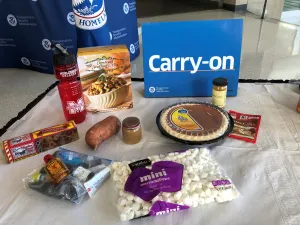
Are you planning a trip and wondering if you can pack your favorite snacks or homemade treats in your checked luggage? You’re not alone.
Many travelers face this dilemma, trying to navigate through airline regulations and security rules. Packing food in your checked luggage can be a game-changer, offering comfort and convenience during your travels. But, what’s allowed and what’s not? Is it safe?
Imagine opening your suitcase upon arrival and finding your delicious goodies intact, ready to be enjoyed. Or, consider the alternative: food confiscated at the airport, leaving you frustrated and hungry. Understanding what you can and cannot carry is crucial. This guide will clear up the confusion, ensuring your trip is as smooth and stress-free as possible. Read on to discover how you can make your travel experience more enjoyable with the right food-packed luggage.
Rules For Food In Checked Bags
Carrying food in checked luggage requires understanding specific rules. Airlines, customs, and countries have different regulations. Knowing these helps avoid delays and confiscation. Pack food safely and legally for smooth travel.
Airline Policies
Each airline sets its own rules for food in checked bags. Some allow dry, sealed items like snacks or packaged goods. Fresh fruits, vegetables, and liquids may be restricted or banned. Check airline websites before packing. Use airtight containers to prevent spills and odors. Avoid perishable items that spoil easily during long flights.
Customs Regulations
Customs officers check food items entering a country. Many countries prohibit meat, dairy, and fresh produce. These items can carry pests or diseases. Declare all food to customs to avoid fines. Failure to declare can cause penalties or confiscation. Some packaged or processed foods may be allowed with proper labeling.
International Differences
Food rules vary widely across countries. Some nations have strict import bans on animal products. Others allow certain foods with restrictions. Research the destination’s food import rules before travel. Local agriculture laws protect native plants and animals. Following these rules helps protect ecosystems and prevents legal trouble.

Types Of Food Allowed
Knowing the types of food allowed in checked luggage helps avoid issues at the airport. Rules vary by country and airline. Certain foods travel better than others. Packing the right items ensures your food stays safe and fresh.
Packaged And Processed Foods
Packaged and processed foods are generally allowed in checked luggage. Examples include canned goods, sealed snacks, and dry foods like pasta or rice. These foods do not spoil quickly and do not require refrigeration. Always keep them in their original, unopened packaging for easy inspection.
Fresh Fruits And Vegetables
Many countries restrict fresh fruits and vegetables in checked bags. Some fruits and veggies carry pests or diseases. Some places allow only certain types or require a permit. Check the rules of your destination before packing fresh produce. If allowed, pack them carefully to avoid damage.
Perishable Items
Perishable items like meat, dairy, and seafood need special care. These foods require cooling to stay safe. Use insulated containers or coolers with ice packs. Airlines may have restrictions on these items. Check airline policies and local laws before packing perishable foods.
Packing Food Safely
Packing food safely in checked luggage requires more than just tossing snacks into your bag. You want to keep your food fresh and avoid any mess that could spoil your trip or other passengers’ belongings. Paying attention to how you seal, wrap, and store your food makes a big difference.
Sealing And Wrapping
Use airtight containers or resealable plastic bags to keep your food fresh and prevent odors from escaping. Wrap items like sandwiches or baked goods tightly in plastic wrap or aluminum foil for an extra layer of protection.
Have you ever opened your suitcase only to find crumbs and spills everywhere? Proper sealing stops that from happening. Double-bagging liquids or sauces is a smart move to avoid leaks.
Avoiding Spills And Leaks
Spills can ruin your clothes and cause headaches at baggage claim. To prevent this, place liquids like sauces or soups in sturdy, leak-proof containers.
Consider placing these containers inside a zip-lock bag or a small waterproof pouch. This way, even if a container breaks, the mess stays contained.
Using Insulated Containers
If you’re carrying perishable items, an insulated container or cooler bag can keep your food at the right temperature. Pack ice packs or gel packs to maintain freshness, especially during long flights.
Remember, airline security may require you to remove ice packs if they’re not frozen solid. So, plan accordingly based on your travel schedule. Have you thought about how temperature changes affect your food during transit?

Risks Of Carrying Food In Checked Luggage
Carrying food in checked luggage can seem convenient but carries several risks. These risks might affect your food, luggage, and even your travel experience. Understanding these dangers helps you decide what to pack and how to protect your items.
Food Spoilage
Checked luggage faces varying temperatures and pressure changes. Many foods need refrigeration to stay fresh. Without it, food can spoil quickly. Spoiled food can leak, smell bad, or become unsafe to eat. This risk grows with long flights or delays.
Damage To Luggage
Food containers may break or leak during handling. Liquids or oils can stain or ruin clothes and papers. Hard or bulky food items might dent or damage the suitcase. Cleaning food spills in luggage is difficult and time-consuming.
Security Inspections
Security officers may open your luggage for checks. They look carefully for prohibited items. Food can attract extra attention and cause delays. Sometimes, food is confiscated or discarded. This can disrupt travel plans and cause frustration.
Tips For Smooth Travel
Carrying food in checked luggage can be tricky. Follow these tips for smooth travel and avoid problems at the airport. Proper preparation helps keep your food safe and complies with regulations. Plan ahead for a hassle-free journey.
Labeling Your Food
Label your food clearly before packing. Use airtight containers or sealed bags with the contents written on them. This helps airport staff identify items easily. Avoid confusion or delays during baggage checks. Proper labeling also protects your food from damage or spills.
Checking Destination Rules
Research food rules for your destination country. Some places restrict certain fresh or homemade foods. Check government or airline websites for updated guidelines. Knowing the rules prevents your food from being confiscated. Plan your food choices based on allowed items to enjoy them hassle-free.
Preparing For Security Checks
Pack food in a way that allows quick security inspections. Use transparent containers for easy viewing. Avoid strong-smelling or messy foods to prevent complaints. Keep receipts or ingredient lists handy if needed. This preparation speeds up security screening and reduces travel stress.

Frequently Asked Questions
Can You Pack Homemade Food In Checked Luggage?
Yes, you can pack homemade food in checked luggage. Ensure it is well-sealed and complies with airline rules. Avoid liquids or perishables that can spoil during transit.
Are There Restrictions On Carrying Food In Checked Bags?
Certain foods like fresh fruits, meats, and liquids may face restrictions. Check destination country regulations and airline policies before packing food in checked luggage.
How To Keep Food Fresh In Checked Luggage?
Use airtight containers and ice packs to preserve freshness. Pack food in insulated bags to maintain temperature and prevent spoilage during the flight.
Is It Safe To Carry Perishable Food In Checked Luggage?
Perishable food is risky in checked luggage due to temperature changes. It’s better to carry perishables in carry-on bags with proper cooling methods.
Conclusion
Carrying food in checked luggage is possible but comes with rules. Airlines and countries have different restrictions. Always check what food items are allowed before packing. Avoid perishable or strong-smelling foods to keep luggage fresh. Proper packaging helps prevent leaks and mess.
Knowing the rules saves time and avoids problems at the airport. Planning ahead makes your travel smoother and stress-free. Safe travels with your food!