

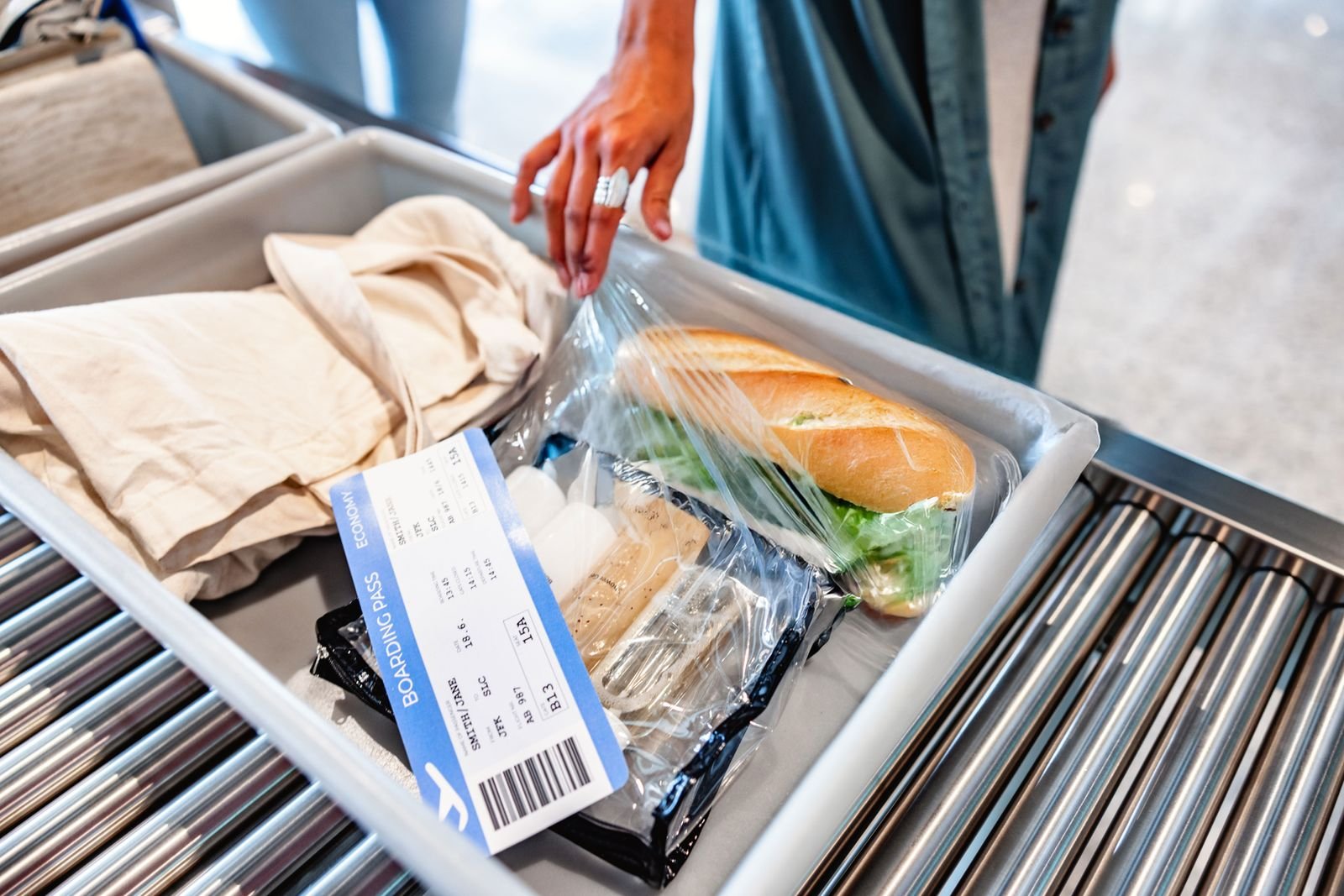
Navigating airport security can feel like a puzzle, especially when it comes to food. You might wonder, "Can you carry on food through airport security?"
This question is not only crucial for keeping your travel experience smooth but also for ensuring you enjoy your favorite snacks or meals on the go. Imagine the comfort of having a homemade sandwich or a sweet treat right at your fingertips while waiting for your flight.
It’s not just about satisfying hunger; it’s about maintaining a slice of normalcy and convenience amidst the hustle of travel. So, if you’re curious about what edible items can make it past the security checkpoint, keep reading. This guide will unlock the secrets to stress-free food travel, ensuring you’re prepared and confident for your next flight.
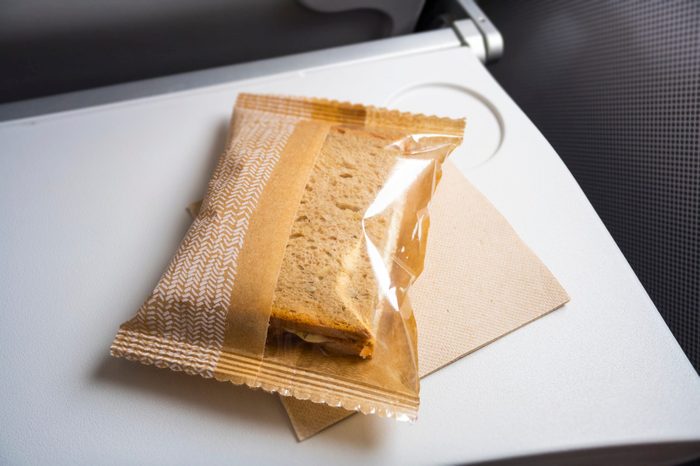
Airport Food Rules
Airport food rules help keep travelers safe and smooth the security process. Knowing these rules prevents delays and surprises at checkpoints. Different airports and countries follow specific guidelines on what food items you can carry. Understanding these rules makes travel easier and less stressful.
Tsa Food Regulations
The Transportation Security Administration (TSA) controls food items allowed in carry-on bags in the United States. Solid foods like sandwiches, fruits, and snacks usually pass without issues. Liquids, gels, and spreads must follow the 3-1-1 liquids rule.
- Containers must be 3.4 ounces (100 ml) or less
- All containers fit in one clear, quart-size bag
- Each passenger allowed one bag only
Baby food, formula, and medications are exceptions and can exceed these limits but must be declared. Frozen foods are permitted if they remain frozen during screening. TSA officers may inspect food items by hand.
International Security Standards
Security rules vary by country but share common principles. Most countries restrict liquids and gels in carry-ons. Solid foods often face fewer restrictions, but customs rules apply.
- Declare fresh fruits, vegetables, and meats to customs
- Prohibited foods include certain dairy, meats, and plants
- Check country-specific regulations before travel
Some airports allow sealed snacks and packaged foods without limits. Customs officers may confiscate restricted items to prevent pests and diseases. Always research airport and destination food policies before packing.

Allowed Food Items
Knowing which food items you can bring through airport security saves you from last-minute surprises. Airports allow many types of food, but restrictions vary based on the food's texture and packaging. Understanding these rules helps you pack smart and avoid wasting time or tossing your snacks.
Solid Foods
Solid foods like sandwiches, fruits, and vegetables usually pass through security without issues. You can carry items such as apples, carrots, or a homemade sandwich. Just be sure they are not overly messy or liquid-like, as that might cause extra inspection.
I once brought a homemade chicken salad sandwich, but because it was a bit moist, security asked to check it. After a quick look, they let me keep it. This shows that while solids are generally fine, texture matters.
Packaged Snacks
Packaged snacks are often the easiest option for airport travel. Chips, granola bars, cookies, and nuts in sealed packages are usually allowed. These items are convenient because they are less likely to trigger security concerns.
Keep an eye on expiration dates and packaging integrity. If a bag is open or damaged, security might make you discard it. Have you ever had to throw away a favorite snack at the checkpoint? Packing sealed snacks can prevent that frustration.
Baby Food And Special Diets
Traveling with infants or special dietary needs? You can bring baby food, formula, and breast milk through security. These items are allowed even if they exceed the usual liquid limits, but you must declare them at the checkpoint.
Special diets like gluten-free or allergy-friendly foods are also permitted. Just carry enough for your trip and be prepared to show them if asked. Have your special foods ready and accessible to avoid delays or stress during screening.
Restricted Food Items
Carrying food through airport security can be tricky because many items are restricted for safety and hygiene reasons. Knowing which foods are allowed and which are not can save you time and avoid frustration at the checkpoint. Let's look at some common food categories that often cause confusion.
Liquids And Gels Limits
Liquids and gels, including sauces, soups, and yogurt, have strict limits in carry-on bags. You can only bring containers of 3.4 ounces (100 milliliters) or less, and they must fit inside a single quart-sized plastic bag.
If you carry a homemade smoothie or a small jar of peanut butter, be prepared to show it separately during screening. These rules exist because liquids can be used to conceal prohibited items, so security staff are very strict.
Fresh Fruits And Vegetables
Fresh fruits and vegetables are often allowed, but this depends on your destination. Some countries have strict agricultural rules to prevent pests and diseases.
For example, if you’re traveling internationally, check if your destination allows fresh produce. If not, you might have to discard them before boarding. Domestic flights within some countries usually have fewer restrictions, but it’s best to verify ahead.
Meat And Dairy Products
Meat and dairy items face more restrictions, especially on international flights. Many countries ban bringing in raw or cooked meat and dairy to protect local agriculture and food safety.
Even sealed packages of cheese or sausages might be confiscated. If you want to carry these, check the specific rules of your destination or consider shipping them separately if allowed.
Packing Food For Security
Packing food for airport security can be tricky if you don’t know what rules to follow. Carrying snacks or meals through security is allowed, but how you pack them makes all the difference. Understanding the right containers and labeling can save you time and stress.
Containers And Packaging Tips
Use clear, resealable plastic bags or containers to pack your food. Transparent packaging helps security officers easily inspect your items without opening them, speeding up the screening process.
Remember to avoid glass containers or anything heavy that might raise suspicion. Instead, lightweight plastic or silicone containers work well and keep your food fresh. Also, cut larger items into smaller portions to fit neatly and avoid bulky bags.
Have you ever had your lunch confiscated because of improper packaging? Keeping food in small, manageable sizes and clear containers can prevent that hassle and keep your snacks safe.
Labeling And Documentation
Labeling your food clearly can be a game-changer, especially if you carry homemade or specialty items. Write down what the food is and if it contains any liquids or gels, as this helps security understand what they are inspecting.
If you carry baby food, special dietary meals, or items that need explanation, bring documentation like a doctor’s note or prescription. This proof can smooth the security check and avoid unnecessary delays.
Think about the last time you traveled with food—did clear labeling help or could it have made things easier? Taking a moment to label your items might save you time and hassle at the checkpoint.
Security Screening Process
Passing through airport security with food can raise many questions. The security screening process is designed to keep everyone safe while allowing travelers to bring their snacks along. Understanding what happens to your food during screening helps ease any anxiety and prepares you for a smooth experience.
Food Inspection Procedures
Security officers use X-ray machines to scan your carry-on items, including food containers. Solid foods like sandwiches or fruits usually pass through without issue, but liquids and gels have strict limits. You might be asked to remove food from opaque packaging so officers can see it clearly.
Sometimes, if the scanner detects something unusual, officers may need to inspect your food by hand. This can involve opening packages or asking you to taste or identify the item. Have you ever wondered why some foods trigger extra checks while others don’t? It often depends on the texture and density of the item on the X-ray image.
Handling Food During Screening
Your food items should be easily accessible in your bag to speed up the process. Pack snacks in clear containers or resealable bags to avoid spills and make inspection easier. Avoid bringing messy foods that could leak and cause delays or require additional cleaning.
When your food is inspected, stay calm and cooperative. Officers understand that you want to keep your snacks safe, and respectful communication helps the process. Have you noticed how organizing your bag well can reduce your waiting time at security?
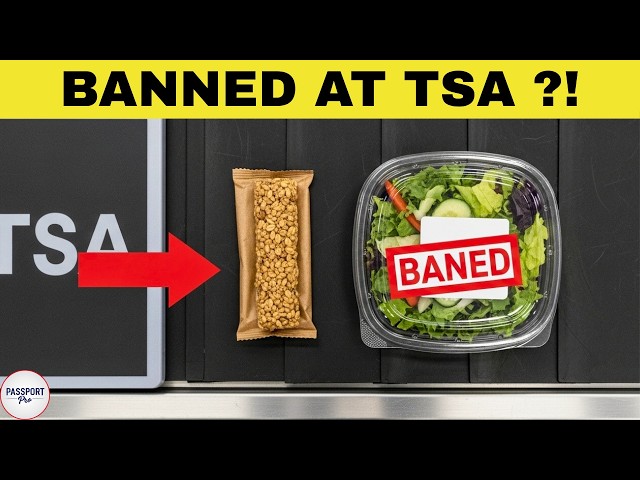
Tips For Smooth Food Travel
Traveling with food through airport security can be tricky, but a few smart choices make the process hassle-free. Knowing what to pack and how to store it can save you time and stress. Let’s look at some practical tips to help you enjoy your snacks and meals without any security hold-ups.
Choosing The Right Food
Pick foods that are easy to carry and less likely to raise questions at security. Solid snacks like nuts, granola bars, or dried fruit usually pass through without issues.
Avoid liquids or gels over 3.4 ounces, such as soups or yogurt, since they often get flagged. If you want to bring dips or sauces, pack them in small containers that meet TSA liquid rules.
Think about foods that won’t spoil quickly or make a mess. Hard cheeses or sandwiches wrapped tightly are good options for a smooth experience.
Timing And Storage Advice
Keep your food fresh by packing it right before you leave. Use insulated bags or coolers with ice packs for items that need to stay cold.
Remember, ice packs must be completely frozen when you go through security, or they might be confiscated. Plan your meal timing so you eat perishable items soon after your flight.
Do you know that opening your food for inspection can slow you down? Pack your snacks in clear containers or resealable bags to make security checks quicker and easier.
Country-specific Food Policies
Food policies at airport security checkpoints vary widely depending on the country you’re traveling from or to. Understanding these differences can save you from unexpected delays or having your snacks confiscated. Let’s look at some specific rules in major regions to help you prepare better for your journey.
Us Airport Food Rules
In the United States, the Transportation Security Administration (TSA) allows most solid foods in carry-on bags without much hassle. You can bring sandwiches, fruit, and snacks without any issues. However, liquids and gels like yogurt, sauces, or soups must follow the 3.4-ounce (100 ml) liquid rule.
One surprising tip: homemade food is treated the same as store-bought, but be ready to open your containers for inspection. Have you ever packed a homemade dip only to have it confiscated? That’s why portion size matters here.
European Airports
European airports generally follow similar rules to the US regarding liquids. You can carry solid foods freely, but liquids must be in containers of 100 ml or less and fit in a single transparent bag. This includes items like jams, spreads, and drinks.
Some airports are stricter about fresh fruits and vegetables due to agricultural regulations. For example, certain countries in the EU limit the import of fresh produce to prevent pests. Are you carrying a snack that might be restricted? It’s best to check the specific airport’s website before you pack.
Asia And Other Regions
Asian airports can have more varied rules depending on the country. Japan and South Korea, for instance, allow solid foods but are strict with liquids and powders. You might find that spices or powdered drinks require special attention during screening.
In countries like Australia and New Zealand, biosecurity laws are tight. Bringing in fresh fruit, meat, or dairy products can lead to hefty fines or confiscation. Think twice before carrying homemade meals containing these ingredients.
Have you ever wondered why some countries are so strict about food? It’s mainly to protect local agriculture and ecosystems. Your best bet is to research your destination’s policies to avoid surprises at security.
Food Alternatives At Airports
Food alternatives at airports offer many options beyond carrying your own snacks. Airports have evolved to meet travelers’ needs for fresh and tasty meals. These choices help avoid the hassle of food restrictions through security checkpoints.
Many airports feature a variety of dining spots and shops. These places provide quick bites and full meals suited for travel. Exploring these options can make your airport time more enjoyable and convenient.
Airport Restaurants And Shops
Airports host restaurants with diverse menus. You can find fast food, local cuisine, and healthy choices. Shops also sell pre-packaged snacks, sandwiches, and drinks. These items comply with security rules and are easy to carry on board.
Many restaurants offer seating areas for a relaxed meal. Grab a coffee, a fresh salad, or a hot meal after security. This helps you stay refreshed before your flight.
Pre-ordering Meals
Pre-ordering meals is a growing trend at airports. You can order food online or through an app. Pick it up at the restaurant or a designated spot after security checks.
This saves time and reduces waiting in lines. It ensures your meal is ready when you arrive. Airlines also provide pre-ordered meal services for in-flight dining. This option suits travelers with dietary needs or tight schedules.
Frequently Asked Questions
Can I Bring Homemade Food Through Airport Security?
Yes, you can bring homemade food through airport security. Solid foods are usually allowed. Avoid liquids over 100ml, as they may be restricted.
Are Liquids And Gels In Food Allowed On Flights?
Liquids and gels in food must follow the 100ml rule. Larger quantities are not permitted through security checkpoints.
How Should I Pack Food For Airport Security?
Pack food in clear, resealable bags for easy inspection. Avoid strong odors and messy items to prevent delays.
Can I Carry Fruits And Vegetables On A Plane?
Yes, most fruits and vegetables are allowed. However, check destination rules, as some countries restrict fresh produce.
Conclusion
Carrying food through airport security is possible with some rules. Liquids and gels must be in small containers. Solid foods usually pass without problems. Always check the airport and airline policies before packing. Pack snacks that are easy to inspect and sealed well.
This helps avoid delays and keeps your food safe. Being prepared makes travel smoother and less stressful. Remember, simple steps lead to easy airport security checks. Enjoy your trip and your snacks!