

Have you ever been at the airport, standing in line, wondering if you can check in a carry-on bag? You’re not alone.
Understanding the rules of air travel can be a bit like deciphering a foreign language. But here’s the thing: knowing whether you can check in a carry-on bag can save you time, stress, and possibly some money. Imagine breezing through the airport with confidence, knowing exactly what to do with your luggage.
Sounds great, right? Stick around as we unravel the mystery and arm you with the knowledge to make your next flight experience a breeze.
Carry-on Vs Checked Bags
Deciding between carry-on and checked bags can shape your entire travel experience. Each option has its own set of rules, costs, and practical benefits. Understanding these differences helps you pack smarter and avoid surprises at the airport.
Size And Weight Limits
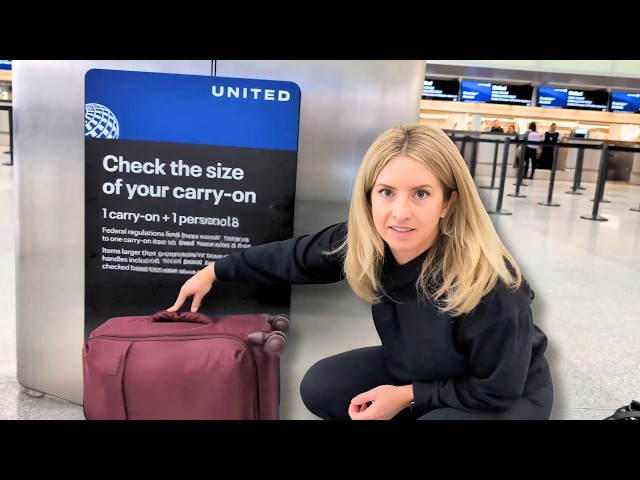
Carry-on bags usually have strict size limits, typically around 22 x 14 x 9 inches. Airlines enforce these dimensions to ensure your bag fits in the overhead bin. Weight limits vary, but many allow up to 15-22 pounds for carry-ons.
Checked bags offer more space but come with weight restrictions too, often capped at 50 pounds. Exceeding these limits can result in hefty fees. So, think about what you really need to bring and whether it fits comfortably within these boundaries.
Cost Differences
Most airlines let you bring a carry-on for free, but checked bags often come with added fees. These charges can range from $25 to over $100 depending on the airline and route. If you travel light, carrying on can save you a significant amount.
Sometimes, paying for a checked bag makes sense, especially for longer trips or when you need to bring bulky items. Have you ever paid for a checked bag only to realize you barely used the extra space? It’s worth weighing the cost against your actual needs.
Convenience Factors
Carry-ons mean no waiting at baggage claim. You grab your bag and go, which is a huge time saver. This is perfect if you’re hopping on short trips or tight connections.
Checked bags free you from lugging heavy items through the airport. But they come with the risk of delays or lost luggage. Have you ever experienced the frustration of waiting for your checked bag after a long flight? That’s a key factor to consider.
Ultimately, your choice depends on what you prioritize: speed and simplicity or packing capacity and comfort during travel.
When To Check A Carry-on
Deciding whether to check your carry-on bag can save you time and reduce travel stress. Knowing when it’s smarter to check your bag helps avoid extra fees and delays at the airport. Let’s look at key situations where checking your carry-on might be the better choice.
Overweight Or Oversized Bags
Airlines set strict size and weight limits for carry-on bags. If your bag is even slightly over the allowed size or weight, you’ll likely have to check it at the gate. Trying to squeeze in a bulky bag can slow you down and add unexpected fees.
Think about the last time you packed that heavy backpack or large suitcase. Did it feel cramped or too heavy to lift easily? If yes, checking it can give you peace of mind and avoid last-minute hassles.
Security Restrictions
Some items simply aren’t allowed in carry-on luggage due to security rules. Liquids over 3.4 ounces, sharp objects, or certain sports gear must be checked. If you pack these items without planning to check your bag, you might have to throw them away or face delays.
Have you ever had to empty your bag at security? It can be frustrating and time-consuming. Checking your bag in these cases helps you move through security faster and keeps your belongings safe.
Connecting Flights
If you’re catching multiple flights, especially with different airlines, checking your carry-on might be smarter. Some airlines don’t transfer carry-on bags automatically, meaning you’d have to collect and re-check your bag yourself.
Imagine rushing through a busy airport with your carry-on in tow while trying to make a tight connection. Checking your bag through to your final destination can reduce this stress and help you focus on reaching your gate on time.
Airline Policies On Carry-on Check-in
Airline policies on checking in carry-on bags vary significantly and can impact your travel experience. Knowing these rules before you pack saves you time, money, and hassle at the airport. Let’s look at how different airlines handle carry-on check-in, from major carriers to budget airlines and international flights.
Major Airline Rules
Most major airlines expect you to carry your bag onboard rather than check it in. They usually allow one carry-on bag plus a personal item, like a purse or laptop bag, free of charge.
If your carry-on exceeds size or weight limits, some airlines may require you to check it at the gate, often with a fee. For example, American Airlines lets you check a carry-on for free at the gate only if overhead bin space is full, but this depends on the flight.
Always check your airline’s website before flying—rules can change, and some flights have stricter limits. Have you ever been surprised by a last-minute gate check? It’s more common than you think.
Low-cost Carrier Practices
Budget airlines often have stricter carry-on policies to maximize revenue and space. Many low-cost carriers charge fees for carry-on bags that you must check in at the counter or gate.
Ryanair, for example, allows a small free personal item but charges for larger carry-ons that go in the cabin. This can catch travelers off guard and add unexpected costs.
Planning your packing around these rules can help you avoid extra fees. Do you usually check the fine print for budget flights, or do you risk the surprise?
International Flight Variations
International flights often have different rules depending on the airline and destination country. Some airlines are more lenient with carry-on size, while others impose strict limits due to security or customs regulations.
For instance, Emirates allows two carry-on items with a combined weight limit, whereas Air France enforces a strict size limit and may check bags at the gate if overcrowding occurs.
Additionally, customs rules might require you to check certain items before boarding. Checking your airline’s international policy ahead of time can prevent travel stress. Have you encountered unexpected carry-on restrictions on international trips?
Benefits Of Checking A Carry-on
Checking a carry-on bag offers several advantages that can improve your travel experience. It reduces stress and adds convenience during your journey. Many travelers find checking carry-ons can make moving through the airport smoother. Consider the benefits before deciding to carry your bag onboard.
Avoiding Overhead Bin Hassles
Overhead bins fill up quickly on busy flights. Carrying a bag onboard means competing for limited space. Checking your carry-on avoids the stress of finding room for your bag. No more rushing to secure a spot or worrying about your bag falling out. This keeps your boarding process calm and easy.
Saving Time At The Gate
Carrying a bag slows down boarding and deplaning. Checking your carry-on helps you move faster through the gate area. You won’t need extra time to lift bags into bins. This speeds up the process for you and other passengers. Time saved here can reduce travel fatigue.
Protecting Fragile Items
Carry-on bags often get bumped or crushed in overhead bins. Checking your bag allows staff to handle it carefully. Fragile items stay safer in the cargo hold with proper packaging. You avoid damage from overhead bin pressure or shifting bags. This gives peace of mind for delicate belongings.
Risks Of Checking Carry-on Bags
Checking in your carry-on bag might seem like a convenient option, especially when you're tired of lugging it around the airport. However, there are several risks that you should consider before handing over your bag at the check-in counter. Understanding these risks can help you make better decisions about what to carry with you on board and what to check in.
Lost Or Delayed Luggage
One major risk is that your carry-on bag could get lost or delayed during transit. Airlines sometimes separate carry-ons from regular checked luggage, which increases the chance of misplacement.
Imagine arriving at your destination without your essentials—how will you manage without your clothes, toiletries, or important documents? This scenario can turn your trip stressful and inconvenient.
Damage Concerns
Checked bags often go through rough handling. Your carry-on, which may be fragile or contain valuable items, could get damaged if placed in the cargo hold.
Think about your laptop or camera—would you risk checking them in? Keeping delicate items in carry-on bags reduces the chance of damage.
Additional Fees
Checking a bag that was meant to be carried on may lead to unexpected fees. Airlines sometimes charge extra for checked luggage, which can add up quickly.
Have you ever been surprised by a hefty baggage fee at the airport? Planning ahead and knowing the airline’s baggage policies can save you money and headaches.
Packing Tips For Checked Carry-ons
Packing a carry-on bag that you plan to check can be tricky. You want to stay within airline size limits, but also make sure you have everything you need for your trip. Proper packing helps avoid lost items and keeps you prepared for unexpected delays or changes.
Essentials To Keep With You
Always keep important documents like your passport, ID, boarding pass, and travel itinerary in your personal bag. Your phone, charger, and any medications should stay with you too. Imagine arriving at your destination and realizing your phone is locked inside a checked bag—avoid that hassle by keeping these essentials close.
Securing Valuables
Checked bags are out of your sight for hours, so never pack valuables like jewelry, cash, or expensive electronics inside. Use a small, secure bag for these items and carry it with you on the plane. You might think your bag is safe in the cargo hold, but theft or damage can happen.
Organizing For Easy Access
Pack your checked carry-on with organization in mind. Use packing cubes or zip bags to separate clothes, toiletries, and gadgets. Labeling or color-coding these makes it faster to find what you need, especially if you must grab something quickly after landing. Have you ever had to open your checked bag at the airport? Staying organized saves you from that stress.
How To Check A Carry-on Bag
Checking a carry-on bag might seem unusual since you usually bring it into the cabin. However, there are situations where you might want or need to check it instead. Understanding how to do this smoothly can save you time and stress at the airport.
At The Airport Counter
When you arrive at the airport, approach the airline counter with your carry-on. Tell the agent that you'd like to check your bag instead of taking it on board. They will tag your bag and send it to the plane’s cargo hold.
This option is handy if your carry-on is too big or if the flight is full. It’s also useful if you prefer not to carry heavy luggage through the airport. Just remember to keep essentials in a smaller personal item.
Using Self-service Kiosks
Some airports offer self-service kiosks that let you check bags without waiting in line. After printing your boarding pass, select the option to check your carry-on. The kiosk will print a bag tag for you to attach.
Then, drop your bag at the designated bag drop area. This method speeds up the process and gives you more control. Have your ID and flight details handy to avoid delays.
Gate Check Procedures
If the overhead bins fill up or your carry-on is oversized, gate checking is an option. At the gate, airline staff will tag your bag and take it for loading into the cargo hold. You usually retrieve it at baggage claim after landing.
Gate checking is convenient but means you won’t have your bag during the flight. Think about what you’ll need onboard before handing over your carry-on. Have a backup bag for valuables and essentials.

Frequently Asked Questions
Can I Check In A Carry-on Bag At The Airport?
Yes, you can check in a carry-on bag. Airlines allow you to check it at the counter or gate if needed. This often happens when overhead bin space is limited or for weight reasons.
Are There Size Limits For Checked Carry-on Bags?
Checked carry-on bags must follow airline size and weight limits. Usually, carry-on bags are smaller than checked luggage. Check your airline’s policy to avoid extra fees or denial of boarding.
Will Checking A Carry-on Bag Save Me Money?
Checking a carry-on may save money if your airline charges for overhead bin space. However, some airlines charge for all checked bags regardless. Always check baggage fees before deciding.
Can I Pack Liquids In A Checked Carry-on Bag?
Yes, liquids in checked bags are not subject to the 3. 4-ounce TSA limit. You can pack larger liquid containers safely. Just ensure they are sealed well to avoid leaks.
Conclusion
Checking in a carry-on bag depends on airline rules and your travel needs. Sometimes, it saves time and avoids overhead bin space issues. Other times, carrying it on is faster and safer for your items. Always check your airline’s size and weight limits before packing.
Planning ahead helps you avoid delays and extra fees. Packing smart makes your trip easier and less stressful. Choose the best option for your trip to travel smoothly.