

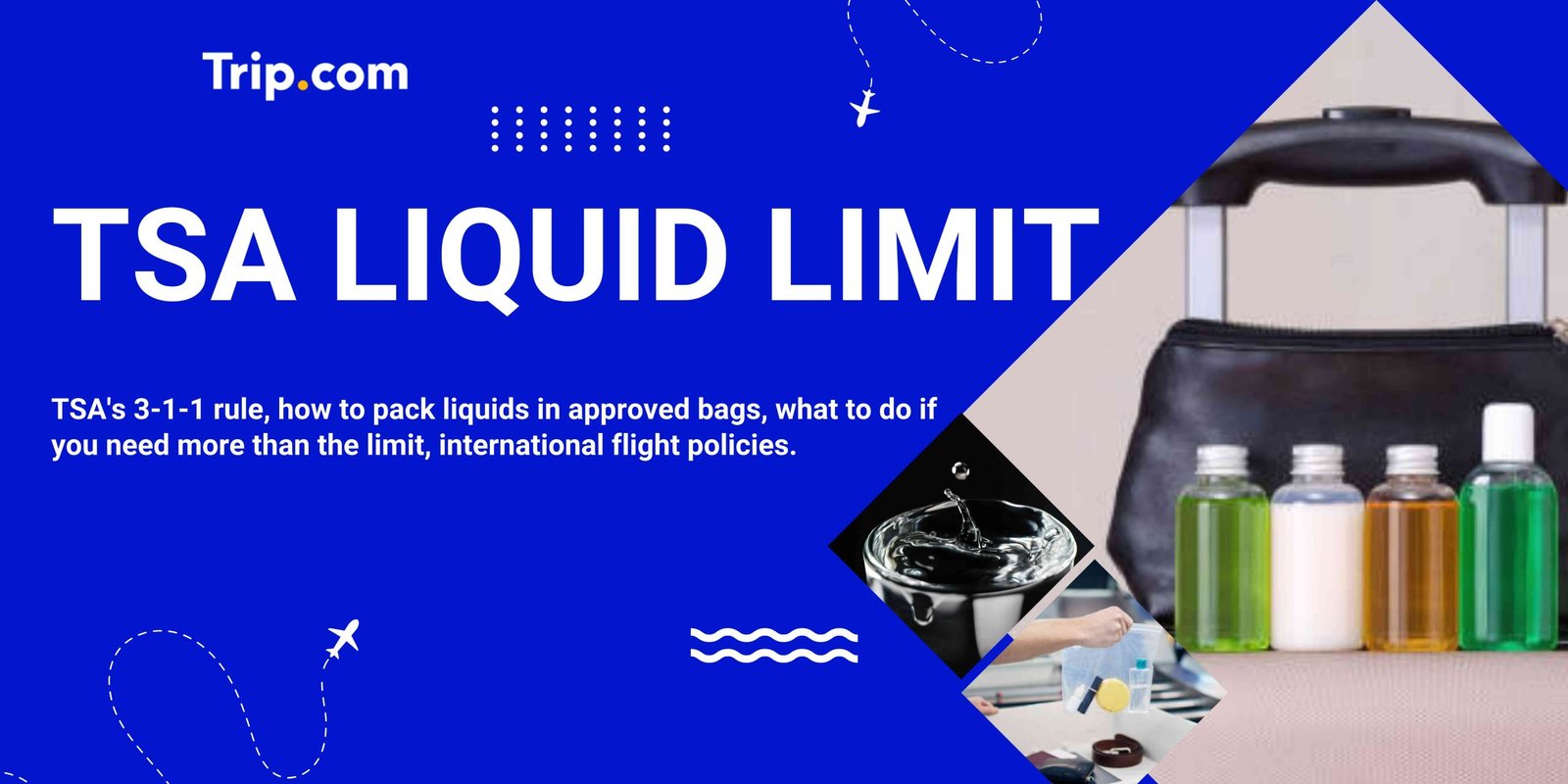
Navigating airport security with your personal items can be a puzzle, especially when it comes to aerosols. You're probably wondering if you can bring your favorite spray deodorant or hair product in your carry-on.
The rules can be confusing, and the last thing you want is to surrender your belongings at the checkpoint. This guide is tailored just for you, simplifying the do’s and don’ts of flying with aerosols. Discover how to keep your essentials close, without breaking any rules.
Stay with us and uncover the secrets that frequent flyers swear by, ensuring your next trip is smooth and stress-free.
Aerosol Rules For Carry-on
Carrying aerosols in your carry-on luggage can be tricky. Knowing the rules helps you avoid delays or having your items confiscated at the airport. Let’s break down the key regulations you need to remember before packing your aerosols.
Tsa Regulations
The Transportation Security Administration (TSA) allows aerosols in carry-on bags but with strict limits. Only non-flammable aerosols like deodorants, hairsprays, and shaving creams are permitted.
Flammable aerosols such as spray paints or insecticides are banned from carry-on luggage. All aerosol containers must be 3.4 ounces (100 milliliters) or less to comply with the TSA’s liquid rule.
Have you ever been surprised by an item getting flagged at security? Double-checking TSA guidelines can save you from that hassle.
International Guidelines
Rules for aerosols vary widely between countries. Many countries follow similar size restrictions to the TSA but may have additional bans on specific aerosol types.
Some airlines or airports outside the U.S. prohibit certain aerosols altogether in carry-on bags. It’s smart to check the airline’s website or contact them directly before traveling internationally.
Think about your destination’s rules as carefully as your departure airport’s. This prevents unexpected issues during security checks abroad.
Size And Quantity Limits
Size limits for aerosols in carry-on are generally capped at 3.4 ounces (100 ml). This matches the TSA’s liquid limit and applies to each individual container.
Quantity limits often restrict you to a total of one quart-sized bag of liquids, gels, and aerosols combined. Packing multiple aerosol cans in your carry-on might not be allowed.
Remember, even if your aerosols are within size limits, packing too many can lead to extra scrutiny or confiscation. How many do you really need to bring?

Types Of Aerosols Allowed
Knowing which aerosols you can bring in your carry-on can save you a lot of hassle at airport security. Different types of aerosols have different rules, so it's important to understand what’s allowed and what’s not. This section breaks down the types of aerosols you can carry with you, so you can pack smarter and avoid surprises.
Personal Care Products
Aerosol sprays like deodorants, hairsprays, and body mists are generally allowed in carry-on bags. However, they must follow the 3-1-1 liquids rule, meaning each container should be 3.4 ounces (100 milliliters) or less.
Remember, even if it’s a small can, the total volume of all your liquids and aerosols must fit inside a single quart-sized clear bag. Have you ever found yourself emptying your toiletry bag at security? Keeping these size limits in mind helps you breeze through without delays.
Medical Aerosols
Medical aerosols like inhalers and prescription sprays are usually permitted in carry-on luggage. You should carry the prescription or a doctor’s note to prove their necessity, especially for devices like asthma inhalers.
These aerosols are treated differently because they are essential for your health. If you rely on such items, packing them within easy reach can keep you stress-free during your journey.
Household Aerosols Restrictions
Household aerosols such as spray paints, insecticides, and cleaning sprays are typically prohibited in carry-ons due to safety risks. These products often contain flammable or hazardous chemicals that airports strictly regulate.
Even if the can looks small, if it’s labeled as hazardous, it won’t be allowed. Have you checked the labels on your aerosol cans before packing? Knowing these restrictions can help you avoid confiscation and wasted money at the airport.
Packing Aerosols Safely
Packing aerosols safely in your carry-on is essential for a smooth airport experience. You want to protect your belongings and comply with airline regulations while avoiding any surprises at security checkpoints. Paying close attention to how you pack can prevent leaks, spills, or even explosions that might ruin your trip.
Proper Container Sealing
Always check that the aerosol cans are tightly sealed before packing them. Even a slight opening can cause the contents to leak under pressure changes during the flight. If you notice any damage to the nozzle or cap, replace or securely tape it to avoid accidental spraying.
It’s wise to test the seal by gently pressing the nozzle outside your carry-on. Does it release any product? If yes, don’t pack it as is. A well-sealed container is your first line of defense against messes and safety issues.
Using Clear Bags
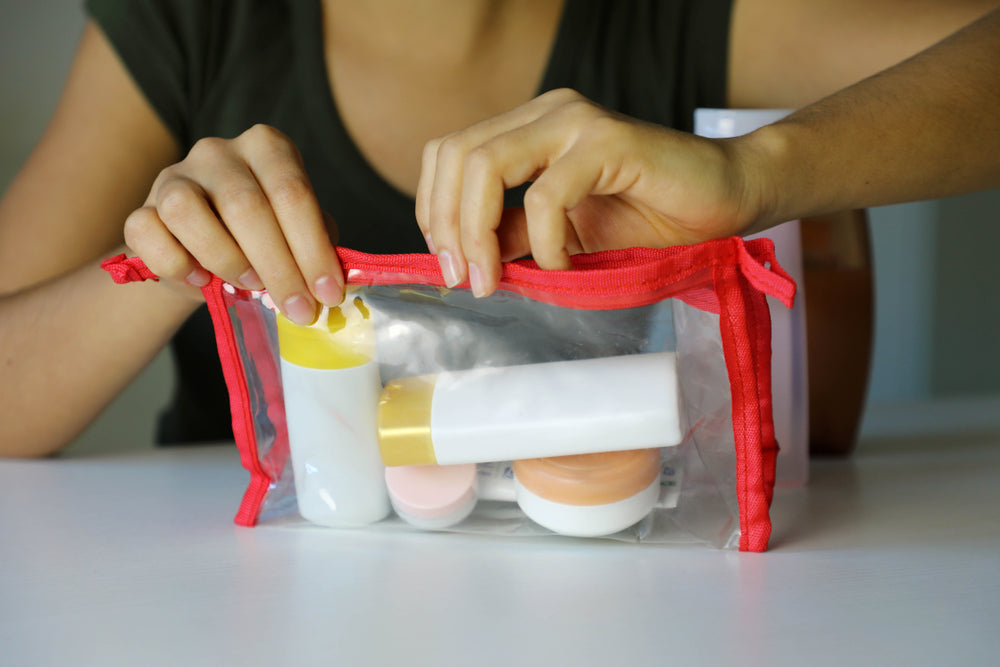
Place your aerosols inside a clear, resealable plastic bag. This makes it easier for TSA officers to inspect your items without unpacking everything. A clear bag also contains any potential leaks, protecting your other belongings.
Many travelers find that using quart-sized bags fits airline carry-on rules and keeps aerosols organized. If you’re carrying multiple small aerosol cans, separate them in different bags to reduce pressure and avoid collisions.
Preventing Leaks And Explosions
Temperature changes and rough handling can increase the risk of aerosol cans leaking or exploding. Avoid placing them near heavy or sharp objects that could puncture the container. Cushion aerosols with soft items like clothing for extra protection.
Have you ever felt your shampoo can get warm in your luggage? That heat can build internal pressure. Consider bringing travel-sized aerosols to minimize risk and stay within airline limits.

Alternatives To Aerosols
If you’re wondering how to navigate air travel restrictions on aerosols, you’re not alone. Many travelers face the challenge of packing their favorite sprays without risking confiscation at security. Luckily, there are smart alternatives that keep your essentials intact and your luggage compliant.
Non-aerosol Sprays
Non-aerosol sprays come in pump or trigger bottles. These use a simple mechanical spray system, avoiding pressurized containers that airports often restrict.
Think of your standard spray bottles for hair or cleaning products. They deliver a fine mist without the risk of explosion or leakage caused by aerosol propellants. Have you tried swapping your deodorant aerosol for a pump spray? You might find it just as effective and much easier to carry on board.
Solid And Gel Products
Solids and gels are a great alternative if you want to avoid liquids altogether. Solid deodorants, balm-style sunscreens, and gel-based hair styling products fit perfectly into carry-on rules.
These formats reduce mess and often last longer during your trip. They also eliminate worries about spray direction or evaporation. Next time you pack, consider if a solid or gel version of your favorite product could simplify your travel experience.
Travel-sized Options
Travel-sized products offer convenience and compliance in one package. Many brands sell miniature versions of sprays, gels, and solids designed to meet TSA liquid limits.
These small containers fit easily into your clear quart-sized bag. If you can’t find a non-aerosol equivalent, a travel-sized aerosol might be allowed, but always check airline rules first. Have you ever found a favorite product in a travel size that saved your packing day? It’s a simple change that can make a big difference.
Airport Security Tips
Airport security checks can feel like a maze, especially when traveling with aerosols in your carry-on. Knowing how to handle these items can save you time and frustration. Let’s look at some practical tips to help you breeze through screening and keep your travel stress-free.
Preparing For Screening
Before you reach the security line, organize your carry-on. Pack aerosols in a clear, resealable bag with your other liquids and gels. Keep each container under 3.4 ounces (100 milliliters) to meet TSA rules.
Check the labels carefully. Some aerosols like hairspray or deodorant are allowed, but spray paints or certain chemicals are not. Think about whether you really need each aerosol for your trip—can you switch to solid or roll-on alternatives?
Dealing With Confiscated Items
If security officers ask you to surrender an aerosol, stay calm and cooperative. It can be frustrating to lose an item, but arguing rarely helps. Ask if there’s a way to ship it home or buy a replacement at your destination.
Remember, security personnel act to keep everyone safe. Losing a small item is better than facing delays or missing your flight. Have a backup plan for essential items, such as travel-sized alternatives or buying them after arrival.
What To Do If You’re Unsure
Not sure if your aerosol is allowed? Don’t guess—ask. Use the airline’s website or TSA’s online tool to check rules before packing. At the airport, you can also speak directly with security staff for guidance.
Being proactive prevents surprises at the checkpoint. Have you ever been caught off guard by a banned item? How did you handle it? Sharing your experience could help others prepare better.
Special Cases And Exceptions
Not all aerosols are treated the same when it comes to flying. Some have special permissions or restrictions based on their use or contents. Understanding these exceptions can help you avoid surprises at airport security and ensure your travel goes smoothly.
Medication Aerosols
Medication aerosols like inhalers often get special treatment. Security usually allows them in carry-on bags because they’re essential for health. However, you may need to declare them and show a prescription or doctor's note.
Keep the amount reasonable—usually enough for your trip plus a little extra. Have you ever been stopped because of your inhaler? Carrying documentation can save you time and stress.
Sports And Camping Aerosols
Aerosols such as spray lubricants, insect repellents, or sunscreen sprays for outdoor activities often face stricter limits. These products may contain flammable propellants that airports regulate closely.
Check the container size—most airlines allow only small cans, typically under 100ml or 3.4 ounces. If you’re planning a camping trip, consider solid alternatives or buy these items at your destination to avoid hassles.
Airline-specific Policies
Each airline can have its own rules beyond general TSA or international regulations. Some may allow larger aerosol containers or have stricter limits based on the aircraft type or destination.
Before you pack, check your airline’s website or contact customer service. Have you ever had to leave behind an item because of airline rules? Knowing these details in advance can save you from last-minute decisions and extra fees.
Frequently Asked Questions
Can I Bring Aerosols In Carry-on Luggage?
Yes, you can bring aerosols in carry-on bags if they meet TSA rules. Each container must be 3. 4 ounces (100 ml) or less. Total liquids, aerosols, and gels must fit in one quart-sized bag.
Are There Restrictions On Aerosol Types For Flights?
Yes, flammable aerosols like spray paint or hairspray are usually prohibited. Non-flammable personal care aerosols like deodorants and shaving cream are allowed in limited quantities.
How Should Aerosols Be Packed In Carry-on Bags?
Aerosols should be sealed and placed inside a clear, quart-sized bag. This helps TSA quickly inspect your items. Make sure each container is within the allowed size limits.
Can I Carry Aerosol Deodorant On A Plane?
Yes, aerosol deodorants are allowed in carry-on bags if they are under 3. 4 ounces. Place them in the clear quart-sized liquid bag with other liquids and gels.
Conclusion
Flying with aerosols in carry-on bags is allowed but with rules. Each container must be 3. 4 ounces (100 ml) or less. All aerosols should fit in one clear, quart-sized bag. This helps airport security check your items quickly. Carrying large aerosol cans is not safe or allowed.
Always check your airline’s rules before packing. Following these tips keeps your trip smooth and stress-free. Remember, safety comes first for everyone on the plane. Pack smart, travel light, and enjoy your journey.