

Are you planning a trip and wondering if you can bring your favorite bottle of wine or a few cans of beer in your carry-on? You're not alone.
Many travelers are curious about the rules surrounding flying with alcohol. Understanding these guidelines can save you time, hassle, and even money at the airport. Imagine breezing through security without any hiccups, and having your preferred drink ready when you arrive at your destination.
Sounds appealing, right? You'll uncover the secrets of traveling with alcohol in your carry-on, ensuring you’re prepared and stress-free for your next flight. Dive in to discover everything you need to know to make your journey smooth and enjoyable!
Carry-on Alcohol Limits
Knowing the carry-on alcohol limits is crucial before packing your bag for a flight. Airlines and security agencies have clear rules to make sure everyone stays safe and follows the law. Understanding these limits can save you from surprises at the security checkpoint or even losing your favorite bottle.
Liquid Restrictions And Volume Limits
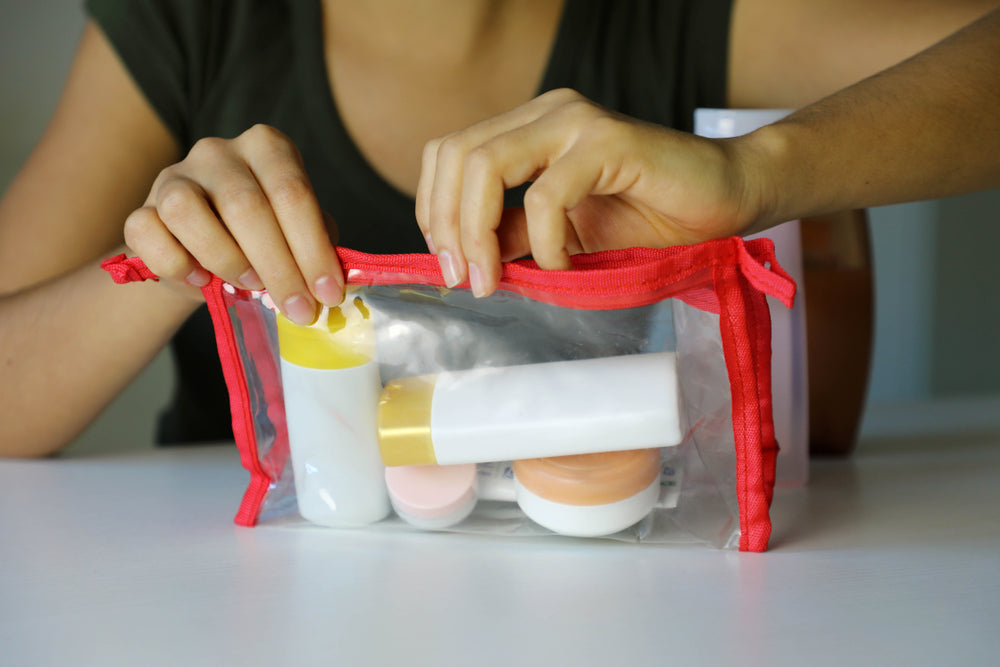
Airports enforce the 3-1-1 rule for liquids in carry-ons. This means you can carry containers of liquids that hold no more than 3.4 ounces (100 milliliters) each.
All your liquid containers must fit inside a single, clear, quart-sized bag. This includes alcohol, so even if you have a small bottle of wine or whiskey, it must follow this size limit.
Ever tried carrying a full-sized bottle of your favorite drink through security? It often gets confiscated. Packing smaller bottles or buying alcohol after security is usually the safer choice.
Alcohol Content Regulations
Alcohol content plays a big role in what you can bring on board. Most airlines and security rules allow alcohol with up to 70% alcohol by volume (ABV) in your carry-on.
Anything stronger than 70% ABV is typically not allowed due to safety concerns. For example, some high-proof spirits or liquors may be restricted.
Have you checked the label on your bottle? Knowing the ABV helps you avoid accidentally packing prohibited alcohol.
Packaging Requirements
Your alcohol must be in its original, unopened packaging to be accepted through security. This means sealed bottles with the manufacturer’s label intact.
Opening a bottle before your flight can cause issues, as TSA and other security agencies might consider it a risk. Resealable containers are usually not permitted for alcohol.
Think about how you pack your alcohol. Wrapping bottles in bubble wrap and placing them in your checked luggage might be safer if you want to carry larger quantities or opened bottles.
Airport Security Screening
Airport security screening is an important step before boarding a flight. It helps keep all passengers safe by checking carry-on items. Alcohol in carry-on bags is subject to strict rules during this process. Understanding these rules can help avoid delays and problems.
Screening Process For Alcohol
Security officers use machines to scan all carry-on bags. Liquids must be in clear, plastic bags for easy inspection. Alcohol bottles are checked for size and seal. Any container over 100 ml is not allowed through security unless bought after the checkpoint. Officers may ask to open bottles for further inspection.
Allowed And Prohibited Items
- Alcohol under 100 ml per container is allowed in carry-ons.
- Total liquid amount must fit in one quart-sized bag.
- Alcohol purchased in duty-free shops can exceed 100 ml if sealed and in a security bag.
- Unsealed or opened alcohol bottles are not allowed.
- High-proof alcohol may be restricted or banned.
Tips To Speed Up Security Checks
- Place all liquids, including alcohol, in a clear bag before screening.
- Keep the alcohol bottle easily accessible in your bag.
- Follow security officers’ instructions quickly and politely.
- Remove electronics and liquids from your bag first.
- Arrive early to allow extra time for screening.
Airline Policies On Alcohol
Airline policies on carrying alcohol vary widely. Each airline sets rules based on safety and local laws. Knowing these rules helps avoid problems at the airport or on the plane. Some airlines allow small amounts of alcohol in carry-ons, while others limit or ban it.
Variations Among Airlines
Airlines have different limits on alcohol quantity. Some allow up to 100 ml per container in carry-ons. Others may permit larger bottles but only if bought duty-free. Rules also differ for alcohol content, often restricting drinks over 70% alcohol by volume.
Check airline websites for specific rules. Policies can change depending on the country of origin or destination. Staff might ask you to discard alcohol that breaks the rules.
Bringing Alcohol Purchased Duty-free
Alcohol bought at duty-free shops can usually be carried on board. It must stay in a sealed, tamper-evident bag. Keep your receipt visible inside the bag. Some airports have limits on total volume or alcohol percentage.
Transferring between flights can affect your duty-free alcohol. You may need to follow the rules of the connecting country or airline. Opened bottles are often not allowed on the plane.
Consuming Alcohol Onboard
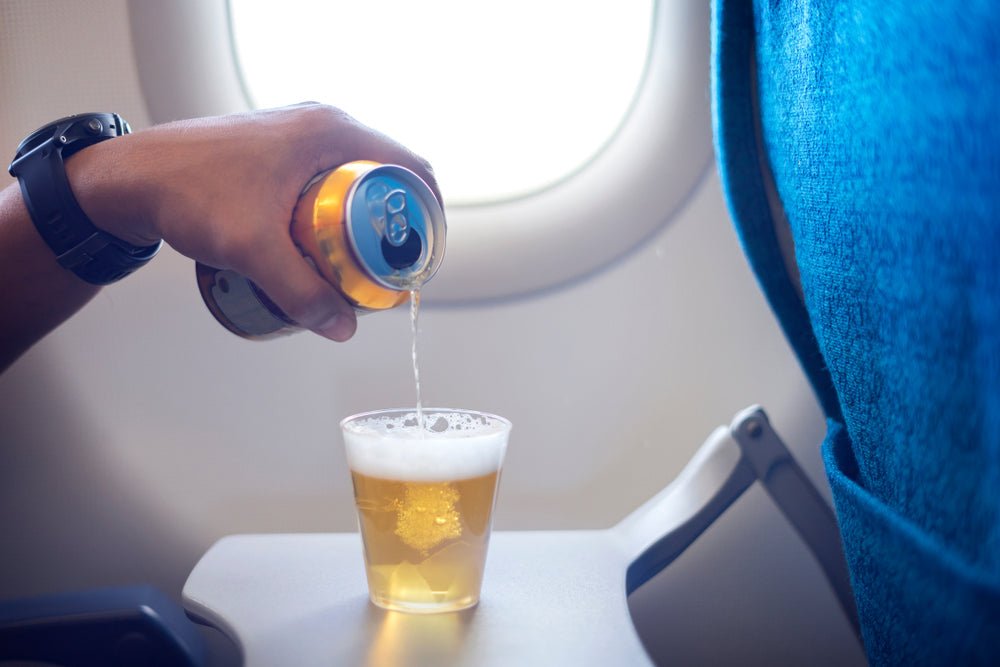
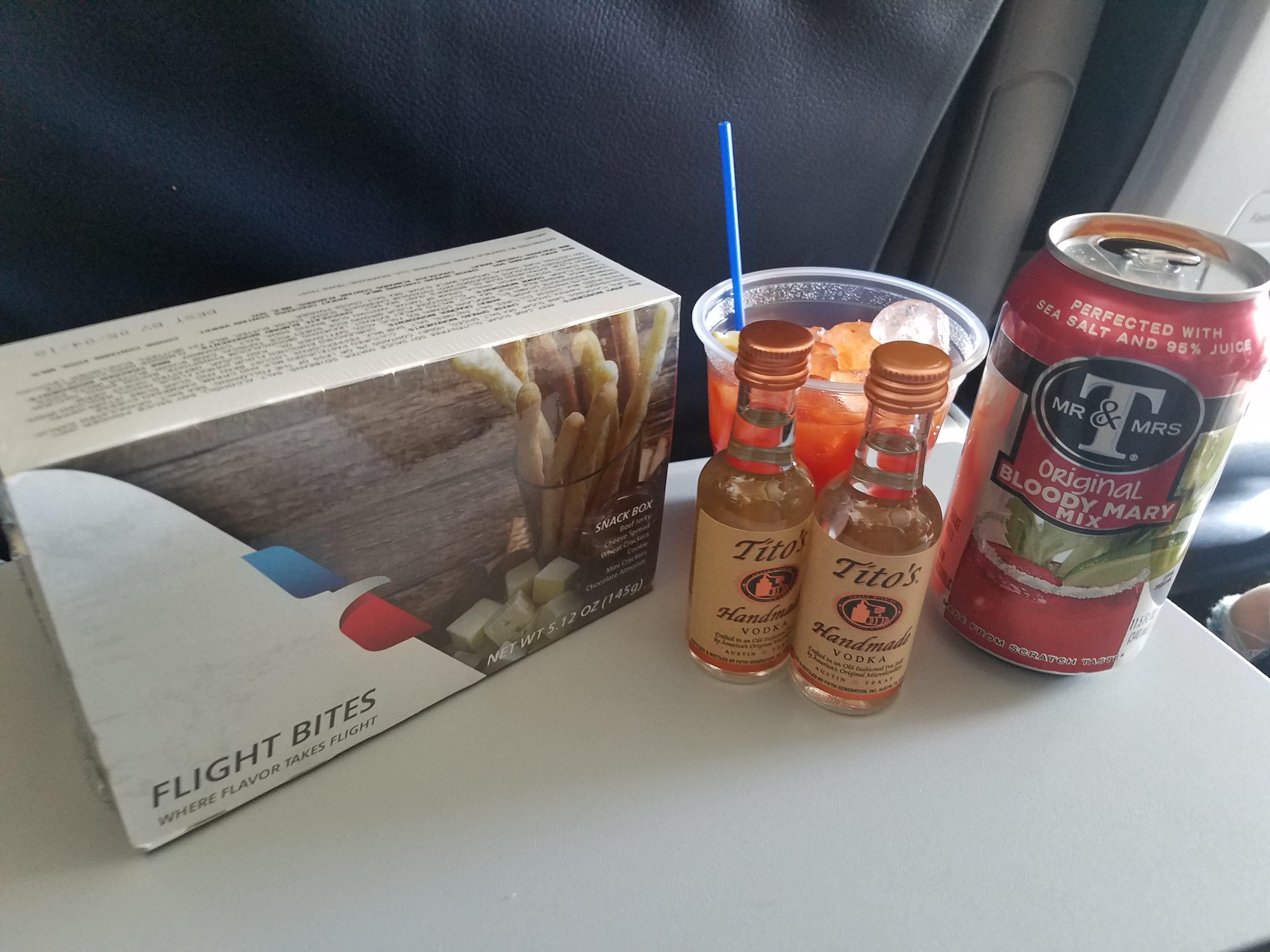
Most airlines do not allow passengers to drink their own alcohol on the flight. Flight attendants serve drinks purchased on board only. Drinking your own alcohol can cause problems with cabin crew.
Some airlines may refuse to serve alcohol if passengers appear intoxicated. Respect crew instructions about alcohol use to ensure a safe flight. Always follow the airline’s rules during your trip.
International Travel Considerations
Traveling internationally with alcohol in your carry-on requires careful planning. Rules vary widely by country and airport. Understanding these rules can prevent delays and fines. Always check regulations before packing your alcohol.
Customs Regulations By Country
Every country has its own customs rules for alcohol. Some allow small amounts duty-free. Others may ban certain types entirely. Check the destination’s customs website for limits and restrictions. Remember, customs officers have the final say at the border.
Import Limits And Declarations
Most countries set clear import limits for alcohol. Exceeding these limits means paying taxes or fines. Always declare alcohol at customs to avoid trouble. Failure to declare can lead to confiscation or penalties. Keep receipts handy to prove purchase amounts.
Handling Alcohol During Layovers
Layovers can complicate carrying alcohol. Airports have different security rules in transit zones. Liquids bought in duty-free shops usually stay sealed. Opening these can cause problems at the next security check. Check the rules for each airport during your journey.
Packing Tips For Alcohol
Packing alcohol in your carry-on can be tricky, but a little care goes a long way. You want to avoid leaks, spills, and damage while sticking to airline rules. Smart packing not only protects your belongings but also saves you from stressful airport moments.
Safe Packaging Methods
Use original sealed bottles whenever possible, as they are designed to handle pressure changes during flights. If you must transfer alcohol, choose sturdy bottles made of thick glass or durable plastic. Always keep liquids within the allowed volume limits—usually 100 ml per container in a clear, resealable bag.
Consider wrapping bottles in soft materials like bubble wrap or clothes to cushion them. This extra padding can prevent cracks or breaks, especially if your bag gets jostled. Do you carry any fragile items with you? Think about how you protect those and apply the same care to your alcohol.
Using Leak-proof Containers
Leak-proof containers are a game changer. Look for bottles with tight screw caps or specialized travel bottles with secure seals. You can also buy silicone or plastic travel flasks specifically designed for liquids.
Double-check seals by turning the container upside down before packing. A quick test at home can save you from a messy surprise later. Have you ever opened your bag to find everything soaked? Taking a few extra seconds to secure lids can save you that hassle.
Avoiding Breakage And Spills
Place your alcohol bottles upright in your carry-on to minimize movement. Position them in the center of your bag, surrounded by soft items like clothing for extra cushioning. Avoid putting them near sharp or heavy objects that could cause damage.
You might also use resealable plastic bags as a backup barrier against spills. Even if a bottle breaks, the bag can contain the mess. Have you thought about how a small leak could ruin your entire packing? Taking these precautions makes traveling with alcohol much smoother.
Frequently Asked Questions
Can You Bring Alcohol In Carry-on Bags?
Yes, you can bring alcohol in carry-on bags if it follows TSA liquid rules. Alcohol must be in containers of 3. 4 ounces (100 ml) or less. All containers should fit in a single quart-sized clear bag.
Is There A Limit On Alcohol Quantity In Carry-on?
Yes, the TSA limits liquids in carry-on bags to 3. 4 ounces per container. The total volume must fit within one quart-sized bag. Alcohol exceeding these limits must go in checked luggage.
Can You Drink Alcohol On The Plane?
No, passengers cannot consume their own alcohol onboard. Only alcohol served by the airline crew is allowed. Drinking personal alcohol can lead to penalties.
Are There Restrictions On Alcohol Percentage In Carry-on?
Yes, alcohol with more than 70% alcohol by volume (140 proof) is prohibited in carry-ons. Alcohol between 24% and 70% may be limited in quantity. Below 24% alcohol content is usually allowed.
Conclusion
Carrying alcohol in your carry-on is allowed but with limits. Bottles must follow airline and security rules. Liquids need to fit in a clear, small bag. Always check your airline’s specific rules before packing. Remember, some countries do not allow alcohol import.
Stay safe and enjoy your trip without trouble. Plan ahead to avoid surprises at security. Traveling smart keeps your journey smooth and stress-free.