

Are you planning your next trip and wondering whether you can pack aerosol in your carry-on? With so many rules about what you can and can't bring on a plane, it's easy to feel overwhelmed.
But don't worry—we're here to clear up the confusion. Imagine the peace of mind you'll have knowing exactly what to pack without worrying about security checkpoints. We'll break down everything you need to know about carrying aerosol products on your flight.
Get ready to travel smarter and stress-free as we unlock the secrets of airport regulations just for you. Stay with us, and you'll be packing like a pro in no time!
Carry-on Aerosol Rules
Understanding the rules around carrying aerosols in your carry-on can save you from last-minute hassles at airport security. Aerosols are common in travel kits, but not all types or quantities are allowed on board. Knowing what’s permitted helps you pack smarter and avoid having items confiscated.
Allowed Aerosol Types
You can bring certain aerosols in your carry-on, but they must meet specific safety guidelines. Common allowed aerosols include:
- Personal care products like deodorant, hairspray, and sunscreen
- Medicinal aerosols such as inhalers
- Toiletries like shaving cream and bug spray, if they comply with size limits
These aerosols should be for personal use and not contain hazardous materials. Have you ever packed your favorite deodorant only to be told it’s not allowed? Knowing the type can prevent that frustration.
Restricted Aerosol Products
Some aerosols are outright banned from carry-on bags due to their flammability or chemical content. These include:
- Spray paints
- Industrial or automotive aerosols like WD-40
- Self-defense sprays such as pepper spray
- Any aerosols that are toxic, corrosive, or explosive
Security officers are trained to spot these, and they won’t hesitate to confiscate them. Do you really want to risk losing an expensive item or worse, delay your trip?
Size And Quantity Limits
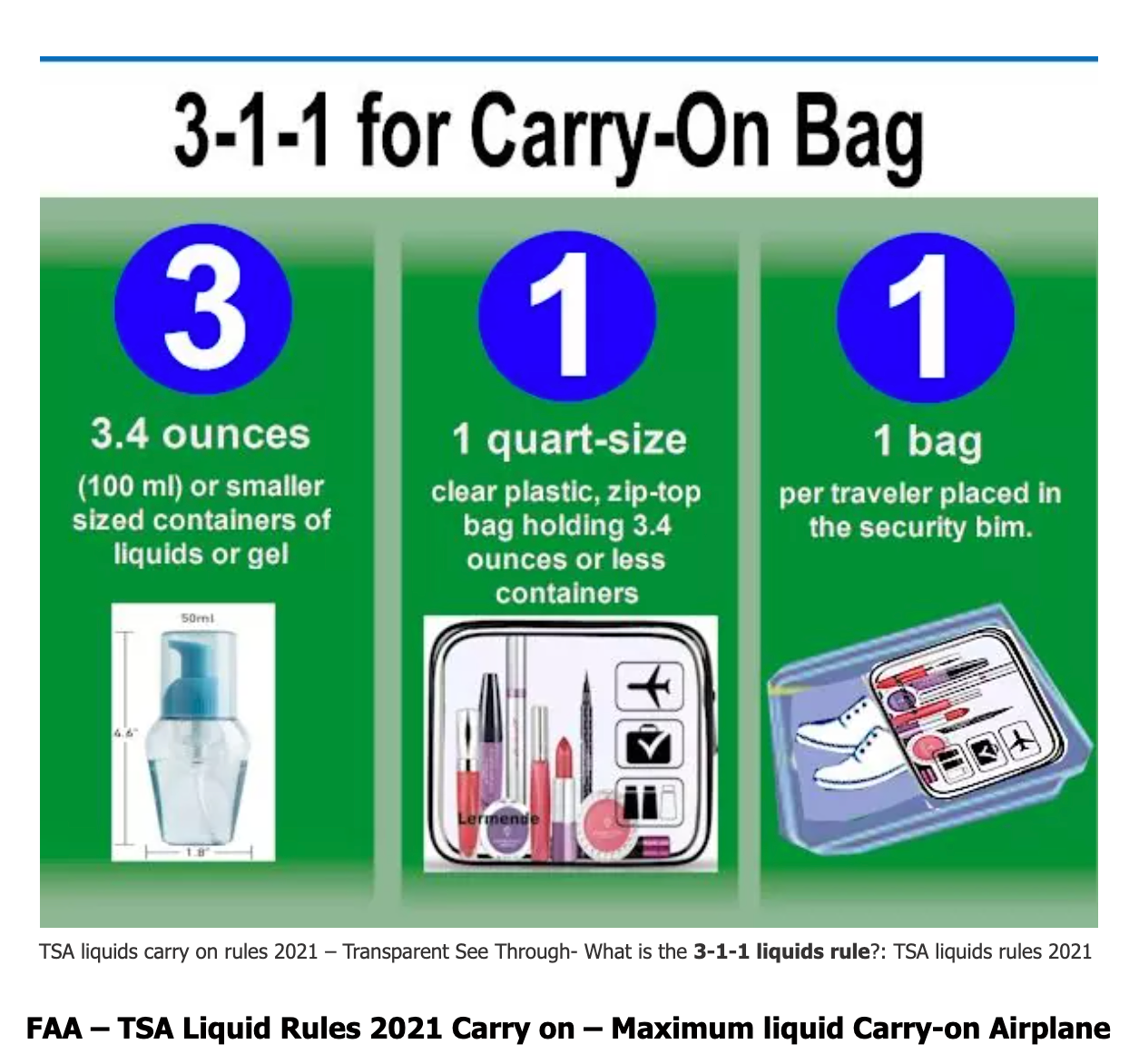
Even allowed aerosols must fit within strict size and quantity rules to be carried on. Typically:
| Rule | Details |
|---|---|
| Container Size | Each aerosol container must be 3.4 ounces (100 ml) or less |
| Bag Limit | All aerosols combined must fit within one clear quart-sized bag |
| Total Quantity | Some airlines or countries may limit total aerosol volume; check before flying |
It’s easy to overpack your toiletry bag without realizing these limits. Have you measured your sprays before? A small travel-sized bottle can make a big difference at security.

Security Screening Process
The security screening process at airports is strict about aerosols in carry-on bags. These items must meet specific rules to pass through checkpoints safely. Understanding how aerosols are checked helps travelers avoid delays and confiscations.
How Aerosols Are Checked
Security officers use X-ray machines to scan all carry-on items. Aerosol cans appear on the screen with clear shapes. Officers look for size, label, and container type. Large or suspicious aerosols may need extra inspection. Some aerosols may be tested for harmful substances. Only approved aerosols under allowed size limits pass easily.
Tips For Smooth Screening
- Place aerosols in an easily reachable spot in your bag.
- Make sure each aerosol is under the 100ml or 3.4oz limit.
- Keep aerosols in a clear, resealable plastic bag with other liquids.
- Remove aerosols from your bag if asked by security staff.
- Check airline and airport rules before packing aerosols.
- Avoid aerosols with flammable or dangerous ingredients.
Aerosol Packaging Tips
Proper packaging is key for carrying aerosols in your carry-on bag. It keeps the cans safe and prevents accidents during travel. Following simple tips helps avoid leaks, spills, and damage. Packing aerosols correctly also meets airline safety rules.
Best Containers To Use
Choose small aerosol cans under 100 ml or 3.4 ounces for carry-on. Check the label for size and pressure limits. Use sturdy cans made of metal or thick plastic. Avoid fragile or old containers that might burst. Travel-sized products are ideal for easy packing.
Reusable travel spray bottles can replace large aerosols. Fill them with your favorite liquids before the trip. These containers are lightweight and comply with liquid rules. They reduce risk and save space in your bag.
Sealing And Labeling Aerosols
Seal aerosol cans tightly to prevent leaks. Use original caps or secure lids firmly on the container. Wrap cans in plastic bags for extra protection against spills. Clear bags also help airport staff inspect contents quickly.
Label aerosols clearly with the product name and usage. This helps avoid confusion and speeds up security checks. Avoid removing or damaging original labels as they show important safety info. Proper labeling keeps your travel smooth and hassle-free.

Common Travel Aerosols
Traveling with aerosols requires understanding what items fall under this category. Aerosols are common in many travel bags. They include sprays, foams, and other pressurized containers. Knowing which aerosols are allowed in carry-on bags helps avoid delays at security checkpoints.
Personal Care Items
Personal care aerosols include deodorants, hair sprays, and shaving creams. These products help maintain hygiene and style during trips. Most airports allow small containers, usually up to 100 ml. Larger cans must go in checked luggage. Packing these items in a clear, resealable bag is often required.
Household And Cleaning Aerosols
Household aerosols cover air fresheners, cleaning sprays, and insect repellents. These items are less common in carry-ons. Airlines often restrict them due to flammability. Small, travel-sized containers may be allowed. Always check airline rules before packing these aerosols.
Medicinal Aerosols
Medicinal aerosols include inhalers and nasal sprays. These are essential for many travelers' health. Usually, these items are allowed in carry-ons even if they exceed size limits. Carry a doctor’s note or prescription to ease security checks. Store them in original packaging to prove authenticity.
International Travel Variations
Traveling internationally with aerosols in your carry-on can be tricky because rules vary widely across countries. What is allowed in one place might be banned in another. Understanding these differences helps you avoid delays or confiscations at security checkpoints.
Differences By Country
Each country sets its own limits on aerosols, often based on safety and security concerns. For instance, the European Union generally allows aerosols in carry-ons if each container is under 100 ml and the total liquids fit in a one-liter bag. In contrast, some Middle Eastern airports may have stricter restrictions or require that aerosols be packed only in checked luggage.
Japan, known for its strict airport security, limits aerosols to certain types like deodorants and hair sprays, but prohibits others such as insect repellents. Meanwhile, Canada permits aerosols but enforces strict rules on the type of propellants used due to environmental laws.
Have you ever experienced confusion at an airport because your aerosol wasn’t allowed? Knowing these country-specific rules in advance can save you from that hassle.
Checking Airline Policies
Apart from country rules, individual airlines often have their own policies on aerosols. These can vary even within the same country. Before packing, check your airline’s website or contact customer service to confirm what aerosols you can bring onboard.
Some airlines might limit the quantity of aerosols or ban certain types altogether, especially on long international flights. Others may require aerosols to be declared during check-in.
Wouldn’t it be easier to avoid surprises if you checked your airline’s rules alongside the destination country’s regulations? This simple step can make your trip smoother and stress-free.
Alternatives To Aerosols
Finding alternatives to aerosols can make your travel experience smoother and more compliant with airline regulations. These options often come in compact, easy-to-use forms that fit well within carry-on limits. Plus, they reduce the risk of leaks or pressure-related issues during your flight.
Solid And Gel Options
Solid and gel products offer a great way to carry your favorite toiletries without worrying about aerosol restrictions. Solid deodorants, for example, are just as effective as sprays and often last longer. Gels, like hair styling products or sunscreen, come in small, transparent containers that meet TSA guidelines.
I once switched to a solid shampoo bar for a week-long trip. Not only did it save space in my bag, but it also eliminated the chance of spills. Have you tried carrying solid versions of your usual products?
- Solid deodorants and shampoos
- Gel sunscreens and hair gels in travel-sized containers
- Solid perfumes or balm-based scents
Non-aerosol Sprays
Non-aerosol sprays use pump mechanisms instead of propellants, making them allowed in carry-ons under the liquid limits. These sprays deliver a fine mist without the pressure that aerosols rely on. They are perfect for items like facial mists, hair sprays, and even insect repellents.
Switching to a pump spray once helped me avoid delays during security checks. The clear bottle and gentle spray made it easy to pack and use on the go. Could a non-aerosol spray be your new travel essential?
- Pump spray bottles for perfumes and body sprays
- Non-aerosol insect repellents
- Facial mists and setting sprays in pump format

Frequently Asked Questions
Can I Bring Aerosol Cans In Carry-on Luggage?
Yes, you can bring aerosol cans in carry-on bags if each container is 3. 4 ounces (100 ml) or less. All aerosols must fit in a single quart-sized, clear plastic bag for TSA screening.
Are There Any Aerosol Restrictions For Air Travel?
Aerosols in carry-ons must meet size limits and be for personal use. Spray paints, flammable aerosols, and large containers are prohibited due to safety rules.
How Should I Pack Aerosols In My Carry-on?
Place aerosols upright in a clear, resealable plastic bag. Keep them separate from sharp objects to prevent accidental discharge and ease the security check.
Can I Carry Aerosol Deodorant On A Plane?
Yes, aerosol deodorants under 3. 4 ounces are allowed in carry-ons. Larger cans must go in checked baggage or be left behind.
Conclusion
Aerosols can be in carry-on bags but with rules. Each container must be 3. 4 ounces (100 ml) or less. All aerosols go in one clear, quart-sized bag. Know the rules before packing to avoid delays. This keeps everyone safe and smooth at security.
Remember, not all aerosols are allowed on planes. Check airline and airport guidelines before you fly. Packing smart helps your trip start right. Safe travels!