

Picture this: You’re standing at the airport, about to check in your luggage. You've packed everything meticulously, but a thought suddenly strikes you—can you lock your checked bag?
This question may seem simple, but the answer holds significant implications for your travel experience. Keeping your belongings secure is crucial, yet understanding the rules and ensuring you don’t face unnecessary hassles at security checks is equally important. In this blog post, we'll delve into whether locking your checked bag is a wise decision, unraveling the dos and don’ts so you can travel with peace of mind.
Let’s explore how you can safeguard your belongings while ensuring a smooth journey.

Checked Bag Security Basics
Understanding the basics of checked bag security helps protect your belongings during travel. Many travelers worry about theft or damage. Knowing how to secure your checked luggage offers peace of mind.
It is important to follow airline rules and choose the right lock. Proper security reduces risks without causing travel delays or lost bags.
Why Locking Matters
Locking your checked bag helps keep your items safe. It prevents casual theft and stops others from opening your luggage. Locked bags discourage tampering and protect valuable belongings.
Security locks also show that you care about your possessions. They add a layer of protection during busy airport handling. Even a simple lock can reduce the chance of your bag being targeted.
Airline Policies On Locked Bags
Each airline has rules about locking checked bags. Some require TSA-approved locks. These locks allow airport security to open and inspect bags without damage.
Non-TSA locks may be cut off if security needs to check your luggage. Airlines may not be responsible for damage from lock removal.
Check your airline’s policy before locking your bag. This helps avoid surprises at the airport. Using the right lock keeps your bag secure and compliant.
Types Of Bag Locks
Choosing the right lock for your checked bag is crucial for keeping your belongings safe while traveling. There are various types of bag locks designed to suit different needs and preferences. Understanding these options helps you decide what works best for your travel style and security concerns.
Tsa-approved Locks
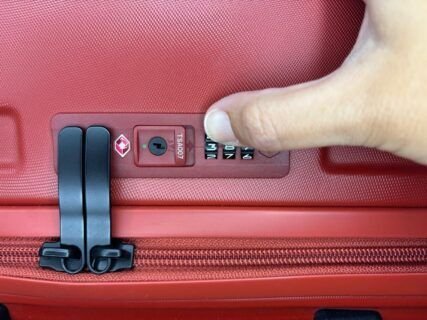
TSA-approved locks are a smart choice if you're flying within or to the United States. These locks allow Transportation Security Administration agents to open and inspect your bag without breaking the lock. If they need to check your luggage, they use a special key that fits TSA locks, preventing damage to your bag.
Using a TSA-approved lock means you don’t have to worry about lost or broken locks at the airport. They come in various styles, including combination and key locks. Have you ever had a bag lock cut off by security? TSA-approved locks can save you that hassle.
Combination Vs. Key Locks
Combination locks use a series of numbers you set yourself, so you don’t have to carry a key. This is handy because you won’t lose a key while traveling. However, you must remember your code or write it down somewhere safe.
Key locks require a physical key to open. They can feel more secure since no one can guess a code, but losing the key can be a problem. Some travelers prefer key locks because they are straightforward and quick to use.
Think about your travel habits: do you prefer managing a code or keeping track of a tiny key? Both types have pros and cons, so choose what fits your routine and comfort level best.
How To Lock Your Checked Bag
Securing your checked bag might seem straightforward, but doing it right takes a bit of know-how. You want to protect your belongings without risking damage to your luggage or delays at the airport. Let’s walk through how to lock your checked bag effectively and avoid common pitfalls.
Step-by-step Locking Guide
- Choose the right lock:Use a TSA-approved lock. These locks allow TSA agents to open your bag for inspection without breaking the lock.
- Set your combination:Before locking, set a combination you can easily remember. Avoid simple patterns like 000 or 123.
- Secure all zippers:Insert zipper pulls into the lock’s shackle or locking mechanism. Make sure the zippers are fully closed.
- Double-check the lock:After locking, try to open it without the code to ensure it’s secure. Test the combination to confirm it’s working correctly.
- Label your bag:Add a visible tag with your contact info in case your bag is misplaced. This helps airport staff return it quickly.
When I first locked my bag without checking the combination, I ended up locked out of my own suitcase at the airport. It was a simple mistake that caused unnecessary stress. Make sure your lock is set and tested before you travel.
Common Locking Mistakes To Avoid
- Using non-TSA-approved locks:These might get cut off by security, leaving your bag unprotected.
- Forgetting your combination:Write it down or store it safely. Losing it means you might have to break the lock.
- Locking bags with zippers that don’t fully close:This can lead to damage or your bag opening during transit.
- Overpacking and forcing the bag closed:This can strain zippers and locks, increasing the chance of failure.
- Not removing old locks or tags:Extra locks or tags can confuse security and slow down the inspection process.
Have you ever rushed through packing and realized your bag wasn’t properly locked only when you landed? Taking a few extra minutes to lock your bag carefully can save you time and headaches later. What’s your biggest worry about locking your luggage?
Alternatives To Bag Locks
Securing your checked bag without a traditional lock might seem tricky, but there are practical alternatives that can help keep your belongings safe. These options not only deter casual tampering but also give you peace of mind during your travels. Let’s look at some effective ways to protect your luggage beyond the usual locks.
Using Luggage Straps
Luggage straps wrap around your suitcase, adding an extra layer of security and making it harder for someone to open your bag unnoticed. They come in bright colors and unique patterns, making it easy to spot your luggage on the carousel.
Some straps feature built-in combination locks, which can be a strong deterrent without the hassle of attaching a lock. I once traveled with a simple strap, and it prevented a zipper from accidentally opening during a bumpy connection—saving me from a potential mess.
Security Seals And Tags
Security seals are tamper-evident stickers or plastic ties that show if someone has tried to open your bag. Airlines and customs often use these, but you can buy your own to add a visible layer of protection.
These seals won’t stop a determined thief, but they will alert you quickly if your bag was opened. Adding a personalized tag with your contact info also helps in case your luggage goes missing—have you ever thought about how many bags get lost simply because they lack proper identification?
Additional Travel Security Tips
Keeping your belongings safe during travel requires more than just locking your checked bag. Small habits and smart choices can improve your travel security. These tips help protect your valuables and reduce stress.
Packing Valuables Safely
Always carry important items like passports, cash, and electronics in your carry-on. Checked bags can get lost or opened by others. Use small, secure pouches inside your carry-on for extra protection. Avoid packing valuables in outer pockets of luggage. Wrap fragile items in soft clothing to avoid damage. Label your bags inside and out with your contact information.
Tracking And Insurance Options
Use luggage trackers to find your bag if it goes missing. Many trackers connect to your smartphone with GPS. Choose a tracker with a long battery life. Consider travel insurance that covers lost or damaged luggage. Check policy details before buying to know what is covered. Take photos of your luggage and contents for claims. Register your luggage with the airline if possible for faster recovery.

Handling Security Checks
Handling security checks on your checked bags can feel a bit uncertain. You want to keep your belongings safe but also comply with airport regulations. Understanding what happens if TSA opens your bag and how to prevent damage during inspections can make your travel experience smoother.
What Happens If Tsa Opens Your Bag
If TSA needs to inspect your checked bag, they may open it to look for prohibited items or security threats. They usually leave a notice inside to inform you that your bag was opened. This can happen even if you lock your bag, as TSA officers have special tools to unlock TSA-approved locks.
It’s important to know that TSA officers handle your luggage with care, but sometimes the inspection can cause slight disarray. Have you ever found your clothes mixed up or items shifted after a flight? This is why securing your belongings inside the bag is just as important as locking it.
Preventing Damage During Inspections
To protect your items from damage during security checks, pack smartly. Use soft pouches or packing cubes to keep fragile items safe and organized. Wrapping delicate things in clothes adds an extra cushion.
Consider using TSA-approved locks, which allow officers to open your bag without cutting them off. Avoid overpacking your suitcase to reduce the risk of damage when officers rummage through it. Have you tried labeling your fragile items or placing valuables in your carry-on? This small step can save you from unexpected losses.
Frequently Asked Questions
Can I Lock My Checked Luggage For Air Travel?
Yes, you can lock checked bags, but TSA-approved locks are recommended. These allow security to open your bag without damage if inspection is needed.
What Type Of Lock Is Best For Checked Baggage?
TSA-approved locks are best for checked bags. They ensure security and allow TSA agents to inspect without breaking the lock.
Will Locking My Checked Bag Prevent Theft?
Locking your bag deters casual theft but doesn’t guarantee complete security. Always use sturdy luggage and avoid packing valuables in checked bags.
Are There Airline Rules About Locking Checked Bags?
Airlines allow locks on checked bags but require TSA-approved locks for U. S. flights. Non-approved locks may be cut during security checks.
Conclusion
You can lock a checked bag, but there are rules to follow. Airlines allow TSA-approved locks for security checks. Non-approved locks might get cut by airport staff. Locking your bag helps protect your items during travel. Always check your airline’s policy before you pack.
Keep your lock key or combination safe. This small step adds peace of mind on your trip. Safe travels start with smart packing and security.