

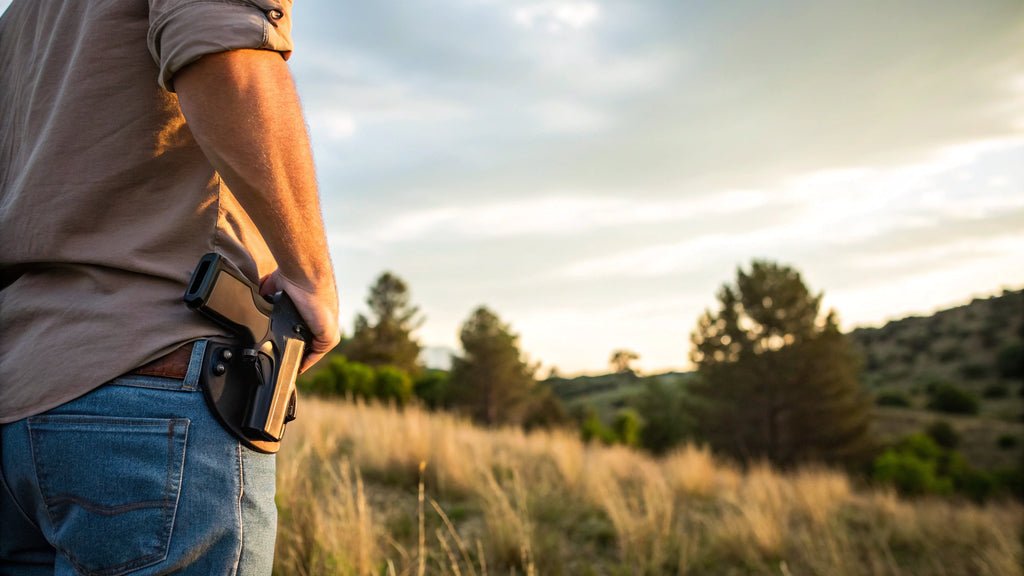
Imagine stepping onto your own property, feeling the freedom of the open air, and wondering, "Can I open carry here?" It's a question that might have crossed your mind, especially if you prioritize safety and protection.
Understanding your rights and the laws around open carry on private property is crucial. You want to ensure you're not only protecting yourself but also staying within legal boundaries. We'll delve into everything you need to know about open carrying on your own property.
You'll find the answers you're looking for, and perhaps even uncover insights you hadn't considered. So, before you make any decisions, let's get to the bottom of whether you can legally open carry on your own property.
Open Carry Basics
Understanding open carry basics is important before carrying firearms on your own property. It helps you know what is allowed and how to stay safe. Open carry means carrying a firearm visibly on your body. This practice varies by state and local laws. Knowing the rules prevents legal trouble and ensures responsible use.
What Is Open Carry?
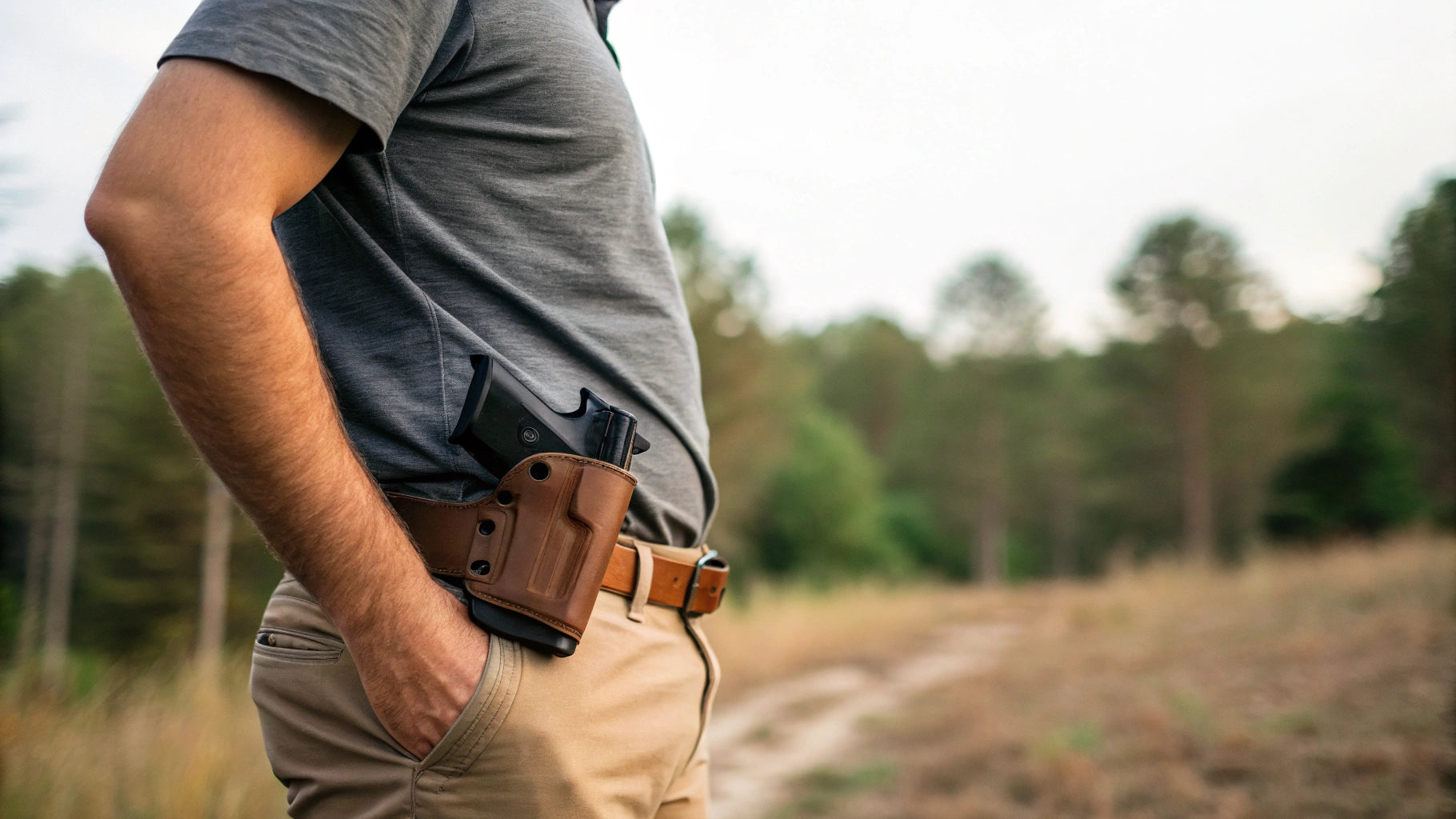
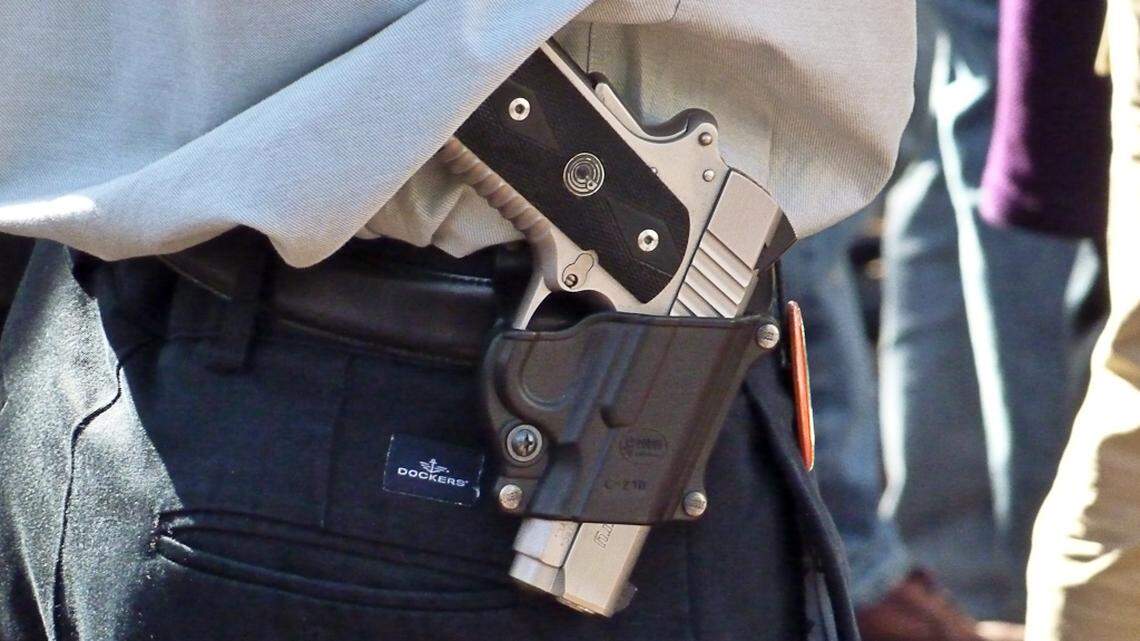
Open carry means carrying a gun where others can see it. The firearm is not hidden under clothes or in a bag. It can be in a holster or sling. People open carry for protection or to show they have a legal right to carry. The rules about open carry differ depending on where you live.
Types Of Firearms Allowed
Not all guns can be openly carried on private property. The types allowed depend on state laws. Commonly allowed firearms include:
- Handguns such as pistols and revolvers
- Rifles used for hunting or sport
- Shotguns for home defense or hunting
Some states limit the size or caliber of firearms for open carry. Others may restrict certain models or require permits. Always check local laws before carrying any firearm openly.
Property Rights And Firearms
Property rights play a key role in firearm use on private land. Owning land means certain freedoms and responsibilities. Understanding how these rights relate to carrying firearms helps avoid legal issues.
Ownership And Control Of Property
Owning property gives control over what happens on it. This includes the right to carry firearms on your land. Property owners set rules for visitors and guests. You can decide where and when firearms are allowed. The right to bear arms is part of this control. This right may vary depending on local laws and regulations.
Legal Boundaries On Private Land
Private land is not free from laws about firearms. State and local rules may restrict open carry even on your property. Some places require permits for carrying guns openly. Other areas might limit firearm use near schools or public paths. Knowing these legal boundaries is important. Violating them can lead to fines or criminal charges.
State Laws On Open Carry
Open carry laws vary widely across the United States. Each state sets its own rules about carrying firearms openly on private property. Knowing these laws helps avoid legal trouble and ensures safety. Property owners have rights, but those rights differ by location. Some states allow open carry freely on your property. Others require permits or have restrictions in place. Understanding these laws is key for responsible gun ownership.
Variation Across States
States differ in how they treat open carry on private land. Some states allow open carry without any permit on your own property. Others ban open carry completely, even on private land. A few states require you to notify local law enforcement before carrying openly. Some places limit open carry to certain types of property or restrict it near schools or public areas. Knowing your state’s specific rules can prevent fines or arrest.
Permits And Restrictions
Many states require permits for open carry, even on private property. The permit process usually includes background checks and training. Some states issue permits only to residents, while others allow non-residents. Restrictions often include:
- No open carry in buildings or near schools
- Prohibition during public events or gatherings
- Limits on the type of firearm that can be openly carried
- Rules about how the firearm must be carried (e.g., holstered)
Always check local laws before openly carrying on your property. Ignorance of the law is not a defense in court.
Local Ordinances Impact
Local ordinances can significantly affect whether you can open carry a firearm on your own property. Even if state laws generally allow open carry, city or county rules might have stricter regulations. Understanding these local differences is crucial to avoid legal trouble and ensure your rights are respected.
City And County Regulations
Each city or county may have its own rules about open carrying on private property. Some places restrict firearms in residential areas, while others allow open carry with little limitation. You need to check the specific laws where your property is located rather than relying solely on state law.
In some areas, local governments require permits or have designated zones where open carry is prohibited. For example, a city might ban open carry within city limits but allow it just outside in county areas. This patchwork of rules means you must be aware of boundary lines and local codes.
Have you ever assumed open carry was allowed only to find out a local ordinance says otherwise? That surprise can cost you fines or worse. Always verify with local law enforcement or official websites before carrying openly on your land.
Exceptions And Special Cases
Certain exceptions can apply to open carry rules on your property. For example, some local laws exempt private property owners from restrictions if the firearm is used for hunting or pest control. Understanding these exceptions can help you exercise your rights without crossing legal lines.
Special cases also include events like gun shows or private gatherings where different rules might apply. Additionally, some municipalities allow open carry during specific times or under certain conditions, like during hunting season. Knowing these details can make a big difference in staying compliant.
What if you rent your property? Does open carry still apply the same way? Often, landlords can impose their own rules that supersede local ordinances for tenants. This means your right to open carry on rented land might be more limited than on property you own.
Safety And Liability Concerns
Carrying a firearm openly on your own property comes with important safety and liability issues you need to consider carefully. It’s not just about following the law—your actions can impact your family, neighbors, and even your future legal standing. Understanding these concerns helps you protect yourself and others while exercising your rights responsibly.
Safe Handling Practices
Handling firearms safely at home means always treating your gun as if it’s loaded. Never point it at anything you don’t intend to shoot, even on your own land. Storing your firearm securely when not in use prevents accidents and keeps it away from children or visitors.
Think about setting clear rules for everyone who might be on your property. If you have guests or workers around, explain your firearm policies to avoid misunderstandings. Safety isn’t just about the gun—it’s about communication and respect.
Legal Risks And Responsibilities
Even on your own property, you face legal responsibilities when carrying openly. If your firearm is discharged accidentally or intentionally, you could be held liable for damages or injuries. Understanding local laws about open carry on private land is crucial to avoid unexpected legal trouble.
Have you considered how you would explain your actions to law enforcement or in court? Documentation, clear signage, and knowledge of your state’s rules can help protect you. Remember, being responsible means knowing not only what you can do but also what you must do to stay safe and legal.
Interactions With Law Enforcement
Interacting with law enforcement while open carrying on your own property can be a delicate situation. Understanding what to expect and knowing your rights can help you stay calm and protect yourself legally. Your behavior during these encounters can shape the outcome dramatically.
What To Expect During Encounters
Police officers may approach you out of concern or to verify your intentions. Expect questions about your identity and what you are doing. They might ask to see your firearm or permits, depending on local laws.
Officers want to ensure public safety, so they often proceed cautiously. You could be asked to put down your weapon or step away from it temporarily. It’s important to stay calm, keep your hands visible, and avoid sudden movements.
Remember, even though you are on your property, officers may still investigate if there are complaints or reports. How you respond can either escalate or deescalate the situation.
Rights During Police Stops
You have the right to open carry on your own property in many states, but this is not universal. Knowing your state and local laws is crucial before you decide to openly carry.
During a police stop, you can politely ask if you are free to leave or if you are being detained. You are generally required to provide identification if requested. However, you do not have to consent to a search without a warrant or probable cause.
Stay respectful but assertive. You can say, “I am exercising my right to open carry on my property,” and ask for clarification about any orders. Clear communication can prevent misunderstandings.
- Do not reach for your weapon unless instructed to do so.
- Keep your hands visible at all times.
- Ask if you are free to leave before making any moves.
Have you ever wondered how far your rights extend when it comes to open carry and law enforcement? Being prepared with knowledge can save you from stress and legal trouble. Your next encounter doesn’t have to be intimidating if you know what to expect and how to assert your rights calmly.
Tips For Responsible Open Carry
Carrying openly on your own property comes with a responsibility to ensure safety and maintain good relationships. Being mindful of how your actions affect others can prevent misunderstandings and conflicts. Here are some practical tips to help you carry openly with respect and care.
Communicating With Neighbors
Talking to your neighbors about your decision to open carry can build trust and reduce anxiety. A simple conversation lets them know what to expect and why you choose to carry openly. It also opens the door for any questions or concerns they might have.
Sharing your reasons calmly and clearly can change how neighbors perceive your actions. Have you ever experienced tension because someone didn’t understand your choices? Avoid that by keeping communication honest and ongoing.
Signage And Notifications
Posting clear signs around your property informs visitors about your open carry practice. This helps prevent surprises and ensures everyone is aware before entering your space. Signs don’t need to be aggressive—simple notices are often enough.
Besides signs, consider notifying regular visitors or service providers ahead of time. This small step can ease any worries and prepare them for what to expect. How often do you think people appreciate a heads-up in situations like this?
Frequently Asked Questions
Can I Open Carry A Firearm On My Own Property?
Yes, in most states, you can open carry on your own property. However, local laws may vary. Always check state and local regulations before carrying openly at home.
Are There Restrictions For Open Carry On Private Land?
Some states impose restrictions even on private property. These may include prohibiting open carry near schools or public areas. Verify your state’s specific rules to avoid legal issues.
Do I Need A Permit To Open Carry On My Property?
Permit requirements depend on your state laws. Some states allow permitless open carry on private property, while others require a license. Confirm your state’s permit rules before open carrying.
Can Open Carrying On My Property Affect My Neighbors?
Open carrying might cause concern or alarm among neighbors. It’s best to inform them or follow local ordinances to maintain good relations and safety.
Conclusion
Knowing your state's rules helps you carry safely on your property. Laws vary, so check local regulations first. Respect your neighbors and keep safety in mind. Carrying openly on your land is often allowed but not always. Stay informed and act responsibly every time you carry.
This keeps everyone safe and respects the law.