

When you're getting ready for a trip, packing can be a bit of a puzzle. You want to make sure you have everything you need, but you're also trying to navigate the maze of rules and regulations that come with air travel.
One question that might pop into your head is: "Can you pack hairspray in a checked bag? " It's a common dilemma, especially if you like to keep your hair looking its best no matter where you go. Imagine the convenience of having your favorite hairspray at your destination, ready to work its magic.
But before you toss it into your suitcase, it's essential to know the guidelines and ensure you're following airline regulations. Otherwise, you might find yourself at the airport, forced to part with your trusted styling spray. Curious about how you can avoid this sticky situation? Read on to uncover the secrets of packing hairspray safely and legally, so you can travel with peace of mind and perfect hair.
Hairspray And Airline Rules
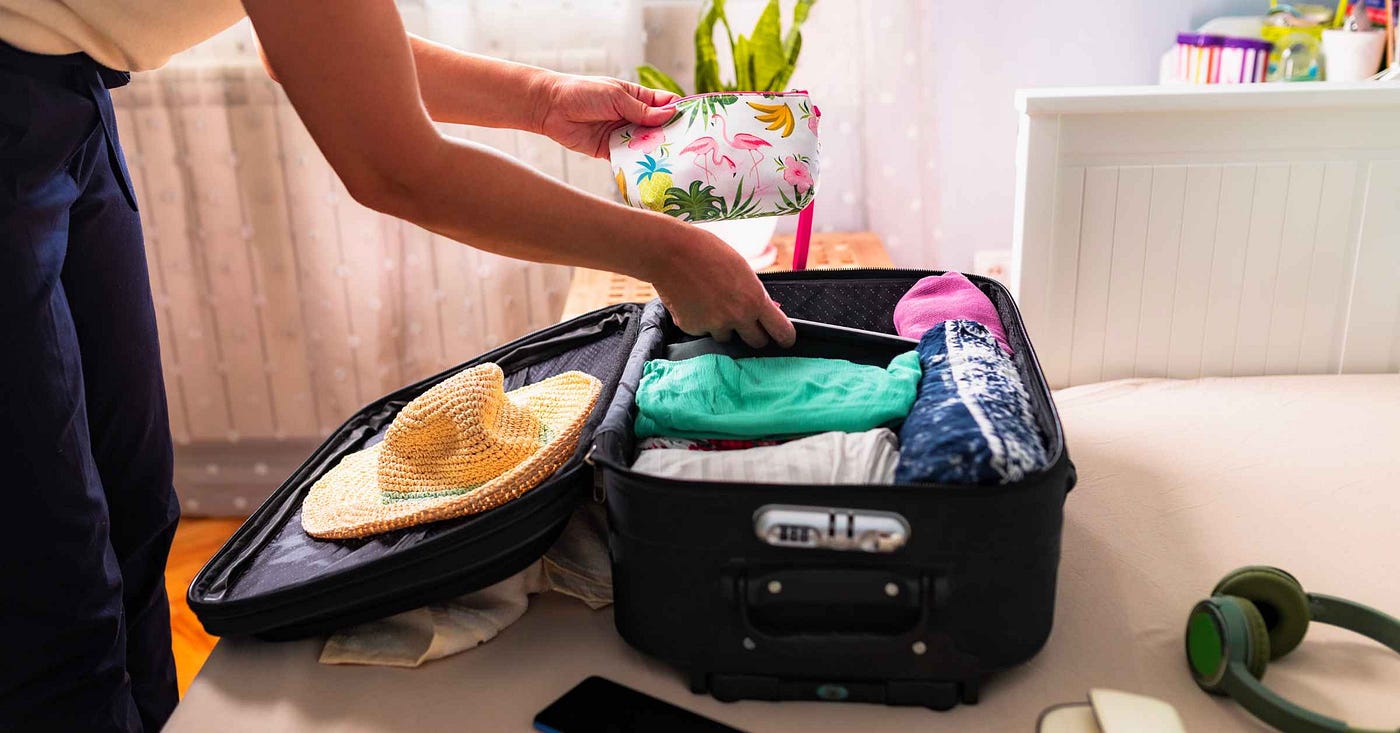
Hairspray is a common item in travel bags. Airlines and security have rules about carrying aerosols like hairspray. Knowing these rules helps avoid delays or confiscation at airports. Rules vary between checked and carry-on luggage. Understanding these guidelines makes packing easier and stress-free.
Tsa Guidelines For Aerosols
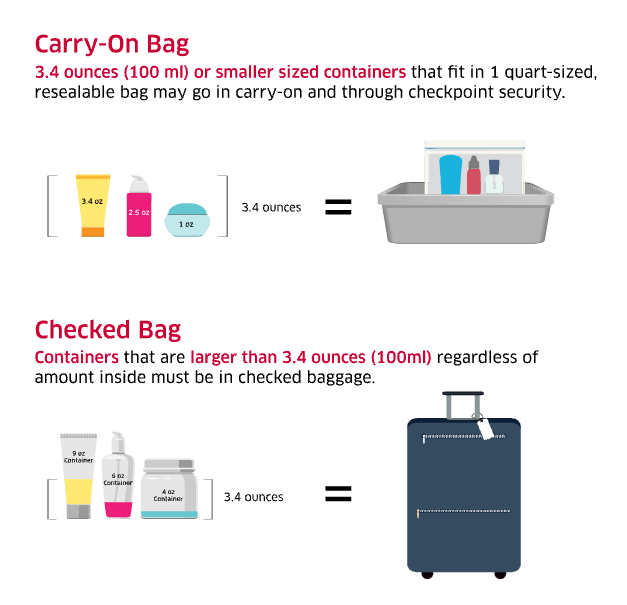
The TSA allows aerosols in checked bags but with limits. Each aerosol container must not exceed 70 ounces (about 2 kg). Total aerosols cannot exceed 70 ounces per passenger. Aerosols must have safety caps to prevent accidental release. Carry-on aerosols must follow the 3-1-1 liquids rule. This means containers must be 3.4 ounces (100 ml) or less. All containers must fit inside a single quart-sized bag. Hairspray in larger containers belongs only in checked luggage.
International Travel Regulations
International rules differ by country and airline. Many countries follow ICAO and IATA guidelines. Aerosols classified as hazardous may be restricted or banned. Always check airline policy before packing hairspray. Some airlines limit total aerosol weight per passenger. Others may prohibit aerosols altogether in checked bags. Packing hairspray in original packaging helps with inspections. Labeling is important to avoid misunderstandings at security checks.
Packing Hairspray In Checked Bags
Packing hairspray in checked bags requires careful attention to airline and security rules. Hairspray is an aerosol product, and airlines regulate its quantity and packaging. Knowing these rules helps avoid delays or confiscation at the airport. Proper packing also prevents leaks and damage to other belongings.
Allowed Quantities And Restrictions
Most airlines allow hairspray in checked luggage but limit the amount. Typically, aerosols must not exceed 2 kg (70 ounces) per passenger. Each container often cannot be larger than 500 ml (17 ounces). Some airlines may have stricter rules, so checking with the carrier is wise. Also, hairspray should be for personal use, not commercial.
Packaging Tips To Avoid Leaks
- Place hairspray cans in a plastic bag to catch spills.
- Keep cans upright to reduce pressure on seals.
- Use bubble wrap or soft clothing around cans for protection.
- Ensure caps are secure before packing.
- Check cans for damage or dents before travel.
Labeling And Declaration Requirements
Hairspray must be declared during check-in if required by the airline. Proper labeling on the container helps identify its contents. Some airports ask passengers to disclose aerosols for safety reasons. Carry receipts or proof of purchase if possible. Clear communication prevents issues during baggage screening.
Safety Concerns And Risks
Packing hairspray in your checked bag can seem convenient, but it’s important to understand the safety concerns and risks involved. These concerns are not just about rules but about your safety and the safety of others on the flight. Knowing what could go wrong helps you make smart choices when packing.
Flammability And Pressure Issues
Hairspray cans contain flammable propellants, which pose a fire risk if exposed to heat or sparks. In the cargo hold, temperature changes and pressure variations can cause the cans to expand or even burst.
Have you ever noticed how a soda can feels tighter on a hot day? The same happens with hairspray cans but with more dangerous results. A burst can may spill flammable liquid or create a fire hazard inside the plane’s cargo hold.
Airlines and authorities limit the amount of flammable aerosols you can carry because of these risks. It’s not just about the can cracking but about potential explosions under pressure changes during the flight.
Handling Damage During Transit
Your checked luggage goes through rough handling – it’s tossed, stacked, and compressed. This can damage the hairspray can, causing leaks or ruptures.
Leaking hairspray not only ruins your clothes and belongings but can also damage other luggage. Imagine opening your suitcase to find sticky residue everywhere, or worse, your bag smelling like chemicals.
Damage isn’t always visible immediately. A small puncture can worsen during the flight, leading to bigger problems. So, consider whether the risk is worth the convenience when packing hairspray in your checked bag.
Alternatives To Carrying Hairspray
Hairspray is a travel essential for many, but carrying it can be tricky due to airline restrictions. Luckily, you don’t have to skip your styling routine just because of packing rules. There are several alternatives that let you keep your hair looking fresh without the hassle of traditional aerosol sprays.
Travel-sized Products
Small, travel-sized hairspray bottles are a great way to stay within airline regulations. These containers usually hold less than 100ml, making them perfect for carry-ons and checked bags alike. Plus, they are easy to find at drugstores or beauty shops.
Carrying a travel-sized hairspray means you can refresh your look on the go without worrying about leaks or pressure changes during your flight. Have you ever tried breaking your usual bottle into smaller containers? It’s a simple trick that saves space and stress.
Non-aerosol Options
If you want to avoid aerosols entirely, non-aerosol hair sprays or styling gels are excellent choices. These come in pump or spray bottles that don’t rely on pressurized gas, so they are usually allowed in checked luggage.
Non-aerosol products often last longer and offer more control over your hair than traditional sprays. Have you noticed how some gels provide a stronger hold while keeping your hair soft? They might be the perfect alternative if you want a reliable style without the restrictions.
- Look for pump sprays labeled “non-aerosol” or “pump spray.”
- Try styling creams or mousses for volume and hold.
- Check product labels to ensure they meet airline safety standards.
Tips For Smooth Airport Security
Getting through airport security can be stressful, especially when you’re unsure about packing items like hairspray. Knowing what to expect and how to organize your bag can make the process faster and less frustrating. Let’s look at some practical tips to keep your journey smooth.
What To Expect At Security Checkpoints
Security officers will ask you to place your bags on the conveyor belt and walk through the metal detector or body scanner. Liquids, aerosols, and gels are closely inspected, so your hairspray may draw extra attention. Be ready to remove any items that might need a closer look.
Expect questions about the contents of your bag. If your hairspray is in a checked bag, it should be under the airline’s size limit for aerosols. However, security might open your bag to verify, so be patient and cooperative.
How To Pack For Easy Inspection
Place your hairspray in a clear plastic bag to keep it visible. This helps security officers quickly identify the item without digging through your luggage. Also, keep the can upright to avoid leaks and damage.
- Check the airline’s rules on aerosols before packing.
- Use travel-sized hairspray cans when possible.
- Wrap the can in clothing to cushion it.
Think about how you organize your bag. If your hairspray is buried under many items, security might take longer to inspect. Keep it near the top or in an outer pocket for easy access.
Frequently Asked Questions
Can Hairspray Be Packed In Checked Baggage On Flights?
Yes, hairspray can be packed in checked bags if the container is 70 ounces or less. Airlines and TSA allow aerosols in checked baggage but limit quantity. Always check airline policies and secure the cap to prevent leaks during transit.
Are There Restrictions On Hairspray Quantity In Checked Bags?
Yes, checked baggage hairspray is limited to 70 ounces (2 kg) per passenger. Larger quantities or commercial-sized aerosols are prohibited. Follow airline and TSA guidelines to avoid confiscation or fines at the airport.
How To Safely Pack Hairspray In Checked Luggage?
Place hairspray in a sealed plastic bag to avoid leaks. Cushion the container with clothes or padding. Ensure the cap is tightly secured. This prevents damage and complies with airline safety rules for aerosols in checked bags.
Can Hairspray Be Carried In Carry-on Luggage Instead?
No, TSA limits aerosols like hairspray in carry-on bags to containers of 3. 4 ounces (100 ml) or less. Larger hairspray bottles must be packed in checked baggage to comply with security regulations.
Conclusion
Packing hairspray in a checked bag is allowed but with rules. Aerosol cans must be under a certain size and well sealed. Check airline and airport guidelines before you pack. Carry extra care to avoid leaks or damage. Following these tips helps keep your trip smooth.
Always stay informed to avoid surprises at the airport. Safe packing makes travel easier for everyone.