

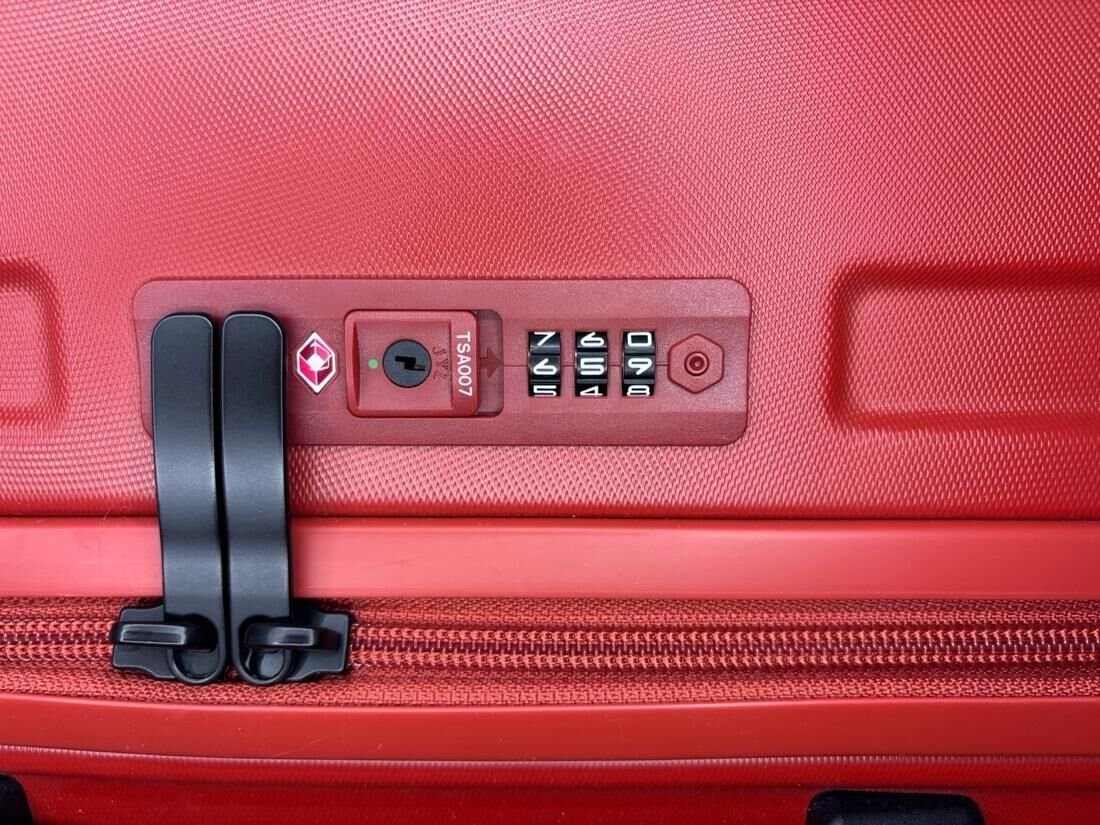
Traveling can be both exciting and stressful, especially when it comes to keeping your belongings safe. You may wonder if you can put a lock on your checked luggage to give you peace of mind.
After all, the thought of your suitcase being opened without your knowledge can be unsettling. But is it really a good idea? And if so, what kind of lock should you use? We'll explore everything you need to know about locking your checked luggage.
We'll reveal tips that could save you time, money, and a whole lot of hassle. Stick around, because the information ahead could make your next trip smoother and more secure.

Types Of Luggage Locks
Choosing the right lock for your checked luggage helps protect your belongings. Different locks offer various levels of security and convenience. Understanding the main types can guide you in picking the best option for your travel needs.
Combination Locks
Combination locks use a set of numbers to open. You create a code that only you know. No keys are needed, so you don't worry about losing them. These locks are easy to reset if you want a new code. They offer moderate security for casual travelers.
Keyed Locks
Keyed locks require a physical key to open. They usually provide strong security since only the key opens them. Carrying a spare key is wise in case you lose one. These locks may be less convenient because of the key, but they are reliable for many travelers.
Tsa-approved Locks
TSA-approved locks allow airport security to open your luggage without breaking the lock. They have a special key that only TSA agents hold. These locks come in both combination and keyed versions. TSA-approved locks reduce the chance of damaged luggage during inspections.
Airline Policies On Locks
Understanding airline policies on locking checked luggage is essential for every traveler. Different airlines and countries have rules about what types of locks are allowed. Locks help protect your bags but can also cause issues during security checks. Knowing these rules can keep your luggage safe and avoid delays.
Tsa Regulations
The Transportation Security Administration (TSA) allows travelers to use locks on checked bags. TSA-approved locks are designed so agents can open them if needed. Agents use special keys to open these locks without breaking them. Non-approved locks may be cut off during inspections. Using TSA locks helps keep your bag secure and avoids damage.
International Travel Rules
Rules for luggage locks differ in each country. Some countries accept TSA-approved locks, while others have their own security procedures. Many international airports require that security officers can open your locks. If they cannot, your lock might be cut or your bag inspected thoroughly. Checking the rules of the destination country is important before you travel.
Airline Specific Guidelines
Airlines have their own policies about locking checked luggage. Some airlines recommend TSA-approved locks. Others may allow any lock but warn about the risk of cutting locks during inspections. Some airlines provide guidelines on how to mark your luggage for easy identification. Always review your airline’s website for the latest rules on checked bag locks.
Benefits Of Locking Checked Luggage
Locking your checked luggage offers several important benefits. It helps keep your belongings safe during travel. Many travelers feel more secure knowing their bags are locked. Locks act as a simple and effective barrier against unwanted access.
Preventing Theft
Locks make it harder for thieves to open your luggage. They discourage casual theft in busy airports. A locked bag is less likely to be tampered with. This reduces the risk of losing valuable items.
Protecting Personal Items
Locks help keep your personal belongings private. They prevent others from snooping through your clothes and documents. Locked luggage ensures only you can access your items. This is especially important for sensitive or fragile things.
Peace Of Mind
Travelers feel less worried with locked bags. It brings confidence that possessions are secure. Peace of mind lets you enjoy your trip more. No need to constantly check your luggage status.

Risks And Drawbacks
Putting a lock on your checked luggage seems like a smart choice for safety. Still, this practice comes with some risks and drawbacks travelers should know. Locks might not always protect your bags the way you expect.
Lock Damage By Security
Airport security staff may need to open your luggage for inspection. If your lock is not TSA-approved, they might cut it off. This can lead to broken locks or damaged luggage. Even TSA-approved locks can sometimes break during checks. Locks can also get stuck or jammed, causing frustration and delays.
Lost Keys Or Forgotten Combinations
Carrying keys or remembering lock codes can be tricky. Losing keys means you cannot open your own bag. Forgotten combinations cause similar problems. You might need to break the lock or pay for help. This can cause stress and extra expenses during your trip.
Potential Delays
Locked bags may slow down security checks. Officers spend more time trying to open locked luggage. This can cause longer waits at the airport. Delays may affect your overall travel schedule. Sometimes, locked bags are set aside for manual inspection. This increases the chance of your bag arriving late.
Tips For Securing Your Luggage
Securing your checked luggage is key to a smooth travel experience. Simple steps can help protect your belongings from theft or loss. Use strong locks, clear labels, and extra security tools. These tips make your luggage safer and give you peace of mind.
Choosing The Right Lock
Select a lock approved by the Transportation Security Administration (TSA). These locks allow security officers to open and re-lock your bag without damage. Avoid cheap locks that break easily or cannot be opened by airport staff. Look for sturdy materials and simple designs. Combination locks are convenient and avoid key loss.
Labeling Your Bag
Attach a clear, durable luggage tag with your name and contact info. Use waterproof tags or cover paper tags with plastic. Place an extra label inside your bag with the same details. This helps if the outside tag gets lost or damaged. Use bright colors or unique designs to make your bag easy to spot.
Using Additional Security Measures
Wrap your luggage with a plastic security wrap at the airport. It adds an extra layer of protection and shows if someone tampered with your bag. Use cable ties or zip ties for added security, but remember these must be cut at security checks. Consider using luggage straps with built-in locks for extra safety. Keep valuable items in your carry-on bag instead of checked luggage.

Alternatives To Traditional Locks
Traditional locks on checked luggage might not always provide the security you expect. Airports and baggage handlers often have master keys to TSA-approved locks, which means your lock can be opened and relocked without your knowledge. So, what are some alternatives to keep your belongings safe and give you peace of mind?
Luggage Straps
Luggage straps are simple yet effective. They add an extra layer of security by keeping your suitcase tightly closed, even if the zipper gives way. Plus, they come in bright colors and unique patterns, making your bag easier to spot on the carousel.
Some straps feature built-in combination locks, giving you control without the hassle of keys. Think about it: a strap can deter casual tampering and signal if someone has tried to open your luggage.
Smart Locks
Smart locks offer modern convenience with enhanced security. These locks connect to your smartphone via Bluetooth, allowing you to lock and unlock your bag remotely. Some models alert you if your luggage is opened or moved unexpectedly.
Imagine traveling stress-free because you can check your lock status anytime. However, keep in mind that smart locks still need to comply with TSA regulations if you’re flying within or to the US.
Luggage Wrapping Services
Many airports offer luggage wrapping services that cover your suitcase in a protective plastic film. This acts as a physical barrier against tampering, spills, and dirt. It’s a visible deterrent because anyone trying to access your bag would have to tear the wrap.
This service can be especially useful if you’re traveling with fragile items or valuable goods. Ask yourself, could a clear, tight wrap protect your belongings better than a lock alone?
Frequently Asked Questions
Can I Use Any Lock On My Checked Luggage?
You can use any lock, but TSA-approved locks are best. TSA agents can open these without damaging your luggage during security checks.
Are Tsa-approved Locks Mandatory For Checked Bags?
TSA locks are not mandatory but highly recommended. They allow security agents to inspect luggage without breaking the lock.
What Happens If I Use A Non-tsa Lock?
Non-TSA locks may be cut by security staff. This can damage your lock and luggage during inspections.
Does Locking Checked Luggage Guarantee Full Security?
Locking luggage adds security but doesn't guarantee full protection. Always keep valuables in carry-on bags for extra safety.
Conclusion
Putting a lock on your checked luggage can add a layer of security. Choose TSA-approved locks to avoid issues during inspections. Remember, no lock can guarantee complete safety. Always keep valuables in your carry-on bag. Check airline rules before locking your bag.
Travel smart and stay prepared for a smooth journey. Safe travels!