

Are you packing for a trip and wondering if you can put batteries in your checked luggage? You’re not alone.
Many travelers share this concern, especially with the ever-changing airline regulations. While it might seem like a small detail, understanding the rules about batteries in checked luggage can save you from unexpected hassles at the airport. Imagine avoiding unnecessary delays and ensuring your devices are ready to go when you land.
This article will guide you through what you need to know, so you can pack confidently and focus on enjoying your journey. Keep reading to discover essential tips that could make all the difference in your travel experience.

Battery Types And Airline Rules
Understanding battery types and airline rules helps you pack smarter. Different batteries have different safety concerns. Airlines follow strict guidelines to prevent accidents. Knowing what you can pack makes travel smoother.
Common Battery Categories
- Alkaline Batteries:Often used in remote controls and toys. Usually safe in checked luggage.
- Lithium-ion Batteries:Found in phones, laptops, and cameras. Can catch fire if damaged or short-circuited.
- Lithium Metal Batteries:Used in watches and some cameras. More sensitive and often restricted.
- Nickel-Cadmium (NiCd) and Nickel-Metal Hydride (NiMH):Common in rechargeable devices. Usually allowed but with limits.
Airline Policies On Batteries
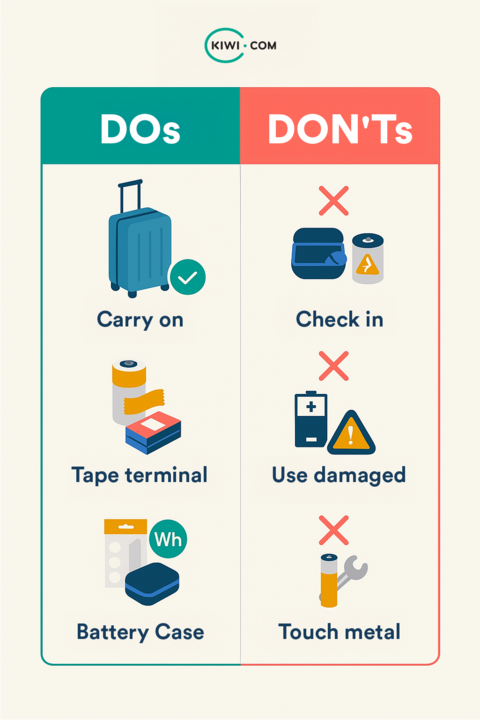
Most airlines ban lithium batteries in checked luggage. Carry-on bags are safer places for these batteries. Spare batteries must be protected from short circuits. Tape over terminals or use original packaging.
Alkaline and rechargeable batteries are mostly allowed in checked bags. Some airlines limit the number or size of batteries. Always check your airline’s website before packing.
Damaged or recalled batteries cannot be transported on planes. Airlines may refuse baggage with unsafe batteries. Safety is the top priority for all flights.

Risks Of Batteries In Checked Luggage
Batteries are a common part of our travel gear, powering everything from cameras to laptops. But packing them in checked luggage carries real risks that you might not have considered. Understanding these dangers can help you make safer choices and avoid potential trouble on your trip.
Fire Hazards
Batteries, especially lithium-ion types, can spark fires if damaged or short-circuited. The cargo hold of an airplane is not easily accessible during flight, so a fire caused by a battery could quickly become dangerous and hard to control.
Have you ever thought about how a small spark inside your checked bag could escalate? Even a tiny puncture or pressure change can cause a battery to overheat and ignite. This is why many airlines and aviation authorities restrict or prohibit batteries in checked baggage.
Damage And Leakage Concerns
Batteries can get crushed or damaged by the heavy weight of other luggage or rough handling during transit. Once damaged, they may leak corrosive chemicals that can ruin your belongings or even harm baggage handlers.
Picture your suitcase filled with clothes soaked in battery acid. It’s not just a mess—it’s a health hazard. Leakage can also cause short circuits that increase the risk of fire, making it even more important to handle batteries with care.
Regulations From Aviation Authorities
Understanding regulations from aviation authorities is key before packing batteries in your checked luggage. These rules exist to keep flights safe, as batteries can pose fire risks if damaged or improperly stored. Knowing what the main authorities say helps you avoid surprises at the airport and ensures your devices arrive safely.
Faa Guidelines
The Federal Aviation Administration (FAA) sets clear rules on batteries for flights departing from or within the United States. The FAA generally prohibits loose lithium-ion and lithium metal batteries in checked baggage due to fire hazards.
You can pack batteries installed in devices like laptops or cameras in checked luggage, but spare batteries must go in your carry-on. Each battery must be individually protected to prevent short circuits—this means taping the terminals or keeping them in original packaging.
Have you ever had your device’s battery removed at security? That's the FAA's way of enforcing these rules. They want to ensure batteries are secure and won’t cause dangerous heat or sparks in the cargo hold.
Iata Recommendations
The International Air Transport Association (IATA) provides global guidelines that most airlines follow. Their rules align closely with the FAA but add detailed instructions on battery size and packaging.
IATA limits lithium-ion batteries to a maximum of 100 watt-hours (Wh) per battery in checked luggage, with stricter controls for larger batteries. For instance, spare batteries over 100 Wh require airline approval and special packaging.
They also recommend placing spare batteries in carry-on baggage only, to allow quick access in case of emergencies. Have you checked your battery’s watt-hour rating lately? It’s often printed on the battery label and crucial for compliance.
- Devices with batteries installed can usually stay in checked bags.
- Spare batteries must be in carry-on, individually protected.
- Large batteries need airline approval and special handling.
By following these aviation authority regulations, you protect yourself and others on the flight. It’s worth double-checking your battery types and packing methods before your next trip to avoid delays or confiscations.

Packing Batteries Safely
Packing batteries safely is crucial for air travel, especially if you’re checking luggage. Batteries can pose fire risks if not handled properly, so knowing how to pack them can protect your belongings and ensure a smooth journey. Let’s look at how to manage loose, spare, and installed batteries effectively.
Tips For Loose Batteries
Loose batteries can easily short-circuit if their terminals touch metal objects like coins or keys. To avoid this, cover the battery terminals with tape or place each battery in its own plastic bag or original packaging.
Keep loose batteries separate from other items in your luggage. This small step prevents accidental sparks and keeps your luggage safe during the flight. Have you ever thought about how a tiny spark inside your bag could cause serious trouble?
Handling Spare And Installed Batteries
Spare batteries should never be placed inside checked luggage. Airlines and aviation authorities usually require you to carry spare lithium batteries in your carry-on. This rule helps crew respond quickly if a battery overheats.
Installed batteries, like those in laptops or cameras, are generally allowed in checked bags. However, make sure the device is turned off and protected from accidental activation. Wrapping the device in clothing can provide extra cushioning and prevent damage.
Alternatives To Checked Luggage
Carrying batteries in checked luggage can be risky and is often restricted by airlines. Alternatives to checked luggage help keep batteries safe and comply with airline rules. These options reduce hazards and make travel smoother.
Carrying Batteries In Carry-on Bags
Most airlines allow batteries in carry-on bags. This keeps them within sight and control. Carrying batteries in the cabin reduces fire risks during the flight. Make sure batteries are protected from short circuits.
- Place batteries in original packaging or plastic bags
- Keep spare batteries separate from devices
- Follow airline size and quantity limits
Using Battery Cases And Covers
Battery cases and covers protect terminals and prevent accidental shorts. These covers keep batteries secure and organized. Use hard or soft cases designed for batteries. They help avoid sparks and damage during travel.
- Choose cases with insulated compartments
- Label cases clearly for security checks
- Store batteries in a cool, dry place inside the case
Consequences Of Non-compliance
Failing to follow airline rules about batteries in checked luggage can lead to serious consequences. These rules exist to keep everyone safe and ensure smooth travel. Ignoring them might seem harmless, but the results can affect your trip and wallet in unexpected ways.
Possible Fines And Penalties
Airlines and airport security agencies often impose fines if you try to check in batteries that are not allowed. These penalties can range from small fees to hefty fines depending on the severity of the violation.
For example, carrying lithium batteries in checked baggage can lead to fines because of fire risks. You might also face penalties if the batteries are damaged or improperly packaged. These rules are strict, and you have to take them seriously to avoid trouble.
Flight Delays And Confiscations
Non-compliance can cause delays not just for you but for everyone on the flight. Security officers may stop you at the checkpoint, leading to longer waiting times and missed connections.
Confiscation is another common result. Airport security can take away batteries that don’t meet the safety rules, leaving you without your essential gadgets. Have you ever thought about how losing your phone charger or camera battery could affect your travel experience?
Being proactive by checking airline policies before packing can save you from these hassles. Your trip can stay smooth and stress-free if you handle batteries the right way.
Special Considerations For Lithium Batteries
Lithium batteries need special care when packing for air travel. Airlines and safety agencies set strict rules for these batteries. Their potential fire risk requires clear guidelines. Understanding these rules helps keep your trip safe and hassle-free.
Lithium-ion Battery Limits
Most airlines allow lithium-ion batteries only in carry-on luggage. The watt-hour (Wh) rating limits battery size. Batteries under 100 Wh usually have no special approval needed. Batteries between 100 Wh and 160 Wh may need airline approval. Batteries above 160 Wh are often banned.
Spare lithium batteries must be individually protected. Use original packaging or cover terminals with tape. Avoid packing loose batteries in checked bags. This prevents short circuits and fire risks.
Handling Damaged Or Recalled Batteries
Never pack damaged lithium batteries in checked or carry-on luggage. Signs of damage include swelling, leaking, or corrosion. Airlines refuse any battery that looks unsafe. Recalled batteries also must not be packed. Check recall notices before travel.
If a battery is damaged or recalled, dispose of it properly. Contact local recycling centers for safe disposal options. Carrying unsafe batteries risks fines and delays at the airport.
Frequently Asked Questions
Can You Put Lithium Batteries In Checked Luggage?
No, lithium batteries are generally prohibited in checked luggage. Airlines require these batteries to be carried in carry-on bags to reduce fire risks during flights.
Are Alkaline Batteries Allowed In Checked Baggage?
Yes, alkaline batteries like AA or AAA are typically allowed in checked luggage. However, it’s safer to pack them in carry-on bags if possible.
What Types Of Batteries Must Stay In Carry-on Bags?
Lithium-ion and lithium-metal batteries must stay in carry-on luggage due to fire hazards. This rule ensures quick response if a battery overheats.
Can Loose Batteries Be Packed In Checked Luggage?
Loose batteries are discouraged in checked bags. Airlines prefer batteries installed in devices or packed safely in carry-on to prevent short circuits and fires.
Conclusion
Batteries have special rules for air travel. Airlines want to keep flights safe for everyone. Carry most batteries in carry-on bags, not checked luggage. Check your airline’s website before packing to avoid trouble. Small batteries often go in devices, while loose ones need protection.
Following these tips helps your trip go smoothly. Stay safe and enjoy your flight without worries.