

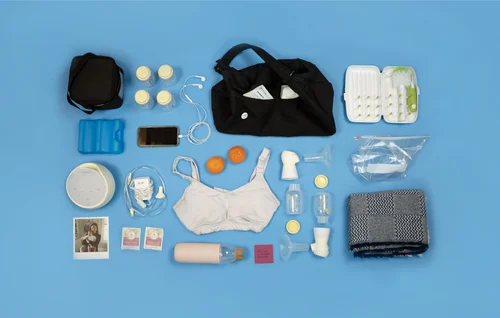
Traveling as a parent presents its own unique set of challenges, and if you're planning a trip with a breast pump in tow, you're likely wondering about the best way to transport it. Can you put your breast pump in checked luggage?
This question is more common than you might think, and understanding the ins and outs of traveling with such essential equipment is crucial. Whether you're planning a family vacation or a business trip, you want to ensure your breast pump is safe and ready for use upon arrival.
You'll discover everything you need to know about packing your breast pump, so you can travel with peace of mind and focus on what truly matters—your family and your journey. Stick around to learn practical tips and tricks that will make your travel experience smoother and stress-free.

Breast Pump And Air Travel
Traveling with a breast pump needs some planning. Air travel especially requires attention to rules and care. Knowing how to pack and carry your pump can save time and stress. This helps keep your pump safe and ready to use.
Types Of Breast Pumps
Breast pumps come in many styles. The main types include:
- Manual pumps – operated by hand, small and quiet
- Electric pumps – use batteries or power, faster and efficient
- Double pumps – pump both breasts at once, save time
- Wearable pumps – fit inside clothing, discreet and portable
Each type has different size and power needs. This affects how you pack it for travel.
Airline Policies On Breast Pumps
Airlines often allow breast pumps as carry-on items. Some rules to remember:
- Breast pumps are usually exempt from carry-on limits
- Battery-powered pumps may need to follow battery rules
- Check with your airline before flying
- Declare the pump during security screening
- Carry pump parts and accessories separately for inspection
Putting a breast pump in checked luggage is not recommended. Luggage can get lost or damaged. Carrying the pump on board keeps it safer and accessible.
Checked Luggage Restrictions
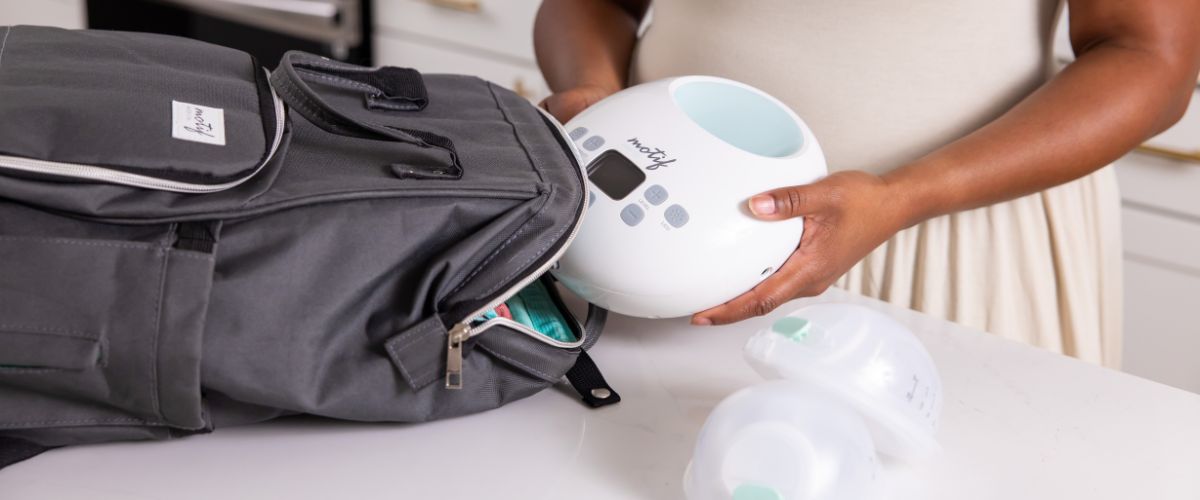
Traveling with a breast pump can raise questions about whether it’s safe and allowed to pack it in your checked luggage. Airlines and security agencies have specific rules that might affect your choice. Understanding these restrictions can help you avoid hassles and protect your pump during your trip.
Security Concerns
Security officers often inspect checked luggage thoroughly. Your breast pump could be taken out for closer examination, which might delay your bag or cause damage. Some pumps have batteries or electronic parts that raise red flags at security checkpoints.
Have you ever wondered if your pump’s battery might be a problem? Airlines usually restrict lithium-ion batteries in checked bags due to fire risks. Carrying the pump in your carry-on can help you keep an eye on it and prevent security issues.
Damage Risks
Checked luggage goes through rough handling during loading and unloading. Your breast pump, especially if it has delicate parts, can get scratched, crushed, or broken. Even if packed carefully, the risk remains high because you can’t control how your bag is treated.
Think about the last time your checked bag showed up with dents or broken items inside. Would you want your pump to face the same fate? Using a sturdy, padded case and carrying the pump onboard can be a safer choice to keep it intact.
Carry-on Vs Checked Luggage
Deciding whether to pack your breast pump in carry-on or checked luggage can impact your travel experience significantly. Both options have their pros and cons, and understanding these can help you protect your pump and reduce stress. Let’s break down the benefits of each choice and when it might make sense to use checked luggage instead.
Benefits Of Carry-on
Carrying your breast pump with you ensures it stays within your sight and control throughout the journey. This means you avoid the risk of lost or damaged equipment, which can happen with checked bags.
Security checks might require you to remove your pump for inspection, so having it in your carry-on makes this process smoother. Plus, if you need to pump during a long layover or flight, you’ll have immediate access to your device.
Think about your last trip: did you feel anxious about your checked bag’s contents? Keeping your pump with you can ease that worry and keep your routine intact.
When To Use Checked Luggage
Checked luggage can work if you’re carrying a heavy or multiple pumps and don’t want to manage extra bags at the gate. It’s also an option if your carry-on space is limited or if the pump is part of a larger set of baby gear.
However, you should pack the pump carefully in a sturdy case with padding to minimize damage risks. Consider adding a “fragile” tag or notifying the airline about the equipment inside.
If your trip involves checked bags anyway, and you won’t need the pump during the flight, this might be a practical choice. But ask yourself: is the convenience worth the potential risk of damage or delay?
Packing Tips For Breast Pumps
Packing a breast pump for travel needs care and planning. Proper packing keeps your pump safe and ready to use. It also makes airport security checks easier. Follow simple tips to protect your pump and accessories during transit.
Protective Cases
Use a hard or padded case to protect your breast pump. A sturdy case prevents damage from drops or pressure. Look for cases designed for breast pumps. They have compartments for parts and bottles. Soft bags can work but offer less protection. Keep your pump clean before packing to avoid mess.
Battery And Accessories
Remove batteries from your pump before packing. Carry batteries in your carry-on bag for safety. Check airline rules about lithium batteries. Pack extra batteries and chargers separately. Store small accessories like tubes and valves in sealed bags. Label each bag to find parts quickly. This keeps everything organized and easy to access.
Traveling With Breast Milk
Traveling with breast milk can be a challenge, especially when you want to keep it safe and fresh during your journey. Whether you're flying across the country or heading abroad, understanding how to store and transport breast milk is essential. Your baby depends on it, so taking the right steps makes all the difference.
Storage Guidelines
Keeping breast milk at the right temperature is key. Freshly expressed milk can stay at room temperature (up to 77°F or 25°C) for about 4 hours. If you can, cool it quickly and store it in an insulated cooler with ice packs to extend its freshness.
Frozen breast milk can last up to 6 months in a regular freezer and up to 12 months in a deep freezer. When traveling, use a cooler bag with ice packs to keep frozen milk cold. Avoid opening the cooler frequently, as warm air can reduce the milk’s quality.
Have you thought about how you’ll manage thawed milk during your trip? Once thawed, use it within 24 hours and never refreeze it. Planning ahead means less stress and healthier milk for your baby.
Tsa Regulations
The TSA allows breast milk in both carry-on and checked luggage, but you should pack it wisely. Liquids like breast milk are exempt from the usual 3.4-ounce (100 ml) limit, so you can bring more without hassle. However, all breast milk containers must be declared at the security checkpoint.
To make your experience smoother, separate breast milk from other liquids in your bag. Place it in a clear, sealable bag and inform the TSA officer. They may perform additional screening, but this is standard and ensures safe travel for you and your baby.
Did you know you can also bring ice packs or gel packs to keep breast milk cold? Just remember these items also need to be declared and may be subject to inspection. Being prepared helps avoid delays and keeps your milk safe.
Additional Travel Tips
Traveling with a breast pump can be challenging, especially when you want to keep everything running smoothly. Beyond packing, there are practical steps you can take to make your journey easier. These additional travel tips focus on maintaining hygiene and managing unexpected delays, so you stay prepared and stress-free.
Cleaning On The Go
Keeping your breast pump clean during travel is essential for your baby's health. Pack a small bottle of pump-friendly disinfectant wipes and a few clean, resealable bags for storing parts. After each use, quickly wipe down the pump surfaces and store parts in the bags to avoid contamination.
If running water isn’t available, use disposable paper towels soaked in warm soapy water to clean the pump parts. Carrying a portable drying rack can help air-dry your pump components efficiently, preventing mold buildup. Have you thought about how easy it is to overlook cleaning when you’re rushing through an airport?
Dealing With Delays
Flight delays or long layovers can disrupt your pumping schedule, but being ready helps you stay calm. Always bring extra breast milk storage bags or bottles so you can pump and store milk even if you’re stuck longer than expected. A small cooler bag with ice packs keeps your milk fresh during extended waits.
Consider setting alarms on your phone to remind you when it's time to pump. This helps you keep a routine despite the travel chaos. Have you ever missed a pumping session because you got distracted by travel stress? Planning ahead can prevent that.

Frequently Asked Questions
Can You Put A Breast Pump In Checked Luggage?
Yes, you can put a breast pump in checked luggage. However, it is safer to carry it in your carry-on to avoid damage or loss.
Is It Safe To Check A Breast Pump Bag?
Checking a breast pump bag is risky. Bags can be mishandled or lost, so carrying it with you is recommended for safety.
Are Batteries Allowed For Breast Pumps In Checked Luggage?
Most airlines allow batteries in checked luggage if properly packed. Check airline policies to ensure compliance with battery restrictions.
Should Breast Milk Be Carried In Checked Or Carry-on Luggage?
Breast milk should be carried in carry-on luggage. It requires temperature control and easy access during the flight.
Conclusion
Traveling with a breast pump requires careful planning. Putting it in checked luggage can be risky. Bags might get lost or damaged. Carrying the pump in a carry-on bag keeps it safe. It also allows quick access when needed. Always check airline rules before flying.
Pack extra batteries or chargers just in case. Protecting your breast pump helps ensure a smooth trip. Keep your baby’s needs in mind. Smart packing makes travel easier and stress-free.