

Imagine planning your dream vacation. You’ve booked your flights, packed your bags, and are ready to capture every magical moment with your camera.
But here comes the big question: Can you take your camera on a carry-on? Navigating airport rules can be confusing, and the last thing you want is to face issues at security. By the end of this article, you’ll have a clear understanding of what you can and cannot bring on board, ensuring a seamless journey and peace of mind.
Let's dive in to keep your travel plans stress-free and picture-perfect.

Carry-on Camera Policies
Understanding carry-on camera policies is essential if you want to travel with your photography gear smoothly. Different airlines and airports have rules that can affect what you can bring and how you should pack your camera. Knowing these guidelines ahead of time saves you from unexpected hassles and ensures your equipment stays safe during your journey.
Airline Regulations
Most airlines allow cameras in carry-on bags, but they often have specific size and weight limits. Your camera gear, including lenses and accessories, should fit comfortably within the carry-on dimensions. Some airlines may require you to remove your camera from the bag during security checks, so having it easily accessible is helpful.
Check your airline’s website before you pack. Some budget airlines have stricter carry-on limits, which might force you to check your camera bag if it’s too large. Have you ever had to gate-check your camera unexpectedly? Planning ahead can prevent that.
Airport Security Rules
Airport security officers want to ensure safety without damaging your equipment. Cameras and lenses usually pass through X-ray machines without issues, but batteries might get extra attention. Lithium-ion batteries, commonly used in cameras, often need to be carried in your hand luggage rather than checked baggage.
Be ready to take your camera out separately during screening. Keeping your camera bag organized helps speed up the process and reduces the chance of damage. Have you noticed how cluttered bags slow down security lines? A tidy setup benefits everyone.
International Travel Considerations
When traveling internationally, different countries may have unique rules about carrying camera equipment. Some destinations have restrictions on high-value gear or require you to declare expensive items at customs. It’s smart to keep receipts handy and know your camera’s value before you fly.
Also, consider voltage differences for chargers and adapters if your camera needs power on the go. Have you prepared for power compatibility in other countries before? This small step can keep your gear ready for action throughout your trip.

Packing Your Camera Safely
Packing your camera safely is key to protecting your gear during travel. Cameras and lenses are delicate and can break easily if not packed well. Proper packing reduces the chance of damage from bumps or drops. It also helps keep your equipment organized and ready to use. Taking a little time to pack carefully makes your travel smoother and your photography better.
Best Camera Bags
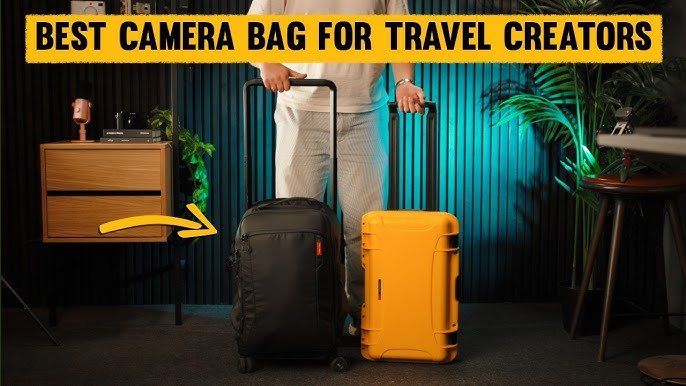
Choose a camera bag with strong padding to protect your gear. Look for bags with adjustable dividers. They help fit your camera and lenses snugly. Waterproof bags add extra protection against rain or spills. Backpacks offer comfort for long walks. Shoulder bags give quick access to your camera. Pick a bag that fits airline carry-on size rules. This keeps your camera safe and easy to carry.
Protecting Lenses And Accessories
Use lens caps and rear caps to protect lens glass. Wrap lenses in soft cloth or bubble wrap for extra safety. Store small items like batteries and memory cards in separate pouches. Keep filters and cleaning kits in padded compartments. Avoid placing heavy items on top of lenses. This prevents scratches and damage. Proper protection keeps your lenses clear and functional.
Organizing Your Gear
Organize your camera, lenses, and accessories by size and use. Place heavier items at the bottom of the bag. Use small pockets for cables and chargers. Keep your camera body separate from lenses to avoid scratches. Label compartments or use colored dividers for quick access. Organizing helps find gear fast and prevents damage from shifting. A tidy bag saves time and stress during travel.
Tips For Smooth Airport Security
Carrying your camera through airport security can be smooth with the right preparation. Knowing what to expect helps avoid delays and stress. Follow these simple tips to keep your gear safe and pass through quickly.
Preparing Your Camera For Screening
Take your camera out of its bag before screening. Place it in a separate bin to make X-ray checks easier. Remove any lens caps and straps that might trigger alarms. Keep memory cards and small accessories in a clear pouch. This helps security staff inspect your items faster.
Handling Battery Restrictions
Carry spare batteries in your carry-on, not in checked luggage. Make sure batteries are protected from short circuits by covering terminals. Check airline rules for battery size limits. Bring only the allowed number of batteries to avoid issues. Pack batteries in original packaging or a battery case for safety.
Dealing With Security Questions
Answer questions clearly and politely. Explain your camera gear if asked, especially if it looks unusual. Show any permits or documents if you have them. Stay calm and cooperative to speed up the process. Remember, security officers just want to keep everyone safe.

Maximizing Camera Use Onboard
Carrying your camera onboard opens up a world of creative opportunities. You have a chance to capture moments that many miss—the unique views from the window, candid shots of fellow travelers, or the quiet ambiance inside the cabin. Making the most of your camera while flying means understanding both the environment and the rules, so your device stays safe and your photos turn out great.
In-flight Photography Tips
Light conditions inside the cabin can be tricky. Use a higher ISO setting to brighten your shots without a flash, which is often prohibited. If you want sharp images of the outside scenery, stabilize your camera against the window or use a small tripod designed for travel.
Try shooting during takeoff or landing for dramatic skies and cityscapes. Avoid zooming too much, as airplane windows can cause distortion and reflections. Instead, focus on framing simple compositions that tell a story about your journey.
Respecting Airline Policies
Every airline has specific rules about electronic devices and photography. Always check their guidelines before your flight to avoid surprises. Some airlines restrict the use of flash or prohibit photography in certain areas like the cockpit or during security checks.
Be mindful of fellow passengers’ privacy. Avoid snapping photos of strangers without permission, especially in tight seating areas. Remember, respecting rules and people around you ensures a smoother experience and keeps your camera privileges intact.
Using Cameras In Different Cabins
Economy, business, and first class cabins each offer different opportunities and challenges for photography. In economy, space is limited, so compact cameras or smartphones work best. Capture the hustle and bustle around you to convey the travel experience.
Business and first class cabins provide more room and often better lighting. Use this to your advantage by photographing the luxurious seats, meals, and amenities. These shots can add a unique angle to your travel story, showing a side many don’t see.
Have you thought about how the cabin atmosphere influences the mood of your photos? Adjust your approach based on where you sit to create images that truly reflect your flight experience.
Avoiding Common Travel Camera Issues
Traveling with a camera can bring joy and capture memories. Yet, cameras face risks during trips. Damage, theft, or restrictions can spoil your experience. Taking simple steps helps keep your camera safe and usable. Learn how to avoid common travel camera issues below.
Preventing Damage During Transit
Protect your camera with a padded case. Use a hard shell case for extra safety. Wrap lenses in soft cloth to avoid scratches. Keep batteries and memory cards separate to prevent damage. Avoid placing heavy items on top of your camera bag. Handle your bag gently during security checks.
Managing Theft Risks
Keep your camera close in crowded places. Use bags with zippers and locks for security. Avoid flashing expensive gear in public. Stay alert in busy areas like airports and stations. Consider carrying insurance for high-value cameras. Use a discreet camera strap to avoid attention.
Handling Unexpected Restrictions
Check airline rules on carrying cameras and lenses. Some countries have limits on camera equipment. Pack your camera in carry-on luggage to avoid checked bag loss. Know battery rules for air travel; spare batteries often must be carried. Be ready to explain your gear at security checkpoints. Always carry camera documents if needed.
Frequently Asked Questions
Can I Bring My Camera In Carry-on Luggage?
Yes, you can bring your camera in carry-on luggage. Most airlines allow cameras as part of your personal items. Always check airline rules before flying to avoid any restrictions or size limits.
Are Camera Batteries Allowed In Carry-on Bags?
Camera batteries are allowed in carry-on bags but not in checked luggage. Most airlines require batteries to be protected from short circuits. Carry spare batteries in original packaging or a battery case for safety.
Can I Take A Tripod With My Carry-on Camera?
Tripods can be carried in carry-on bags if they meet airline size rules. Some airlines may require you to check larger tripods. Always verify your airline’s specific carry-on size and weight limits.
Is It Safe To Carry Camera Gear In Carry-on?
Yes, carry-on is safer for camera gear than checked luggage. It reduces the risk of damage or theft. Use padded camera bags to protect your equipment during travel.
Conclusion
Taking a camera in your carry-on is usually allowed on flights. Keep your camera safe in a padded bag to avoid damage. Remember to follow airline rules about battery size and liquids. Always check security guidelines before packing your gear.
This helps make your travel smooth and stress-free. Carrying your camera with you means you won’t miss great photo moments. Travel smart, stay prepared, and enjoy capturing memories on the go.