

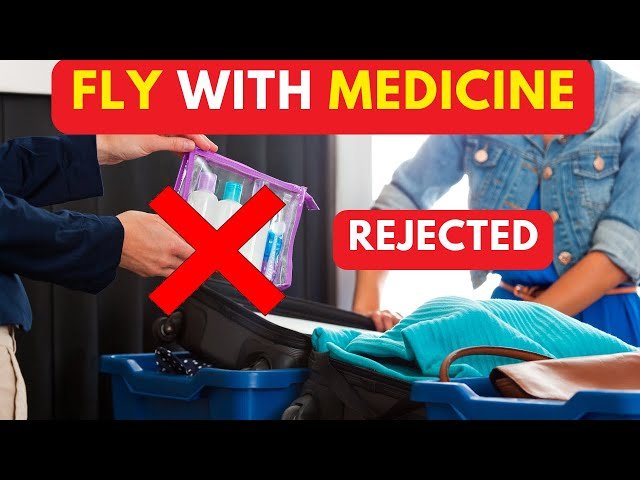
Navigating airport security can be a daunting task, especially when you're unsure about the rules for carrying medication in your carry-on luggage. You don't want to be caught off guard at the security checkpoint, do you?
Whether you're heading on a business trip, a family vacation, or a quick weekend getaway, ensuring you have your essential medications within arm's reach is crucial. But what are the regulations? Can you take your medicine in your carry-on without any hassles?
Stick around, because understanding these guidelines not only saves time but also gives you peace of mind. Let’s unravel the rules so you can focus on the excitement of your journey, rather than the stress of airport regulations.
Carry-on Medicine Rules
Traveling with medicine in your carry-on can sometimes feel confusing. You want to ensure your health needs are met without running into delays or issues at security checkpoints. Knowing the rules about carrying medicine on board helps you stay prepared and stress-free.
Tsa Guidelines
The Transportation Security Administration (TSA) allows you to bring prescription and over-the-counter medicines in your carry-on bag. These medicines do not need to follow the 3-1-1 liquids rule, so you can carry larger quantities if necessary.
However, it’s helpful to keep medicines in their original packaging with labels to avoid questions. If you carry liquid medicine exceeding 3.4 ounces, declare it to the TSA officer before screening.
Remember, you can also bring medical devices and supplies like syringes, but you should inform the TSA officer before screening. Have you ever faced delays because you didn’t declare your medicine? A simple heads-up can save you time.
International Regulations
Rules for carrying medicine vary widely by country. Some countries require a doctor’s note or prescription, especially for controlled substances.
Check the regulations of the country you are visiting well before your trip. For example, certain painkillers allowed in the U.S. may be banned or restricted elsewhere.
Carrying a copy of your prescription and a letter from your doctor explaining the medicine’s purpose can help avoid legal trouble. Have you researched the medical rules for your destination? It’s better to be safe than sorry when crossing borders.
Types Of Allowed Medications
Knowing what types of medications you can bring in your carry-on is crucial to avoid hassle at airport security. Different rules apply depending on the medication type. Understanding these distinctions helps you pack smart and stay stress-free during your trip.
Prescription Drugs
You can bring prescription medications in your carry-on without issue. Make sure they are in their original labeled containers to prove they are prescribed to you. Carry a copy of the prescription or a doctor’s note just in case security officers ask for verification.
It’s smart to pack enough medication for your entire trip plus a little extra. Have you ever faced a delay and wished you had more medicine on hand? This small step can save you from discomfort and unexpected pharmacy visits.
Over-the-counter Medicines
Over-the-counter (OTC) drugs like pain relievers, allergy pills, and antacids are generally allowed in carry-ons. You don’t need a prescription, but keeping them in their original packaging helps avoid confusion. If you carry multiple small bottles, consider consolidating them to reduce clutter.
Think about what OTC medicines you might need during your travels. Do you typically rely on certain remedies for headaches or upset stomachs? Packing these thoughtfully can keep you prepared without overpacking.
Liquid And Gel Medications
Liquid and gel medications are allowed in carry-on bags but come with specific rules. Usually, you can bring more than the typical 3.4 ounces (100 milliliters) if you declare them at security and have a doctor’s note or prescription. This exception applies to essential medications like liquid antibiotics or gels needed for treatment.
Always keep these items accessible to show TSA officers when asked. Have you ever been caught off guard by the liquid restrictions? Being proactive by declaring and documenting your medications can make your security check smoother and faster.
Packaging And Documentation
Handling medicine in your carry-on requires careful attention to packaging and documentation. Proper preparation can save you from delays and confusion at airport security. Let's look at how you can organize your medications to keep your trip smooth and stress-free.
Original Containers
Always pack your medicine in its original container. These containers have the pharmacy label with important details like the medication name, dosage, and your name. This makes it easier for security officers to identify your medication and verify its legitimacy.
If you transfer pills to another bottle, you risk having your medicine questioned or even confiscated. I once saw a traveler miss their flight because their pills were loose in a bag with no labels. Keeping medicines in original packaging avoids this hassle.
Doctor’s Notes And Prescriptions
Carrying a doctor’s note or prescription can be a lifesaver. It provides proof that your medication is medically necessary, especially for controlled or injectable drugs. Without this documentation, security might deny you passage with your medicine.
Try to get a note that clearly states the medication name, dosage, and reason for use. This is particularly important if you travel internationally, where rules differ. Have these documents handy, not buried deep in your luggage.
Labeling Requirements
Labels on your medication should be clear and easy to read. They must show your full name, the drug name, and instructions for use. If you have multiple medicines, labeling each container separately prevents confusion during security checks.
Sometimes, pharmacies provide extra labels upon request. Use them to clarify any unclear information. Have you ever faced a delay because of missing or unclear labels? Keeping labels straightforward helps avoid such setbacks.
Tips For Packing Medicine
Packing medicine for your carry-on can be straightforward if you plan ahead. You want your medications to be safe, easy to find, and within reach during your journey. These tips will help you stay organized and avoid any stress at airport security or on the plane.
Organizing Medications
Keep all your medications in their original containers. This makes it easier for TSA to identify them and for you to double-check dosages. Group your pills by type or time of day using small ziplock bags or separate compartments in your bag.
Write down the names and dosages on a list to keep in your carry-on. This can be a lifesaver if you need to explain your medications or refill a prescription on the go.
Using Pill Organizers
Pill organizers are great for sorting your daily doses and reducing clutter. Choose one that has clearly marked compartments for each day or time. However, always carry the original prescription bottles with you to avoid confusion or issues with airport security.
Try using a compact, travel-friendly organizer that fits easily into your carry-on. It helps you avoid mixing up pills and keeps you on track with your medication schedule.
Keeping Medications Accessible
Place your medications in an easy-to-reach pocket of your carry-on bag. You might need them during the flight or at airport checkpoints. Having quick access can prevent last-minute digging and reduce anxiety.
Consider carrying a small, dedicated pouch for your medicine. This way, you can pull it out quickly without rummaging through your entire bag. Have you ever struggled to find your pills at 30,000 feet? Avoid that hassle by keeping them visible and handy.
Security Screening Process
Going through airport security can feel confusing, especially with medicines in your carry-on. The security screening process checks your bags and items to keep flights safe. Knowing what to expect helps make the process smooth. This includes how to declare medications, handle inspections, and manage liquid limits.
Declaring Medications
Always tell security officers about your medications before screening. Show your prescription bottles or a doctor’s note if you have one. This helps avoid delays or questions. Keep medicines in original containers with labels. It proves the medicine is yours and legal to carry.
Handling Inspections
Officers may ask to inspect your medicines closely. They might open containers or ask questions about your drugs. Stay calm and answer clearly. Keep medicines in an easy-to-reach part of your bag. This speeds up the inspection and reduces stress.
Dealing With Liquid Limits
Medicines in liquid form have special rules. You can bring more than 3.4 ounces (100 ml) if you declare them. Tell security about these liquids before screening. Have a doctor’s note or prescription ready for liquid medicines. Pack them separately for easy access during screening.

Special Cases And Exceptions
Special cases and exceptions exist for carrying medicine in your carry-on bag. Knowing these rules helps avoid delays and ensures your health needs are met during travel.
Some medicines need extra care, or different rules apply depending on the type of medication or the traveler.
Injectable Medications
Injectable medicines like insulin require special handling. You can bring them in your carry-on, but you must declare them at security. Pack them with a doctor’s note or prescription. Keep needles and syringes in original packaging or a clear container. Inform security staff about your injections before screening.
Medical Devices
Devices such as CPAP machines, nebulizers, or glucose monitors are allowed on board. Carry the device in your hand luggage to avoid damage. Batteries and chargers should be packed separately but within carry-on limits. Request assistance from airline staff if you need help with device operation during the flight.
Traveling With Children Or Elderly
Children and elderly travelers often need extra medication. Pack enough medicine for the whole trip plus extra days. Keep medicines in original containers with clear labels. Bring a doctor’s note explaining the need for the medication. Pack liquid medicines in amounts larger than usual limits but declare them at security.
Avoiding Common Mistakes
Carrying medicine in your carry-on bag can be straightforward, but many travelers trip up on simple details. Avoiding common mistakes can save you from stress at airport security and ensure your medication works as expected while you’re away. Let’s look at key pitfalls to watch out for so your trip goes smoothly.
Overpacking
Bringing more medicine than you actually need can cause unnecessary hassle. Not only does it take up valuable space, but it also raises questions at security checkpoints. Think about how long your trip is and pack only what you’ll realistically use.
Have you ever been asked to explain a large stash of pills? That’s exactly what you want to avoid. Stick to the prescribed amount and keep the medicine in original containers to make the screening process easier.
Ignoring Expiration Dates
It might seem obvious, but many people overlook checking expiration dates before packing medicine. Taking expired medication can be ineffective or even harmful. Double-check your pills and replace any that are past their expiration to stay safe.
Imagine relying on a critical medication only to find it has lost potency. That’s a risk you don’t want to take, especially when traveling. Make it a habit to review your medicine’s expiry well before your trip.
Forgetting Time Zone Adjustments
Traveling across time zones can mess up your medication schedule. If you take medicine at specific times, failing to adjust can lead to missed or doubled doses. Plan ahead by mapping out your new time zone and setting alarms to remind you.
Have you ever felt groggy or unwell because you took medicine at the wrong time? It’s a common issue that’s easy to fix with a little preparation. Keeping a travel journal or using medication apps can help you stay on track no matter where you land.

Frequently Asked Questions
Can I Bring Prescription Medicine In Carry-on Bags?
Yes, you can carry prescription medicine in your carry-on. Keep it in original packaging with the label for security checks. It’s advisable to carry a doctor’s note for any special medications.
Are There Liquid Medicine Restrictions In Carry-on Luggage?
Liquid medicines are allowed in carry-on but must follow TSA’s 3-1-1 rule. Containers over 3. 4 ounces need prior approval. Always declare liquid medicines during security screening to avoid delays.
Do I Need A Doctor’s Note For Carry-on Medicines?
A doctor’s note is not mandatory but recommended. It helps clarify any special or injectable medicines. Having documentation ensures smoother security checks and prevents unnecessary confiscation.
Can I Carry Over-the-counter Medicine In My Carry-on?
Yes, over-the-counter medicines are allowed in carry-on bags. Keep them in their original packaging to avoid security issues. Carry only the amount you need for the trip duration.
Conclusion
Carrying medicine in your carry-on bag is usually allowed. Keep medicines in original containers for easy checks. Always bring a doctor’s note for special prescriptions. Liquid medicines must follow airport security rules. Pack only the amount you need for the trip.
Being prepared helps avoid delays and stress. Travel safe and keep your health a priority.