

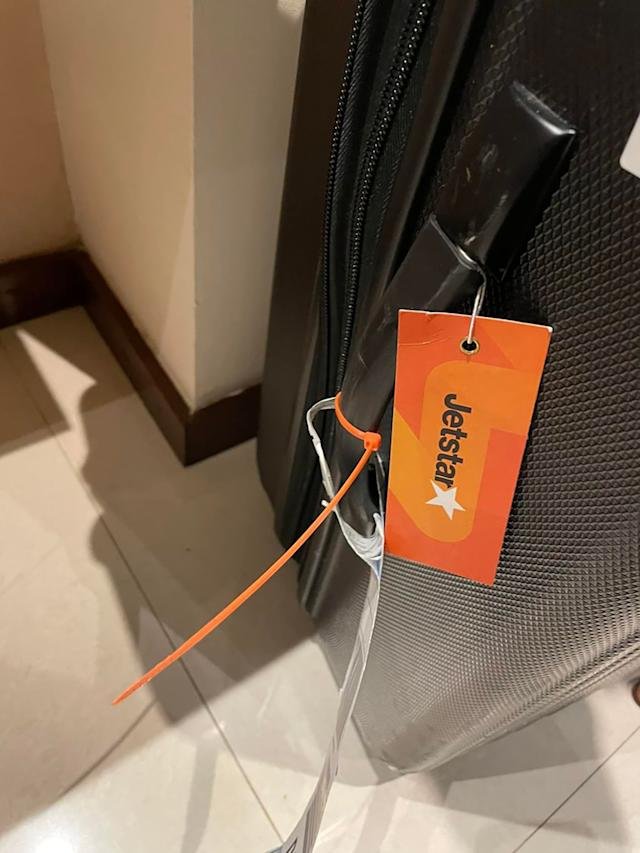
When you’re preparing for a trip, securing your checked luggage is a top priority. You want peace of mind knowing your belongings will stay safe until you reach your destination.
Have you ever considered using a zip tie for this purpose? It might sound simple, but this method raises a lot of questions. Is it secure? Is it allowed by the airlines? How does it compare to other options like locks?
These are important questions you might have, and the answers could save you time and stress. We’ll dive into everything you need to know about using zip ties on your checked luggage. By the end, you'll have all the information you need to make the best decision for your travels. Keep reading to discover if zip ties are the right choice for you and your luggage.

Why Secure Luggage Matters
Securing luggage during travel is essential for a smooth journey. Checked bags move through many hands and machines. Without proper security, risks like theft or damage increase. Using tools like zip ties can help keep your belongings safe and intact.
Preventing Theft And Tampering
Travel bags can be vulnerable to theft or tampering. A locked or secured bag acts as a visible deterrent. It signals to others that your luggage is protected. This reduces the chance of someone opening your bag without permission.
Avoiding Accidental Openings
Bags often get jostled during handling. Zippers or clasps may loosen or break. This can cause your luggage to open unexpectedly. Securing it tightly prevents items from spilling out. It helps keep your belongings together and intact.
Peace Of Mind During Travel
Travel involves enough stress. Knowing your luggage is secure eases your mind. You can focus more on your trip and less on your bags. This peace of mind makes travel more enjoyable and relaxed.

Using Zip Ties On Checked Bags
Using zip ties on checked bags has become a popular way to add an extra layer of security during travel. Many travelers wonder if zip ties can help protect their luggage from accidental openings or tampering. Understanding how zip ties work, their benefits, and their limitations can help you decide if this simple tool fits your travel needs.
How Zip Ties Work
Zip ties are plastic fasteners that tighten around objects and lock in place. Once secured, they are difficult to loosen without cutting. This makes them useful for keeping zippers or bag compartments closed.
Think of zip ties as a one-time seal that shows if someone has tried to open your luggage. If the zip tie is broken or missing, you’ll know your bag was accessed. They don’t lock your bag like a traditional lock but act as a clear sign of interference.
Benefits Of Zip Ties
- Affordable and lightweight:Zip ties are cheap and add almost no weight to your luggage.
- Easy to use:You can quickly secure your bag without needing special tools.
- Visible tamper evidence:A broken zip tie signals that your bag was opened.
- Flexible:They fit various bag sizes and shapes, especially those with zipper pulls.
I once traveled with a zip tie securing my backpack’s main compartment. On arrival, the zip tie was intact, giving me peace of mind that no one had rifled through my belongings. This small step felt like a simple but effective security boost.
Limitations To Consider
Zip ties don’t replace TSA-approved locks, which can be opened by security agents without damage. If your bag needs to be inspected, airport staff might cut the zip tie, leaving you without your seal.
Also, zip ties can be cut easily by determined thieves. They serve more as a deterrent or tamper indicator rather than a strong lock. You should not rely solely on zip ties for valuable or sensitive items.
Before using zip ties, ask yourself: Are you looking for a quick way to spot tampering, or do you need more robust security? Understanding this can help you choose the right protection for your checked luggage.
Airport Security Regulations
Airport security rules are strict about checked luggage. These rules keep travelers safe and make sure no dangerous items pass through. Knowing these rules helps you pack and secure your bags right. Using zip ties on luggage is common, but security regulations affect how and when you can use them.
Tsa Guidelines On Luggage Locks
The TSA allows travelers to use locks on checked bags. Locks must be TSA-approved to let agents open bags if needed. Non-approved locks may be cut off during inspection. TSA locks have a special key for agents to open them safely. Travelers should avoid locks that cannot be opened by TSA. This ensures luggage stays secure and inspections are smooth.
Impact Of Zip Ties On Security Checks
Zip ties are popular for sealing luggage. They are cheap and easy to use. Yet, zip ties are not TSA-approved locks. Security agents may cut zip ties to inspect bags. Once cut, zip ties cannot be reused. This may cause inconvenience or extra cost. Using zip ties might delay your bag’s handling. Agents need clear access for thorough checks.
Alternatives Approved By Security
Choose TSA-approved locks for checked luggage. These locks protect bags and allow inspections without damage. Look for locks with a TSA logo or code. Some luggage comes with built-in TSA locks. Cable locks and combination locks are good options. They give security and comply with airport rules. Using approved locks reduces risk of damage and delays.
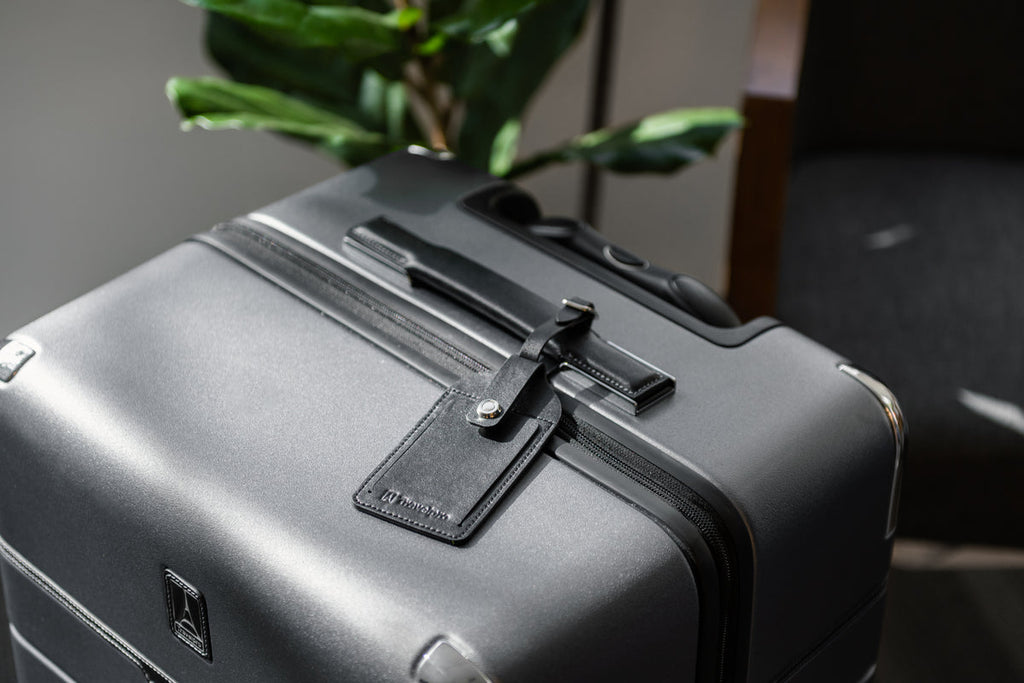
Best Practices For Zip Tying Luggage
Using zip ties on checked luggage offers an extra layer of security. It helps keep your bags closed tightly and deters casual tampering. Knowing the best ways to zip tie luggage ensures safety and ease during your travels.
Choosing The Right Zip Tie
Select strong, durable zip ties made from nylon or similar material. Avoid very thin or cheap ties that break easily. Look for ties about 8 to 12 inches long. Bright colors help you spot tampering quickly. Consider reusable zip ties for eco-friendliness and convenience.
Placement Tips For Maximum Security
Place zip ties through zipper pulls or lock holes. Secure all main compartments, not just one. Tighten ties firmly but avoid damaging zippers. Use multiple zip ties on large bags for added security. Make sure ties do not block TSA locks if you use them.
Removing Zip Ties After Travel
Use scissors or wire cutters to cut zip ties carefully. Avoid pulling hard to prevent damage to your bag. Check for any leftover plastic pieces inside zippers or seams. Store reusable ties properly for your next trip. Dispose of single-use ties responsibly to keep the environment clean.
Other Security Options For Checked Bags
Securing your checked luggage goes beyond just zipping it up or using a simple zip tie. There are smarter and safer ways to protect your belongings while traveling. Let’s look at some practical security options that can give you peace of mind and keep your bags intact.
Tsa-approved Locks
TSA-approved locks let you lock your luggage securely while allowing airport security to open it without damaging your lock. These locks come with a special key that TSA agents use during inspections.
Using a TSA-approved lock means you don’t have to worry about your lock being cut off if your bag is inspected. Have you ever had your luggage lock destroyed by security? This solution prevents that hassle.
Luggage Straps And Bands
Luggage straps add an extra layer of security and make your bag stand out on the carousel. They help keep your suitcase closed even if the zipper breaks or is tampered with.
Many straps come with built-in locks or bright colors for easy identification. They are simple, affordable, and effective—perfect for anyone looking to add quick protection without much fuss.
Smart Luggage Features
Smart luggage is becoming more popular with features like GPS tracking, remote locking, and tamper alerts. These high-tech bags help you keep track of your luggage and know if someone tries to open it.
Imagine getting a notification if your bag moves unexpectedly or if the lock is compromised. While smart luggage can be pricier, the added security and convenience might be worth it for frequent travelers.
Travel Tips For Protecting Your Luggage
Protecting your luggage during travel is crucial to avoid stress and unexpected expenses. Simple actions can make a big difference in keeping your belongings safe and ensuring a smooth trip. Let’s look at some practical tips you can use to secure your checked bags effectively.
Labeling And Identification
Clear and visible labels help you spot your luggage quickly and prevent mix-ups. Use a sturdy luggage tag with your name, phone number, and email address. Adding a brightly colored ribbon or sticker makes your bag stand out on the carousel.
Have you ever lost your luggage because it looked just like dozens of others? Unique identification can save you time and frustration at the airport.
Packing Strategies To Minimize Risk
Pack smart by placing fragile items in the middle of your suitcase, cushioned by clothes. Avoid overstuffing to reduce the chance of your bag bursting open. Consider using compression bags or packing cubes to keep items organized and secure.
Think about the weight distribution too. A well-balanced bag is less likely to get damaged or mishandled during transit.
Insurance And Claims
Accidents happen, so having travel insurance that covers luggage loss or damage is wise. Check your policy details before you fly and understand the claim process. Keep receipts or photos of valuable items inside your bag to support any claims.
Would you be prepared if your bag didn’t arrive at your destination? Insurance can turn a potential nightmare into a manageable inconvenience.
Frequently Asked Questions
Can Zip Ties Secure Checked Luggage Effectively?
Yes, zip ties can secure checked luggage by holding zippers together. However, they are not TSA-approved locks. They deter casual tampering but may not stop determined thieves or inspection agents.
Are Zip Ties Allowed On Checked Baggage By Airlines?
Airlines generally allow zip ties on checked luggage. But TSA agents may cut them during security checks. Use TSA-approved locks for better compliance and security.
How Do Zip Ties Compare To Tsa Locks For Luggage?
Zip ties are inexpensive and simple but lack TSA approval. TSA locks allow screening without damage. For secure travel, TSA locks are a safer choice than zip ties.
Can Zip Ties Prevent Luggage From Opening During Transit?
Zip ties can keep luggage closed during rough handling. They add extra security by reinforcing zippers. Still, strong impact might break zip ties, so use durable ones.
Conclusion
Zip tying your checked luggage can add extra security and peace. It helps keep zippers closed and deters casual tampering. Remember, airport security may cut zip ties during inspections. Use TSA-approved locks for better protection. Always check airline rules before using zip ties.
Packing smart and securing bags reduces travel stress. Simple steps make your journey smoother and safer. Keep your belongings safe, travel with confidence.