

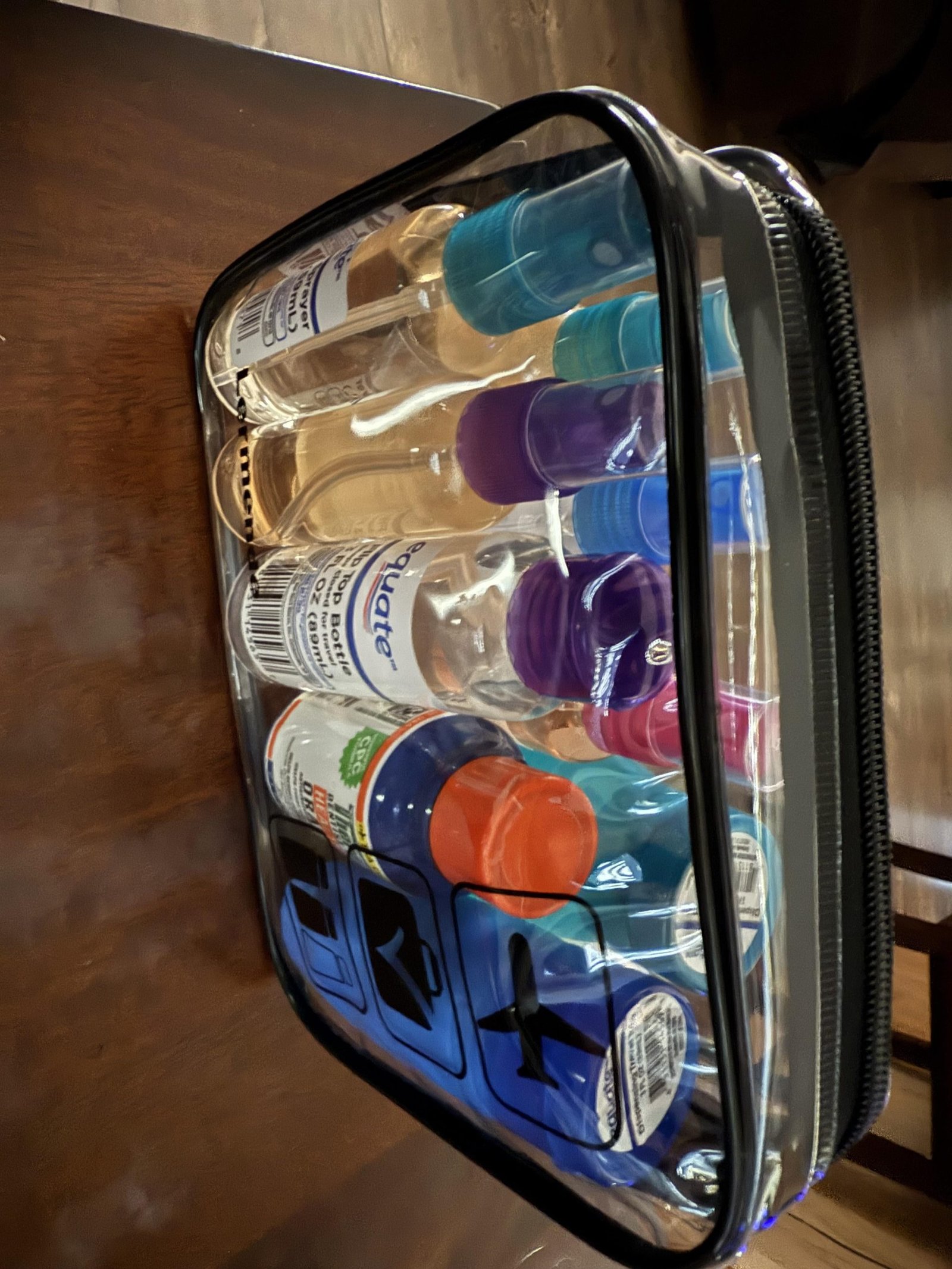
Have you ever stood at the airport security line, holding a bottle of shampoo, and wondered if it really needs to be in a clear bag? You’re not alone.
Navigating airport security can feel like a maze, especially when it comes to packing liquids. The rules are often confusing and can leave you anxious about what to do. But imagine breezing through security with confidence, knowing you’ve got it all under control.
This is your chance to unravel the mystery of liquid regulations and pack like a pro. Stick with us, and we’ll guide you through the essentials, ensuring your next flight is stress-free and smooth. Ready to discover the secrets to hassle-free travel? Let's dive in!

Liquid Rules At Airports
Traveling through airports often means navigating the rules around carrying liquids in your hand luggage. These rules can seem strict or confusing, but they exist for your safety and to keep security lines moving smoothly. Understanding why liquids must be in a clear bag will help you pack smarter and breeze through security without unnecessary delays.
Security Screening Basics
Airport security checks are designed to spot potential threats quickly. Liquids, gels, and aerosols are closely monitored because they can be combined to make dangerous substances. Security officers need a clear view of what you’re carrying, which is why containers must be visible and easy to inspect.
Have you ever watched a long security line stall because someone’s liquids weren’t properly packed? That’s what security tries to avoid. They want to identify any suspicious items without having to open every bag, saving you time and stress.
Why The Clear Bag?
The clear bag acts like a window into your liquids, making it easier for security to see exactly what you have. It’s not just about transparency for the sake of it—this rule speeds up inspections and reduces the need for additional screening.
Think about how much quicker it is to find something when it’s in a clear container. The same idea applies here. If your liquids are scattered in opaque containers, security has to take extra time to check each one.
Do you own a reusable clear bag? Keeping one ready in your travel kit can save last-minute packing headaches and help you avoid fumbling at the checkpoint.
Allowed Liquid Quantities
Knowing the exact limits on liquid amounts can prevent your favorite travel-sized products from being tossed out. Usually, each container can hold no more than 100 milliliters (3.4 ounces), and all containers must fit comfortably inside a single clear, resealable bag.
This bag typically must not exceed one liter in volume, roughly about 20cm x 20cm (8 inches x 8 inches). When packing, place your liquids upright and avoid overstuffing the bag to meet these size requirements easily.
- Containers larger than 100 ml are not allowed in carry-on luggage.
- Exceptions exist for medications, baby formula, or special dietary liquids, but you need to declare them.
- Remember to remove the liquid bag from your carry-on for separate screening.
Have you ever had to throw away a half-full bottle at security? Planning ahead by measuring your liquids can save you money and frustration at the gate.
Types Of Liquids Covered
Understanding which liquids must be packed in a clear bag is important for smooth travel. Various types of liquids fall under the rules for airport security. These rules apply to many everyday items you carry in your bag. Knowing the types of liquids helps you pack smarter and avoid delays.
Gels And Aerosols
Gels include items like hair gel, shower gel, and some toothpaste. Aerosols are sprays such as deodorants, hairsprays, and shaving foam. Both gels and aerosols must be placed in a clear, resealable bag. The bag helps security officers check the contents quickly and easily.
Creams And Pastes
Creams like moisturizers and sunscreens fall into this category. Pastes include items such as toothpaste and some makeup products. These liquids are also required to be in a clear bag. This rule limits the amount you can carry to avoid carrying large quantities.
Exceptions To The Rule
Some liquids do not need to be in a clear bag. Baby food, medicine, and special dietary items are allowed outside the bag. You must declare these items at security checkpoints. These exceptions help travelers with special needs carry essential items safely.
Clear Bag Requirements
Clear bag requirements are important for carrying liquids during travel. Airports and security checkpoints require liquids to be in specific bags. These rules help security staff check contents quickly and safely. Knowing these rules makes packing smooth and stress-free.
Size And Material Specifications
Clear bags must be small and transparent. Usually, the size allowed is about one quart or one liter. The bag should be made of clear plastic or vinyl. This allows security officers to see inside without opening the bag. Bags that are colored or opaque are not accepted.
Reusable Vs. Disposable Bags
Both reusable and disposable clear bags are allowed. Reusable bags are stronger and can be used many times. Disposable bags are often thin and used once. Reusable bags save money and reduce waste. Choose a bag that is sturdy but easy to carry.
Tips For Packing Efficiently
- Place all liquid containers upright inside the bag.
- Keep container sizes under 100ml or 3.4 ounces.
- Use small bottles to save space.
- Fill the bag without overstuffing to close it properly.
- Organize liquids by type for faster security checks.
International Variations
Rules about carrying liquids in clear bags vary across the world. Some countries have strict regulations, while others are more relaxed. Knowing these differences helps travelers avoid delays and frustration at airport security.
Security checks adapt to local safety concerns and airport capabilities. Understanding international variations is key to smooth travel.
Rules In Different Countries
Many countries require liquids in transparent, resealable bags. The size limit for these bags often ranges from one to two liters. Some places, like the United States and European Union, have similar rules. Others, such as Japan or Australia, may have extra restrictions or allow exceptions.
Some countries do not require clear bags but still limit liquid volume. It is common to see stricter rules at airports with high security risks. Travelers should research rules for their destination and transit points.
Airline-specific Policies
Airlines may add their own liquid bag rules. Some airlines require clear bags even if the country does not. Others may allow liquids in carry-ons without a clear bag but with volume limits. Checking the airline’s website before flying can prevent surprises at boarding.
Budget airlines often have tighter rules to speed up security checks. Full-service airlines may be more flexible but still follow airport rules. Each airline’s policy can affect how passengers pack liquids for their trip.
How To Stay Updated
- Check official airport and government websites regularly.
- Follow airline updates before each flight.
- Use travel apps with real-time security advice.
- Ask customer service if unsure about liquid rules.
Airport security rules can change quickly due to new threats. Staying informed ensures a hassle-free journey. Packing liquids properly saves time and stress.
Alternatives To Carrying Liquids
Carrying liquids while traveling can be tricky due to strict security rules. There are other ways to bring your essentials without the hassle of clear bags. These options make traveling easier and more convenient.
Buying After Security
Many airports have shops after security checkpoints. You can buy drinks, lotions, or other liquids there. This way, you do not need to carry liquids through security. It saves time and avoids the need for clear bags.
Travel-size Containers
Small bottles hold limited amounts of liquids. These containers follow airport rules easily. You can fill them with your favorite shampoo, lotion, or gel. They fit well in your carry-on and reduce the need for large bottles.
Solid And Powder Alternatives
Solids and powders replace many liquid products. Solid shampoos, soaps, and lotions work well. Powdered detergents and makeup are also good choices. These forms do not need clear bags or special containers.


Frequently Asked Questions
Do Liquids Need To Be In A Clear Bag For Flights?
Yes, liquids must be in a clear, resealable plastic bag for flight security. This helps TSA quickly inspect items and ensures safety. The bag must be transparent and fit all your liquid containers, usually limited to 1 quart in size.
Why Are Clear Bags Required For Carrying Liquids?
Clear bags allow security officers to easily see liquids without opening containers. This speeds up screening and reduces security risks. It also helps prevent prohibited items from being carried onto the plane.
What Size Must The Clear Bag Be For Liquids?
The clear bag must be approximately 1 quart (1 liter) in size. It should fit all liquid containers comfortably while being resealable. This size limit helps TSA manage and inspect liquids efficiently.
Can I Use Any Clear Bag For My Liquids?
You can use any clear, resealable plastic bag that meets size requirements. Ziplock-style bags are commonly accepted. Avoid opaque or colored bags, as they may be rejected during security checks.
Conclusion
Travel rules ask for liquids in clear bags for safety checks. Clear bags help security officers see liquids quickly. This makes airport screening faster and easier for everyone. Using a clear bag also avoids delays or problems at checkpoints. Remember to pack liquids in small containers that fit the bag.
Following these simple steps keeps your journey smooth and stress-free. Clear bags are a small step with big benefits. Safe travels!