

Have you ever wondered what happens to your luggage once it disappears behind the check-in counter? It's a curious thought, isn't it?
That moment when you hand over your bags, trusting they'll arrive safely at your destination. But what goes on behind the scenes? Do they x-ray checked luggage? This question might have crossed your mind, especially with all the security measures in place today.
Understanding this process not only satisfies your curiosity but also gives you peace of mind about the safety and security of your belongings. Stick around, because we're about to unravel the mystery of how airports keep your luggage safe and secure. This insight could change the way you pack for your next trip!
Airport Security Screening
Airport security screening plays a crucial role in keeping travelers safe and ensuring smooth airport operations. Every piece of luggage you carry is subject to thorough checks before boarding. Understanding how these screenings work can help ease your travel anxiety and prepare you better for what to expect.
Role Of X Ray Machines
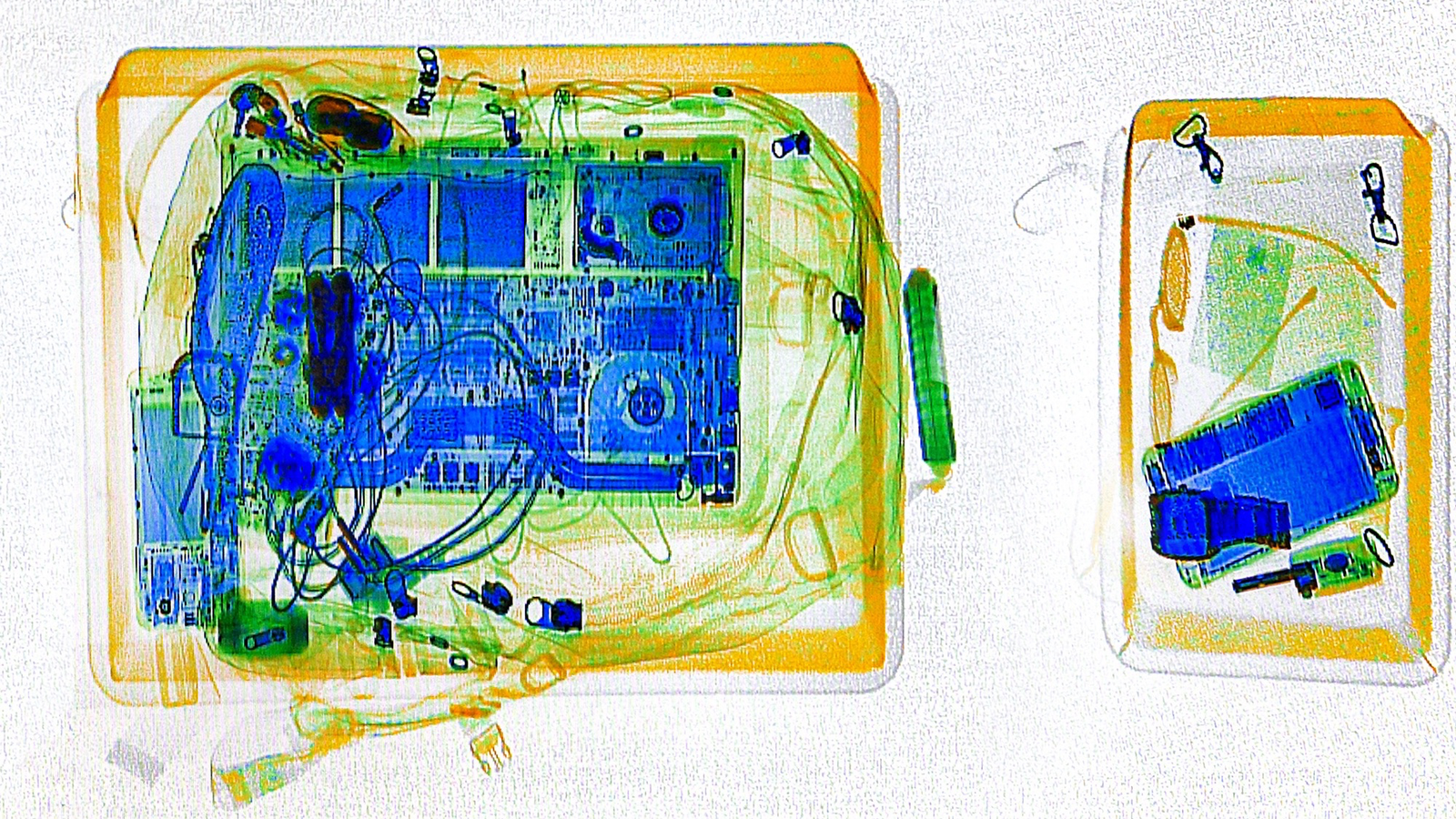
X ray machines act as the eyes of airport security staff. They scan your luggage quickly, revealing the contents without opening the bags.
These machines highlight different materials by showing various colors and shapes on a screen. This helps officers spot prohibited items like weapons or liquids exceeding allowed limits.
Have you ever wondered how security can identify something as small as a nail clipper or a bottle of shampoo? The detailed imaging from X ray machines makes this possible, improving both safety and efficiency.
Types Of Luggage Scanned
Not only checked luggage but also carry-on bags pass through X ray screening. This includes backpacks, suitcases, and even some personal items like briefcases or purses.
Each type of luggage presents unique challenges. For example:
- Checked luggage can hold larger and heavier items, requiring deeper scans.
- Carry-on bags must be scanned quickly to keep passenger flow steady.
Security also uses different scanners for special cases, such as oversized bags or fragile items. Knowing that your bag will be thoroughly but gently inspected can make packing less stressful.

What Happens During X Ray Screening
Airport security uses X ray screening to check luggage quickly and safely. This process helps find dangerous or forbidden items without opening bags. Travelers often wonder what happens during this screening and how the machines detect items inside their luggage.
X ray machines send beams through the bag to create images of its contents. Security officers study these images to spot anything unusual. The process is fast and does not harm your belongings.
How X Rays Detect Items
X ray machines work by passing low-level radiation through luggage. Different materials block or absorb X rays in unique ways. This creates a shadow or outline on the screen.
Dense items like metals appear brighter or darker than soft materials. Liquids, plastics, and organic matter show up in different colors or shades. This contrast helps security staff identify what is inside each bag.
The technology can reveal shapes, sizes, and sometimes even the contents of containers. It helps spot hidden compartments or suspicious objects.
Common Items Flagged
Security officers watch for items that may pose a risk or break rules. Some common flagged items include:
- Sharp objects such as knives or scissors
- Liquids exceeding allowed volumes
- Explosives or flammable materials
- Weapons like guns or replicas
- Electronic devices that look unusual
- Dense or oddly shaped packages
If an item looks suspicious, officers may open the bag for a closer check. This helps keep all travelers safe and follows airport security laws.
Traveler Rights And Privacy
Travelers expect safety and respect for their privacy during security checks. Understanding rights helps maintain a balance between security and personal privacy. Airports use X-ray machines to screen luggage for dangerous items. This process raises questions about how much privacy travelers lose and what protections exist.
Privacy Concerns
X-ray screening can reveal personal belongings inside luggage. Some travelers worry about sensitive or private items being seen. There is a risk that images might be viewed by unauthorized staff. Privacy concerns increase when images are stored or shared beyond security checks. Travelers often seek reassurance that their personal items remain confidential. Clear rules about who can view images help protect privacy. Security staff receive training to handle images with respect and care.
Legal Regulations
Laws govern how airports conduct luggage X-ray screening. These laws aim to protect travelers' privacy rights while ensuring safety. Regulations often require transparency about what is checked and how images are used. Many countries enforce strict limits on storing or sharing images. Travelers may have the right to ask questions about screening procedures. Some places require security staff to follow privacy policies and report any violations. Knowing local laws helps travelers understand their rights and what to expect during screening.
Preparing Luggage For Screening
Preparing your luggage for screening is essential to ensure a smooth airport experience. Knowing what to pack and what to leave out can save you time and prevent unnecessary hassle. It also helps security personnel quickly identify any potential issues without needing to open your bag.
Packing Tips
Organize your items neatly and use clear bags for smaller essentials like toiletries and electronics. Place liquids in containers of 100ml or less and keep them accessible for easy inspection. Separate electronics such as laptops and tablets, since you'll often need to take them out during screening.
Think about packing heavier items at the bottom and lighter ones on top to avoid crushing fragile belongings. Use packing cubes or pouches to group similar items together. This not only helps you stay organized but also speeds up the screening process.
What To Avoid
Don’t pack prohibited items such as sharp objects, flammable materials, or large quantities of liquids. These will raise red flags and cause delays. Avoid overpacking, which can make it harder for security to see what’s inside your bag clearly.
Stay away from packing items that look suspicious on an X-ray, like dense blocks or oddly shaped objects that can confuse screeners. Have you ever wondered why some bags get pulled aside more often? It’s usually because of unclear packing or banned items inside.
Special Cases In Luggage Screening
Luggage screening often involves special cases that need extra care and attention. Not all bags are treated the same during the security check. Understanding these differences helps travelers prepare better and avoid delays.
Checked Vs. Carry-on Bags
Checked bags go through more thorough X-ray screening. They may be opened for manual inspection if needed. Carry-on bags get scanned too, but security focuses on visible items. Liquids, electronics, and sharp objects must be easily accessible in carry-ons. This speeds up the process and reduces hassle.
Handling Sensitive Equipment
Special items like medical devices or fragile electronics require careful screening. Airport staff may ask to see proof or explanation for these items. Some equipment can be hand-checked to prevent damage. Always notify security about sensitive items before screening. This ensures safe handling and smooth passage through security.

Advanced Technologies In Luggage Scanning
Advanced technologies in luggage scanning improve airport security and speed up the process. These technologies help screeners see inside bags without opening them. They detect dangerous items and ensure travelers’ safety.
3d Imaging
3D imaging creates a detailed, three-dimensional view of luggage contents. It shows objects from all angles. This helps security staff identify items clearly. The technology reduces false alarms and speeds up inspections. It also allows quick decision-making on potential threats.
Automated Threat Detection
Automated threat detection uses software to analyze scanned images. It highlights suspicious objects automatically. The system learns to recognize weapons, explosives, and other dangers. This reduces human error and improves accuracy. It also helps staff focus on real threats quickly.
Impact On Travel Experience
Getting your luggage X-rayed is a routine part of modern travel, but it can shape your entire journey. How you experience airport security checks often sets the tone for the rest of your trip. Understanding the impact on your travel experience helps you prepare better and avoid frustration.
Speed And Efficiency
X-ray screening is designed to speed up security checks by quickly scanning your bags without opening them. This technology lets security staff spot prohibited items fast, so you spend less time waiting in line.
However, efficiency depends on airport staff and equipment. Some airports use the latest scanners that process luggage in seconds, while others may have older machines that slow the flow. Have you noticed how some airports get you through faster? That’s often because of better X-ray systems.
To keep things smooth, pack your bags in an organized way. Clear plastic bags for liquids and easy-to-access compartments help security staff scan quickly without delays.
Dealing With Delays
Even with X-ray machines, delays can happen. If your bag raises an alarm, it may need a manual check, which takes extra time. This unexpected step can throw off your schedule and add stress.
Sometimes, delays occur due to high passenger volumes or technical issues with scanners. When this happens, patience and staying calm are your best tools. Have you ever been stuck waiting while your bag was rechecked? It’s frustrating, but understanding why helps you stay composed.
Consider arriving earlier than usual to allow for possible delays. This cushion gives you peace of mind and prevents rushing through security.

Frequently Asked Questions
Do All Airports X-ray Checked Luggage?
Yes, most airports use X-ray machines to screen checked luggage. This ensures safety and detects prohibited items efficiently.
How Does X-ray Checked Luggage Work?
X-ray machines scan luggage by passing rays through items. The images reveal contents, helping security detect dangerous or banned materials.
Can I Refuse X-ray Screening For My Luggage?
No, refusal to X-ray checked luggage usually results in denied boarding or further inspection. It is mandatory for security.
Are Liquids Allowed In X-rayed Checked Luggage?
Yes, liquids are allowed in checked luggage but must follow airline regulations. X-ray machines can detect suspicious liquid containers.
Conclusion
Airport security always uses X-ray machines to check luggage. This helps keep travelers safe and stops dangerous items. You can pack your bags with confidence, knowing security will scan them carefully. Always follow the rules about what you can bring.
This makes the process faster and easier for everyone. Remember, X-ray checks are a normal part of travel today. Staying calm and prepared helps you pass through quickly. Safe travels start with understanding luggage screening at airports.