

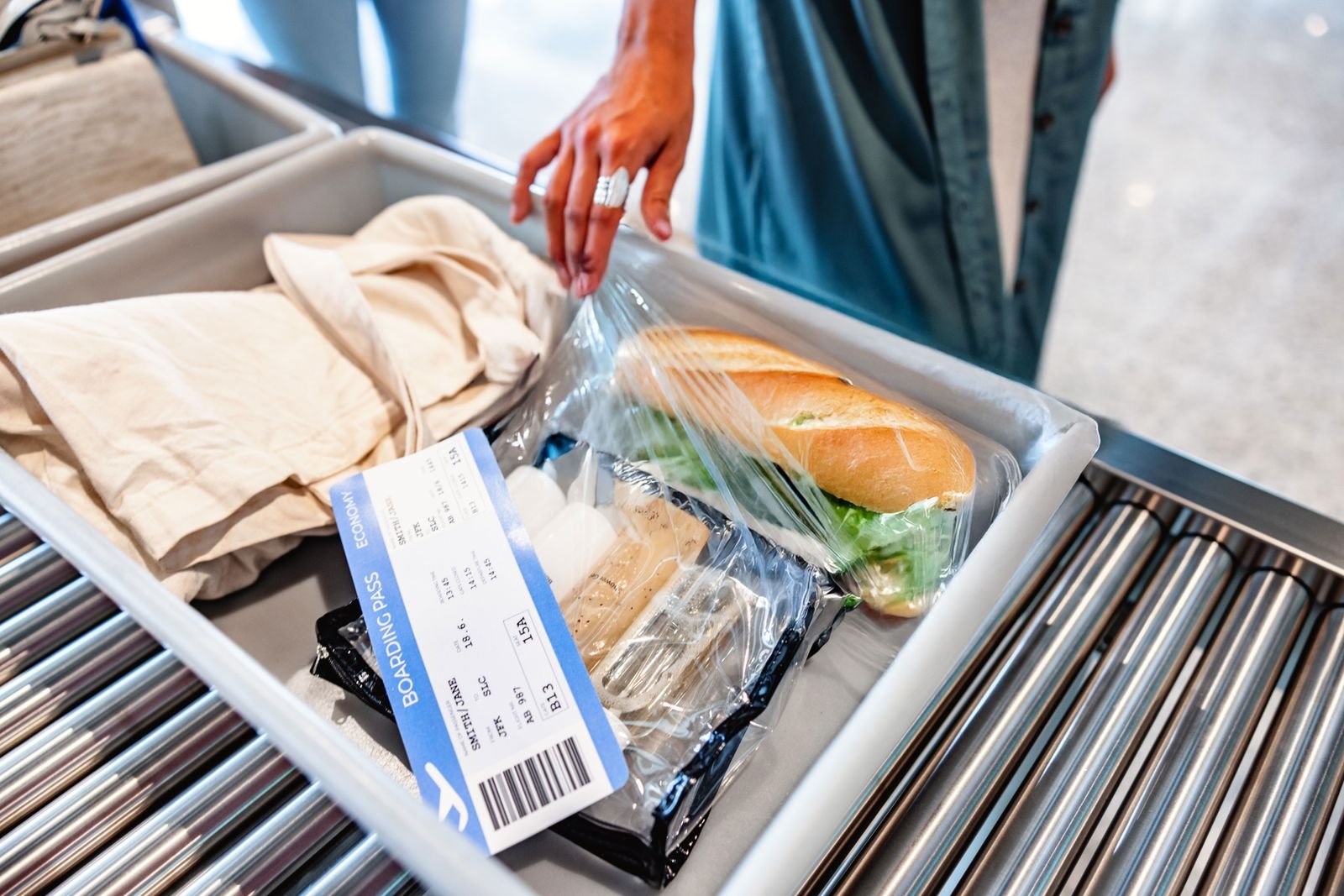
Traveling can be an exciting adventure, but it often comes with its own set of challenges. One question that might be lingering in your mind as you pack your bags is, "Do you have to declare food in checked luggage?"
You're not alone in this. Navigating the rules and regulations of what you can and cannot bring on a plane can feel overwhelming. But don't worry, we're here to clear up the confusion. By understanding these guidelines, you can avoid unnecessary delays and ensure a smooth trip.
Whether you're carrying local delicacies from your recent getaway or just some snacks for the flight, knowing how to handle food items properly is crucial. Keep reading to discover the essentials about declaring food in checked luggage and make your travel experience hassle-free.
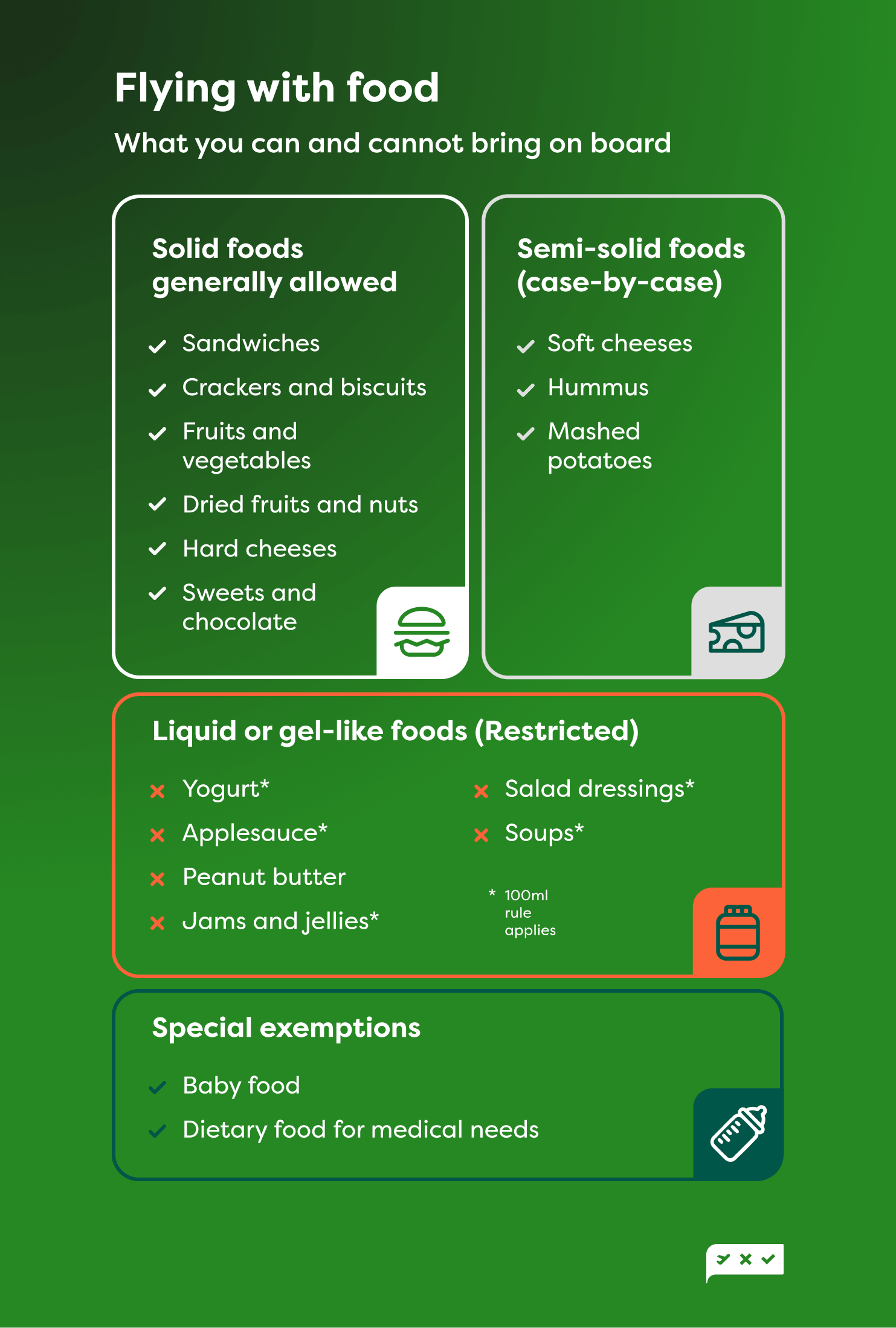
Food Items Allowed In Checked Luggage
Traveling with food in checked luggage requires knowing what is allowed. Airlines and customs have rules to keep food safe and prevent pests. Some food items are fine to pack, while others may cause problems. Understanding which foods you can bring helps avoid delays or fines at the airport.
Many dry and packaged foods travel well in checked bags. These items usually do not spoil or leak. They are easy to handle and rarely cause issues with security or customs.
Dry And Packaged Foods
- Dried fruits like raisins or apricots
- Snack bars and granola bars
- Crackers and cookies in sealed packages
- Instant noodles and dry soup mixes
- Cereals and dry grains such as rice or quinoa
- Powdered drink mixes and spices
Make sure these foods are sealed tightly. Avoid open packages to prevent spills or contamination.
Canned And Preserved Goods
- Canned vegetables and fruits
- Jams, jellies, and preserves in sealed jars
- Pickled items like olives or cucumbers
- Canned fish or meats with intact seals
- Vacuum-packed smoked or dried meats
Canned and preserved goods must be unopened. They should be packed carefully to avoid damage during transit.
Food Items Prohibited In Checked Luggage
Many travelers wonder which food items are banned in checked luggage. Airlines and customs have strict rules to protect local agriculture and prevent pests. Some foods can carry harmful bacteria, insects, or diseases. These items often cannot be brought on board or checked in. Knowing these restrictions helps avoid fines or confiscations at the airport.
Fresh Fruits And Vegetables
Fresh fruits and vegetables are commonly prohibited in checked luggage. They can carry insects or plant diseases. Many countries ban these items to protect their farms. Even small amounts might be confiscated. Pack only dried or canned versions if allowed.
Meat And Dairy Products
Meat and dairy products often face strict regulations. Raw, cooked, or processed meats can carry viruses or bacteria. Some countries do not allow any meat in checked bags. Dairy items like cheese or milk may also be banned. Check specific rules before packing these foods.
Perishable Items
Perishable foods spoil quickly and can cause health risks. This group includes seafood, salads, and leftovers. Airlines may refuse these items due to temperature control issues. Frozen or refrigerated foods need special packaging and approval. Avoid packing perishable food unless necessary and allowed.
Customs Declaration Requirements
Customs declaration rules help protect countries from harmful pests and diseases. Many countries require travelers to declare food items brought in checked luggage. This process ensures safety and prevents illegal or restricted goods from entering. Understanding these rules avoids delays and legal trouble during your trip.
When To Declare Food
Declare food if it is fresh, cooked, or homemade. This includes fruits, vegetables, meat, dairy, and baked goods. Packaged and sealed items may also need declaration depending on the country’s rules. Always check the specific customs guidelines of your destination before packing. If unsure, declare the food to avoid issues.
Fines And Penalties For Non-declaration
Failing to declare food can lead to serious fines and penalties. Customs officers may confiscate undeclared items. Travelers can face monetary fines, delays, and even legal action. Some countries impose strict rules with heavy penalties for non-compliance. Honesty during customs checks helps keep your trip smooth and stress-free.
Country-specific Food Regulations
Different countries have strict rules about bringing food in checked luggage. These rules protect local plants, animals, and people. Knowing country-specific food regulations helps avoid fines or losing your food items at customs. Each country has its own list of allowed and banned foods.
United States
The U.S. has tough rules about food in luggage. Most fresh fruits, vegetables, and plants are not allowed. Meat and dairy products often need special permits. Packaged and processed foods are usually fine. Declare all food items on customs forms to avoid penalties.
European Union
The EU controls food imports to keep diseases out. Fresh meat, fish, and dairy from outside the EU are mostly banned. Plant products like seeds and fresh fruits are often restricted. Travelers must declare all food items. Some processed foods are allowed if they meet EU safety standards.
Australia And New Zealand
Australia and New Zealand have very strict food rules. Most fresh and homemade foods are banned. Meat, dairy, fruits, vegetables, and seeds usually cannot enter. Packaged and commercially processed foods may be allowed. All food items must be declared to biosecurity officers on arrival.
Tips For Packing Food In Checked Luggage
Packing food in checked luggage requires careful planning. Proper packing keeps your food fresh and avoids messes. It also helps with airport security checks. Follow simple tips to protect your food and make travel smooth.
Proper Packaging Techniques
Use airtight containers to keep food fresh and prevent spills. Wrap items tightly with plastic wrap or foil for extra protection. Place fragile items in bubble wrap or padded bags. Use resealable bags for snacks or small portions. Pack heavier items at the bottom to avoid crushing lighter ones. Keep liquids in leak-proof bottles and seal them with tape.
Labeling And Documentation
Label each container clearly with the food name and date. Write down any special instructions or ingredients if needed. Keep receipts or documentation if the food is store-bought. This helps customs officers understand what you carry. Declare foods that require it to avoid fines or confiscation. Organize documents in an easy-to-access place inside your luggage.
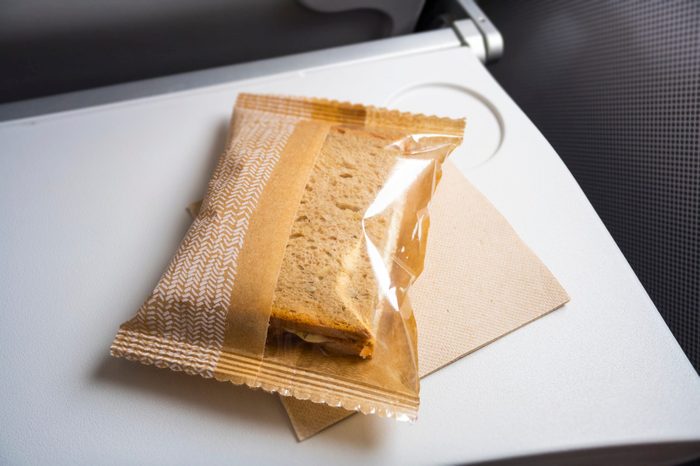
Alternatives To Carrying Food In Checked Luggage
Carrying food in checked luggage often raises questions about customs regulations and the risk of spoilage. Luckily, there are practical alternatives that can help you avoid these issues altogether. These options can save you time, reduce hassle at the airport, and ensure your food arrives safely and fresh.
Shipping Food Separately
Shipping food separately is a smart choice if you want to avoid airline restrictions and potential confiscation. You can use reliable courier services that specialize in handling perishable items, ensuring your food stays fresh during transit. Have you considered sending your favorite snacks directly to your destination instead of lugging them through the airport?
Some tips for successful shipping:
- Choose insulated packaging to maintain temperature.
- Label the contents clearly to comply with customs rules.
- Check shipping timelines to match your travel schedule.
This approach is especially useful for homemade goods or specialty items that are hard to find at your destination.
Buying Food Upon Arrival
Buying food upon arrival can save you the trouble of carrying extra weight and dealing with customs declarations. Many airports and local markets offer a variety of fresh and packaged foods that meet local regulations. Have you tried exploring local flavors right after landing? It can be a delightful start to your trip.
Consider these points when buying food at your destination:
- Research local grocery stores or markets near your accommodation.
- Ask locals or hotel staff for recommendations on where to find specific items.
- Look for sealed and packaged goods to avoid any customs issues.
By purchasing food after you arrive, you also support local businesses and enjoy authentic culinary experiences.
Frequently Asked Questions
Do I Need To Declare Food In Checked Luggage?
Yes, you must declare all food items in checked luggage. Customs regulations require declaration to prevent prohibited or restricted goods from entering a country. Failure to declare food can lead to fines or confiscation of items at arrival.
Which Foods Are Restricted In Checked Baggage?
Restricted foods often include fresh fruits, vegetables, meats, and dairy products. Each country has specific rules to protect local agriculture from pests and diseases. Always check the destination's customs guidelines before packing food in checked luggage.
Can I Carry Homemade Food In Checked Luggage?
Homemade food may be allowed but must be declared at customs. Certain ingredients or preparation methods might cause restrictions. To avoid issues, pack food securely and verify the rules for homemade items at your destination.
What Happens If I Don’t Declare Food In Luggage?
Undeclared food can be confiscated, and you may face fines or delays. Customs officers conduct inspections and enforce strict penalties for non-compliance. Always declare food to ensure smooth customs clearance and avoid penalties.
Conclusion
Declaring food in checked luggage helps avoid fines and delays. Some foods are not allowed due to safety rules. Always check the rules of your destination before packing. Honest declaration keeps your trip smooth and stress-free. Remember, small effort before travel saves big trouble later.
Safe travels and enjoy your journey!