

Traveling can be an exhilarating experience, but it often comes with its fair share of questions and concerns. One question you might find yourself pondering is, "Do you have to declare knives in checked luggage?"
This query isn't just about following rules; it's about ensuring a smooth, hassle-free journey. Imagine arriving at your destination, only to be held up due to a simple oversight. You wouldn't want that, right? Understanding the regulations around packing knives can save you time and stress.
It can also help you avoid potential legal issues. Whether you're a culinary enthusiast carrying chef knives for a cooking class or simply bringing a utility knife for camping, knowing the right protocols is crucial. This article will guide you through the essentials, making sure you're well-prepared for your next trip. Stay with us as we unravel the do's and don'ts of packing knives in checked luggage. Your peace of mind while traveling is just a read away!

Knife Regulations In Air Travel
Knife regulations in air travel are strict and clear. Airlines and security agencies set rules to keep all passengers safe. Knowing these rules helps avoid problems at the airport. Different rules apply depending on the type of luggage you carry. This section explains the general rules and the differences between carry-on and checked luggage.
General Rules For Carrying Knives
Knives of any kind are usually not allowed in carry-on bags. Security checks at airports screen for sharp objects. Many airlines ban knives with blades longer than a few centimeters. Some small knives may be allowed, but it depends on the airline and country.
Knives must be packed securely. They should not cause harm to baggage handlers or inspectors. Sharp edges should be covered or sheathed. Always check the airline’s website or official rules before packing knives.
Differences Between Carry-on And Checked Luggage
Knives are generally banned in carry-on luggage. This rule applies to all sharp objects like scissors and box cutters. Carry-on bags go through stricter security checks.
Checked luggage has fewer restrictions. Most knives can be packed in checked bags. They must be securely wrapped to prevent injuries. Some countries and airlines have specific limits on blade length.
Always declare knives at check-in if required by the airline. Failure to declare may cause delays or confiscation. Confirm the rules for your destination to avoid surprises.
Types Of Knives Allowed
Knowing which types of knives you can pack in your checked luggage is crucial to avoid surprises at airport security. Different knives have different rules based on their size, design, and intended use. Understanding these distinctions helps you pack smart and travel stress-free.
Permitted Knives In Checked Bags
You can usually pack certain knives in your checked luggage without issues. These include:
- Kitchen knives:Chef's knives, paring knives, and other standard cooking knives are allowed as long as they are securely wrapped.
- Folding pocket knives:Traditional folding knives without locking blades are typically accepted.
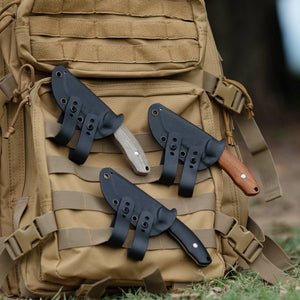
- Hunting and fishing knives:Fixed-blade knives used for outdoor activities can be packed if properly sheathed.
Make sure your knives are sheathed or wrapped to prevent injury to baggage handlers and security staff. A hard case or blade guard is a smart choice.
Knives Prohibited On Flights
Some knives are outright banned from both carry-on and checked baggage. These include:
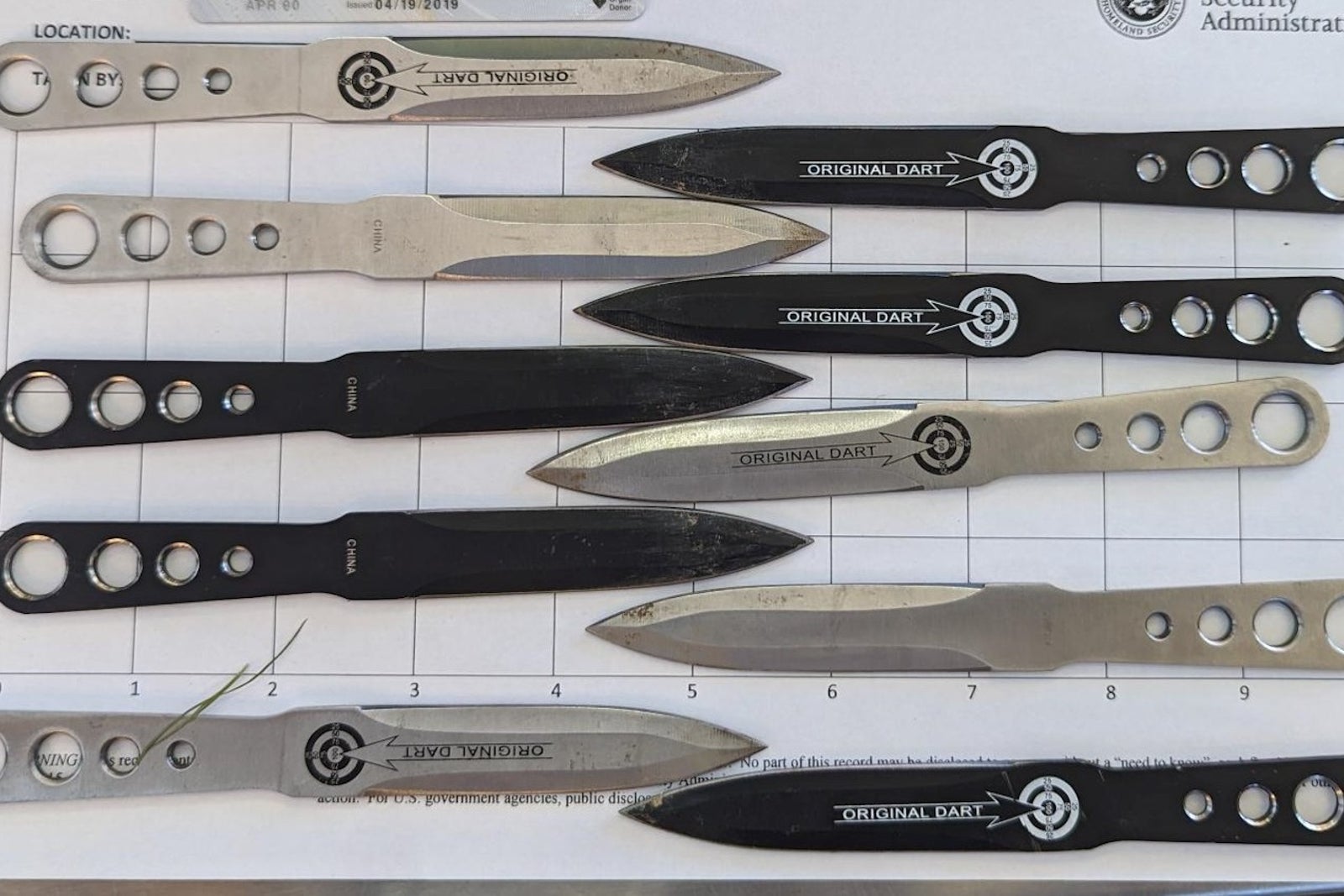
- Switchblades and automatic knives:These knives open automatically with a button or lever and are illegal on most flights.
- Balisongs (butterfly knives):Their folding mechanism often classifies them as restricted weapons.
- Blade length restrictions:Some airlines and countries prohibit knives with blades over a certain length, often around 4 inches.
- Knives with disguised blades:Items like belt buckle knives or pen knives are typically banned due to their concealed nature.
Have you ever tried to pack a knife only to get stopped at security? Knowing these rules can save you from confiscation or fines.
Declaration Requirements
Understanding declaration requirements for knives in checked luggage is crucial before you pack for your trip. Different airlines and countries have specific rules that you must follow to avoid delays or fines. Knowing when and how to declare your knives ensures a smooth airport experience and keeps your journey hassle-free.
When To Declare Knives
You need to declare knives if they exceed the airline or country’s size and type limits. For instance, many airlines allow small pocket knives but require you to declare larger blades or specialized knives. If you’re carrying collectible or antique knives, declaring them is often mandatory regardless of size.
Think about your knife’s purpose and size. Is it a chef’s knife for cooking, a multitool, or a souvenir blade? If it’s not explicitly allowed without declaration, it’s safer to declare it. Have you ever faced a delay or confusion at airport security? Proper declaration can prevent those stressful moments.
How To Declare Knives At The Airport
Declaring knives usually involves informing the airline and security personnel during check-in or baggage drop-off. You should clearly state the number, type, and purpose of the knives you’re carrying. Some airports require filling out a declaration form or labeling your luggage accordingly.
Here’s a quick checklist to help you declare knives efficiently:
- Inform the airline staff at check-in about your knives.
- Fill out any necessary declaration forms provided by the airport.
- Pack knives securely in your checked luggage, preferably in a hard case.
- Label your luggage if required to indicate it contains knives.
Remember, transparency is your best friend here. Have you prepared your documentation and packing to make declaration easy? Taking these steps shows responsibility and keeps your travel smooth.
Packing Tips For Knives
Packing knives for air travel requires more than just tossing them into your checked luggage. You need to think about safety, airline rules, and protecting your blades. How you wrap and store your knives can make a big difference in preventing damage and avoiding injury during your journey.
Safe Wrapping And Storage
Wrap each knife blade individually to prevent scratching or dulling. Use materials like bubble wrap, thick cloth, or blade guards designed specifically for knives. Secure the wrapping with tape or rubber bands to keep it from unraveling inside your bag.
Place knives in a sturdy container or a hard-sided case to keep them from shifting during transit. A dedicated knife roll or a small toolbox works well. This setup also helps you stay compliant with airline regulations by keeping blades contained and easy to inspect.
Avoiding Damage And Injury
Sharp blades can cut through luggage and injure baggage handlers if not packed properly. To reduce this risk, ensure no part of the blade is exposed. Double-check that the handle and blade are tightly secured together inside your wrapping or case.
Think about what else you’re packing nearby. Avoid placing knives next to fragile items or anything that could be damaged by a sharp edge. Are your knives positioned so they won’t move around? If not, add padding or place them in a separate compartment to minimize movement.
Airport Security Procedures
Airport security procedures focus on keeping travelers safe and ensuring smooth flights. Checked luggage goes through strict screening to detect any prohibited items. Knives, in particular, require careful handling due to safety concerns. Understanding these procedures helps avoid delays and issues during your journey.
Screening Of Checked Luggage
Checked bags pass through advanced scanners and X-ray machines. Security officers look for dangerous objects like knives and sharp tools. If a knife is found, it must follow specific rules to be allowed on board. Proper packaging and declaration can help speed up the process. Sometimes, additional manual inspection may occur to verify the contents.
Possible Consequences Of Non-declaration
Failing to declare knives in checked luggage can cause serious problems. Security may delay your flight or hold your luggage for further checks. Authorities might confiscate the knife or impose fines depending on the airport rules. In some cases, travelers face legal actions for breaking security laws. Declaring knives helps avoid these risks and ensures a hassle-free trip.
International Travel Considerations
Traveling internationally with knives requires careful attention to the rules of each country. Knife laws vary widely across borders. What is allowed in one country may be banned in another. Understanding these differences helps avoid legal troubles and travel delays.
Knowing the customs rules about knives is essential. Some countries require you to declare knives in your checked luggage. Others forbid carrying knives altogether. Always check the specific rules before packing your bag.
Variations In Knife Laws By Country
Countries have their own knife regulations. Some limit blade length to a few centimeters. Others ban certain types like switchblades or fixed blades. Even folding knives may be restricted in some places.
Rules depend on local safety concerns and cultural attitudes. Penalties for breaking knife laws can include fines or arrest. Research each destination’s knife laws before travel.
Customs Regulations And Declarations
Customs officers inspect luggage for prohibited items. Some countries require travelers to declare knives on arrival forms. Failure to declare may lead to confiscation or penalties.
Declaration rules differ by country and airport. Some allow knives only in checked luggage, not carry-on bags. Others ban knives completely, regardless of luggage type.
Always declare knives if required. Carry documentation about the knife’s purpose, such as camping or cooking. This can ease questions at customs checkpoints.
Legal Implications And Penalties
Failing to declare knives in your checked luggage can lead to serious legal consequences. Airlines and security agencies treat undeclared weapons with high caution. Understanding these legal implications helps you avoid unnecessary trouble during your travels.
Fines And Confiscation
If you don’t declare a knife, you risk facing hefty fines. Airports enforce strict rules, and penalties vary depending on the knife type and the country’s laws. In some cases, authorities may confiscate your knife permanently without compensation.
One traveler once shared how a small pocket knife led to a $500 fine and a missed connection. Such fines can disrupt your plans and leave you frustrated. Always check the specific airline and airport regulations before packing any blade.
Impact On Future Travel
Getting caught with undeclared knives can affect your future travel opportunities. Security agencies might flag your name, leading to increased scrutiny in upcoming flights. This can cause delays and added stress every time you fly.
Have you considered how a single mistake could complicate your travel for months or even years? Some travelers report difficulties obtaining visas or passing security checks because of previous violations. Being upfront about your knives avoids these long-term issues.

Frequently Asked Questions
Do I Need To Declare Knives In Checked Luggage?
Yes, you must declare knives in checked luggage during airline check-in. This ensures compliance with security regulations and avoids delays.
Are Knives Allowed In Checked Baggage On Flights?
Knives are allowed in checked baggage but prohibited in carry-on bags. Always pack knives securely in checked luggage.
What Types Of Knives Can I Pack In Checked Luggage?
Most knives, including kitchen and pocket knives, are allowed in checked luggage. However, airline and country-specific rules may vary.
How Should I Pack Knives In Checked Luggage Safely?
Wrap knives in protective sheaths or cloth to prevent injury and damage. Secure them firmly to avoid movement during transit.
Conclusion
Declaring knives in checked luggage keeps travel safe and smooth. Airlines and airports have clear rules to follow. Always check these rules before packing your knife. Properly packing and declaring knives avoids delays and fines. Safety is the top priority for all travelers.
Remember, honesty helps you avoid trouble at security. Keep your trip stress-free by preparing ahead. Safe travels start with knowing the rules well.