
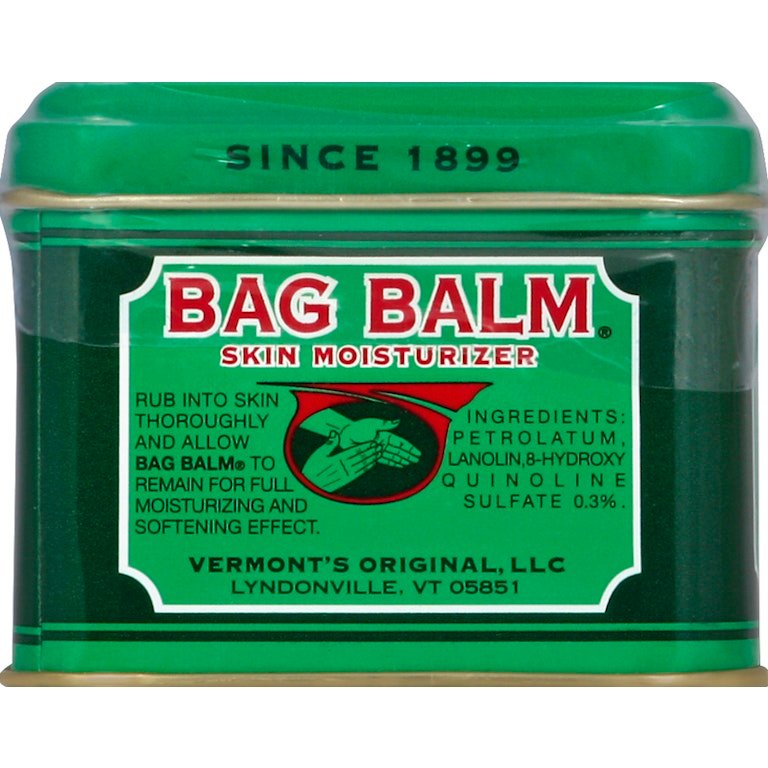
Have you ever found yourself staring at a tin of Bag Balm, wondering if it holds the secret to drawing out infections? You're not alone.
This age-old remedy, tucked away in countless medicine cabinets, has gained a reputation for its seemingly magical healing properties. As you navigate the world of home remedies, you might be curious if Bag Balm is the answer to your infection woes.
Is it truly effective, or just another folklore myth? Before you make any decisions, let's dive deeper into what Bag Balm can and cannot do for your skin. Keep reading to uncover the truth and decide if this balm deserves a spot in your first aid kit.

Credit: www.mdpi.com
What Is Bag Balm?
If you've ever wondered about the buzz around Bag Balm and whether it can draw out infection, it helps to start with the basics. What exactly is Bag Balm, and why do so many people swear by it for skin care and wound treatment? Understanding its origins and what goes into this ointment can give you a clearer picture of how it might work for you.
Origins And Ingredients
Bag Balm was originally created in the late 19th century to soothe and protect the udders of dairy cows. Its name comes from the "bag," a nickname for a cow’s udder, and "balm," highlighting its soothing nature.
The formula is simple yet effective. It contains:
- Petrolatum – a skin protectant that locks in moisture
- Lanolin – a natural oil from sheep’s wool that softens and heals skin
- Phenol – a mild antiseptic that helps reduce bacteria
Because of these ingredients, Bag Balm creates a protective barrier while helping to keep skin moist and free from bacteria. This mix is why many people believe it can assist with minor wounds and skin irritations.
Common Uses
Though designed for cows, Bag Balm quickly found a place in human households. People use it on:
- Dry, cracked skin, especially hands and feet
- Minor cuts and scrapes to help soothe irritation
- Chapped lips or areas prone to dryness
- Diaper rash and other skin irritations
Many users report that Bag Balm helps speed up healing and reduces discomfort. Have you tried it on a stubborn dry patch or a small wound? Its thick texture and protective qualities might surprise you.
Next, we’ll explore whether Bag Balm truly draws out infection or if its benefits lie elsewhere.
How Infections Occur
Infections happen when harmful germs enter the skin and multiply. Our skin acts as a barrier, but cuts, scrapes, or irritation can let germs inside. Once inside, these germs can cause redness, swelling, and pain. Understanding how infections occur helps in preventing and treating them effectively.
Types Of Skin Infections
- Bacterial infections:Caused by bacteria like Staphylococcus or Streptococcus. Examples include impetigo and cellulitis.
- Fungal infections:Result from fungi such as ringworm or athlete’s foot. These often cause itchy, scaly patches.
- Viral infections:Viruses like herpes simplex can cause blisters and sores on the skin.
- Parasitic infections:Caused by tiny parasites like scabies mites that burrow into the skin.
Signs And Symptoms
- Redness around the affected area
- Swelling or puffiness
- Warmth or heat on the skin
- Pain or tenderness
- Pus or fluid oozing
- Itching or burning sensation
- Fever in severe cases
Bag Balm’s Antibacterial Properties
Bag Balm is known for soothing dry and cracked skin. It also has antibacterial properties that may help protect wounds from infection. Understanding these properties can clarify how Bag Balm works on minor cuts and irritations. This section explores its key components and scientific findings about its antibacterial effects.
Key Components That Fight Bacteria
Bag Balm contains lanolin and petrolatum. Lanolin is a natural wax from sheep’s wool. It helps moisturize and create a barrier on the skin. This barrier can keep bacteria out. Petrolatum, a form of petroleum jelly, seals moisture in the skin. It also protects wounds from dirt and germs. Together, these ingredients help maintain a clean, moist environment that supports healing and reduces infection risk.
Scientific Studies And Findings
Research on Bag Balm’s antibacterial effects is limited but promising. Some studies show lanolin has mild antibacterial action against common skin bacteria. The petrolatum base creates a physical shield that prevents bacteria entry. A few clinical reports suggest Bag Balm can reduce redness and irritation in minor wounds. Scientists agree that while Bag Balm may not kill bacteria like strong antiseptics, it helps protect wounds by keeping them clean and moist.
Does Bag Balm Draw Out Infection?
Bag Balm is a popular ointment originally designed for farmers to soothe cracked skin. Some people claim it can draw out infections from wounds or sores. This idea has sparked curiosity and debate among users and experts alike. Understanding whether Bag Balm truly helps with infection requires separating myths from facts and hearing real user stories.
Myths Vs Facts
Many believe Bag Balm pulls out infection from the skin. This is a common myth without strong medical proof. Bag Balm contains lanolin and petrolatum, which help keep skin soft and moist. Moist skin can heal better but does not mean infection is removed.
Doctors say infections need proper cleaning and sometimes antibiotics. Bag Balm alone cannot kill bacteria or stop infection. It might protect skin from drying and cracking, lowering infection risk indirectly. Still, it should not replace medical treatment for infected wounds.
User Experiences And Testimonials
Some users share positive stories about Bag Balm helping their skin feel better. They say it soothes pain and reduces redness around wounds. Others report no change in infection or healing speed. Experiences vary widely.
- One user healed a small cut faster using Bag Balm and clean bandages.
- Another saw no improvement and needed antibiotic cream instead.
- Many note it helps with dry, cracked skin but not deep infections.
These stories show Bag Balm can support skin health but is not a cure for infection. Always watch for signs of infection and seek medical help if needed.
Safe Usage Of Bag Balm On Infected Skin
Bag Balm soothes dry skin but does not pull out infection. Applying it on infected wounds may trap bacteria inside. Always clean wounds properly and consult a doctor for infections.
Bag Balm is a soothing ointment often used for dry or cracked skin. Some people wonder if it can help draw out infection. It contains ingredients that keep the skin moist and protected. This can help the skin heal faster.
Using Bag Balm on infected skin needs care. Applying it on broken or very infected skin might not be safe. The ointment is not a medicine for serious infections. Knowing how to use it safely is important.
Precautions To Take
- Clean the affected area gently before applying Bag Balm.
- Use a small amount to avoid blocking the skin’s pores.
- Check the skin for any allergic reaction after first use.
- Avoid using Bag Balm on deep cuts or severe infections.
- Do not cover the area with tight bandages after application.
- Stop use if the skin becomes more red, swollen, or painful.
When To Seek Medical Help
- If the infection spreads or worsens despite treatment.
- When there is pus, intense pain, or fever present.
- If the skin shows signs of severe redness or warmth.
- If the wound does not start to heal within a few days.
- When you have a weakened immune system or diabetes.
- If you are unsure about the severity of the infection.
Alternative Treatments For Skin Infections
Skin infections need care to heal properly. Many seek alternatives to common creams and ointments. These options can soothe skin and help fight infection. Some are easy to find at home or stores.
Choosing the right treatment depends on infection type and severity. Mild infections may respond well to simple remedies. More serious cases need stronger solutions or doctor advice.
Over-the-counter Options
Many products can help with minor skin infections. These include:
- Antibacterial creams and ointments
- Antiseptic sprays and washes
- Hydrocortisone creams to reduce inflammation
- Bandages with antimicrobial properties
These products reduce bacteria and protect the skin. They are easy to use and widely available. Follow the instructions to avoid irritation or misuse.
Natural Remedies
Some people prefer natural ways to treat skin infections. These include:
- Honey, known for its antibacterial qualities
- Aloe vera gel to soothe and heal skin
- Tea tree oil, used as an antiseptic
- Warm salt water soaks to clean wounds
Natural remedies can support healing and reduce discomfort. Always test for allergies before use. Consult a healthcare provider if the infection worsens.
Tips For Preventing Skin Infections
Preventing skin infections starts with simple, everyday habits you can easily adopt. Small changes in how you care for your skin and maintain hygiene make a big difference. Let’s look at practical tips you can use right now to keep your skin healthy and infection-free.
Hygiene Practices
Clean skin is your first line of defense against infections. Wash your hands regularly with soap and water, especially before touching cuts or scrapes. Avoid using harsh soaps that strip away natural oils; instead, choose gentle cleansers to keep your skin balanced.
When you have a wound, keep it clean and covered. Change dressings daily or anytime they get wet or dirty. This stops bacteria from sneaking in and causing infection.
Have you ever noticed how easily infections spread when you share towels or razors? Always use your own personal items, and wash towels and bedding frequently in hot water to kill germs.
Skin Care Routine
Healthy skin resists infection better. Moisturize daily to prevent cracks and dryness where bacteria can enter. Look for products with soothing ingredients like aloe vera or shea butter.
After bathing, gently pat your skin dry instead of rubbing hard. This protects the skin’s natural barrier. Also, avoid scratching itchy spots—even if it’s tempting—as this can break the skin and invite infection.
If you spend time outdoors, apply sunscreen to protect your skin from damage. Damaged skin heals slower and is more prone to infection. Have you checked your skin recently for any unusual redness or swelling? Early detection helps you act fast.
Credit: www.lemon8-app.com
Credit: www.chewy.com
Frequently Asked Questions
Does Bag Balm Help In Drawing Out Infection?
Bag Balm soothes skin but does not draw out infection. It keeps wounds moist, which may aid healing. For infections, use proper antiseptics and consult a healthcare professional.
Is Bag Balm Safe For Infected Wounds?
Bag Balm is safe for minor skin irritations but not recommended for infected wounds. Infections require medical treatment to prevent complications.
Can Bag Balm Prevent Wound Infections?
Bag Balm moisturizes and protects skin but does not prevent infections. Proper cleaning and antiseptic care are essential to avoid infection.
How Does Bag Balm Aid Skin Healing?
Bag Balm creates a protective, moisturizing barrier that supports skin repair. It soothes dryness and irritation, promoting faster healing of minor wounds.
Conclusion
Bag Balm can soothe and protect the skin around wounds. It may help keep the area moist, which supports healing. But it does not pull out infection like medicine. For serious infections, seeing a doctor is important. Clean wounds and use proper treatments first.
Bag Balm works best as a moisturizer and barrier. Always watch for signs of infection getting worse. Taking care of wounds with clean hands helps too. Use Bag Balm wisely as part of your skin care.