

Are you curious about what really happens to your checked luggage once it leaves your hands at the airport? Do you ever wonder if it undergoes a security check, or does it simply make its way to the plane without a second glance?
Understanding the journey of your bags can be both reassuring and enlightening. We'll uncover the truth about whether your checked luggage gets scanned, revealing the hidden processes designed to ensure your safety and peace of mind. Stick around to discover how these security measures work and what you can do to make your travel experience smoother.

Checked Luggage Screening
Checked luggage goes through a thorough screening process before it reaches the plane. This ensures your bags don’t carry anything dangerous or prohibited. Understanding how this process works can make you feel more confident about what happens to your belongings after you hand them over at the counter.
How Checked Bags Are Scanned
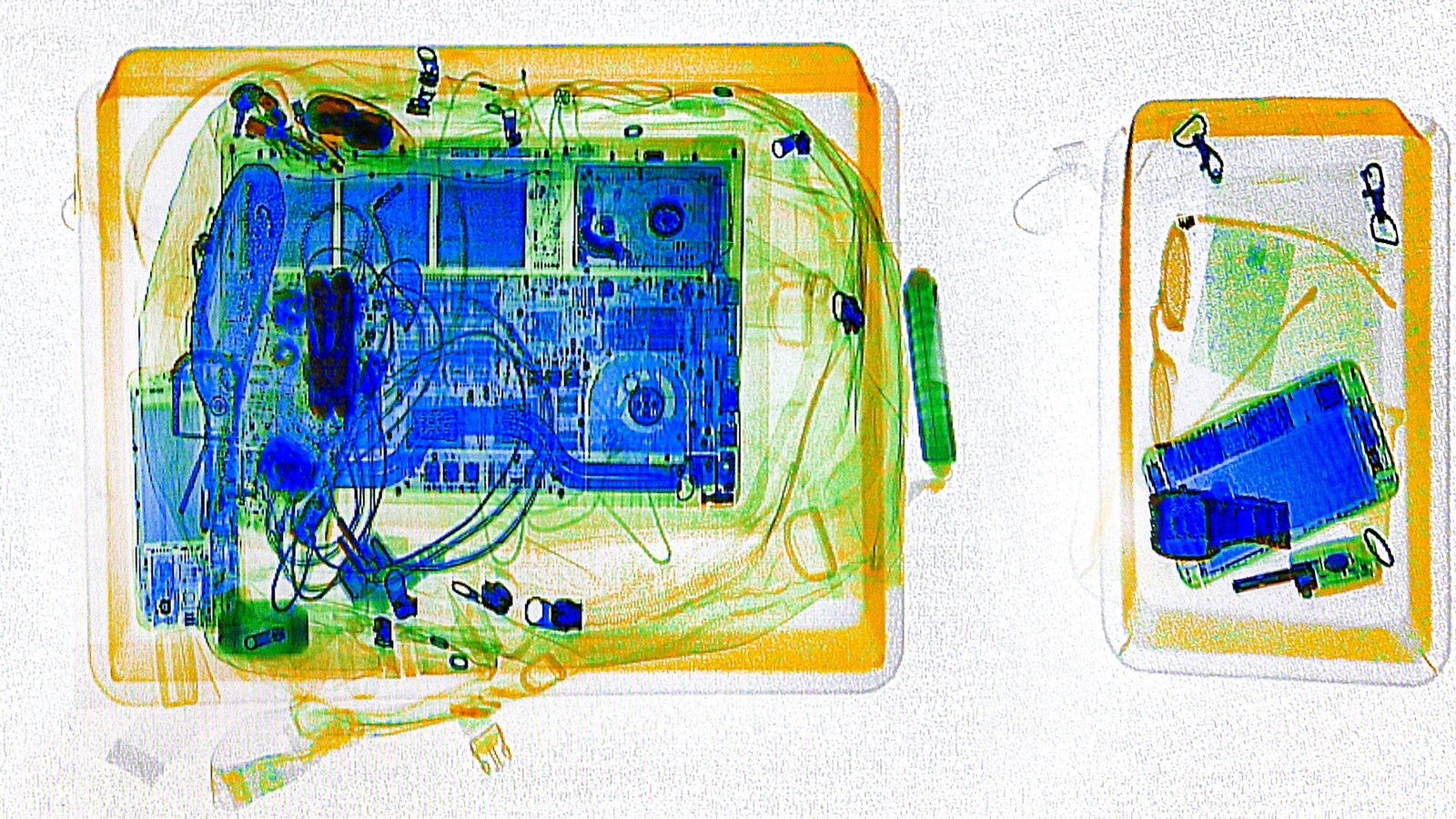
After you drop off your luggage, it moves along a conveyor belt to a screening area. Here, security staff use advanced machines to scan the contents without opening the bags.
These machines create detailed images that help officers spot anything unusual. If something suspicious appears, your bag might be pulled aside for a manual check.
Technology Behind Scanners
The scanners use X-ray technology to look inside your bags. Unlike the simple X-rays at a doctor’s office, these machines produce 3D images that show different layers and materials.
Some airports even use computed tomography (CT) scanners, which offer clearer images and faster results. This tech helps identify liquids, electronics, and other items that require extra attention.
Differences From Carry-on Screening
Carry-on bags go through a different process because you keep them with you. They pass through smaller X-ray machines designed for quick inspection.
Checked luggage screening is more detailed since these bags are out of your sight. This allows security to use more powerful scanners and take extra time if needed.
Have you ever wondered why your carry-on gets checked in seconds, but checked bags take longer behind the scenes? This difference highlights how much care goes into keeping your flight safe.
Security Procedures
Security procedures for checked luggage are designed to keep you safe while ensuring a smooth travel experience. Each bag goes through several layers of scrutiny before it reaches the plane. Understanding these steps can help you prepare and avoid surprises at the airport.
Automated Threat Detection
Your checked luggage first passes through sophisticated machines that scan for potential threats. These machines use X-ray technology and advanced algorithms to spot anything suspicious without opening your bag.
They can detect explosives, weapons, and other dangerous items quickly. Have you ever wondered how a bulky suitcase gets screened in just seconds? This is the reason behind it.
Manual Inspections
If the automated scan raises a red flag, security officers step in to inspect your bag manually. They open it carefully to check the contents and make sure nothing harmful is inside.
This is where your packing habits matter—organized and clearly packed bags reduce the chances of delays. You might feel nervous if your bag is selected, but remember, this step protects everyone on the flight.
Random Bag Checks
Besides targeted inspections, random checks add an extra layer of security. Your bag might be pulled aside even if the scan shows nothing unusual.
This randomness keeps potential threats guessing and helps catch items that machines might miss. Have you ever experienced a random bag check? It’s one way airports stay one step ahead.
What Happens After Scanning
After checked luggage passes through the scanner, airport staff examine the images carefully. The goal is to find any items that could be dangerous or illegal. The process involves several steps to keep air travel safe without causing too much delay.
Handling Suspicious Items
If an item looks suspicious, security officers take extra care. They may isolate the bag from others to inspect it closely. Sometimes, they use special tools or technology to check the contents without opening the bag. Safety is the top priority at this stage.
Bag Re-screening Process
Bags flagged during the first scan go through another round of screening. This second scan uses different machines or manual checks. Officers may open the luggage carefully to verify the contents. The aim is to confirm there is no threat before the bag moves to the plane.
Passenger Notification
In some cases, airport staff need to talk to the passenger. They explain why the bag was flagged and ask questions. Passengers may be asked to be present during the manual search. This step helps clarify any misunderstandings and ensures transparency.

Luggage Restrictions And Guidelines
Airlines and airports have strict luggage rules. These rules help keep all travelers safe. Checked luggage often goes through security screening. Understanding these rules helps avoid delays and lost items.
Prohibited Items In Checked Bags
Many items cannot go in checked luggage. Sharp objects like knives and scissors are banned. Explosives and flammable items are not allowed. Lithium batteries have strict limits or bans. Always check airline rules before packing. This prevents confiscation and fines.
Packing Tips For Smooth Screening
Pack bags neatly to speed up screening. Place liquids in sealed, clear bags. Avoid overpacking to keep contents visible. Use luggage tags with your contact details. Keep valuables in carry-on bags, not checked. This helps with quick inspection and safety.
Size And Weight Considerations
Airlines set size and weight limits. Bags that are too heavy may get extra fees. Oversized bags might not fit in the cargo hold. Check limits before packing to save money. Use a luggage scale to weigh your bag at home.
Privacy And Safety Concerns
Checked luggage often undergoes scanning for security reasons. This process raises questions about privacy and safety. Travelers want to know how their belongings and personal information are handled. Understanding the measures taken can ease concerns and build trust in airport security.
Data Protection Measures
Airports use advanced technology to scan luggage quickly. The data collected is limited to detecting threats, not personal details. Security agencies follow strict rules to protect this information. Access to scan data is restricted to authorized personnel only. These steps help prevent misuse or leaks of sensitive data.
Handling Of Personal Belongings
Checked bags are treated with care during scanning and handling. Security staff follow clear protocols to avoid damage or loss. If a bag requires manual inspection, it is done in a private area. Staff must respect the owner’s privacy while checking contents. This reduces the chance of personal items being exposed unnecessarily.
Traveler Rights During Screening
Travelers have rights during the luggage screening process. They can ask about the procedures and what to expect. If a bag is opened, the owner should be informed promptly. Passengers may request a witness during manual inspections. Knowing these rights helps travelers feel more secure and respected.
Global Variations In Screening
Luggage screening varies widely across the globe. Each region uses different methods and technology to inspect checked bags. These differences depend on local rules, airport size, and security needs. Travelers may notice changes in how their luggage is handled at various airports.
Screening Practices By Region
In North America, airports often use advanced X-ray machines and explosive trace detectors. European airports focus on a mix of technology and manual checks. Asia has some of the strictest screening, sometimes including physical bag searches. African airports vary, with some using basic scans and others applying stricter rules. South America tends to have less consistent procedures, depending on the country.
International Regulations
Global rules guide the minimum security standards for checked luggage. Organizations like the International Civil Aviation Organization (ICAO) set these rules. Airports must follow these standards but can add stricter measures. Regulations cover items banned from checked bags and the use of screening machines. This helps keep air travel safe worldwide.
Impact On Travel Experience
Screening differences can affect how fast travelers move through airports. Stricter checks may cause longer wait times but improve safety. Some airports allow online check-in to reduce luggage handling delays. Travelers might face extra screening if bags trigger alarms. Understanding these variations helps avoid surprises during trips.

Frequently Asked Questions
Does Checked Luggage Always Get Scanned At Airports?
Yes, checked luggage is routinely scanned using X-ray machines for security. This helps detect prohibited items and ensures passenger safety during flights.
How Do Security Scanners Check Checked Baggage?
Security uses advanced imaging technology like X-ray and CT scanners. These devices create detailed images to identify potential threats inside checked bags.
Can Checked Luggage Be Manually Searched?
Yes, if scanners detect suspicious items, security officers may open and inspect bags manually. This ensures no dangerous objects are onboard.
Are All Airports Equipped With Checked Luggage Scanners?
Most major airports worldwide have advanced scanning systems for checked luggage. Smaller airports may use alternative security methods but still ensure thorough screening.
Conclusion
Checked luggage usually goes through security scanners at airports. This process helps keep travelers safe. Scanners look for dangerous or prohibited items inside bags. Passengers should pack carefully to avoid delays or problems. Remember, security rules may change depending on the airport.
Staying informed helps make travel smoother and less stressful. Trust that airport staff work to protect everyone. Safe travels start with understanding how luggage screening works.