

Have you ever handed over your luggage at the airport check-in counter and wondered if it gets searched? You’re not alone.
Many travelers like you are curious about what happens to their checked baggage once it disappears down that conveyor belt. Understanding whether the TSA searches checked luggage can help you pack smarter and travel with peace of mind. We’ll unravel the mystery behind TSA’s processes and what it means for your belongings.
Stick with us to discover how this might impact your travel plans and to ensure your next trip goes smoothly.
Tsa's Role In Checked Luggage
The Transportation Security Administration (TSA) plays a key role in keeping air travel safe. One of their main jobs is to check the luggage that passengers place in the airplane’s cargo hold. This process helps prevent dangerous items from being carried on planes.
The TSA follows strict rules and uses advanced technology to inspect checked bags. Their goal is to find anything that could harm passengers or crew during the flight. Understanding how the TSA screens your luggage can help you prepare for a smooth travel experience.
Security Screening Process
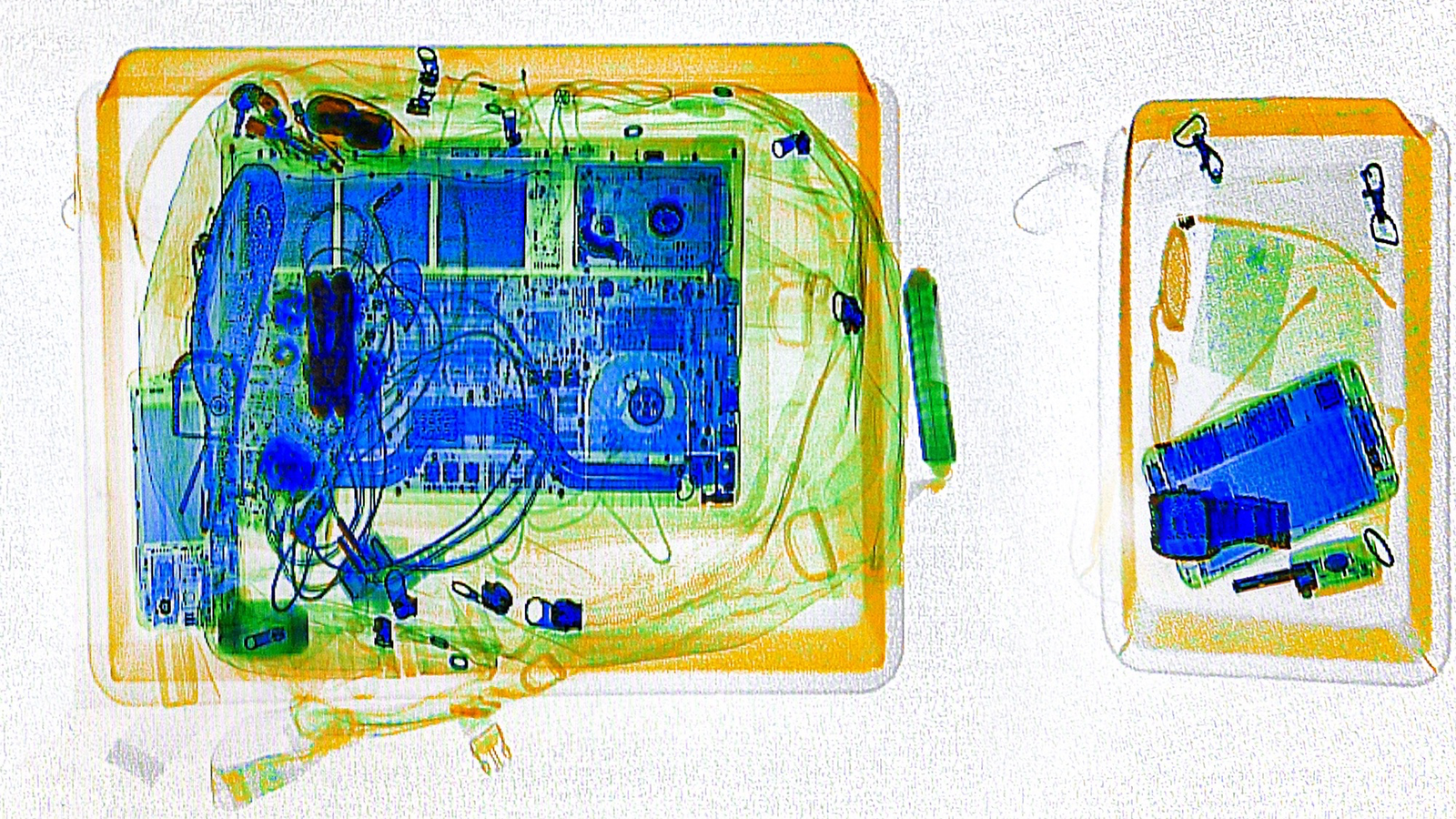
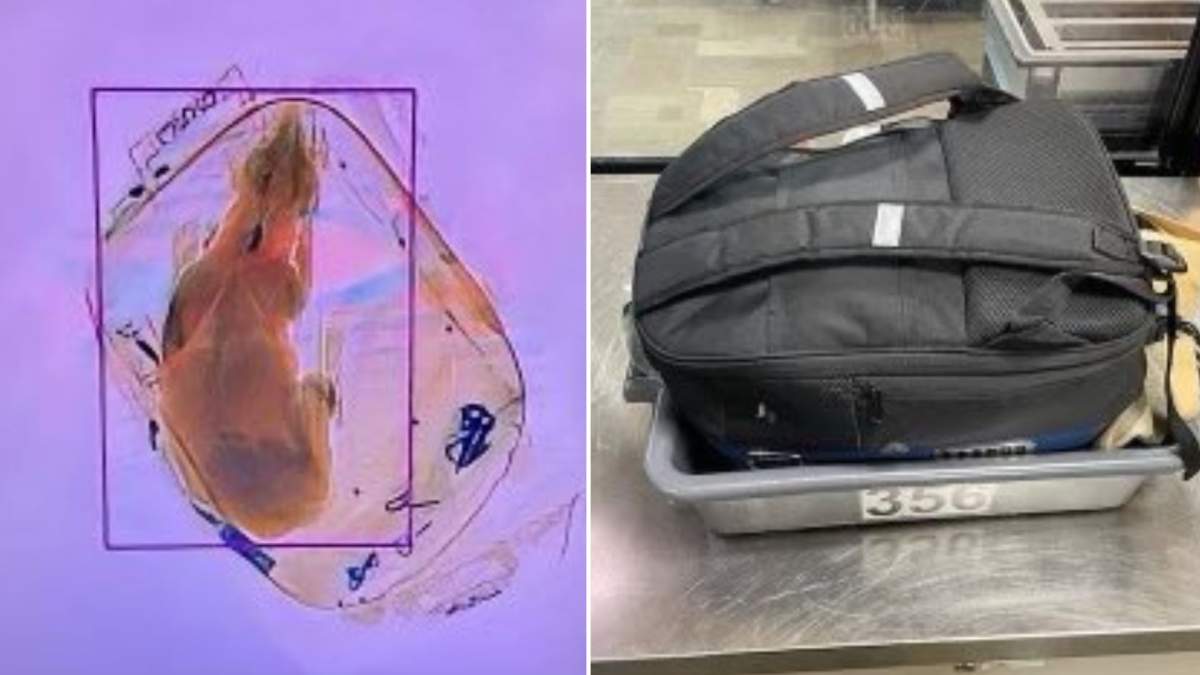
The TSA uses several tools to screen checked luggage. First, bags go through X-ray machines that show the contents inside. Officers look for suspicious shapes or items that do not belong.
If needed, TSA agents may open bags for a manual inspection. They check for weapons, explosives, or other banned objects. Sometimes, they use explosive trace detection devices to find hidden substances.
After screening, the TSA reseals bags with special tape or locks. This shows that the luggage was inspected but remains secure.
Reasons For Luggage Checks
The TSA checks luggage to keep flights safe and secure. Some reasons for inspections include:
- Detecting weapons or sharp objects
- Finding explosives or flammable materials
- Preventing illegal items like drugs or contraband
- Ensuring compliance with airline and government rules
Random checks also happen to maintain a high level of security. These steps protect passengers and ensure a safe journey for everyone on board.
How Tsa Searches Checked Bags
Understanding how TSA searches your checked bags can ease travel anxieties and help you prepare better. The process involves several security layers designed to keep everyone safe while minimizing inconvenience. Let’s break down the main techniques TSA uses to inspect checked luggage so you know what to expect.
X-ray Scanning Techniques
TSA uses advanced X-ray machines to scan your checked bags quickly and efficiently. These machines create detailed images of the contents, allowing agents to spot prohibited items without opening your luggage.
The technology highlights different materials like metals, liquids, and organic substances by showing them in varying colors. This helps agents identify anything suspicious or out of place fast.
Have you ever wondered how TSA spots dangerous items hidden among clothes? The X-ray’s ability to reveal shapes and densities plays a key role in that.
Physical Inspections
If the X-ray scan raises questions, TSA agents may conduct a physical inspection of your bag. They open your luggage carefully and check items by hand to confirm whether anything is problematic.
This step is typically done in your presence or noted by TSA if you are not there. You might find your bag resealed with a TSA-approved lock or tape after inspection.
Preparing your bag in an organized way can make this inspection smoother and quicker. Think about packing items so they’re easy to look through if needed.
Use Of Canine Units
Sometimes, specially trained dogs assist TSA by sniffing checked bags for explosives or drugs. These canine units can detect scents that machines might miss.
The dogs work alongside human agents, adding an extra layer of security. Their presence might surprise you, but they are highly effective and non-intrusive.
Have you ever seen a TSA dog at the airport? Their role might be quieter than machines, but they’re just as important in keeping travel safe.
When And Why Luggage Gets Searched
Checked luggage may be searched by TSA for several reasons. The goal is to keep all travelers safe. The process is random but also based on specific triggers. Understanding why your bag might be opened helps reduce worry.
Security officers use technology and rules to decide which bags to inspect. Sometimes the search is routine. Other times, it is due to unusual findings or traveler information. Each search aims to spot threats or banned items.
Random Checks
Many luggage searches happen at random. TSA uses random checks to keep security unpredictable. This approach helps catch risks that might be missed by routine screening. Random checks apply to all passengers and bags.
These checks do not require any suspicion. They add an extra layer of security. Travelers should expect their bags may be opened without warning. The process is fast and respects privacy.
Suspicious Item Detection
X-ray machines scan all checked bags. If an item looks strange or dangerous, TSA may open the bag. Suspicious items include liquids, powders, or electronics that trigger alarms. Officers inspect these items carefully.
Items that are banned or restricted cause further inspection. This helps prevent dangerous materials from boarding planes. TSA follows strict guidelines to decide when to search. Passengers might be asked questions about their luggage contents.
Passenger Profiles
Some searches focus on passenger profiles. TSA uses data to identify higher-risk travelers. This can include past travel history or other security information. Such profiling aims to enhance safety without targeting unfairly.
Passengers flagged by this system may have their luggage searched more often. This process is confidential and done with respect. It helps to detect threats before boarding. Profile-based searches work alongside random checks and item detection.

What Happens During A Tsa Search
During a TSA search of checked luggage, agents follow a clear process to ensure safety. This process involves carefully checking the contents without damaging the items. The goal is to find any prohibited or dangerous materials quickly and efficiently.
The TSA search is thorough but respectful. Agents aim to keep your belongings intact and secure. Understanding what happens during the search can ease traveler concerns.
Opening And Inspecting Bags
TSA agents open your checked bag carefully. They look inside for any suspicious or banned items. The inspection includes checking all compartments and pockets. Agents may use gloves to protect your belongings.
They handle the bag gently to avoid damage. If the bag is locked, agents use special tools to open it. After inspection, they close and secure the bag properly.
Handling Of Personal Items
Personal items inside the bag receive special care. TSA agents avoid disturbing fragile or valuable objects. They place items back neatly after inspection.
If something is out of place, agents try to keep it organized. They respect privacy by not going through personal documents unless necessary.
Notification To Travelers
After the search, TSA leaves a notice inside the bag. This notice explains why the bag was opened. It also provides contact information for questions.
Travelers are encouraged to check their bags promptly after arrival. If any item is missing or damaged, they can report it quickly.
Tips To Prepare Checked Luggage
Preparing your checked luggage properly can make your airport experience smoother. It helps protect your belongings and speeds up security checks. Follow these tips to pack and secure your bags with care and confidence.
Packing Smartly
Place heavy items at the bottom of your suitcase. Use soft clothes to cushion fragile items. Roll clothes to save space and reduce wrinkles. Keep liquids in clear, sealed bags to avoid leaks. Avoid packing prohibited items that TSA does not allow.
Labeling Your Bags
Attach a clear, visible tag with your name and contact details. Use a durable tag that won’t easily fall off. Add a unique ribbon or sticker to spot your bag quickly. Double-check your information before every trip to ensure it is up to date.
Using Tsa-approved Locks
Choose locks approved by the TSA to secure your luggage. These locks allow TSA agents to open bags without damage. Avoid using regular locks that TSA might cut off. Keep a record of your lock’s combination or key in a safe place.
Traveler Rights And Tsa Procedures
Understanding your rights as a traveler during TSA luggage searches can make a big difference in how you handle the situation. While TSA agents have procedures to follow, you also have protections designed to respect your privacy and ensure fairness. Knowing these rights helps you stay calm and confident if your checked luggage is searched.
Privacy Considerations
Your checked luggage may be opened and inspected by TSA officers, but there are clear rules about how this is done. Agents typically look for prohibited items and may use technology like X-rays or physical searches. You have the right to know why your bag was selected and to have your belongings treated respectfully.
Keep in mind that TSA officers are not allowed to open locked bags without your consent unless they have a master key or you refuse to open it yourself. You can use TSA-approved locks that agents can open without damaging. This helps protect your privacy while allowing necessary security checks.
Filing Complaints
If you believe your luggage was mishandled or your rights were ignored during a search, you can file a complaint with the TSA. Providing details like the time, place, and names of agents involved strengthens your case. The TSA takes complaints seriously and reviews them to improve their procedures.
Documenting what happened right after your experience helps. Write down any damages or missing items and keep receipts or photos if possible. This evidence supports your claim and increases the chances of a fair resolution.
Requesting A Witness
You have the right to request a witness during the inspection of your checked luggage. This can be another TSA agent or a member of the public. Having a witness present can help ensure the process is transparent and that your belongings are handled properly.
Asking for a witness also protects you from misunderstandings or false claims. Don’t hesitate to speak up if you feel uncomfortable or want extra assurance. It’s your right to have someone observe the search, providing peace of mind for both you and the TSA officers.
Impact Of Tsa Searches On Travel Experience
The impact of TSA searches on your travel experience can be significant. These searches can affect your schedule, the condition of your luggage, and even your sense of security while traveling. Understanding these effects helps you prepare better and avoid unexpected hassles at the airport.
Delays And Time Management
TSA searches can cause unexpected delays, especially during busy travel periods. You might find yourself waiting longer at baggage claim or facing extra time at security checkpoints. Planning ahead by arriving early can reduce stress, but you should always factor in possible TSA inspections when managing your travel time.
Have you ever missed a connecting flight because your checked bag was held for additional screening? That extra wait can throw off your entire itinerary. Keeping a close eye on your boarding times and having a backup plan is crucial.
Preventing Damage To Luggage
TSA agents open checked bags to inspect suspicious items, which can sometimes lead to damage. Zippers may break, locks might be cut, or contents could get shifted around. Using TSA-approved locks and packing fragile items carefully can protect your belongings.
Consider packing a change of clothes and essentials in your carry-on, just in case your checked bag is delayed or damaged. This small step can save you discomfort and inconvenience.
Security Benefits
TSA searches enhance safety by detecting prohibited items that could pose risks on flights. These inspections help prevent dangerous objects from getting on board, giving you peace of mind during your journey. Knowing that your luggage is thoroughly checked can make you feel more secure, even if the process takes extra time.
Have you thought about how TSA inspections contribute to overall airline safety? While it may feel intrusive, these measures protect every passenger on the plane. Staying patient and cooperative during searches supports a safer travel environment for everyone.
Frequently Asked Questions
Does Tsa Always Search Checked Luggage?
No, TSA does not always search checked luggage. They only inspect bags when necessary for security reasons or if a threat is detected.
How Does Tsa Check My Checked Luggage?
TSA uses X-ray machines and sometimes opens bags for manual inspection. They look for prohibited items or security threats.
Can Tsa Open Locked Checked Luggage?
Yes, TSA can open locked checked luggage using special master keys. Locks approved by TSA allow them access without damage.
Will Tsa Notify If My Luggage Is Searched?
TSA leaves a notification slip inside your luggage if it has been opened or searched during screening.
Conclusion
TSA often inspects checked luggage for security reasons. They open bags carefully and reseal them after checking. Passengers should pack wisely to avoid damage or delays. Knowing TSA procedures helps travelers stay calm and prepared. Always follow airline and TSA rules for smooth travel.
This simple step keeps flights safe for everyone. Understanding these checks makes airport trips less stressful. Stay informed to travel with confidence every time.