

Are you preparing for your next adventure and wondering how big a carry-on suitcase should be? You're not alone.
Many travelers find themselves puzzled by the varying sizes, airline regulations, and the need to maximize space without sacrificing convenience. Understanding the dimensions of carry-on luggage can save you from unexpected surprises at the airport and make your travel experience smoother.
Imagine breezing through check-in without a hitch, knowing your suitcase fits perfectly in the overhead compartment. This guide will unravel the mystery of carry-on sizes, helping you pack smarter and travel with confidence. Ready to discover the perfect travel companion for your adventures? Let's get started!
Carry-on Size Basics
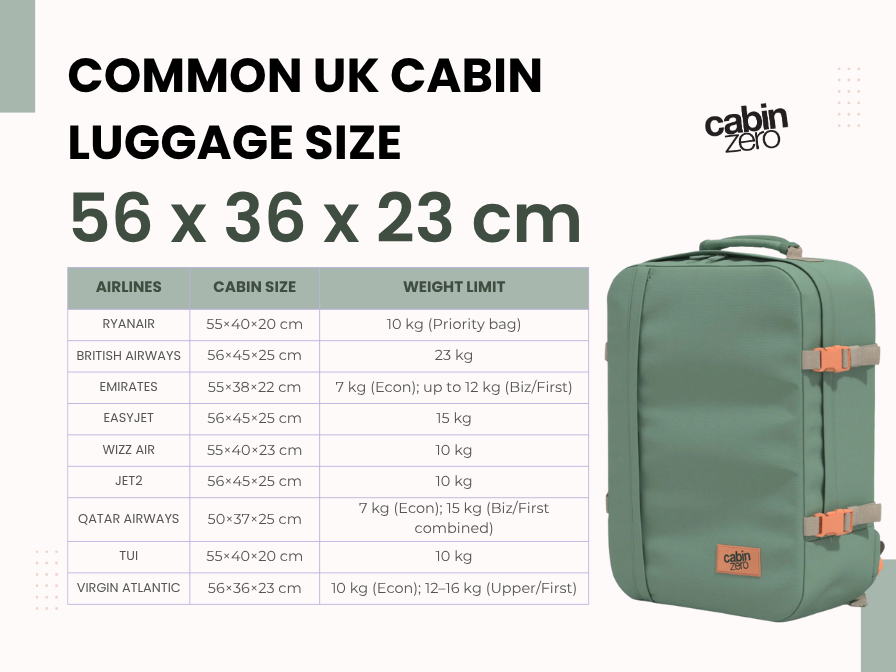
Carry-on suitcases must fit in overhead bins or under the seat. Knowing their size limits helps you pack smart and avoid extra fees. Airlines set rules to keep cabins safe and organized. Sizes and weights vary by airline but follow general guidelines.
Standard Dimensions
Most carry-on suitcases measure about 22 inches tall, 14 inches wide, and 9 inches deep. This size fits well in airplane overhead compartments. The total size usually adds up to 45 linear inches (length + width + height). Smaller bags may fit under the seat in front of you.
Airline Size Variations
Each airline has its own carry-on size rules. Some allow slightly bigger bags, while others are stricter. Low-cost airlines often have smaller limits. International flights may differ from domestic ones. Always check your airline’s website before packing.
Weight Limits
Carry-on weight limits vary between 15 and 22 pounds on many airlines. Some airlines do not enforce weight strictly but watch for heavy bags. Overweight carry-ons may need to be checked, costing extra fees. Packing light helps avoid stress at the gate.
Measuring Your Suitcase
Measuring your carry-on suitcase accurately is essential to avoid surprises at the airport. Different airlines have varying size limits, and even a small miscalculation can lead to extra fees or forced check-ins. Taking the time to measure your suitcase correctly ensures your trip starts smoothly and stress-free.
Height, Width, And Depth
Start by measuring the height of your suitcase from the bottom to the top, including any raised edges but excluding wheels and handles for now. Next, measure the width across the suitcase’s widest point. Finally, measure the depth from front to back, making sure to include any pockets or bulges that stick out.
Keep your tape measure straight and tight for the most accurate results. Have you ever tried stuffing your bag only to realize it’s slightly too thick? Knowing these dimensions upfront can save you from that exact hassle.
Including Wheels And Handles
Don’t forget to add the wheels and handles when you check the total size allowed by airlines. Some carriers measure the suitcase including wheels and handles, while others don’t. If your suitcase has retractable handles, measure it both extended and retracted to understand your options.
This step is often overlooked, but it can make a huge difference. A suitcase may seem compact until you factor in the wheels, which can add several inches. Have you ever been surprised by the size of your bag after including these parts?
Tools For Accurate Measurement
A flexible tape measure is your best friend for measuring suitcases. If you don’t have one, a ruler or yardstick can work, but they may not wrap around curves easily. Using a flat surface to place your suitcase on while measuring helps keep the numbers precise.
Consider using a luggage scale with a measuring function if you travel often. It can save time and give you confidence that your bag fits the rules. What’s your go-to tool for making sure your suitcase size is spot on?
Popular Carry-on Sizes
Choosing the right carry-on size can make a huge difference in your travel experience. Popular carry-on sizes vary mainly by their height, width, and depth, which affects how much you can pack and whether the bag fits airline requirements. Understanding these sizes helps you pick a suitcase that suits your trip length and packing style.
Small Carry-ons
Small carry-ons usually measure around 18 to 20 inches in height. They are perfect if you travel light or want to avoid checking bags entirely. I once flew across Europe with a small carry-on and found it easy to navigate crowded airports and store the bag overhead without hassle.
These bags fit in most overhead compartments but offer limited space. You'll want to pack smartly, focusing on essentials and versatile clothing. Small carry-ons are great for weekend trips or business travel.
Medium Carry-ons
Medium carry-ons typically range from 21 to 22 inches tall. They strike a balance between capacity and convenience, giving you more room without being bulky. If you pack for a trip lasting a week or so, a medium carry-on might be your best option.
Keep in mind that some airlines have strict size limits, so always check before you buy. Medium carry-ons often come with extra compartments and features, which can help you stay organized during your journey.
Large Carry-ons
Large carry-ons are usually around 23 inches tall, hitting the upper limit of what many airlines allow in the cabin. They’re suitable if you want to pack for longer trips without checking a bag. I once managed a two-week trip with just a large carry-on, and it saved me time waiting at baggage claim.
These suitcases offer maximum space but can be harder to handle in tight overhead bins or crowded aisles. Make sure you’re comfortable lifting and maneuvering a heavier bag if you choose a large carry-on.
Airline Carry-on Policies
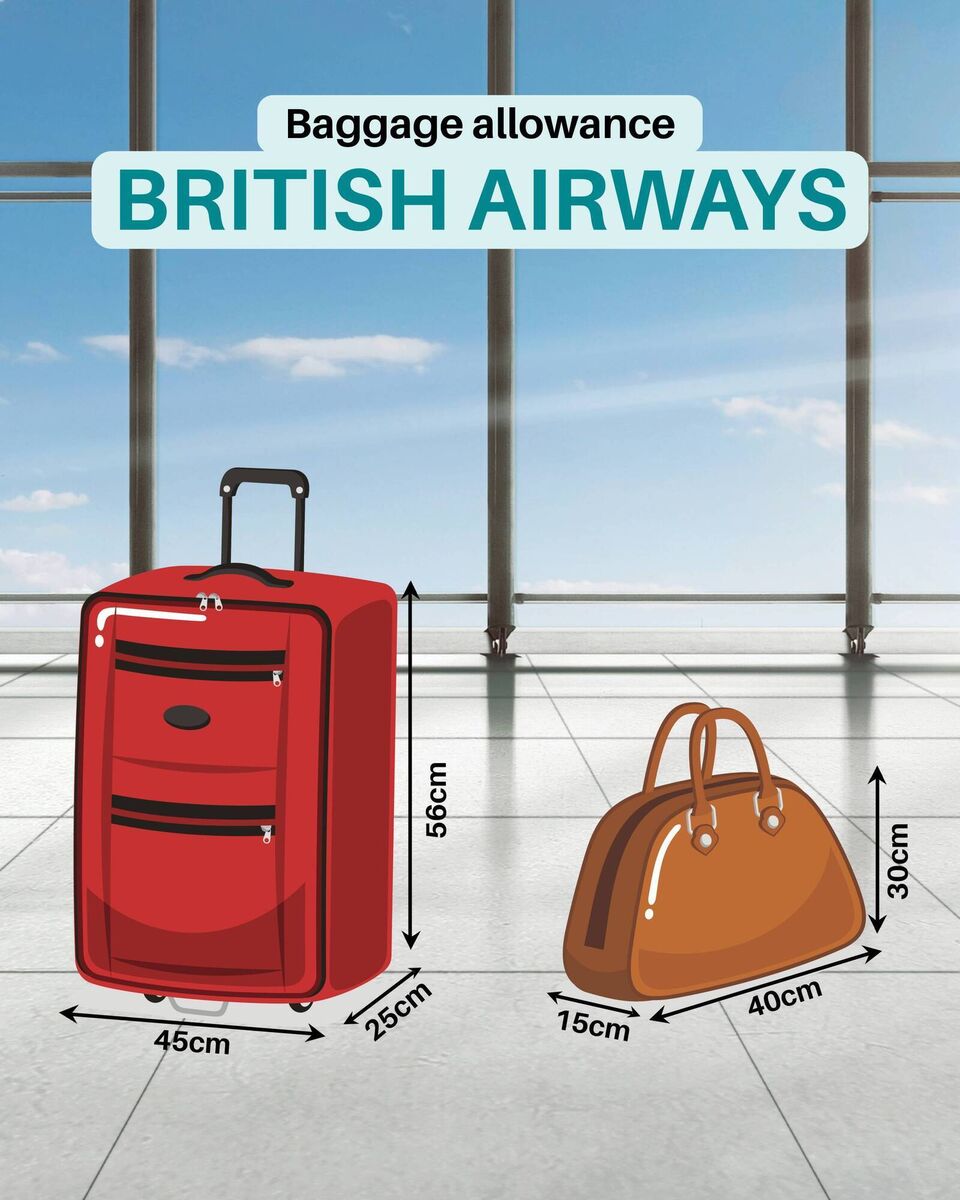
Airline carry-on policies set the rules for suitcase sizes allowed in the cabin. These rules vary widely between airlines and regions. Knowing these policies helps travelers avoid extra fees and delays. Each airline has its own limits on suitcase dimensions and weight. Suitcase sizes that work for one airline might not fit another. It is important to check the specific airline’s rules before packing.
Domestic Airlines
Domestic airlines usually allow carry-ons up to 22 x 14 x 9 inches. This size includes handles and wheels. Weight limits are often between 15 to 22 pounds. Some airlines are strict and measure bags at the gate. Others may be more flexible but still enforce size rules. Most domestic flights allow one carry-on and one personal item.
International Airlines
International airlines often have similar size limits to domestic ones. However, the weight limit is usually lower, around 15 to 18 pounds. Some airlines allow slightly larger suitcases but charge extra fees. Rules depend on the route and airline policy. Checking the airline website before travel is essential for updates.
Budget Carriers
Budget carriers have the strictest carry-on policies. They often limit size to smaller dimensions, such as 21 x 15 x 7 inches. Weight limits can be as low as 10 pounds. Many budget airlines charge extra for carry-on bags that exceed limits. Some only allow small personal items for free. Travelers should pack light and measure their bags carefully.
Choosing The Right Size
Choosing the right size for a carry on suitcase is crucial. The size impacts your comfort and packing ability. A suitcase too big can cause hassle during travel. Too small, and you might leave important items behind. Consider factors that affect your needs before deciding.
Trip Duration
Short trips need smaller suitcases. A 1-3 day trip fits well in a compact carry on. Longer trips require more space for clothes and essentials. For trips over a week, choose larger carry ons or check bags.
Packing Style
Minimalist packers prefer smaller suitcases. They pack only essentials and save space. Those who like to bring extra clothes need bigger bags. Consider if you like rolling or folding clothes. Packing cubes can also help organize space efficiently.
Personal Preferences
Some travelers prioritize lightness and ease of carrying. Others want more compartments and pockets. Think about handling and suitcase weight. Choose a size that feels comfortable and matches your travel habits. Your personal style shapes the best carry on size for you.
Maximizing Carry-on Space
Maximizing carry-on space requires smart planning and efficient use of every inch. A well-packed carry-on saves time and reduces stress at the airport. Small changes in how you pack can make a big difference in what fits inside. Focus on organization and careful selection of items to travel light and easy.
Packing Tips
- Roll clothes instead of folding to save space.
- Wear your heaviest shoes and jacket on the plane.
- Use packing cubes to separate and compress items.
- Choose versatile clothing that mixes and matches well.
- Limit toiletries to travel-size containers.
Organizers And Accessories
- Packing cubes keep clothes neat and compact.
- Compression bags reduce bulk for soft items.
- Shoe bags protect clothes and keep shoes separated.
- Small pouches help organize chargers and cords.
- Use clear bags for easy security checks.
Avoiding Overpacking
- Stick to a packing list to avoid extras.
- Ask if each item is necessary for your trip.
- Limit gadgets and accessories to essentials only.
- Plan to wash clothes if traveling long.
- Remember: less weight means more comfort.
Common Carry-on Mistakes
Many travelers make simple mistakes with carry-on suitcases. These errors can cause stress at the airport or even extra fees. Knowing common carry-on mistakes helps avoid problems and saves time. Here are some typical errors to watch out for.
Oversized Luggage
Choosing a carry-on that is too big is a common mistake. Airlines have strict size limits for carry-on bags. Oversized luggage often gets rejected at the gate. This means you may have to check your bag last minute. Always check the exact dimensions allowed by the airline before packing.
Ignoring Airline Rules
Each airline has its own rules about carry-ons. Some allow only one bag, while others allow a personal item too. Weight limits and size restrictions also vary. Ignoring these rules can lead to extra charges or delays. Read airline policies carefully to avoid surprises.
Weight Surprises
Many travelers forget to weigh their carry-on bags before the trip. Overweight carry-ons can cause problems at boarding. Airlines often charge fees if the bag is too heavy. Use a luggage scale to check weight before leaving home. This simple step prevents last-minute hassles.

Frequently Asked Questions
What Are The Standard Carry-on Suitcase Dimensions?
Standard carry-on suitcases typically measure 22 x 14 x 9 inches. Airlines set these limits to fit overhead compartments. Sizes can slightly vary by airline, so always check before flying. This size balances compactness and enough space for essentials.
How Much Can A Carry-on Suitcase Hold?
Carry-on suitcases usually hold around 30 to 40 liters. This volume fits clothing and small items for short trips. Efficient packing maximizes space within airline size restrictions. Lightweight materials help keep the suitcase manageable.
Can Carry-on Sizes Differ By Airline?
Yes, carry-on size limits vary by airline and region. Some allow slightly larger or smaller dimensions. Always verify your airline's specific carry-on rules. This prevents surprises or extra fees at the airport.
Are Carry-on Suitcases Allowed On All Flights?
Most airlines permit carry-on suitcases meeting their size limits. Budget and regional airlines may have stricter rules. International flights often have standard carry-on policies. Check your airline’s website to confirm before traveling.
Conclusion
Carry on suitcases usually fit airline rules for size and weight. Most measure about 22 inches tall, 14 inches wide, and 9 inches deep. Choosing the right size helps avoid extra fees and delays. Packing smart saves space and keeps essentials handy.
Always check your airline’s rules before packing. Small differences in size can matter a lot. Travel light, travel easy.