

Planning your next trip and wondering about your luggage? You're not alone.
If Allegiant Air is your chosen airline, you'll want to get it right when it comes to your checked bag size. Overpacking might lead to extra fees, and nobody wants that surprise at the airport. How big can your checked bag be on Allegiant?
Understanding these limits can save you time, money, and stress. By the end of this article, you’ll have a clear idea of what to expect, ensuring a smooth check-in and boarding process. Ready to get your travel plans on the right track? Let’s dive in and make your packing hassle-free.

Allegiant Checked Bag Size Limits
Understanding Allegiant's checked bag size limits can save you from unexpected fees and travel hassles. Knowing exactly how big your bag can be ensures smoother airport experiences and helps you pack smarter. Let's break down what Allegiant allows so you can travel with confidence.
Maximum Dimensions Allowed
Allegiant sets a clear size limit for checked bags: your luggage's total dimensions (length + width + height) must not exceed 62 inches (157 cm). This means your suitcase should comfortably fit within this combined measurement to avoid extra charges.
Think about your usual suitcase—does it seem bulky? Measuring it before your trip can prevent surprises at check-in. A bag that's just a few inches over can lead to overweight or oversize fees, so double-check those numbers.
Weight Restrictions
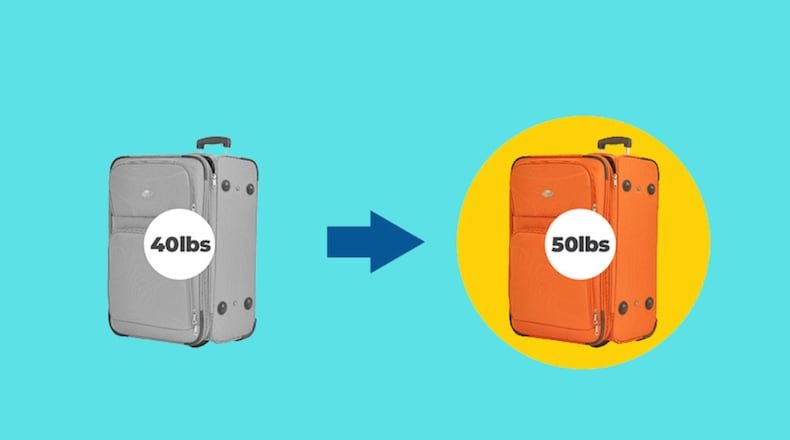
Besides size, weight is a crucial factor. Allegiant typically allows checked bags to weigh up to 40 pounds (18 kg)without additional fees, but this can vary depending on your fare or route.
If your bag exceeds this limit, expect to pay an overweight fee. Have you ever struggled with packing light? Consider weighing your bag at home or the airport before checking in to avoid last-minute repacking.
Measurement Tips
Measuring your bag accurately can be tricky. Use a tape measure to get the length, width, and height, including wheels and handles—don’t leave any part out.
Lay the bag flat, then measure each side. Add those three numbers to confirm you’re under the 62-inch limit. If your bag is close to the edge, try rearranging items to reduce bulges.
Have you tried using a luggage scale? It’s a handy tool that can give you peace of mind before heading to the airport.

Fees For Oversized Bags
Baggage size rules on Allegiant Airlines are strict. Bags over the allowed size face extra fees. These charges can add up fast. Knowing the fees helps travelers avoid surprises at the airport. Understanding these costs saves money and stress.
Standard Fees
Allegiant allows checked bags up to 62 linear inches. Bags within this size usually have a set fee. The price depends on the route and when you pay. Paying online is cheaper than at the airport. Standard fees often range from $30 to $40 per bag.
Charges For Oversized Items
Bags exceeding 62 linear inches face oversized fees. These fees are higher than standard checked bag prices. Oversized bags cost about $75 or more each. This includes items like large suitcases or sports equipment. Weighing over 50 pounds may add another fee. Fees vary, so check Allegiant’s latest policies before travel.
How To Avoid Extra Costs
- Measure your bag before packing.
- Keep checked bags under 62 linear inches.
- Pay for baggage online in advance.
- Use soft-sided bags that can compress.
- Pack lighter to avoid overweight fees.
Following these tips helps avoid costly fees. Plan your baggage carefully. Save money and travel with ease.
Packing Strategies For Size Compliance
Packing a checked bag for Allegiant Airlines requires attention to size limits. Sticking to these limits helps avoid extra fees and hassle at the airport. Smart packing strategies can keep your luggage within the allowed dimensions. Focus on choosing the right bag, packing efficiently, and using space-saving tools.
Choosing The Right Luggage
Select luggage that fits within Allegiant’s size rules. Look for bags labeled with dimensions under 62 linear inches (length + width + height). Hard-shell suitcases protect your items but can be less flexible. Soft-sided bags allow slight compression and can fit better in tight spaces. Consider lightweight bags to avoid excess weight combined with size restrictions.
Efficient Packing Techniques
Organize your items to use every inch of space inside your bag. Roll clothes instead of folding to reduce wrinkles and save space. Place heavier items at the bottom to balance the bag and protect fragile things. Use shoes and small pockets to store socks or chargers. Keep bulky items toward the center to maintain shape and size limits.
Using Compression Bags
Compression bags squeeze air out of clothes to reduce volume. They can shrink bulky sweaters and jackets to fit better. These bags also protect clothes from spills and dirt inside your suitcase. Use vacuum-seal bags for the best compression but remember the bag itself adds some thickness. Check the final size of your bag after compression to stay within Allegiant’s rules.
Comparing Allegiant’s Limits With Other Airlines
Understanding baggage rules helps avoid surprises at the airport. Airlines set different size and weight limits for checked bags. Comparing Allegiant's rules with other airlines shows key differences. These differences affect packing and travel costs. Knowing the facts helps travelers plan better.
Size And Weight Differences
Allegiant allows checked bags up to 62 inches in total dimensions. This means length + width + height must not pass 62 inches. Most airlines follow this standard size limit. Some airlines allow slightly larger bags up to 63 inches.
Weight limits vary more. Allegiant sets a max weight of 50 pounds per checked bag. Many airlines also use 50 pounds as the limit. Some major carriers allow up to 70 pounds without extra fees. Overweight bags may cost more on Allegiant.
Fee Structures Comparison
Allegiant charges a flat fee for the first and second checked bags. Fees vary based on when bags are added—online or at the airport. Other airlines often have tiered fees based on bag weight and size. Some airlines charge extra for overweight or oversized bags.
Allegiant’s fees tend to be lower than major carriers for basic checked bags. Budget airlines may have similar or higher fees depending on the route. Paying for bags early usually saves money across all airlines.
Tips For Handling Oversized Bags At The Airport
Handling oversized bags at the airport can feel stressful, but knowing what to expect and how to prepare makes a big difference. Oversized bags often come with extra fees and special procedures, so staying informed helps you avoid surprises. Here are some practical tips to help you navigate check-in, gate procedures, and special item handling smoothly.
Check-in Procedures
When you arrive at the airport, head straight to the Allegiant check-in counter if you have an oversized bag. Standard kiosks usually don’t support checking in large or heavy bags, so this step is important.
Be ready to pay any additional oversize fees. Allegiant typically charges based on size and weight, so knowing your bag’s dimensions can save time. If your bag is close to the size limit, consider redistributing items into smaller bags to avoid extra costs.
Having your bag measured at the counter can feel intimidating, but it’s better to get it sorted early than face delays at the gate.
What To Expect At The Gate
At the gate, oversized bags sometimes need extra handling. Staff may ask you to confirm your bag’s dimensions or weight again before loading it onto the plane.
Prepare for your bag to be tagged separately. This can mean it won’t arrive on the regular baggage carousel, so keep an eye on the special baggage claim area after your flight.
Questions to ask yourself: Are you ready to carry your bag a little further? Do you know where to pick it up? Being mentally prepared reduces stress and speeds up your trip.
Dealing With Special Items
Special items like sports equipment, musical instruments, or fragile goods often count as oversized. Allegiant has specific rules for these, so check their policies before you pack.
Use proper packing materials to protect your items. Hard cases and padding can prevent damage and make security checks easier.
If you’re bringing something unusual, call Allegiant’s customer service ahead of time. Clarifying rules and fees can save you from surprises at the airport.
Have you ever had a special item delayed or damaged? Taking extra steps in advance can help you avoid that hassle.

Frequently Asked Questions
What Is The Maximum Size For A Checked Bag On Allegiant?
Allegiant Airlines allows checked bags up to 62 linear inches. This means length + width + height must not exceed 62 inches. Oversized bags may incur extra fees or be rejected at check-in.
How Much Does Allegiant Charge For Checked Baggage?
Checked bag fees vary based on route and booking time. Typically, fees range from $30 to $60 per bag. Paying online in advance is cheaper than at the airport.
Can I Bring Multiple Checked Bags On Allegiant Flights?
Yes, Allegiant permits multiple checked bags if fees are paid. Each bag must meet size and weight limits. Fees increase with each additional bag checked.
What Is The Weight Limit For Checked Bags On Allegiant?
Each checked bag must not exceed 40 pounds. Bags over 40 pounds incur overweight fees. Maximum weight allowed per bag is 100 pounds with extra charges.
Conclusion
Knowing Allegiant's checked bag size limits helps you pack smart. Keep your bag within the allowed dimensions to avoid extra fees. Measure your luggage before you go to stay stress-free at the airport. Stick to the rules to make your travel smooth and easy.
Remember, packing light and right saves time and money. Safe travels start with good preparation.