
Ever wondered how to properly fill a punching bag? You're not alone!
Many fitness enthusiasts and budding boxers face this question. You might think it's just about stuffing it with anything handy, but the right technique can make all the difference. Imagine having a punching bag that feels just like the ones at your gym—solid, balanced, and ready to take on your best punches.
By learning the right way to fill your punching bag, you not only enhance your training experience but also extend the life of your gear. Curious about how to achieve that perfect fill and elevate your workouts? Let's dive into the details and transform your punching bag into the ultimate training tool.
Choosing The Right Punching Bag
Choosing the right punching bag is a crucial step before you even think about filling it. The type and size of the bag directly affect your training experience and how you fill it. Picking poorly can lead to frustration or even injury, so it pays to know what fits your needs and space.
Types Of Punching Bags
There are several types of punching bags, each designed for different training goals. Heavy bags are great for building power and endurance. Speed bags help improve hand-eye coordination and rhythm.
For home use, you might consider a freestanding bag if you lack ceiling space for hanging bags. Some bags come pre-filled, but most require filling with materials like sand, fabric scraps, or sawdust. What type matches your workout style and space?
Selecting The Proper Size
Size matters more than you might think. A bag too heavy or large can be hard to control, while one too small won't give you the impact you need. For beginners, a 70-100 pound bag is often ideal—it offers enough resistance without being overwhelming.
Consider your height and weight too. Taller people benefit from longer bags that allow strikes at different angles. If you’re unsure, imagine the bag as a training partner—would you want it roughly your size or smaller?

Credit: www.amazon.com
Materials For Filling
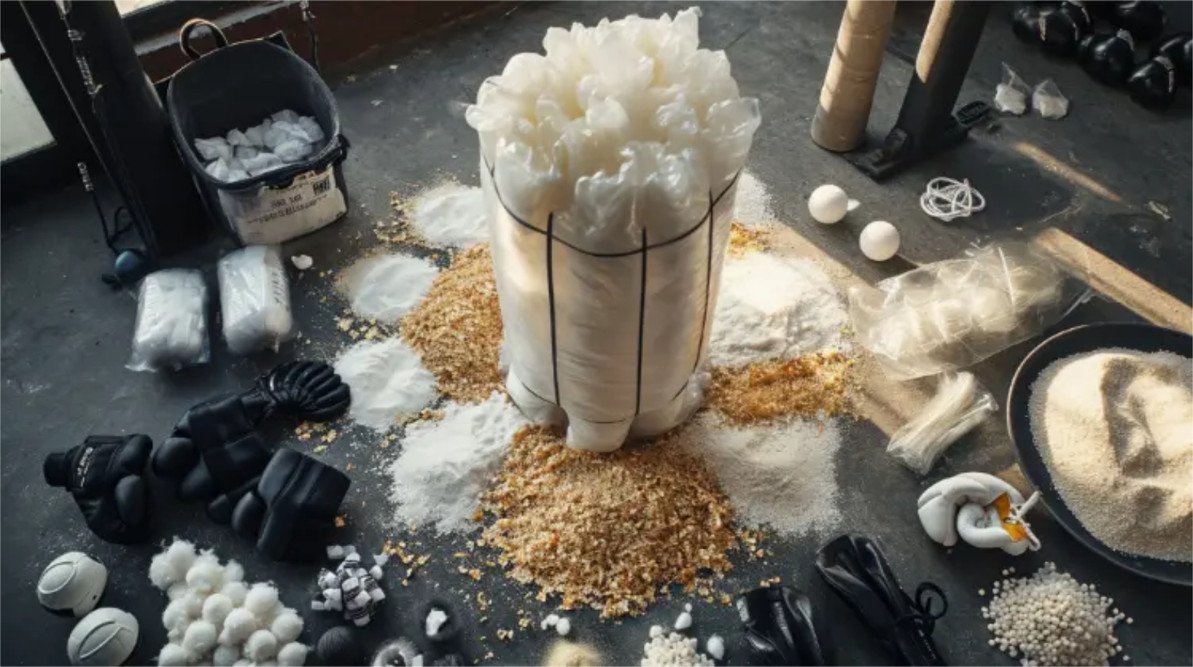
Choosing the right material to fill your punching bag affects its feel and durability. Different materials change the weight, density, and impact of the bag. Some fillings offer a soft cushion, while others provide a harder surface. Understanding these materials helps you pick what suits your training style best.
Common Fill Materials
- Sand:Heavy and dense, adds solid weight.
- Cloth scraps:Soft and flexible, easy to shape.
- Rice or grains:Affordable, molds well inside the bag.
- Foam:Lightweight, provides good shock absorption.
- Water:Adjustable weight and very smooth impact.
Pros And Cons Of Each Material
| Material | Pros | Cons |
|---|---|---|
| Sand | Provides heavy weight, stable base | Can make the bag too hard; may settle unevenly |
| Cloth scraps | Soft, easy to refill and adjust | May compress over time; less weight |
| Rice or grains | Affordable, fills gaps well | Can attract pests; may clump when wet |
| Foam | Lightweight, cushions impact well | Less weight; may break down faster |
| Water | Adjustable weight; smooth surface | Requires a sealed bag; risk of leaks |
Preparing The Bag
Preparing the punching bag is an important step before filling it. It ensures the bag lasts longer and performs well. Taking time to clean and inspect the bag helps avoid problems later. Setting up the filling area correctly makes the process easier and cleaner. These preparations save time and effort during the filling process.
Cleaning And Inspecting
Start by wiping the bag’s surface with a damp cloth. Remove any dust, dirt, or debris. Check the bag for holes or tears that might get worse. Look closely at the seams and straps for weak spots. Repair any damage before filling the bag. This keeps the filling safe and the bag intact.
Setting Up The Filling Area
Choose a clean, flat surface to work on. Lay down a plastic sheet or tarp to catch spills. Gather all filling materials and tools nearby. Have gloves ready to protect your hands. Make sure the area has good lighting and ventilation. Keep a bucket or bag close for easy disposal of waste.

Credit: www.fighterssuperstore.com
Step-by-step Filling Process
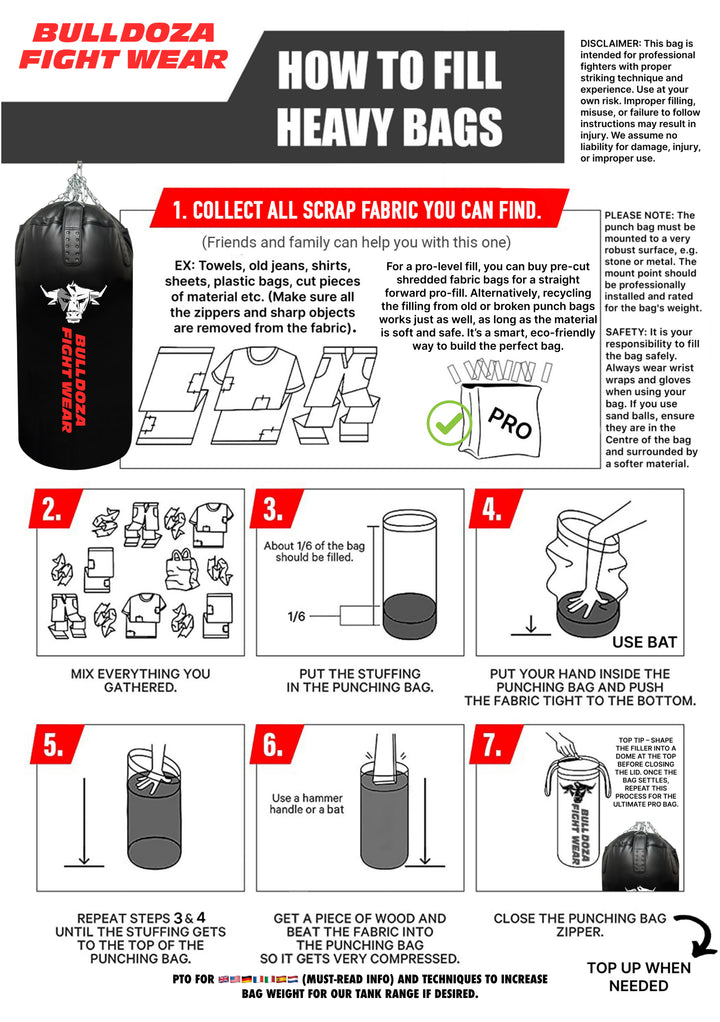
Filling a punching bag properly ensures it lasts longer and feels right during workouts. The process involves choosing the right materials and placing them carefully inside the bag. Follow these steps to fill your punching bag with even weight and good shape.
Filling With Base Material
Start with soft material at the bottom of the bag. Use foam scraps, old clothes, or shredded fabric. These materials create a cushion to absorb impact. Fill the base about one-third of the bag's height. This base supports the rest of the filling and protects the bag's bottom.
Adding Bulk For Weight
Next, add heavier materials to increase the bag’s weight. Sand, sawdust, or small pebbles work well. Put these materials inside sturdy bags or socks before placing them in the punching bag. This keeps the filling from shifting too much. Add bulk gradually until the bag feels firm but not too hard.
Ensuring Even Distribution
Check the bag for lumps or empty spots as you fill. Use your hands to press and move the filling around. Make sure the weight spreads evenly from top to bottom. Tap the bag gently to settle the material inside. Keep adjusting until the bag stays firm and balanced during use.
Achieving The Perfect Weight
Achieving the perfect weight for your punching bag is key to maximizing your training effectiveness. Too light, and the bag won’t provide enough resistance. Too heavy, and it could strain your arms or cause injury. Finding the right balance improves your technique, endurance, and overall workout quality.
Measuring Weight Accurately
Start by knowing the target weight for your punching bag. Most heavy bags weigh between 70 and 100 pounds, but your ideal weight depends on your strength and training goals.
Use a reliable scale to measure the bag as you fill it. If you don’t have a large scale, weigh the filling materials separately before adding them. Keep track of the weight after each addition to avoid going over your target.
Ask yourself: Are you aiming for speed or power? Lighter bags help improve speed, while heavier bags build strength. This will guide how precise your measurements need to be.
Adjusting Fill For Desired Weight
Fill the bag gradually using materials like shredded fabric, sand, or sawdust. Start with a base layer that provides some firmness without making it too heavy. Add small amounts at a time and check the weight frequently.
If you find the bag too soft, add denser material like sand to increase the weight without taking up too much space. If it’s too hard, mix in softer filler like old clothes to reduce impact stress on your hands.
Remember, the feel of the bag matters as much as the weight. Give your bag a few test punches after each fill adjustment. Does it swing too much? Does it absorb your hits well? These clues will help you fine-tune the fill.
Sealing And Securing The Bag
Sealing and securing the punching bag is key to its durability and performance. A well-sealed bag keeps the filling intact during intense training sessions. It also prevents dust or moisture from entering, which can damage the bag over time.
Proper sealing ensures the bag maintains its shape and weight. It also helps avoid any spilling of the filling material. Careful attention during this step extends the life of the punching bag.
Closing The Opening
Start by folding the bag’s opening neatly. Use a strong thread and needle to sew it tightly closed. Double stitching adds extra strength to the seam.
Alternatively, use heavy-duty zip ties or clamps for a quick seal. Make sure the closure is secure and tight. Avoid leaving gaps or loose areas that might open later.
Checking For Leaks Or Weak Spots
Inspect the entire bag surface carefully. Press on different parts to find any soft spots or holes. Look closely around the seam and closure area.
Patch any weak spots with strong fabric or tape. Test the bag by hanging it and pressing gently. Confirm no filling escapes and the bag holds firm.
Maintenance Tips
Maintaining a punching bag ensures it stays in good shape and lasts longer. Regular care helps keep the fill material even and the bag firm. Simple maintenance steps prevent damage and improve your training sessions.
Regular Inspection
Check your punching bag often for signs of wear and tear. Look for holes, tears, or loose stitches on the outer cover. Examine the hanging chains or straps for rust or weakness. Early spotting of problems stops bigger damage later.
Feel the bag surface for lumps or hard spots. These can cause uneven hits and may mean the fill is shifting. Keep the bag dry and clean to prevent mold or unpleasant smells.
Replenishing Fill Material
Fill material inside the bag can settle or compress over time. This makes the bag less firm and affects your punches. Add more fill to maintain the right weight and density.
- Use the same type of fill material for consistency.
- Open the bag’s zipper or plug carefully to add fill.
- Distribute the fill evenly to avoid lumps.
- Do not overfill; keep the bag firm but not too hard.
After refilling, hang the bag and test it with punches. Adjust the fill as needed for comfort and resistance.
Credit: bulldozafightwear.co.uk
Frequently Asked Questions
What Materials Are Best To Fill A Punching Bag?
The best materials to fill a punching bag are sand, fabric scraps, and old clothes. Sand adds weight, while fabric provides cushioning. Combining these materials ensures durability and proper resistance for training.
How Do You Prevent Lumps Inside A Filled Punching Bag?
To prevent lumps, pack the filling tightly and evenly. Layer different materials like fabric and sand carefully. Regularly check and redistribute filling to maintain consistent firmness and avoid uneven spots.
Can I Use Sand Alone To Fill A Punching Bag?
Using sand alone is not recommended. Sand adds weight but lacks cushioning. Mixing sand with fabric or foam provides better shock absorption and protects your hands during workouts.
How Much Filling Does A Standard Punching Bag Need?
A standard punching bag requires about 70 to 100 pounds of filling. This varies with bag size and type. Proper filling weight ensures stability and realistic impact resistance during training.
Conclusion
Filling a punching bag takes some care and patience. Choose the right materials for your bag’s weight and feel. Pack the bag evenly to avoid lumps or empty spots. Tighten the filling as you go to keep it firm. Check the bag regularly and adjust if needed.
A well-filled bag improves your training and lasts longer. Now, you have the basics to fill your punching bag right. Keep practicing and enjoy your workouts with confidence.