

Have you ever wondered how TSA agents manage to inspect your luggage without breaking your locks? It’s a puzzle many travelers like you face every time you pack your bags for a trip.
Understanding how TSA opens luggage locks can ease your mind and ensure your belongings stay secure. Imagine traveling with peace of mind, knowing exactly how your locks are handled. This article will unravel the mystery behind TSA-approved locks, providing you with the insights you need to keep your travels smooth and stress-free.
Stick around to discover the secrets that make your travel experience safer and more convenient.
Tsa Lock Basics
TSA locks are special locks designed for travel security. They allow travelers to secure their luggage while still letting airport security open the locks if needed. This avoids damage to bags during security checks. TSA stands for Transportation Security Administration, the agency in the United States responsible for airport security.
Understanding the basics of TSA locks helps travelers pick the right lock for their needs. These locks come with a unique feature that sets them apart from regular locks.
What Makes Tsa Locks Special
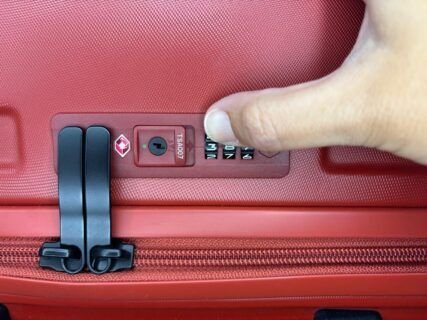
TSA locks have a special keyhole that only TSA agents can open. They use a master key to open these locks without breaking them. This means security can inspect luggage without damaging the lock or the bag.
Normal locks do not have this feature. If TSA agents find a locked bag suspicious, they might cut off normal locks. TSA locks prevent this by allowing safe, authorized access.
Types Of Tsa-approved Locks
- Combination TSA Locks:Open with a set number code. No key needed.
- Keyed TSA Locks:Use a key for the owner and a master key for TSA agents.
- Cable TSA Locks:Flexible cables that secure multiple zippers or handles. Usually combination style.
- Padlock TSA Locks:Small padlocks with TSA approval, available in keyed or combination versions.
Choosing the right type depends on personal preference and travel needs. All TSA-approved locks share the feature of allowing TSA access without damage.
Tsa Access Procedures
The TSA has special procedures for accessing luggage during security checks. These procedures help agents inspect bags without damaging locks. Travelers use TSA-approved locks because they can be opened by TSA agents safely. Understanding how TSA agents open these locks helps travelers feel secure.
How Tsa Agents Open Locks
TSA agents use tools designed to open TSA-approved locks. These locks have a small keyhole for TSA agents only. Agents insert their tool into this keyhole to unlock the luggage. This process avoids breaking the lock or damaging the bag. Agents can then check the luggage contents as needed. After inspection, the lock is closed again for traveler safety.
Master Keys And Their Role
Master keys are special keys used by TSA agents to open locks. Each TSA-approved lock matches a set of master keys. These keys are kept secure and used only by authorized personnel. The master key system allows agents to open many different locks with one key. This system speeds up inspections and reduces luggage damage. Travelers can trust their locks will remain intact after TSA checks.
Security Features Of Tsa Locks
TSA locks are designed to keep your luggage secure while allowing authorized personnel to inspect your belongings without causing damage. Understanding their security features helps you trust these locks during your travels. Let’s look at how TSA locks balance protection and accessibility.
Built-in Mechanisms For Inspection
TSA locks have a special feature—a keyhole that only TSA agents can use with a master key. This lets them open your lock quickly for inspection without breaking it. You don’t need to worry about your luggage being forcibly opened or damaged during security checks.
These locks also use a combination system that you set yourself, so only you and TSA agents have access. The master key mechanism is discreet, so it doesn’t affect your daily use but adds a layer of convenience when traveling through airports.
Resistance To Tampering
While TSA locks allow inspections, they are still built to resist tampering by anyone without the master key. The lock’s body is made from durable materials like hardened steel or zinc alloy, making it tough to cut or pry open.
Some TSA locks also have anti-shim designs, which prevent tools from slipping into the locking mechanism. This means your luggage stays safe from common break-in attempts during your trip.
Have you ever worried about your luggage being opened without your permission? TSA locks offer a practical solution by combining security with easy access for airport staff.
Benefits Of Using Tsa Locks
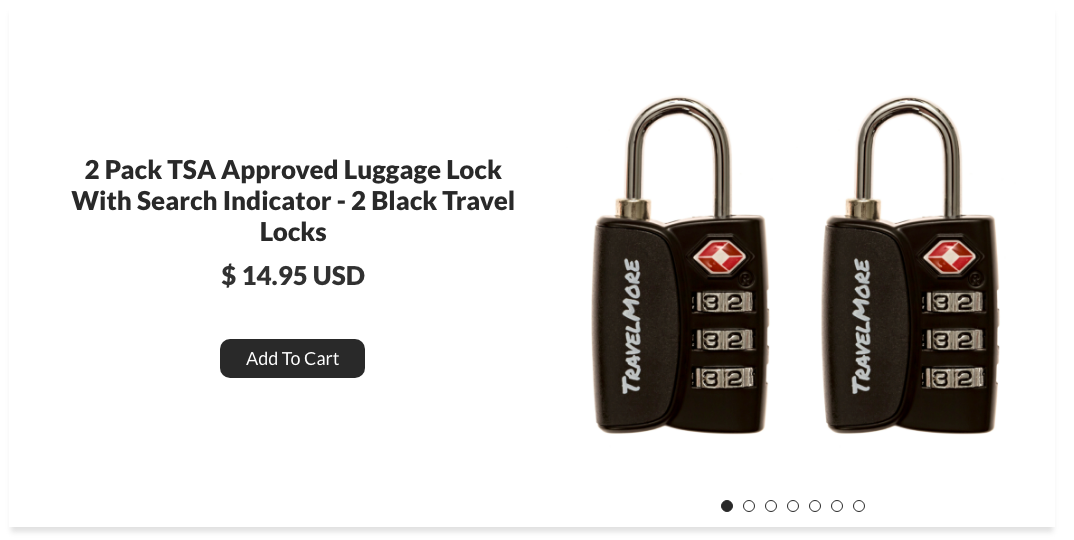
TSA locks offer several important benefits for travelers. They provide a balance between security and convenience. These locks let airport security inspect luggage without breaking the lock. This saves time and prevents damage to your belongings. Using TSA-approved locks reduces travel stress and protects your items effectively.
Protecting Your Belongings
TSA locks keep your luggage safe from theft. Only TSA agents have the special key to open these locks. This means unauthorized people cannot open your bag easily. Your valuables stay secure during the whole trip. TSA locks also discourage tampering and theft at airports.
Avoiding Damage During Inspections
Security agents often need to check bags for safety. Without TSA locks, they might cut or break your lock. This can damage your luggage and cause inconvenience. TSA locks allow agents to open and re-lock your bag smoothly. This prevents damage and keeps your lock reusable for future trips.
Risks And Limitations
Using TSA-approved locks on your luggage offers convenience but comes with certain risks and limitations you should be aware of. While these locks allow TSA agents to open and inspect your bags without damaging the lock, they are not foolproof. Understanding these vulnerabilities helps you make smarter choices about how you protect your belongings during travel.
Potential Vulnerabilities
TSA locks are designed with a master key system that anyone with the right key can open. This means that if the master key falls into the wrong hands, your luggage security is compromised.
Additionally, these locks are generally less complex than high-security locks. A simple lock-picking tool or even some force can sometimes bypass them.
Have you ever wondered how secure your lock really is against theft? TSA locks offer convenience but not complete protection against determined thieves.
What Happens If Locks Are Broken
If TSA agents need to inspect your luggage and cannot open the lock, they may have to break it. This usually means your lock will be damaged or destroyed.
Broken locks can leave your luggage vulnerable until you replace them, and sometimes agents do not always leave a notice explaining why the lock was broken.
To avoid surprises, consider using locks that are easy to replace or choose luggage with integrated TSA-approved locking systems. How would you feel if your lock was broken without any explanation?
Choosing The Right Tsa Lock
Choosing the right TSA lock is more than just picking a device to secure your luggage. It’s about ensuring your belongings stay safe while allowing smooth passage through airport security. The right lock balances security, convenience, and durability, making your travel experience less stressful.
Factors To Consider
Think about how often you travel and the type of luggage you use. A lock that fits your suitcase size and style will be easier to manage. Also, consider the lock’s reset options—do you want a combination or key lock?
Durability matters. A sturdy lock resists tampering and harsh handling. Look for materials like hardened steel or zinc alloy for longer life.
Don’t forget about TSA approval. Only TSA-approved locks can be opened by security agents without damage. This saves you from broken zippers or cut locks.
Ask yourself: Would you prefer a built-in lock or an external one? Built-in locks offer seamless design but might be less flexible if you switch bags.
Top Brands And Models
| Brand | Model | Key Features | Best For |
|---|---|---|---|
| TSA Accepted | Master Lock 4688D | Resettable combination, durable zinc body, weather-resistant | Frequent travelers needing reliable security |
| Travel Sentry | Samsonite TSA Lock | Integrated lock, easy set combination, lightweight | Business travelers who prefer built-in locks |
| Forge | Forge TSA Approved Luggage Lock | Compact design, metal shackle, resettable combination | Casual travelers wanting affordability and security |
Choosing a well-known brand can give you peace of mind. These brands have tested their products with airport security standards in mind. Have you ever had a lock fail mid-trip? Picking the right model can help you avoid that frustration.
Tips For Travelers
Traveling can get stressful, especially when it comes to keeping your luggage safe and secure. Using TSA-approved locks is a smart way to protect your belongings while ensuring security checks go smoothly. But do you know how to use these locks effectively or what other options you might have if TSA locks aren’t your style?
Using Tsa Locks Effectively
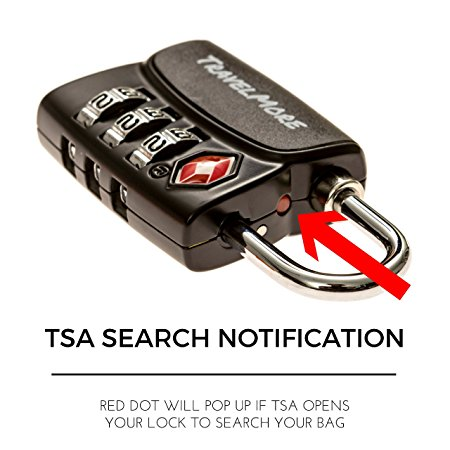
Choose a lock that clearly shows the TSA logo. This helps TSA agents identify locks they can open without damaging them.
Set a unique but memorable combination. Avoid obvious codes like 000 or 123. You want your lock to be secure but easy for you to open.
Keep your combination written down in a safe place or use a password manager. Forgetting the code can cause delays and frustration at the airport.
Always double-check that your lock is properly fastened before you check in your luggage. A loose lock defeats the purpose of using one.
Remember, TSA agents have master keys that let them open these locks for inspection. This means your luggage may be opened, but the lock won’t be broken.
Alternatives To Tsa Locks
If TSA locks don’t appeal to you, consider other ways to keep your luggage secure.
- Cable ties:These are cheap and disposable, showing if your bag has been tampered with. Just remember, they are one-time use and need replacing after inspection.
- Luggage straps with built-in locks:These add extra security and make your bag easier to spot on the carousel.
- Hard-sided luggage:Bags with built-in locking systems can be harder to break into, even without separate locks.
- Smart locks:Some are Bluetooth-enabled, letting you monitor your luggage from your phone. However, check if TSA can open them without damage.
Have you ever had a TSA lock cut off or found your luggage opened unexpectedly? What did you do next? Your experience might help others decide the best security method for their trips.
Frequently Asked Questions
What Is A Tsa Open Luggage Lock?
A TSA open luggage lock is a lock approved by the Transportation Security Administration. It allows TSA agents to unlock and inspect luggage without damaging the lock. Travelers can secure their bags while permitting authorized inspections during airport security checks.
How Do Tsa Agents Open Luggage Locks?
TSA agents use special master keys to open TSA-approved locks. These keys are not available to the public. The master key unlocks the luggage for inspection, then the lock can be securely re-locked by the traveler.
Why Use Tsa-approved Luggage Locks?
TSA-approved locks prevent damage during security inspections. If TSA needs to check your luggage, they can open it without breaking the lock. This ensures your belongings stay secure and your lock remains intact.
Can Tsa Open All Types Of Luggage Locks?
No, TSA can only open locks with the red diamond logo. These locks are specially designed for TSA access. Non-TSA locks may be cut or damaged if inspection is required.
Conclusion
TSA open luggage locks let security check bags safely. They use special keys only TSA agents have. This helps keep your belongings secure during travel. You can lock your bag but still allow inspections. TSA locks offer a simple way to protect luggage.
Knowing how they work helps you travel with peace of mind. Keep your lock handy and follow travel rules. Safe and smooth trips start with smart luggage choices.