

Are you planning a trip and flying with Southwest Airlines? You might be wondering, "How heavy can a suitcase be on Southwest?"
Understanding the airline's baggage policies is crucial for a hassle-free travel experience. Imagine arriving at the airport, only to be hit with unexpected fees because your suitcase is over the weight limit. That’s a stress no traveler wants. By knowing exactly what to expect, you’ll save time, money, and avoid unnecessary stress.
In this guide, we’ll uncover everything you need to know about Southwest’s baggage weight limits, so you can pack with confidence and focus on what truly matters—enjoying your journey. Stick around, and you’ll be equipped with the knowledge to breeze through check-in like a pro!

Southwest Baggage Policies
Southwest Airlines has clear rules about baggage size and weight. Knowing these rules helps avoid fees and travel stress. The airline offers a generous baggage policy compared to many other carriers. It allows passengers to bring carry-on bags and checked luggage with specific limits. Understanding these limits is important before packing your suitcase.
Carry-on Allowance
Southwest lets each passenger bring one carry-on bag and one personal item. The carry-on bag must fit in the overhead bin. Size limits are 10 x 16 x 24 inches. The personal item should fit under the seat. Examples include a purse, laptop bag, or small backpack. There is no weight limit for carry-ons, but you must be able to lift it into the bin.
Checked Bag Limits
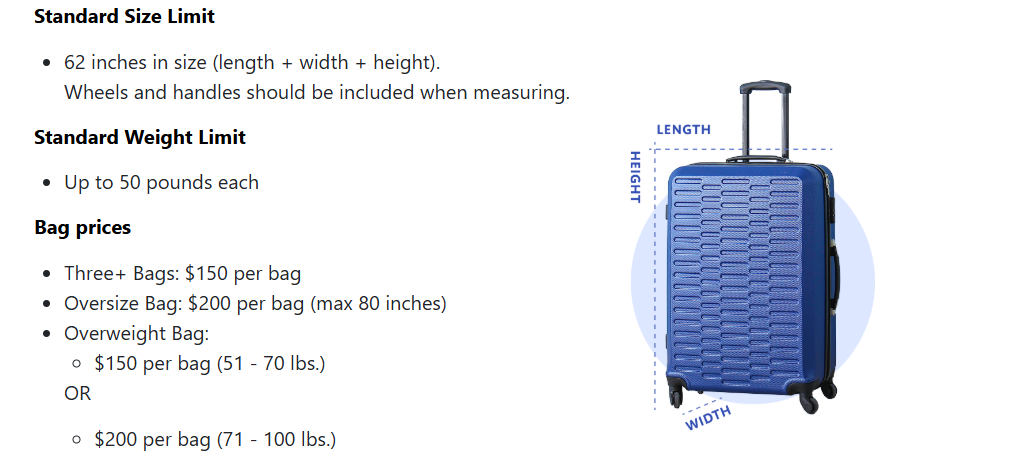
Passengers can check up to two bags for free on Southwest flights. Each checked bag must weigh 50 pounds or less. The maximum size allowed is 62 inches in total. This means adding length, width, and height. Bags exceeding these limits may have extra fees. Checking bags beyond two will also cost extra. Always weigh your suitcase before heading to the airport.
Oversized And Overweight Fees
Bags over 50 pounds but under 100 pounds face overweight fees. The fee usually costs around $75 per bag. Bags over 100 pounds are not accepted. Oversized bags larger than 62 inches incur additional fees. These fees can be higher than overweight charges. Southwest recommends keeping bags within size and weight limits to avoid fees and delays.

Weight Limits For Carry-on Bags
Southwest Airlines allows passengers to bring one carry-on bag and one personal item on board. Knowing the weight limits and size rules helps avoid extra fees. Carry-on bags must fit in the overhead bins or under the seat. This section explains the weight limits and packing tips.
Standard Carry-on Dimensions
Southwest permits carry-on bags up to 10 x 16 x 24 inches. This size includes handles and wheels. Bags larger than this may not fit in the overhead bins. Personal items like backpacks or purses should fit under the seat. Keep your carry-on within these dimensions to ensure smooth boarding.
Weight Restrictions
Southwest does not have a specific weight limit for carry-on bags. The main rule is that you must be able to lift and stow your bag yourself. If a bag is too heavy or oversized, gate agents may ask you to check it. Pack smart to avoid delays and extra charges.
Tips For Packing Light
- Choose lightweight suitcases or backpacks.
- Roll clothes to save space and reduce wrinkles.
- Limit shoes and bulky items.
- Use travel-size toiletries to cut weight.
- Wear heavier clothing on the plane.
Packing light makes travel easier and faster. It helps you stay within carry-on rules without stress.
Checked Baggage Weight Rules
Southwest Airlines has clear rules for checked baggage weight. Knowing these rules helps avoid extra fees at the airport. Packing smart is key to a smooth trip.
Maximum Weight Per Bag
Each checked bag on Southwest can weigh up to 50 pounds. Bags over this limit face extra charges. Exceeding 100 pounds is not allowed for checked bags. Make sure your suitcase stays within the limit for hassle-free travel.
Number Of Bags Allowed
Southwest permits up to two checked bags per passenger for free. Each bag must meet the size and weight requirements. Carrying more than two bags will cost extra. Planning your luggage helps avoid unexpected fees.
Additional Charges For Extra Weight
Southwest charges fees for bags weighing between 51 and 100 pounds. The fee is higher for bags close to 100 pounds. Bags over 100 pounds are not accepted on the plane. Check your bag weight before arriving to save money.

Handling Overweight Luggage
Handling overweight luggage on Southwest Airlines requires careful attention. Southwest allows each checked bag to weigh up to 50 pounds. Bags over this limit face extra fees. Knowing these fees helps avoid surprises at the airport. Planning can save money and stress. Understanding alternatives can help manage heavy items smartly.
Fee Structure For Overweight Bags
Southwest charges $75 for bags weighing between 51 and 100 pounds. Bags over 100 pounds are not accepted as checked luggage. There is no fee for bags under 50 pounds. Each passenger can check two bags. Fees apply per bag, per flight segment. Paying fees at the airport is required before boarding.
How To Avoid Extra Charges
- Weigh your suitcase at home before going to the airport.
- Distribute heavy items between bags to stay under 50 pounds.
- Use luggage with built-in scales for accuracy.
- Pack only necessary items to reduce weight.
- Wear heavier clothing on the plane to lighten your bags.
Alternatives For Heavy Items
Ship heavy items separately using a courier service. This option may be cheaper and easier. Use carry-on bags for valuables and lighter items. Check if Southwest offers special allowances for sports or musical equipment. Consider renting or buying some items at your destination to avoid heavy luggage.
Special Items And Exceptions
Southwest Airlines has specific rules for special items and exceptions. These rules help passengers carry unique items safely. Some items do not follow the usual weight limits. Understanding these exceptions can save money and avoid delays at the airport.
Sports Equipment
Southwest allows sports equipment like golf bags, skis, and bikes. These items often have different weight limits than regular bags. Some equipment may count as one checked bag. Fees might apply based on size and weight. Packing gear properly is important to avoid damage.
Musical Instruments
Musical instruments can travel as carry-on or checked items. Small instruments fit in overhead bins. Larger instruments may need to be checked. Southwest does not charge extra for small instruments under certain sizes. Protecting instruments with cases is essential for safe travel.
Medical And Mobility Devices
Medical and mobility devices have special consideration. Items like wheelchairs and oxygen tanks usually do not count toward baggage weight. Passengers can bring these devices without extra fees. Proper notification to the airline helps ensure smooth handling. Safety checks might be required before boarding.
Tips For Managing Suitcase Weight
Managing your suitcase weight is key to avoid extra fees on Southwest Airlines. Careful planning helps keep your luggage within limits. Use simple tools and smart packing to stay under the weight cap. Choose your suitcase wisely to balance size and weight. These tips save money and stress at the airport.
Using Luggage Scales
A luggage scale gives a quick weight check before you leave home. It is small and easy to carry in your bag. Weigh your suitcase after packing to avoid surprises at the airport. Digital scales are accurate and easy to read. Adjust your items if the scale shows your bag is too heavy.
Packing Strategies
- Roll clothes to save space and reduce wrinkles.
- Wear your heaviest shoes and clothes during travel.
- Limit toiletries to travel-size containers.
- Use packing cubes to organize and compress items.
- Remove non-essential items to lighten your load.
Smart packing helps keep the suitcase light and organized. Each small step cuts down the total weight.
Choosing The Right Suitcase
Pick a lightweight suitcase with sturdy wheels and handles. Hard-shell suitcases protect items but often weigh more. Soft-sided bags usually weigh less and can expand slightly. Check the suitcase weight before packing. A lighter suitcase leaves more room for your belongings.
Frequently Asked Questions
What Is Southwest's Maximum Suitcase Weight Limit?
Southwest Airlines allows checked bags up to 50 pounds each. Exceeding this limit results in overweight fees. Keeping bags under 50 pounds avoids extra charges and ensures smooth check-in.
How Much Does Southwest Charge For Overweight Bags?
Southwest charges $75 for bags weighing between 51 and 100 pounds. Bags over 100 pounds are not accepted. Paying the fee applies per bag and per flight segment.
Can I Bring A Heavier Suitcase As Carry-on?
Southwest's carry-on policy does not specify weight limits but size restrictions apply. Carry-ons must fit in overhead bins or under the seat. Heavy bags may be difficult to lift and store.
What Happens If My Suitcase Exceeds Southwest's Weight Limit?
If your bag weighs more than 50 pounds, you must pay an overweight fee. Bags over 100 pounds are prohibited and cannot be checked. It's best to weigh luggage before arriving at the airport.
Conclusion
Southwest allows each checked bag to weigh up to 50 pounds. Carry-on bags must be lighter and smaller. Exceeding these limits may cost extra fees. Packing smart helps avoid surprise charges at the airport. Know the rules before you travel to save money.
Traveling light makes your trip easier and less stressful. Keep these tips in mind for a smooth Southwest flight experience.