
Are you planning your next adventure and wondering just how many 3.4 oz bottles you can pack in your carry-on? Navigating airline regulations can be a bit tricky, especially when it comes to liquids.
But don't worry, you're not alone. Many travelers find themselves puzzled by the rules. What if you could breeze through security with ease, knowing exactly what to pack? Imagine the confidence you'd feel, knowing you’re fully prepared and compliant. In this guide, we'll unravel the mysteries of carry-on liquid limits, so you can focus on what truly matters—enjoying your journey.
Ready to make packing a breeze? Let's dive in!
Carry-on Liquid Limits
Understanding carry-on liquid limits is crucial for smooth airport security checks. Knowing exactly how many 3.4 oz containers you can bring helps you pack smart and avoid delays. Let’s break down the rules and exceptions so you can travel stress-free.
Tsa 3.4 Oz Rule Explained
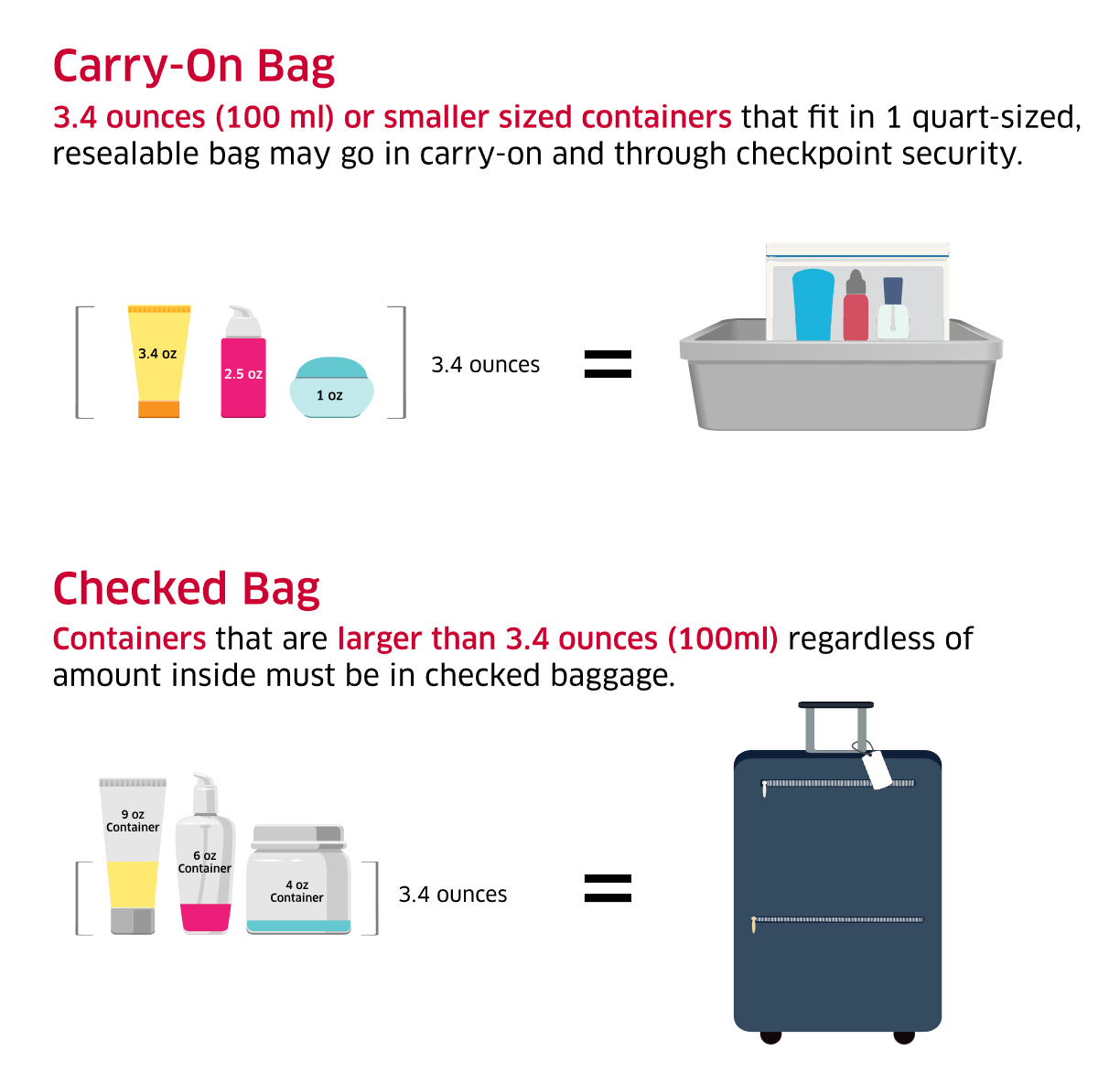
The TSA limits liquids in carry-on bags to containers of 3.4 ounces (100 milliliters) or less. Each passenger can carry these containers inside a single, clear, quart-sized plastic bag. This bag must be taken out separately during security screening.
Think of it this way: no matter how many bottles you have, each one can only hold up to 3.4 oz. This rule applies to all liquids, gels, creams, and aerosols. If a container exceeds this size, it will likely be confiscated at the checkpoint.
Why 3.4 Oz?
The specific limit of 3.4 oz comes from international safety standards aimed at reducing threats from liquid explosives. It’s a balance between allowing passengers to bring essential items and ensuring airport security. While it might feel inconvenient, this size gives you enough for personal use without compromising safety.
Have you ever packed a full-size shampoo only to have to toss it at security? That’s why the limit exists. Packing travel-sized toiletries not only saves space but also speeds up your journey through airport checks.
Exceptions To The Rule
Not all liquids fall under the 3.4 oz restriction. Medications, baby formula, and breast milk are allowed in reasonable quantities exceeding 3.4 oz. You just need to declare these items to the TSA officers at the checkpoint.
Additionally, duty-free liquids purchased after security can be carried on without size limits, as long as they remain sealed in their tamper-evident bags. Remember, these exceptions help you carry what you truly need without hassle.
Packing Liquids Correctly
Packing liquids correctly can make or break your airport security experience. Knowing how to manage your 3.4 oz containers within your carry-on bag keeps you stress-free and speeds up the screening process. Let's break down how to handle your liquids smartly so you avoid unnecessary delays or having to toss out your favorite products.
Choosing The Right Containers
Picking the right containers is your first step. Look for clear, leak-proof bottles that hold exactly 3.4 oz or less. Squishy silicone travel bottles work great because they’re easy to squeeze and refill.
Avoid bulky or oddly shaped containers—they waste space and can spill easily. Remember, a well-sealed cap is essential to prevent messy leaks that could ruin your electronics or documents.
Using Quart-sized Bags
Security rules require all liquids to fit into a single quart-sized, clear plastic bag. This makes it easier for TSA agents to see what you’re carrying without digging through your belongings. Make sure your bag is transparent and resealable to avoid fumbling at the checkpoint.
Have you ever tried stuffing multiple bottles into a small bag? It’s frustrating and often leads to spills. Instead, arrange your bottles standing up or lay them flat to maximize space and keep everything visible.
Tips For Organizing Liquids
Organizing liquids thoughtfully reduces stress and saves time. Group similar items like skincare, hair products, and medications together. This way, you can quickly grab what you need and repack efficiently after security.
- Use small pouches within your quart bag to separate categories.
- Label your containers if you’re carrying multiple similar bottles.
- Keep your quart bag at the top of your carry-on for easy access.
Do you know which liquids you actually need during your flight? Sometimes packing fewer items can simplify your trip and keep your bag lighter.
Common Liquids And Their Sizes
Understanding the sizes of common liquids helps pack your carry-on efficiently. Airlines limit liquids to containers of 3.4 ounces (100 milliliters) or less. Knowing typical sizes of everyday items makes packing easier. It also helps avoid delays at security checks.
Toiletries And Cosmetics
Most travel-sized toiletries fit the 3.4-ounce limit. Shampoo, conditioner, and body wash often come in small bottles. Toothpaste tubes designed for travel usually stay under this size. Makeup products like foundation, mascara, and lip gloss also meet the limit. Carrying full-size bottles is not allowed in carry-ons.
Medicines And Baby Products
Medicines in liquid form have special rules. Prescription liquids can exceed 3.4 ounces but need a doctor's note. Baby formula, breast milk, and juice for infants can be larger. These items must be declared at security checkpoints. Pack medicines in original containers to avoid issues.
Food And Beverages
Liquid foods such as soups or sauces must follow the 3.4-ounce rule. Drinks like water, juice, or soda are not allowed over this limit. You can bring empty bottles and fill them after security. Solid foods do not have liquid restrictions but check specific airline rules.

Tsa Screening Process
The TSA screening process can feel like a hurdle, especially when you’re packing liquids in your carry-on. Understanding how TSA handles your items can save you time and stress at the airport. Let’s break down what happens when you go through security, how your liquids are checked, and what to do if something gets confiscated.
What Happens At Security
When you arrive at the security checkpoint, you’ll place your carry-on and personal items into bins for screening. TSA agents operate X-ray machines that scan your bags for prohibited items. You’ll also walk through a metal detector or a body scanner to ensure you’re not carrying anything dangerous.
Expect to remove your liquids bag from your carry-on. This clear quart-sized bag must be placed separately in a bin for the X-ray. Knowing this ahead of time speeds up the process and keeps lines moving.
How Liquids Are Checked
TSA limits liquids to containers of 3.4 ounces (100 milliliters) or less. All these containers must fit inside one clear, quart-sized bag. Agents examine this bag carefully to ensure no container exceeds the limit.
If your bottle is too large or the liquids aren’t in the clear bag, TSA may ask you to discard them. Liquids like gels, creams, and aerosols all count toward this rule. Packing your liquids correctly can prevent delays and frustration.
Dealing With Confiscated Items
If TSA confiscates an item, it’s usually because it violates size, content, or safety rules. While it’s frustrating, arguing won’t get your item back at the checkpoint. Instead, you can ask for a receipt that explains the confiscation.
To avoid losing your favorite products, consider buying travel-sized versions or transferring liquids into smaller containers before your trip. Have you ever had to throw away a pricey item at security? Preparing in advance keeps your belongings—and your wallet—safe.
International Travel And Liquids
Traveling internationally often means navigating different rules about liquids in your carry-on. Understanding these regulations can save you from last-minute hassles at security checkpoints. Knowing how many 3.4 oz containers you can bring, and how these rules change abroad, is crucial for a smooth trip.
Differences In Liquid Rules Abroad
Not all countries follow the same liquid restrictions as the U.S. Some allow slightly larger containers, while others have stricter limits or additional requirements. For instance, many European airports stick to the 100 ml (about 3.4 oz) rule, but some countries may require liquids to be sealed in special bags.
Have you ever been surprised by a rule at a foreign airport? It happens because each country sets its own security standards. Checking the official airport or airline website before you travel helps avoid confusion and wasted time.
Tips For Flying Internationally
- Pack your liquids in clear, resealable bags to speed up security checks.
- Label your containers clearly to prevent delays or disposal.
- Consider buying liquids like shampoo or lotion after you pass security to avoid size restrictions.
- Keep your liquids easily accessible—you might need to remove them for screening.
Have you ever wished for a simpler way to carry liquids? These small steps reduce stress and help you focus on your travel experience.
What To Know About Connecting Flights
Connecting flights can complicate liquid rules, especially if you pass through countries with different regulations. If you check your bags, liquid limits are less of a concern, but for carry-ons, you need to follow the rules of each airport you transit through.
Think about your entire route, not just your departure airport. If you have a long layover abroad, you might need to repack your liquids or even discard some. Planning ahead can prevent unexpected delays and extra expenses at security checkpoints.

Alternatives To Carrying Liquids
Carrying liquids in a carry-on can be tricky due to strict airline rules. Many travelers find it easier to explore alternatives. These options help avoid delays and keep essentials within limits. Choosing the right alternative can make travel smoother and more comfortable.
Buying Liquids After Security
Buy liquids after passing security checks. Airport shops offer many travel essentials. This way, you avoid packing restrictions. Items like water, shampoo, and lotions are available. It saves space in your carry-on bag. Also, no need to worry about liquid limits.
Using Solid Or Powder Alternatives
Choose solid or powder forms instead of liquids. Solid shampoos, conditioners, and soaps work well. Powder detergents and makeup are easy to carry. These items do not fall under liquid rules. They are lightweight and last longer. This choice reduces the risk of spills and leaks.
Travel-size Products And Samples
Use small travel-size containers or product samples. Many brands offer mini versions of popular items. These containers hold less than 3.4 ounces, perfect for carry-ons. Samples often come free with purchases or at stores. They provide just enough product for short trips. Keep them sealed to avoid leaks.
Common Mistakes And How To Avoid Them
Traveling with liquids in your carry-on can quickly become a hassle if you’re not careful. Many travelers make avoidable mistakes that lead to delays or having to toss their items at security checkpoints. Understanding these common errors and how to steer clear of them will save you time and stress.
Overpacking Liquids
It’s easy to bring more liquids than allowed, especially when you try to pack every toiletry you own. Remember, the TSA limits containers to 3.4 oz (100 ml) each, and all must fit into a single quart-sized bag. If your bag looks stuffed or you have too many bottles, you’re likely overpacking.
Instead, prioritize essentials and transfer liquids into smaller travel bottles. This not only meets the rules but also lightens your load. Ask yourself: do you really need that full-size shampoo or can you manage with a travel-size?
Incorrect Bag Usage
Using the wrong type of bag can cause problems at security. The TSA requires liquids to be in a clear, resealable quart-sized bag. Some travelers use opaque or oversized bags, which leads to extra scrutiny or even rejection.
A thin, transparent zip-top bag works best—it’s easy for agents to inspect and meets regulations perfectly. If you don’t have one, pick up a reusable travel bag designed for TSA compliance. This small change can speed up your airport experience significantly.
Not Checking Tsa Updates
Rules around carry-on liquids can change, and missing these updates might leave you unprepared. I once packed the usual way but found out last minute that specific items were restricted on my flight. It cost me time and money to replace those products.
Check the TSA website or your airline’s guidelines before packing. Signing up for alerts can keep you informed about any new restrictions or allowances. Staying updated prevents surprises and helps you pack confidently.

Frequently Asked Questions
How Many 3.4 Oz Bottles Fit In A Carry-on?
You can carry multiple 3. 4 oz bottles in a carry-on. TSA allows liquids in containers of 3. 4 oz or less. All bottles must fit inside one clear quart-sized bag.
Why Is 3.4 Oz The Liquid Limit For Carry-ons?
The 3. 4 oz limit is a TSA security rule. It helps reduce liquid threats on planes. This size ensures safety while allowing passengers to bring essentials.
Can I Bring More Than One 3.4 Oz Bottle On A Plane?
Yes, you can bring several 3. 4 oz bottles. However, all containers must fit inside a single clear quart-sized bag. This bag must be screened separately at security.
Does 3.4 Oz Apply To All Liquids In Carry-ons?
Yes, the 3. 4 oz limit applies to all liquids, gels, and aerosols in carry-ons. This includes toiletries like shampoo, lotion, and toothpaste.
Conclusion
Knowing how many 3. 4 oz bottles fit in a carry-on saves time at security. You can pack smart and avoid delays. Remember, all liquids must follow the 3. 4 oz rule. Use clear, resealable bags for easy checks. This simple step helps your trip start smoothly.
Keep your carry-on light and organized. Travel stress less by knowing these packing limits. Safe travels and enjoy your journey!