

Are you planning to travel soon and wondering how many fluid ounces you can carry on your flight? You're not alone.
Many travelers find themselves puzzled by the rules and regulations surrounding liquids in carry-on luggage. Navigating airport security can feel like a maze, especially when you're unsure about what you can or cannot bring. But fear not, because understanding these guidelines is easier than you might think.
Imagine breezing through security without any hiccups, confidently knowing your belongings are packed perfectly. We'll unravel the mystery of fluid ounces in your carry-on, so you can travel with peace of mind and focus on the excitement of your journey. Keep reading to discover the secrets to stress-free packing!

Backpacking Fluid Limits
Backpacking fluid limits are a crucial factor to consider before you hit the trail or board a plane. Knowing how much liquid you can carry affects your packing strategy and ensures a hassle-free travel experience. It’s not just about convenience; it’s about following rules that keep everyone safe while making your journey smoother.
Regulations On Liquids
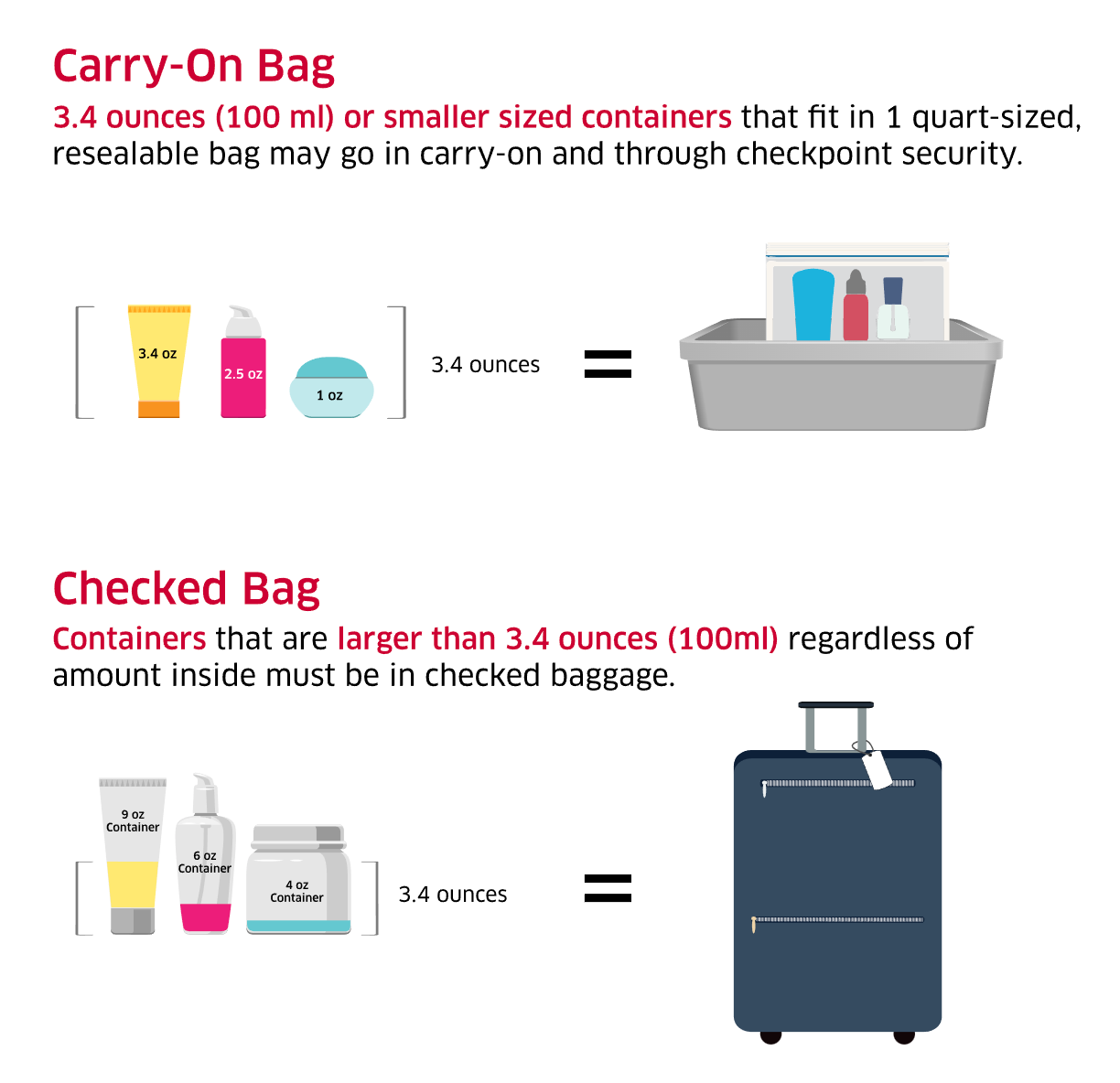
Most travel authorities set clear limits on the amount of liquid you can carry in your backpack or carry-on. Typically, you are allowed containers of up to 3.4 ounces (100 milliliters) each, and all containers must fit into a single quart-sized clear plastic bag. This rule is designed to make security checks quicker and more efficient.
Remember, these regulations apply to gels, creams, and aerosols too—not just water or juice. If you’re packing for a multi-day hike, consider carrying a refillable water bladder or bottles that you can fill after security checks. This approach keeps you hydrated without breaking the rules.
Why Limits Matter
Carrying too much liquid can slow you down and attract unwanted attention at security checkpoints. Have you ever been stuck emptying your backpack while the line behind you grows longer? Following fluid limits prevents that frustration and helps you move through checkpoints smoothly.
Also, liquids can add significant weight to your pack, making your trek more exhausting. By sticking to limits, you lighten your load and save energy for what really matters—enjoying the outdoors. Think about what liquids you truly need and pack smart.

Common Fluid Containers
Carrying fluids while traveling or commuting requires the right container. Different containers hold varying amounts of fluid. Understanding common fluid containers helps with packing and meeting travel rules. Each container type offers specific benefits and limits.
Water Bottles
Water bottles are popular for everyday use and travel. They come in many sizes, usually from 12 to 32 fluid ounces. Many are made of plastic, metal, or glass. Most water bottles are easy to carry and refill. Airlines often allow water bottles, but they must be empty before security checks.
Hydration Bladders
Hydration bladders hold more fluid than regular bottles. They typically carry 48 to 100 fluid ounces. These flexible containers fit inside backpacks. A tube lets you drink without stopping. Hydration bladders are ideal for long hikes or bike rides. Security rules usually require empty bladders at checkpoints.
Reusable Bottles
Reusable bottles are eco-friendly and come in various sizes. They range from small 8-ounce bottles to large 40-ounce ones. Many have insulation to keep drinks hot or cold. They are made from stainless steel or BPA-free plastic. Reusable bottles reduce waste and save money over time.
Recommended Fluid Amounts
Knowing how much fluid to carry can make or break your outdoor adventure. Carry too little, and dehydration slows you down. Carry too much, and your pack becomes a burden. Let’s break down the recommended fluid amounts to help you strike the right balance.
Daily Hydration Needs
Your body needs a baseline amount of water every day to function well. On average, adults require about 64 to 80 ounces (around 2 to 2.5 liters) of water daily. If you’re hiking or doing any physical activity, you’ll need more to replace what you lose through sweat.
Think about your last hike. Did you drink enough to feel energized the whole way? Most people underestimate how much they actually need. A good rule is to sip water regularly rather than waiting until you’re thirsty.
Adjusting For Weather
Hot, dry, or humid weather can quickly increase your hydration needs. When temperatures rise, your body sweats more to cool down, meaning you lose more fluids. In cold weather, you might not feel as thirsty, but you still need to drink to stay hydrated.
- In hot weather, add 20% to 30% more water to your daily needs.
- If it’s cold and dry, carry insulated bottles to prevent freezing and still drink regularly.
- High altitudes also increase fluid loss; plan to drink more when hiking in the mountains.
Considering Trail Difficulty
The tougher your trail, the more fluids your body demands. Steep climbs and long distances increase sweat production and energy use. If you’re tackling a challenging trail, don’t just pack water—consider electrolyte drinks to replace lost salts.
Remember that carrying extra water adds weight. Ask yourself: can you refill along the way? If not, plan carefully to carry enough without overloading your pack. Hydration isn’t just about volume; it’s about smart planning.
Packing Tips For Fluids
Packing fluids for travel can be tricky. You must follow rules about how much liquid you can bring. Organizing fluids smartly helps avoid spills and delays. Use these tips to pack fluids safely and efficiently.
Weight Distribution
Place heavier fluid containers near the bottom of your bag. This keeps your luggage balanced and easier to carry. Spread out bottles so weight is even on both sides. Avoid putting all fluids in one spot. It helps prevent your bag from tipping over or becoming uncomfortable.
Leak Prevention
Seal bottles tightly before packing. Use plastic wrap under caps for extra protection. Put liquids in zip-lock bags to catch leaks. Pack bottles upright when possible. Avoid overfilling containers to reduce pressure. Check for cracks or weak spots in bottles before travel.
Easy Access Strategies
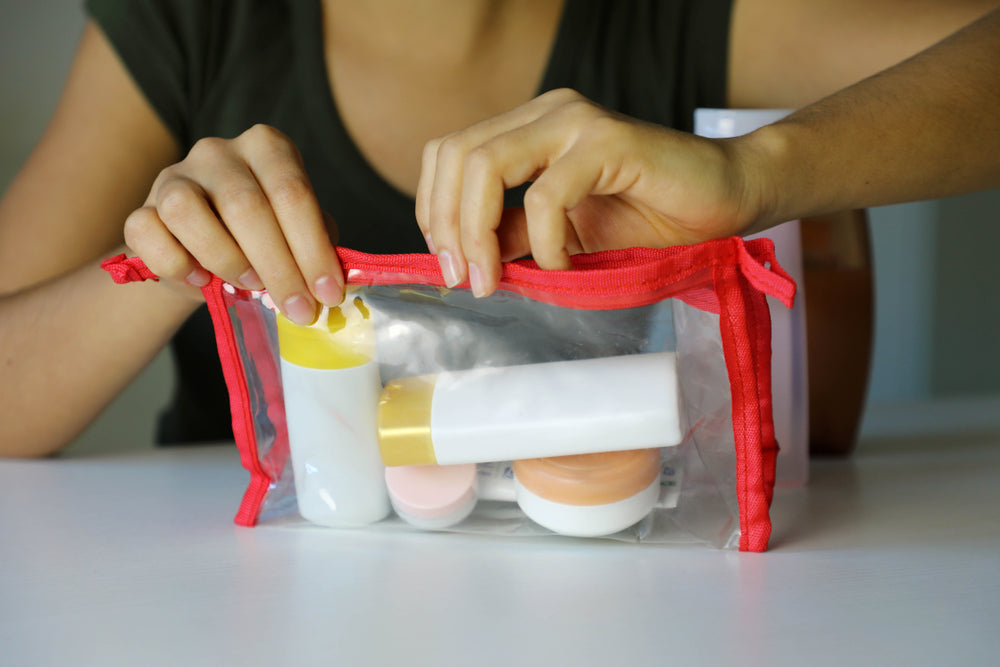
Keep frequently used fluids in a separate clear bag. This saves time at security checkpoints. Place this bag near the top of your carry-on. Use small travel-sized bottles for essentials like lotion or sanitizer. Label bottles clearly to avoid confusion. Keep liquids you need during the flight easy to reach.
Alternative Hydration Methods
Carrying limited fluid ounces on your trip doesn’t mean you have to sacrifice staying hydrated. Alternative hydration methods can help you maintain your water intake without lugging around heavy bottles. These approaches let you stay refreshed and safe, even when your carry-on space is tight.
Water Purification
You can source water from many places, but it’s crucial to purify it before drinking. Portable water filters and purification tablets are lightweight and easy to pack. They remove harmful bacteria and parasites, giving you peace of mind wherever you are.
Have you ever tried using UV purifiers? They work fast and don’t affect the taste of water. It’s a handy option if you want to avoid chemicals or bulky equipment.
Natural Water Sources
Rivers, lakes, and streams can be great hydration sources if you’re outdoors. Always check the water’s clarity and flow—running water is usually safer than stagnant. Even then, always purify before drinking to avoid illness.
Think about the environment you’re in. In some places, natural water might be scarce or contaminated. Planning ahead about where you’ll find these sources can save you a lot of trouble and weight in your bag.
Electrolyte Options
Water alone sometimes isn’t enough, especially if you’re active or sweating a lot. Electrolyte powders or tablets add essential minerals like sodium and potassium to your water. They come in small packets, saving space and boosting hydration efficiency.
Try experimenting with different flavors to keep your water interesting. Staying hydrated can feel less like a chore when your drink tastes good. What’s your favorite electrolyte boost to carry on your trips?
Safety And Health Tips
Carrying the right amount of fluid is important for your safety and health. Drinking enough water keeps your body working well. It helps your skin, energy, and focus. Knowing how to spot dehydration and plan hydration helps avoid problems. Balancing fluids with food supports your overall well-being during travel or daily activities.
Signs Of Dehydration
- Dry mouth and lips
- Dark yellow urine
- Feeling dizzy or weak
- Headache or confusion
- Fatigue or tiredness
Notice these signs early. They show your body needs more fluids. Acting fast prevents serious health issues.
Hydration Schedule
Drink small amounts of water often. Avoid drinking too much at once. Aim for 7-8 cups daily, more if active or in hot weather. Carry a bottle to remind yourself. Set times for sipping, like every 30 minutes.
Balancing Fluids And Nutrition
Eat fruits and vegetables with high water content. They add fluids and nutrients your body needs. Avoid too much caffeine and alcohol; they cause dehydration. Include salty snacks if sweating a lot. This helps keep your body’s water balance steady.
Frequently Asked Questions
How Many Fluid Ounces Are Allowed In Carry-on Liquids?
You can carry liquids in containers of 3. 4 fluid ounces (100 milliliters) or less. All containers must fit in one quart-sized, clear plastic bag. This rule applies to most airlines for security screening purposes.
Can I Bring More Than 3.4 Ounces Of Liquid On A Plane?
No, liquids over 3. 4 ounces are generally not allowed in carry-on bags. Exceptions apply for medications, baby formula, or special dietary needs with proper documentation.
Are There Exceptions To The Liquid Carry-on Limit?
Yes, exceptions include essential medications, baby food, and liquids purchased after security. These items must be declared and may be subject to additional screening.
How Should Liquids Be Packed In Carry-on Luggage?
Liquids must be in containers of 3. 4 ounces or less. All containers should fit inside a single, clear quart-sized bag, separate from other carry-on items for easy inspection.
Conclusion
Knowing the fluid ounce limit helps you pack smart for flights. Carry liquids in containers of 3. 4 ounces or less. Use a clear, quart-sized bag to keep items organized. Follow airport rules to avoid delays and stress. Always check airline policies before you travel.
This simple step makes your journey smoother. Stay prepared and enjoy your trip with ease.