
Are you gearing up for your next flight and wondering how many fluid ounces you can pack in your carry-on? Navigating the maze of airline regulations can be confusing, especially when it comes to liquids.
But don’t worry, you’re not alone. Many travelers share your concern, eager to breeze through security without a hitch. Understanding these rules not only saves you time but also ensures a hassle-free start to your journey. In this guide, we’ll unravel the mystery behind carry-on liquid limits, giving you the clarity and confidence to pack like a pro.
Stick around, and discover tips that could transform your travel experience.

Carry-on Fluid Limits
Knowing the limits on fluids in your carry-on helps avoid delays at airport security. Each airline and country may have different rules. These rules protect passengers and keep flights safe. Understanding these limits lets you pack smarter and travel smoother.
Standard Tsa Rules
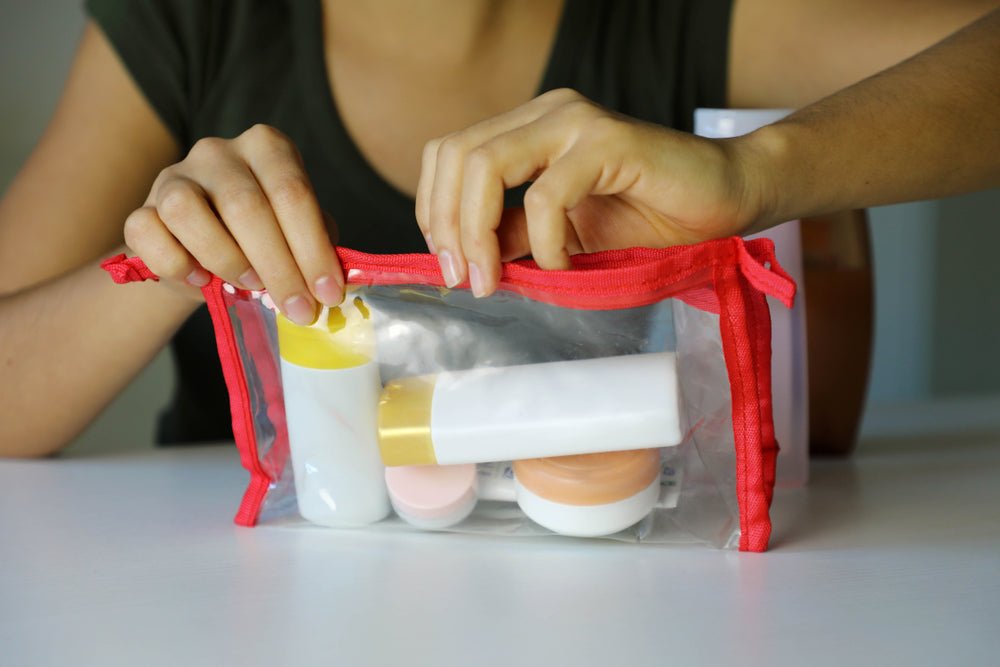
The TSA allows passengers to bring liquids in containers of 3.4 ounces (100 milliliters) or less. All containers must fit into one clear, quart-sized plastic bag. Each passenger can carry one bag only. This rule includes gels, creams, and aerosols as well. Liquids over this limit must go in checked luggage or be left behind.
International Regulations
Many countries follow rules similar to the TSA. The 3.4-ounce limit is common for international flights. Each country's airport may have small differences in enforcement. Some airports allow slightly larger containers but still require a clear plastic bag. Always check the rules of your destination before packing. This avoids surprises during security checks.
Exceptions To The Rules
Certain liquids are allowed over the limit. Baby formula, breast milk, and medications can exceed 3.4 ounces. These items must be declared at security checkpoints. Airport staff may ask to inspect these liquids separately. Liquid purchases made after security, like duty-free items, are also allowed. Keep receipts handy to prove purchase time and place.

Measuring Fluid Ounces
Measuring fluid ounces accurately can save you a lot of hassle at airport security. Knowing exactly how much liquid you can bring in your carry-on means no last-minute repacking or discarded items. Let's break down how to measure and understand fluid ounces, so your travel experience stays smooth.
Converting Milliliters To Ounces
Many travel-sized containers list volume in milliliters (ml), not fluid ounces (fl oz). Since airport regulations usually specify limits in ounces, conversion is key.
Here’s a quick formula to help you convert:
- 1 fluid ounce = 29.57 milliliters
- To convert ml to fl oz: ml ÷ 29.57 = fl oz
If your shampoo bottle says 100 ml, dividing 100 by 29.57 gives about 3.38 fl oz. This fits within the usual 3.4-ounce limit for carry-on liquids.
Have you ever stood at the security line wondering if your bottle is too big? Using this simple conversion can prevent that stress before you even pack.
Common Container Sizes
Travel-sized containers come in a variety of sizes, but some are more common and easier to manage when packing.
| Container Size (ml) | Approximate Fluid Ounces (fl oz) | Typical Use |
|---|---|---|
| 30 ml | 1 fl oz | Perfume, essential oils |
| 60 ml | 2 fl oz | Face wash, lotion |
| 100 ml | 3.4 fl oz | Shampoo, conditioner, body wash |
| 120 ml | 4 fl oz | Too large for carry-on liquids |
Choosing containers labeled around 100 ml or less ensures you comply with most airline liquid restrictions. It’s a good idea to measure your own bottles before traveling to avoid surprises at security.
Do you own bottles that seem small but actually exceed the limit? Measuring them can save you from dumping liquids or buying new products at inflated airport prices.
Packing Tips For Liquids
Packing liquids in your carry-on can be tricky. Airports have strict rules about fluid ounces. Knowing these rules helps avoid delays and stress. Use smart packing tips to save space and stay within limits.
Choosing The Right Containers
Pick small containers of 3.4 ounces (100 milliliters) or less. Clear plastic bottles work best. They let you see the liquid inside easily. Use leak-proof containers to avoid spills. Travel-sized bottles fit carry-on rules perfectly. Avoid large bottles even if they are half full.
Organizing Your Liquids
Use a clear, resealable plastic bag for all liquids. This makes security checks faster. Keep the bag easily accessible in your carry-on. Arrange containers so they stand upright. This prevents leaks and saves space. Group similar liquids together, like toiletries or medicines.
Avoiding Common Mistakes
- Don’t pack liquids over the 3.4-ounce limit.
- Avoid using opaque or colored containers.
- Do not forget to place liquids in a clear bag.
- Never pack liquids outside your carry-on bag.
- Check for spills before packing to prevent messes.

Special Items And Liquids
Special items and liquids often need extra attention during airport security checks. Not all liquids follow the usual carry-on rules. Some items have exceptions to help travelers carry necessary products safely. Knowing these details can make your airport experience smoother.
Medications And Baby Products
Medications in liquid form are allowed beyond the usual 3.4 ounces limit. Keep them in their original containers if possible. Inform the security officers about your medications during screening. Baby products like formula, breast milk, and juice have special rules. You can carry enough for the trip. These items must be declared separately at the security checkpoint.
Duty-free Purchases
Duty-free liquids bought after security checks follow different rules. They can exceed the 3.4 ounces limit. Keep these liquids sealed in tamper-evident bags. Retain the receipt as proof of purchase. Opening the bag before your flight may cause problems. These purchases are allowed on board but only if sealed properly.
Gels And Aerosols
Gels and aerosols must follow the 3.4-ounce liquid rule. This includes items like hair gel, deodorant, and spray sunscreen. Each container must fit inside a clear quart-sized bag. Some aerosols like medical or toiletry sprays are allowed in limited amounts. Avoid carrying large cans of aerosol products in your carry-on.
Security Checkpoint Procedures
Security checkpoint procedures can feel confusing for travelers. Knowing what happens at the airport makes the process smoother. This section explains how to prepare and what to expect during screening. It also covers what happens to items that do not meet rules.
Preparing For Screening
Keep all liquids in containers of 3.4 ounces (100 milliliters) or less. Place these containers in a clear, quart-sized bag. Each passenger may carry one bag. Remove laptops and large electronics from your carry-on for separate screening. Wear shoes that are easy to take off. Avoid wearing belts or jewelry that set off alarms.
What To Expect At Tsa
Show your boarding pass and ID to the agent. Place your carry-on and personal items on the conveyor belt. Liquids and electronics go into separate bins. Walk through the metal detector or body scanner as directed. Follow instructions from TSA officers carefully. If alarms sound, you may undergo additional screening.
Dealing With Confiscated Items
Items exceeding the liquid limit will be taken by TSA. Prohibited items like sharp objects or large liquids are not allowed. Confiscated items cannot be returned. To avoid losing belongings, double-check your bags before packing. Consider mailing items home or leaving them behind if unsure.
Tips For International Travelers
Traveling internationally means facing different airport rules about liquids in carry-ons. Knowing these rules helps avoid delays and stress at security checks. Small changes in fluid limits can affect what you pack. Smart planning keeps your journey smooth and hassle-free.
Country-specific Variations
Each country sets its own rules on how many fluid ounces you can carry. Some allow a 3.4-ounce (100 ml) limit per container, while others may have stricter or looser rules. Always check the rules of the country you are flying from and to. This prevents surprises at airport security.
Pre-flight Research
Look up the airport's official website before your flight. Find the latest information on liquid restrictions. Use a list to pack only what is allowed. Avoid carrying large bottles that need to be thrown away. Doing this saves time and avoids fines.
Navigating Multiple Airports
Flights with layovers mean facing different security rules at each airport. Follow the strictest liquid limit of all airports on your route. Keep liquids in a clear, resealable bag for easy inspection. Be ready to adjust your packing if needed during the trip.
Frequently Asked Questions
How Many Fluid Ounces Are Allowed In A Carry-on?
You can carry liquids in containers of 3. 4 fluid ounces (100 milliliters) or less. All containers must fit in a single quart-sized, clear, resealable plastic bag. This rule applies to all liquids, gels, and aerosols in your carry-on luggage.
Can I Bring More Than 3.4 Oz Of Liquids In Carry-on?
No, liquids exceeding 3. 4 ounces are not allowed in carry-on bags. Larger containers must be packed in checked luggage. Exceptions apply for medications, baby formula, and special dietary liquids with proper declaration.
Are There Exceptions To The 3.4 Oz Liquid Rule?
Yes, exceptions exist for essential medicines, baby food, and breast milk. These items can exceed the 3. 4 oz limit but must be declared at security checkpoints. Always check airline policies before traveling.
How Should Liquids Be Packed In Carry-on Bags?
Liquids must be in containers of 3. 4 oz or less and placed in one quart-sized clear bag. Each passenger is allowed only one bag. This ensures a smooth security screening process at the airport.
Conclusion
Travelers must follow the 3. 4-ounce liquid rule for carry-ons. Each container should not exceed this size. All liquids must fit inside one clear, quart-sized bag. This rule helps speed up security checks. Remember to check your airline’s guidelines before packing.
Packing smart saves time and avoids stress. Keep your liquids organized and ready to show. This way, you can enjoy a smooth trip. Safe travels and happy packing!