

Traveling is often an exciting adventure, but it can quickly turn stressful if you're unsure about the rules for packing your carry-on. You might find yourself wondering, "How many milliliters are allowed on a carry-on?"
This is a common question with a straightforward answer that can save you from unnecessary hassle at airport security. Imagine the peace of mind you'll have knowing exactly what you can bring, ensuring a smoother, more enjoyable journey. By understanding these regulations, you can avoid the anxiety of last-minute repacking or, worse, having to discard your favorite toiletries.
Dive into this article to discover the essential details that will help you travel confidently and stress-free.
Tsa Liquid Rules Basics
The TSA sets clear rules for carrying liquids in your carry-on bag. These rules help keep all travelers safe and speed up security checks. Knowing these basics saves time and avoids surprises at the airport.
The TSA limits how much liquid you can bring and the size of the containers. These rules apply to all liquids, gels, and aerosols you want to carry onto the plane.
Allowed Container Size
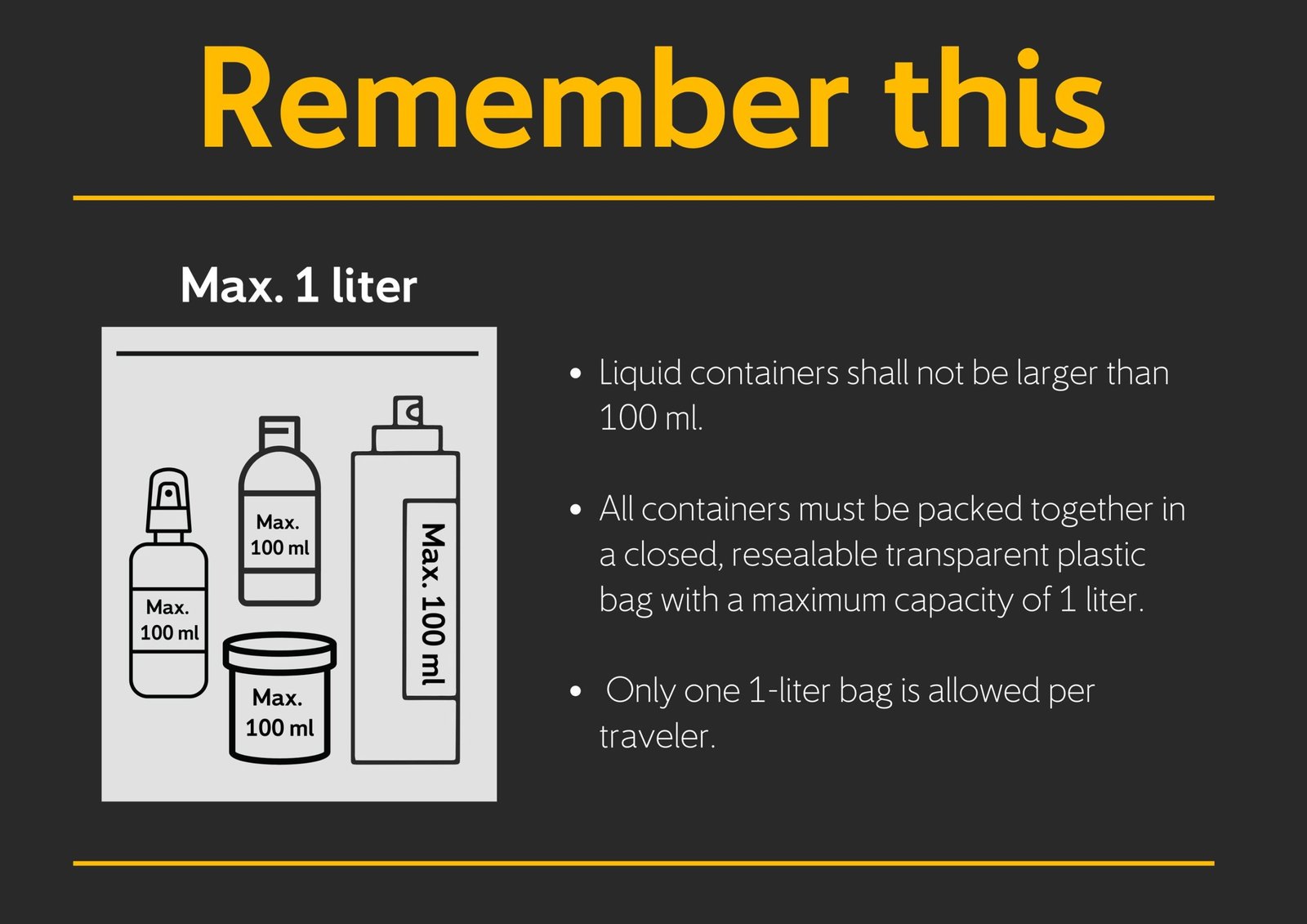
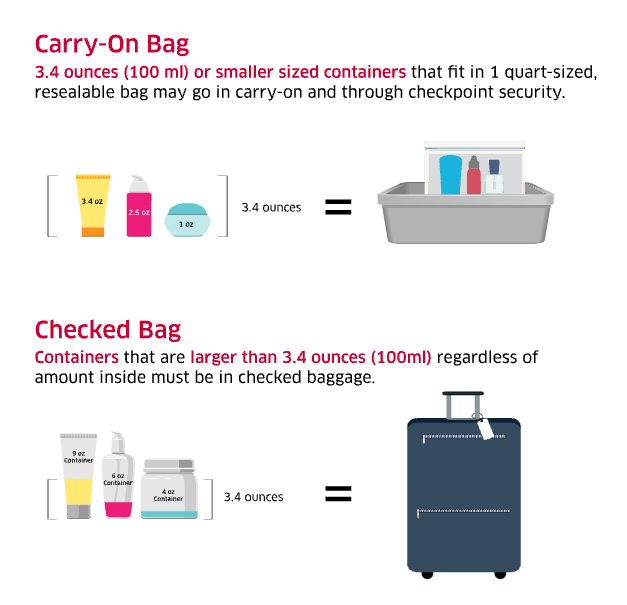
Each liquid container must hold 100 milliliters or less. This size is about 3.4 ounces. Larger containers are not allowed, even if they are not full. All containers must fit in one clear, resealable plastic bag.
Total Liquid Volume Limit
The total volume of all your liquid containers cannot exceed 1 liter. This is roughly one quart. The plastic bag must close completely and hold all your liquids. Only one such bag is allowed per passenger.
Types Of Liquids Included
- Water and other drinks
- Soups and syrups
- Gels, including hair and shower gels
- Aerosols like spray deodorants or hairspray
- Pastes such as toothpaste
- Lotions and creams
- Perfumes and other liquid cosmetics
Packing Liquids In Carry-on
Packing liquids in your carry-on can quickly become a hassle if you’re not clear on the rules. Knowing the exact limits and how to organize your liquids saves you time and avoids headaches at airport security. Let’s break down how you can pack efficiently while staying within the allowed limits.
Using Clear Quart-sized Bags
A clear quart-sized bag is your best friend at airport security. Most airlines require all liquids to fit comfortably inside one of these see-through bags, making inspection faster and easier. If you’re like me, juggling multiple bottles, having everything visible helps prevent last-minute removals or delays.
Make sure your bag is resealable and not too stuffed. Overfilling can cause spills or get flagged by security. Carrying a dedicated bag also helps you mentally check off your liquids before you pack.
Organizing Multiple Containers
When you have several liquid items, organization is key. Group similar items together—like skincare products or beverages—to avoid confusion. Place heavier containers at the bottom of your bag and lighter ones on top to prevent leaks or damage.
Use travel-sized bottles that hold no more than 100 ml each, which is the maximum allowed per container. If you carry medication or baby formula, keep them separate and declare them at security to avoid delays.
Tips For Quick Security Screening
Want to breeze through security? Keep your liquids bag easily accessible—don’t bury it deep inside your carry-on. Pull it out and place it in the bin separately before you reach the scanner.
Double-check that all containers are properly sealed and meet the size requirements. Have you ever been held up because one bottle was a few milliliters too large? Avoid that by measuring bottles before you pack.
Remember, security agents appreciate travelers who follow the rules clearly and quickly. Your preparedness can make the whole airport experience smoother for everyone.
Exceptions To Liquid Rules
Understanding exceptions to the liquid rules can save you time and stress at airport security. While the standard limit is 100 ml per container, certain items are allowed beyond this restriction. Knowing these exceptions helps you pack smarter and avoid surprises when you reach the checkpoint.
Medications And Baby Supplies
Medications are treated differently from regular liquids. You can carry more than 100 ml if the medication is essential for your trip. Make sure to keep them in original packaging and have a doctor’s note or prescription handy, as security might ask for proof.
Baby supplies such as milk, formula, and juice are also exceptions. These can exceed the usual liquid limits, but you must declare them at security. This rule recognizes the needs of traveling with infants, so don’t hesitate to bring what your baby requires.
Duty-free Liquids
Duty-free liquids bought after security checkpoints have special allowances. They can exceed 100 ml if sealed in a tamper-evident bag with the receipt visible. However, if you have a connecting flight, check the rules for your next airport to avoid confiscation.
Have you ever had duty-free items taken away during a transfer? It’s frustrating, but knowing these rules upfront can prevent it. Always keep the bag sealed until you reach your final destination.
Special Medical Liquids
Special medical liquids like saline solutions or nutritional supplements are allowed beyond the typical limits. You need to declare these items and may be asked for documentation during screening. This exception ensures passengers with medical needs can travel without hassle.
Think about the last time you traveled with medical equipment or liquids. Were you prepared with the right paperwork? Being proactive makes your journey smoother and keeps you focused on your destination.

International Variations
Traveling internationally means navigating different rules about how many milliliters (ml) of liquids you can bring in your carry-on. These rules aren’t the same everywhere, and knowing the differences can save you from last-minute hassles at security checkpoints. Understanding these variations helps you pack smarter and breeze through airport security, no matter where you’re headed.
Differences In Other Countries
Not all countries follow the 100 ml limit for liquids in carry-ons. Some places allow slightly more or less, and others have different packaging rules.
- European Union:Most countries stick to the 100 ml per container rule, with all liquids fitting into a single clear, resealable bag.
- United States:The TSA limits containers to 3.4 ounces (about 100 ml), also requiring a quart-sized clear bag.
- Japan:Rules can be stricter, sometimes requiring liquids to be in unopened, factory-sealed packaging.
- Middle East:Some airports may allow larger quantities but still require clear packaging and separate screening.
Knowing these details before you fly can prevent surprises that might make you ditch your favorite lotion or shampoo at the gate.
Connecting Flights And Transfers
Connecting through different countries means you must meet the liquid rules of each airport’s security. Even if your first departure airport allows a certain liquid amount, the transfer airport might not.
For example, if you leave from a country with relaxed rules but have a layover in the UK, your liquids will be checked again under stricter UK standards.
This can be frustrating, especially if you already cleared security once. To avoid this, pack according to the strictest rules of your entire journey.
Advice For Global Travelers
Carry a few empty travel bottles and fill them after you pass the final security check. This way, you stay within ml limits and still have your essentials.
Keep your liquids in clear, resealable bags. It speeds up security checks and reduces stress.
Ask yourself: Have you checked the security rules for every airport on your route? Don’t assume they’re all the same.
Use airline websites and official airport pages to get the latest updates before packing. This simple step can save you time and money.
Common Mistakes To Avoid
Travelers often make simple mistakes that cause delays or confiscations at airport security. Knowing what to avoid helps keep your carry-on items safe and compliant. These common errors can be easily prevented with a little attention to rules. Staying informed saves time and stress during your journey.
Overfilling Containers
Many passengers fill containers beyond the allowed 100 ml limit. Even a small amount over the limit can lead to refusal of the item. Use a measuring cup or buy travel-sized containers to stay within limits. Remember, the container must be 100 ml or less, not the amount inside.
Not Using Approved Bags
Liquids must be placed in a clear, resealable plastic bag. The bag should not exceed 1 liter in capacity. Using other types of bags or larger ones can cause issues at security checkpoints. A standard quart-sized bag works well and meets airport regulations.
Forgetting To Declare Items
Some travelers forget to declare liquids over the limit or restricted items. Always inform security officers about any special items in your carry-on. Failure to declare can result in fines or delays. Honesty speeds up the screening process and avoids problems.
Alternatives To Carrying Liquids
Carrying liquids on a plane can be tricky due to strict rules. These rules limit how much liquid you can bring in your carry-on bag. Many travelers find it easier to use alternatives. These alternatives help avoid delays and keep your travel smooth.
Here are some practical ways to manage liquids without breaking the rules.
Shipping Liquids Separately
Sending liquids by mail before your trip is a smart choice. You can ship larger bottles directly to your destination. This method avoids airport security limits entirely. Make sure to pack liquids securely to prevent leaks.
Buying Liquids After Security
Buy liquids like shampoo or lotion after passing security checks. Airport shops sell travel-sized bottles of many products. This option is convenient and keeps you within the rules. You get what you need without carrying liquids through security.
Using Solid Or Powder Alternatives
Choose solid or powder versions of your favorite liquids. Solid shampoos, deodorants, and lotions work well. Powders and tablets can replace liquid medicines or supplements. These forms are easier to pack and do not have limits.
Recent Tsa Updates
The Transportation Security Administration (TSA) regularly updates its rules to improve airport safety. These updates often affect how much liquid travelers can carry on board. Staying informed about recent TSA updates helps avoid delays and ensures smooth security checks.
Changes In Liquid Limits
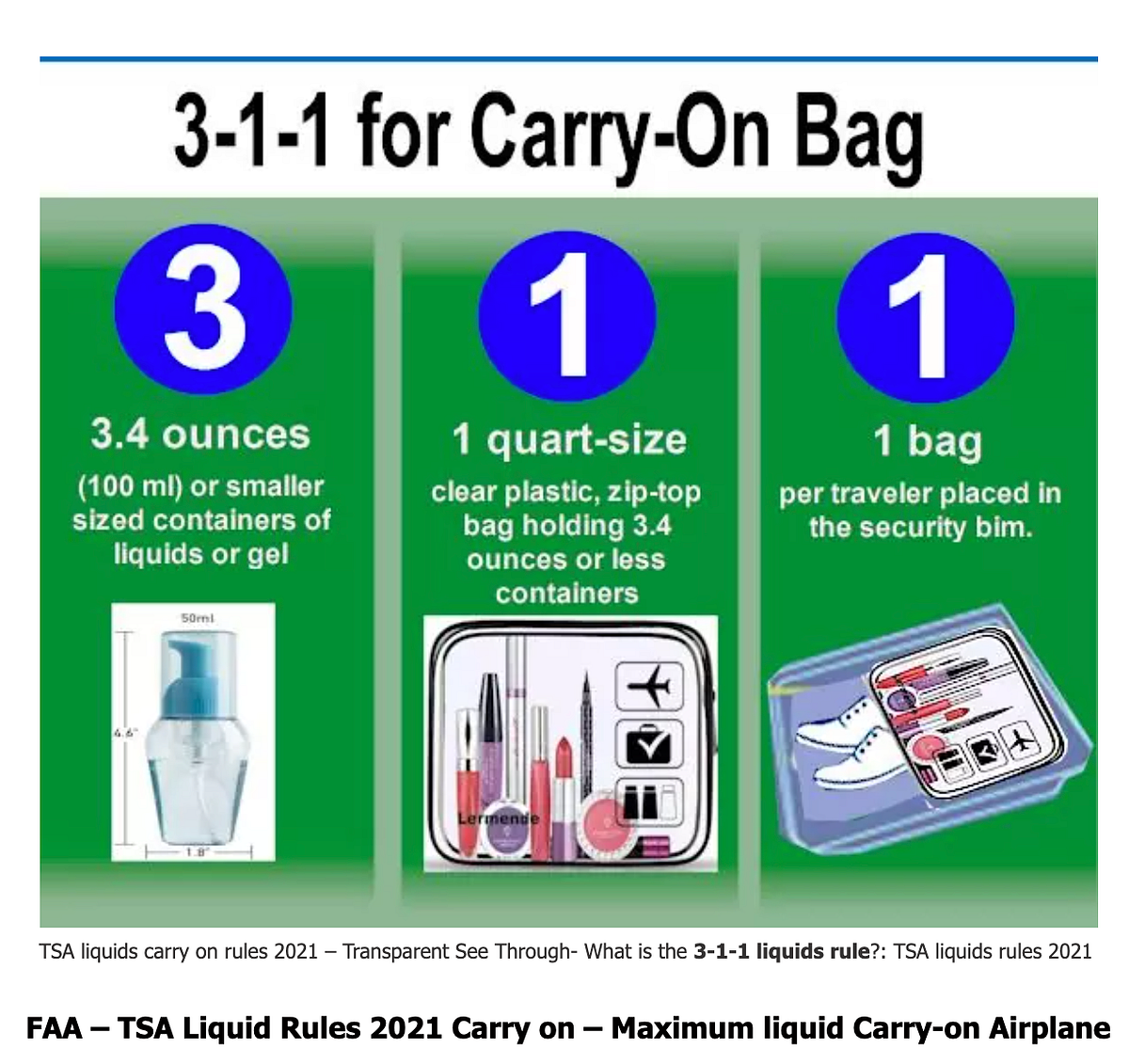
The TSA still enforces the 3-1-1 rule for liquids. This means each passenger can carry containers with no more than 100 milliliters (3.4 ounces) each. All containers must fit in a single, clear, quart-sized bag. Recent updates emphasize strict checks on liquid volumes to prevent security risks.
New Security Procedures
Security officers now use more advanced scanners. These scanners detect liquids without opening bags. Passengers may be asked to separate electronics and liquids for clearer screening. TSA agents also encourage travelers to pack liquids neatly for quick inspection.
Future Rule Trends
TSA plans to improve liquid screening technology further. This could allow carrying larger liquid quantities safely. Experts predict more efficient security lines and less need to remove items. Travelers should watch for announcements about possible rule changes soon.
Frequently Asked Questions
How Many Ml Of Liquid Are Allowed On Carry-on?
You can carry liquids in containers of up to 100 ml each. All containers must fit in a single transparent, resealable plastic bag of maximum 1 liter capacity. This rule applies to most airlines and airports worldwide for security reasons.
Are Aerosols And Gels Included In The 100 Ml Liquid Limit?
Yes, aerosols and gels are considered liquids and must follow the 100 ml container rule. They should also be placed in the transparent bag with other liquids. This ensures compliance with airport security regulations and smooth screening.
Can I Carry More Than 100 Ml Of Medication In Carry-on?
You can carry medications exceeding 100 ml if necessary. Always declare them at the security checkpoint and carry a prescription or doctor’s note. This exception helps passengers with essential medical needs travel without issues.
Do Baby Food And Breast Milk Have Liquid Restrictions?
Baby food and breast milk are exempt from the 100 ml limit. You can carry reasonable quantities needed for the flight. Inform security officers for separate screening to avoid delays during boarding.
Conclusion
Carry-on liquid rules keep travel safe and smooth. Each container should hold 100 ml or less. All liquids must fit in a single clear bag. Follow these rules to avoid delays at security. Remember, some items like medicines may have exceptions.
Check airline policies before packing. Clear and simple packing helps you breeze through airport checks. Stay prepared, and enjoy your trip without worry. Safe travels start with knowing how much liquid you can carry.