

Have you ever found yourself standing at airport security, hesitating as you reach for your carry-on bag, unsure about the liquid limits? You're not alone.
Navigating the rules about how many ounces of liquid you can carry on a plane can be confusing. The fear of having your favorite lotion or that special shampoo tossed away can be frustrating. But don't worry, we're here to clear up the confusion.
Understanding these guidelines not only saves you from potential hassle but also ensures a smoother journey. Dive into this article to discover the secrets of smart packing and how to keep your essentials with you on your travels. Your next flight might just become a whole lot easier.
Tsa Liquid Rules
Understanding the TSA liquid rules is essential before packing your carry-on. These rules are designed to keep everyone safe while ensuring the security process moves smoothly. Knowing exactly what you can bring and how much will save you from surprises at the security checkpoint.
3-1-1 Rule Explained
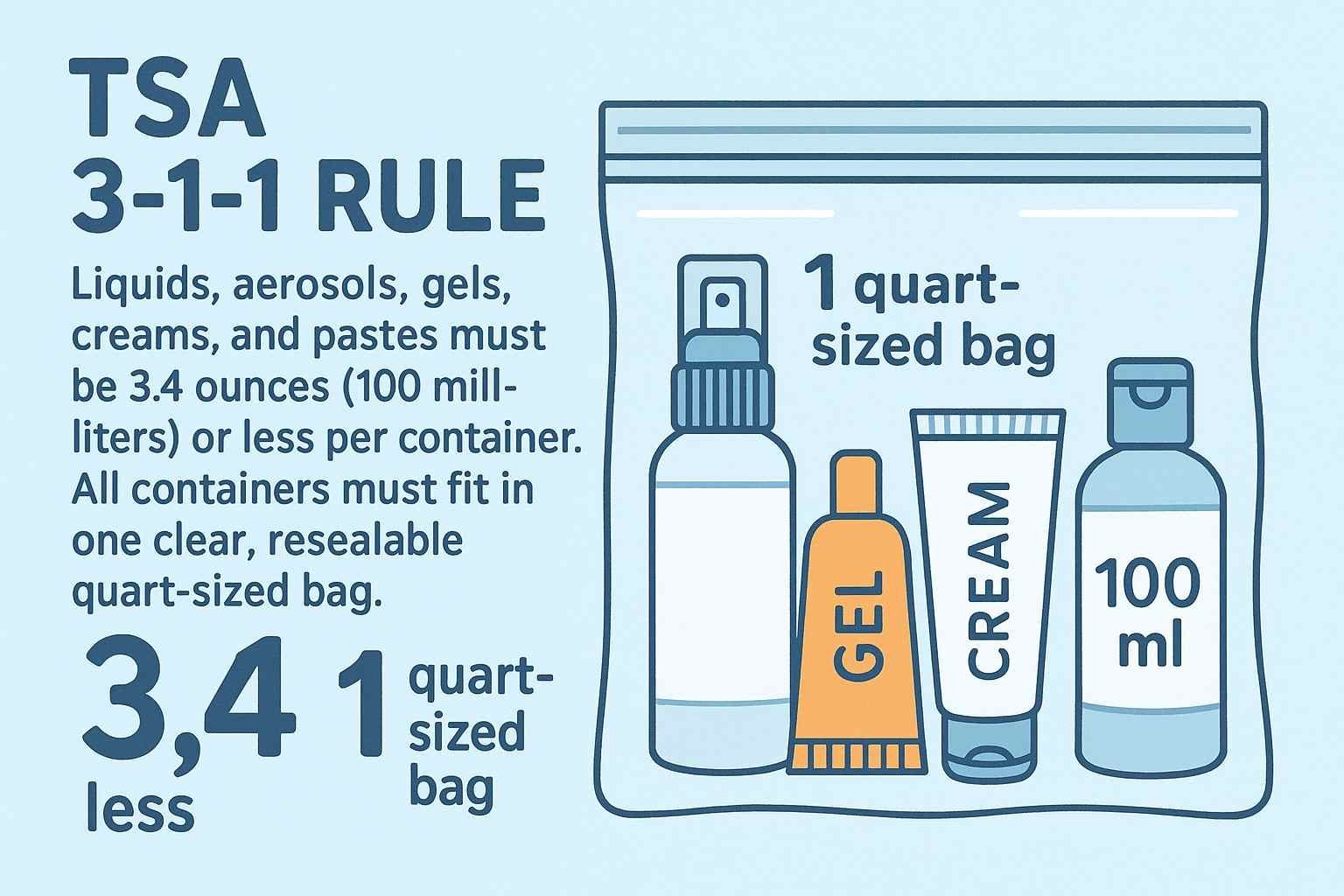
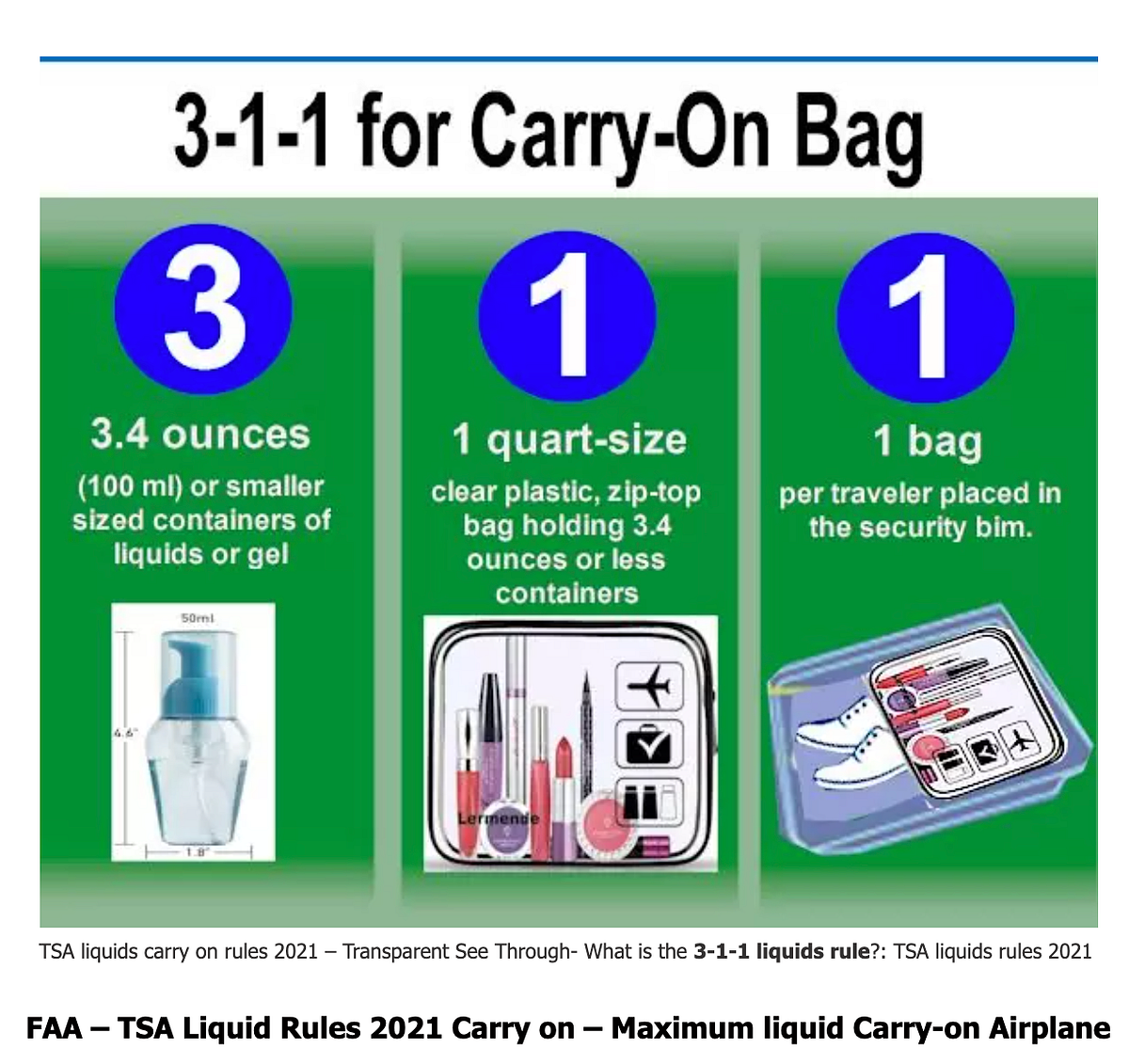
The TSA enforces the 3-1-1 rule to limit the amount of liquids you can carry in your hand luggage. This means you can bring 3.4 ounces (100 milliliters)or less per container. All your containers must fit inside one clear, quart-sized bag, and you are allowed only one bag per passenger.
Think about the last time you packed your toiletries. Did you check if your bottles met this size? Many travelers overlook this and end up tossing half their products at security.
Allowed Container Sizes
Each container must be 3.4 ounces or smaller. This includes everything from shampoo to lotion, perfume, and even toothpaste. You can use travel-sized bottles or purchase pre-packaged travel products to meet this requirement.
Here’s a quick overview:
| Item | Maximum Size |
|---|---|
| Bottles of liquid, gel, or aerosol | 3.4 ounces (100 milliliters) |
| Clear quart-sized bag | One per passenger |
Exceptions To The Rules
Not all liquids fall under the 3-1-1 rule. Medications, baby formula, and breast milk are allowed in reasonable quantities exceeding 3.4 ounces, but you must declare them at security. Also, duty-free liquids purchased after security checkpoints can be carried on without restriction.
Have you ever had to explain your baby’s formula at security? It’s a good idea to keep such items accessible and inform TSA officers upfront. This simple step can avoid delays and stress during your travel.
Packing Liquids Correctly
Packing liquids correctly is essential for smooth airport security checks. Knowing how to store and organize your liquids prevents delays. It also helps keep your items safe from spills. Follow simple rules to pack liquids within allowed limits. Prepare smartly to avoid throwing away your favorite products.
Choosing The Right Containers
Select containers that hold 3.4 ounces (100 milliliters) or less. Use bottles made of durable plastic to avoid breakage. Look for containers with tight, leak-proof lids. Travel-sized bottles save space and meet airline rules. Avoid carrying full-size bottles to prevent confiscation.
Using Clear Plastic Bags
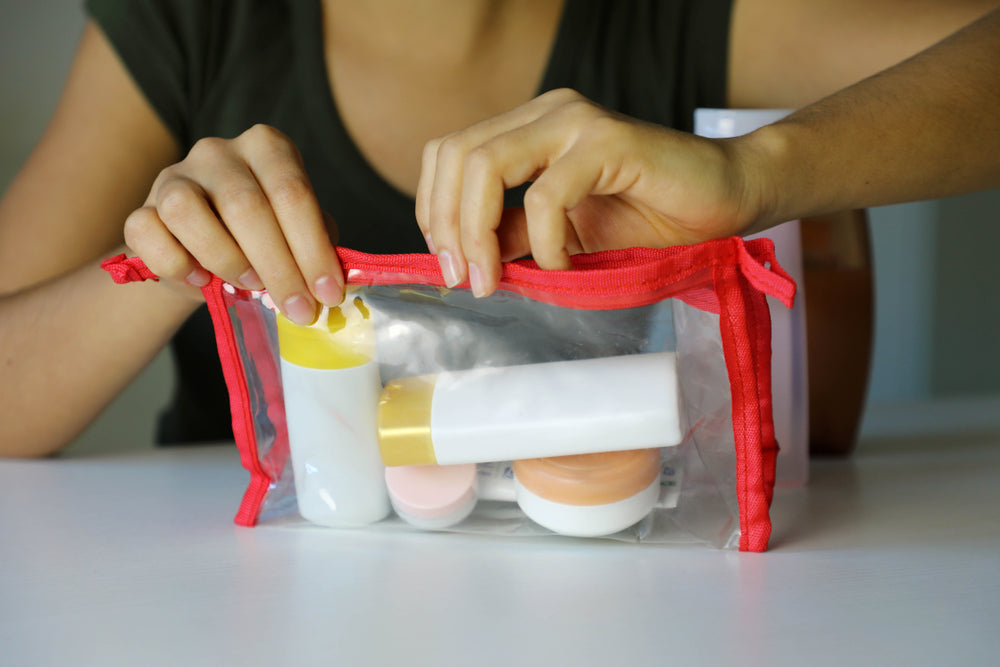
Place all liquid containers in a clear plastic bag. The bag should be quart-sized or smaller. Transparent bags make security checks faster and easier. Each passenger may only carry one bag. Seal the bag securely to prevent leaks and spills during travel.
Tips For Organizing Liquids
- Group similar items together for quick access.
- Keep the plastic bag at the top of your carry-on.
- Double-check container sizes before packing.
- Use travel kits to keep liquids neat and compact.
- Consider solid alternatives like bar soap and solid shampoo.
Common Liquid Items
Traveling with liquids in your carry-on can feel tricky. Knowing which liquid items are common and how much you can bring helps you pack smarter. Let’s look at the usual liquids travelers carry and how to handle them within the airline rules.
Toiletries And Cosmetics
Toiletries like shampoo, conditioner, and body wash are some of the most common liquid items in carry-ons. Airlines usually allow each container to be up to 3.4 ounces (100 milliliters). Remember, all your toiletries must fit into a single clear, quart-sized bag.
Cosmetics such as liquid foundation, mascara, and lip gloss also count as liquids. If you want to bring your favorite moisturizer or sunscreen, keep each bottle under the size limit. Ever forgotten your travel-sized toothpaste? Packing these small essentials can save you time and money at your destination.
Medications And Baby Products
Medications in liquid form are allowed beyond the usual 3.4-ounce rule, but you’ll need to declare them at security. This exception helps ensure you have what you need during your trip without hassle. Always carry a doctor’s note or prescription to avoid confusion.
Baby products like formula, breast milk, and baby food can also exceed the liquid limit. Security officers understand these needs and usually allow reasonable amounts. Planning ahead for these items means less stress when traveling with little ones.
Food And Beverages
Bringing liquids like soups, sauces, or drinks through security can be challenging. Most solid foods are fine, but liquids follow the strict 3.4-ounce rule. If you want to carry a bottle of water, buy it after the security checkpoint to avoid problems.
Have you ever tried to sneak a homemade smoothie through airport security? It probably didn’t end well. Instead, consider packing snacks that don’t require liquids or buy drinks once you’re inside the terminal.
International Travel Considerations
Traveling internationally means navigating a mix of rules about how much liquid you can carry in your hand luggage. These rules vary not just by country, but sometimes by airport and airline. Knowing these differences can save you time, stress, and the frustration of having to toss your favorite lotion or drink before a flight.
Differences In Airport Security
Each country sets its own security standards for liquids in carry-on bags. For example, most airports follow the 100 milliliters (3.4 ounces) per container rule, but some may have stricter limits or additional checks.
When I flew out of Tokyo, I noticed the security staff asked for liquids to be shown separately and even inspected some items closely. This was different from my experience in European airports where a quick glance usually suffices. You should check the airport’s official website before you pack.
Airline Specific Policies
Even if the airport rules are clear, airlines can have their own policies about liquids on board. Some low-cost carriers restrict liquids more tightly to speed up boarding, while international airlines might allow duty-free liquids purchased after security.
For instance, I once flew with an airline that allowed a sealed bottle of water purchased at the airport, but the connecting airline did not. This caused some confusion and a quick emptying of the bottle mid-travel. Always check your airline’s website or contact customer service to confirm their rules.
Handling Liquids On Connecting Flights
Connecting flights can complicate your liquid allowance. If you clear security again at the connecting airport, the rules usually reset, meaning you may have to comply with the new airport’s limits.
One time, I had to repack my liquids between flights in Dubai because the security there was stricter than my departure airport. To avoid surprises, pack liquids in clear, resealable bags and keep receipts for duty-free purchases. This makes passing through multiple security checks easier and less stressful.
Recent Tsa Updates 2026
The TSA has introduced new updates for 2026 that affect liquid carry-on rules. These changes aim to improve security and speed up the screening process. Travelers should know the latest details to avoid delays at the airport.
Understanding these updates helps pack smarter and follow TSA rules easily. Let’s explore the key points of the 2026 TSA liquid carry-on changes.
New Liquid Restrictions
The TSA now allows liquids in containers up to 4 ounces, a slight change from the previous 3.4 ounces limit. Each passenger can carry a quart-sized bag of these containers. Liquids include gels, sprays, and aerosols.
There are exceptions for medications, baby formula, and breast milk. These items must be declared and screened separately. This update helps travelers carry essential liquids without trouble.
Technology Changes At Security
New scanning machines now detect liquids more clearly and quickly. These machines reduce the need to remove liquids from bags in some cases. This speeds up the security line and lowers stress for travelers.
The TSA uses advanced imaging to spot suspicious items. This technology improves safety and efficiency at checkpoints.
Future Trends In Liquid Carry-ons
Experts predict more lenient liquid rules in the next few years. Innovations in packaging and scanning could allow larger liquids. Travelers might carry more items without extra checks.
Smart bags with built-in security features may become common. These bags can notify travelers about liquid restrictions and packing tips. Staying informed on these trends will help plan better trips.
Tips For Smooth Security Checks
Passing through airport security can be stressful, especially with liquid limits. Knowing some tips helps make the process quicker and easier. These tips reduce delays and keep your journey smooth.
Preparing Your Bag In Advance
Pack liquids in clear, quart-sized bags. Each container should hold 3.4 ounces (100 milliliters) or less. Place these bags on top or in an easy-to-reach spot in your carry-on. This helps security officers check your liquids quickly.
Check for any banned items before packing. Keep your electronics and liquids separate. This speeds up the screening process. Organize your bag to avoid digging through it at security.
Dealing With Tsa Questions
Answer TSA agents clearly and politely. They may ask about your liquids or medical needs. Have your documents ready if you carry medications or baby formula. Stay calm and follow their instructions carefully.
Explain any unusual items calmly. This avoids confusion and extra checks. Cooperation helps you move through security faster.
Avoiding Common Mistakes
- Do not pack liquids over 3.4 ounces in your carry-on.
- Avoid sealed bags that are not clear or too large.
- Do not hide liquids in shoes or clothing.
- Remove laptops and tablets from your bag for separate screening.
- Do not forget to empty your pockets before screening.
These small actions reduce delays and prevent confiscation of items.

Frequently Asked Questions
How Many Ounces Of Liquid Can I Carry On A Plane?
You can carry liquids in containers of 3. 4 ounces (100 milliliters) or less. All containers must fit in one quart-sized clear bag.
Are There Exceptions To The 3.4-ounce Liquid Rule?
Yes, medications, baby formula, and breast milk are allowed in larger quantities. Declare these items at security for inspection.
Can I Carry Liquids Over 3.4 Ounces In Checked Baggage?
Yes, liquids over 3. 4 ounces can be packed in checked baggage without restrictions. Only carry limited liquids in your carry-on.
How Should Liquids Be Packed In Carry-on Luggage?
Place all liquid containers in a clear, resealable quart-sized bag. This helps TSA officers quickly inspect your items.
Conclusion
Knowing the liquid limit for carry-on bags helps avoid airport delays. Keep all containers at 3. 4 ounces (100 milliliters) or less. Use a clear, quart-sized bag to hold your liquids. This rule applies to all flights in most countries.
Pack smart to pass security smoothly and save time. Travel with confidence, knowing your liquids follow the rules. Simple steps make your trip easier and stress-free. Always check airline rules before you fly. Safe travels!