

Are you planning your next trip and wondering how much liquid you can bring in your carry-on? If you've ever found yourself at the security checkpoint, frantically pouring out shampoo or pleading with airport staff over your favorite lotion, you're not alone.
Understanding the rules about liquids in carry-ons can save you time, stress, and money. We will break down the TSA’s regulations on liquid ounces allowed in your carry-on. You’ll discover practical tips to pack like a pro, ensuring a smooth experience at security checks.
Stay with us to learn how to maximize your luggage space without sacrificing your essentials.
Tsa Liquid Rules Basics
Understanding the TSA liquid rules is essential before packing your carry-on. These rules ensure safety while making the security process smoother for everyone. Knowing the basics helps you avoid surprises at the checkpoint and keeps your travel stress-free.
Allowed Liquid Volume
You can bring liquids in containers that hold no more than 3.4 ounces (100 milliliters) each. All your containers must fit comfortably inside a single clear, quart-sized bag. This limit applies per passenger, so sharing a bag with a travel companion won’t increase your allowance.
Have you ever tried to bring a half-full shampoo bottle only to have it confiscated? That’s because the volume rule focuses on container size, not how full it is. Even a small amount in a large container can be a problem.
Container Size Limits
Each liquid container must be 3.4 ounces or smaller. Larger bottles, even if partially full, won’t pass through security. The TSA is strict about this to keep the process quick and safe.
Think about packing travel-sized bottles or transferring your products into smaller containers. This simple step saves time and hassle at the airport. Plus, having your liquids in properly sized containers means you’re ready for any security checkpoint.
Types Of Permitted Liquids
Liquids, gels, aerosols, creams, and pastes all fall under these rules. This includes items like toothpaste, lotion, and even mascara. What you might not realize is that some foods, like yogurt or peanut butter, are also treated as liquids.
Interestingly, certain exceptions exist. Medications, baby formula, and breast milk are allowed in larger quantities but must be declared for inspection. Knowing these details can make your packing smarter and your journey smoother.

Packing Liquids Efficiently
Packing liquids efficiently is key to a smooth airport experience. Carry-on rules limit liquids to small amounts. Knowing how to pack them saves time and stress. Proper packing also helps avoid spills and keeps your bag organized.
Using Travel-sized Containers
Choose containers that hold 3.4 ounces (100 ml) or less. These fit airport rules perfectly. Use bottles made for travel to avoid leaks. Fill containers with only what you need. Label each container clearly for easy access.
Organizing Liquids In Quart Bags
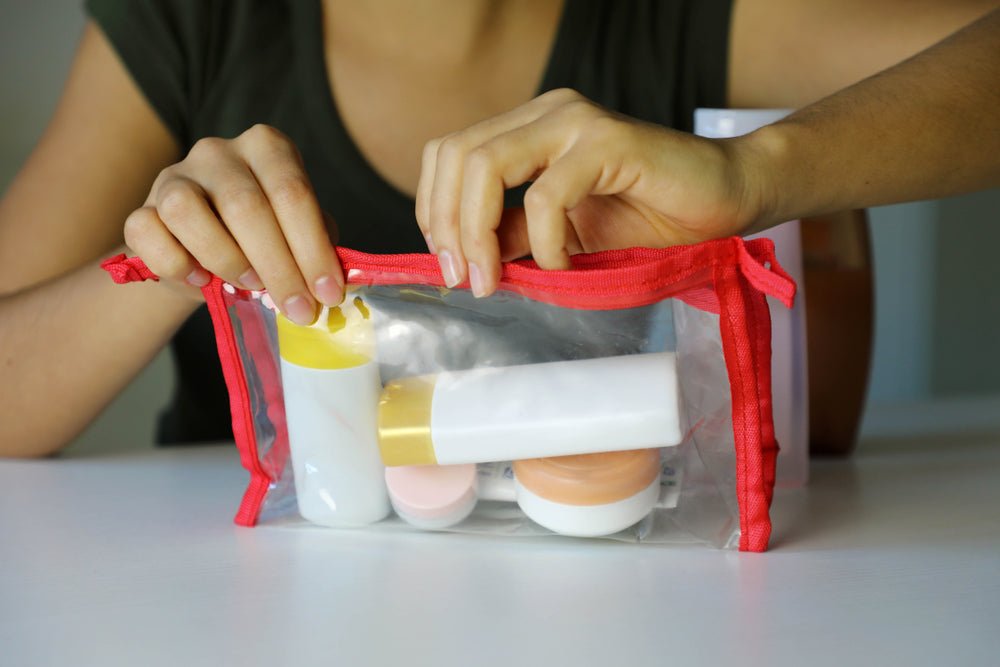
Place all liquid containers inside a clear quart-sized bag. This bag must be easy to open and close. Keep the bag accessible in your carry-on for security checks. Use a separate bag for each passenger. This keeps the process fast and smooth.
Tips For Avoiding Security Delays
- Pack liquids at the top of your bag for quick removal.
- Keep liquids in original packaging when possible.
- Remove the quart bag from your carry-on before screening.
- Prepare to show liquids separately to security officers.
- Check TSA or airport rules before packing to avoid surprises.
Exceptions To Liquid Rules
While the general rule limits liquids in carry-on bags to containers of 3.4 ounces (100 milliliters) or less, certain exceptions allow you to bring more without hassle. These exceptions recognize practical needs and special circumstances, so understanding them can save you time and stress at airport security.
Medications And Baby Formula
Medications, including prescription and over-the-counter drugs, are allowed in quantities larger than 3.4 ounces. You should keep them accessible for inspection and declare them at the security checkpoint.
Similarly, baby formula, breast milk, and juice for infants can exceed the liquid limit. Security may require additional screening, but these items are permitted to ensure your child’s needs are met.
Duty-free Liquids
Liquids purchased at duty-free shops after clearing security checkpoints do not fall under the usual size restrictions. These items are typically sealed in tamper-evident bags with the receipt visible.
However, if you have a connecting flight, be aware that some airports may recheck security, potentially causing issues. Planning ahead can help you avoid surprises with your duty-free liquids.
Special Cases And Accommodations
Travelers with disabilities or medical conditions may carry larger amounts of liquids necessary for their care. Items like saline solution or specialized creams are permitted but must be declared during screening.
Have you ever faced a situation where security rules felt confusing or unfair? Knowing these accommodations exist empowers you to travel with confidence and get the support you need.

Common Mistakes To Avoid
Many travelers make simple errors with carry-on liquids. These mistakes slow down airport security and cause stress. Knowing what to avoid saves time and hassle. Here are common pitfalls to watch for.
Overpacking Liquids
Carrying too many liquid containers is a frequent error. Each container must be 3.4 ounces (100 milliliters) or less. The total amount must fit in one clear, quart-sized bag. Packing more than allowed causes delays and possible disposal of items. Only bring essential liquids to stay within limits.
Incorrect Bagging Practices
Placing liquids in non-transparent or oversized bags is a common problem. Security requires a clear plastic bag for easy inspection. Mixing liquids with other items or leaving bottles unsealed can lead to extra screening. Keep liquids organized and separate from electronics or papers for smooth checks.
Misunderstanding Rules For Gels And Aerosols
People often forget that gels and aerosols fall under liquid rules. Items like toothpaste, hair gel, and spray deodorant count as liquids. Each must follow the 3.4-ounce rule and fit in the quart bag. Carrying large aerosol cans or gel containers can cause rejection at security.
Changes And Updates In Tsa Policies
The rules about how many ounces of liquids you can carry onto a plane have not been set in stone. The TSA updates its policies regularly to keep up with security needs and traveler convenience. Understanding these changes can help you pack smarter and avoid last-minute hassles at the security checkpoint.
Recent Rule Modifications
In recent years, the TSA has made small but important tweaks to liquid restrictions. For example, the 3-1-1 rule—3.4 ounces (100 milliliters) per container, 1 quart-sized bag, 1 bag per passenger—remains the foundation, but certain exceptions now apply.
Medications, baby formula, and breast milk have clearer guidelines allowing larger quantities with proper declaration. This update reflects a more traveler-friendly approach without compromising safety.
Impact Of Global Travel Trends
Global events and changing travel patterns influence TSA’s liquid rules. Increased international flights and health concerns have led to more thorough screening but also flexibility in some cases.
For instance, during health crises, TSA might allow additional sanitizing liquids in carry-ons, recognizing traveler needs. This shows how policies adapt to real-world situations, not just security risks.
How To Stay Informed
Staying updated on TSA policies is key to stress-free travel. Bookmark the official TSA website and check it before every trip to catch any new changes.
- Sign up for TSA alerts and newsletters
- Follow TSA on social media for real-time updates
- Use airline apps that often provide security advice
Have you ever faced delays because of unexpected liquid rules? Being informed can save you time and frustration at airport security.

Alternatives To Carry-on Liquids
Carrying liquids in your carry-on often means strict size limits. Many travelers seek alternatives to avoid the hassle. These options help you travel light and stay within the rules. They also save time at airport security. Here are some practical ways to manage liquids without breaking the rules.
Shipping Liquids Separately
Sending liquids by mail or courier before your trip avoids carry-on limits. Ship bottles of shampoo, lotion, or perfume to your destination. This method works well for long trips or stays at one place. Pack liquids carefully to prevent leaks and damage. Track your shipment to ensure it arrives on time.
Purchasing At Destination
Buy liquids like toiletries and drinks after you arrive. Airports, hotels, and local stores often sell travel-size products. This avoids carrying large bottles through security. Choose trusted brands to avoid low-quality items. This option lightens your carry-on and meets airline rules easily.
Using Solid Or Powder Substitutes
Replace liquid products with solid or powder forms. Examples include solid shampoo bars, powdered laundry detergent, or dry deodorants. These alternatives are easy to pack and carry. They take less space and do not count as liquids. Solid products also reduce the risk of spills in your bag.
Frequently Asked Questions
How Many Ounces Of Liquids Are Allowed In Carry-on Bags?
You can carry containers with liquids up to 3. 4 ounces (100 milliliters) each. All containers must fit in a clear, quart-sized bag. This rule applies to all liquids, gels, and aerosols in carry-on luggage. Ensure the bag is easily accessible for security screening.
Are There Exceptions To The 3.4-ounce Liquid Rule?
Yes, exceptions include medications, baby formula, and breast milk. These items must be declared at security checkpoints. They are allowed in reasonable quantities exceeding 3. 4 ounces. Always inform TSA officers to avoid delays during screening.
Can I Bring Larger Liquids In Checked Baggage?
Yes, larger liquid containers are allowed in checked luggage. There is no 3. 4-ounce limit for checked bags. However, some items may be restricted due to airline or hazardous material policies. Check your airline's rules before packing.
What Happens If Liquids Exceed The Allowed Carry-on Limit?
Liquids over 3. 4 ounces may be confiscated at security. TSA agents enforce strict liquid limits to ensure safety. To avoid losing your items, pack liquids in checked bags or use travel-size containers. Always comply with security regulations.
Conclusion
Knowing the allowed ounces in a carry-on helps avoid airport delays. Liquids must be in containers of 3. 4 ounces or less. All containers should fit in a clear, quart-sized bag. Pack smart to save time and stress at security.
Always check the airline’s rules before you fly. This way, you travel light and smooth. Keep these tips in mind for your next trip. Safe and easy travel starts with good preparation.